 News
News

How Thick Should a Tarp Be for Waterproof? | DERFLEX Waterproof Tarp Thickness Guide
 Global PVC Tarpaulin & Industrial Coated Fabric Manufacturer
How Thick Should a Tarp Be for Waterproof Protection?
The right waterproof tarp thickness depends on how long the tarp will be exposed, how much wind or abrasion it will face, and whether you need a temporary cover or a reusable industrial tarpaulin. DERFLEX helps buyers choose the right mil, mm and GSM for real working conditions.
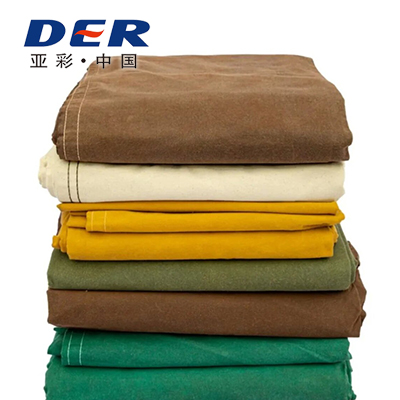
Thickness Is Important, But It Is Not the Only Waterproof Factor
A thicker tarp usually offers better tear resistance and longer service life, but a waterproof tarp also needs the right material structure, coating, seam method and reinforcement.
Mil Thickness
Mil is a common retail measurement. One mil equals 0.001 inch. Higher mil usually means a thicker cover, but thickness alone does not guarantee industrial durability.
Material & Coating
PE tarps can be economical for temporary use, while PVC coated polyester tarpaulin is selected for better weldability, reusable service life and demanding outdoor protection.
Seams & Edges
Finished waterproof tarps should use suitable welded or sealed seams, reinforced hems, grommets, webbing and stress-point reinforcement where water and wind pressure are expected.
Recommended Waterproof Tarp Thickness by Application
Use this table as a practical starting point. DERFLEX can adjust material weight, base fabric, coating, width, surface finish and reinforcement according to your target market and application.
| Use Level | Typical Thickness Direction | Recommended Use | Buyer Notes |
|---|---|---|---|
| Temporary Light Waterproofing | 5–8 mil / approx. 0.13–0.20 mm | Short-term rain cover, temporary home use, light garden or dust protection. | Low cost and easy to handle, but not ideal for long UV exposure, wind load or repeated industrial use. |
| General Outdoor Protection | 8–12 mil / approx. 0.20–0.30 mm | Seasonal equipment cover, firewood cover, camping shelter, temporary storage. | Better balance between handling and protection, but still limited for rough work sites. |
| Heavy-Duty Waterproof Use | 12–16 mil / approx. 0.30–0.41 mm | Outdoor storage, construction material cover, boat or machinery cover, stronger jobsite use. | A common starting range when buyers ask for a waterproof tarp that should last longer than light-duty covers. |
| Industrial / Truck / Construction | 18–22 mil+ / approx. 0.46–0.56 mm+ | Truck tarps, trailer covers, industrial equipment covers, high-wind and repeated handling applications. | PVC coated polyester is strongly recommended when you need weldability, tear strength and custom fabrication. |
| Custom PVC Tarpaulin Supply | 0.55–0.90 mm / approx. 550–900 gsm | Reusable B2B tarps, logistics covers, agricultural covers, construction tarps and OEM private-label programs. | DERFLEX can develop custom GSM, color, finish, width, FR option, UV resistance and edge construction. |
| Extreme or Special Projects | 0.90–2.0 mm / higher GSM structures | Heavy industrial covers, abrasion-prone protection, special containment, membranes or long-term outdoor systems. | Specification should be confirmed by sample testing, application load and environmental requirements. |
For Waterproof B2B Tarps, Start with Application First — Not Only Mil
Many buyers ask “how thick should a tarp be for waterproof?” because they want a simple number. The better question is: what will the tarp protect, how long will it stay outside, how often will it be folded or pulled, and how much wind, UV and abrasion will it face?
For distributors, contractors, logistics fleets and OEM tarp brands, DERFLEX normally recommends choosing a PVC coated polyester structure by application rather than selecting only a generic retail mil value. This helps avoid under-specification, premature tearing and inconsistent repeat orders.
What to Confirm Before Ordering Waterproof Tarps
- Target application: truck cover, equipment cover, construction cover, agriculture cover, shelter or OEM resale.
- Expected service time: temporary, seasonal, multi-year or long-term industrial exposure.
- Material choice: PE for economy use, PVC coated polyester for stronger reusable waterproof performance.
- Finished tarp details: size, hems, welded seams, eyelets, webbing, D-rings, ropes, straps and reinforced corners.
- Climate requirements: UV resistance, cold resistance, mildew resistance, flame-retardant option and cleaning method.
- Supply model: roll goods, cut panels, finished tarps, private-label packaging or bulk distributor programs.
Where Thicker Waterproof Tarps Create Real Value
When the tarp is exposed to rain, wind, sunlight, handling and abrasion, a stronger PVC coated tarpaulin can reduce replacement frequency and improve protection reliability.
DERFLEX Waterproof Tarp Advantage
- Factory-direct PVC tarpaulin and waterproof tarp material supply.
- Custom thickness, GSM, width, color, surface finish and performance treatments.
- High-tenacity polyester base fabric for stronger tensile and tear performance.
- Waterproof PVC coating with UV, anti-mildew, cold-resistant and flame-retardant options.
- Finished tarp support: welding, hems, eyelets, webbing, ropes, labels and packaging.
- Suitable for distributors, importers, fabricators, contractors, truck body builders and OEM brands.
Why Stock Tarps May Not Be Enough
- Standard stock tarps may only show mil thickness without full base fabric or coating details.
- Limited custom color, width, edge reinforcement or private-label packaging choices.
- May be suitable for single-piece purchases but less suitable for repeated industrial procurement.
- Seam quality, grommet spacing, UV resistance and long-term consistency can vary by batch.
- Professional projects often need material matching instead of one-size-fits-all products.
Explore Waterproof Tarp Materials, Applications and Custom Options
These internal pages help buyers compare waterproof tarp materials, PVC tarpaulin structures and heavy-duty application options.
Mil, Millimeter and GSM: How They Work Together
Tarp thickness is often shown in mils in retail markets. In industrial PVC tarpaulin purchasing, buyers also compare thickness in millimeters and weight in grams per square meter. A thicker material may be stronger, but the base fabric yarn, coating adhesion, surface treatment and reinforcement design also affect final performance.
For example, two tarps with similar thickness can perform differently if one uses a stronger polyester scrim, better PVC coating, UV-stabilized formula and professionally welded seams. This is why DERFLEX evaluates waterproof tarp requirements from the complete material system rather than thickness alone.
Simple Conversion Reference
- 1 mil = 0.001 inch = about 0.0254 mm.
- 12 mil = about 0.305 mm.
- 16 mil = about 0.406 mm.
- 20 mil = about 0.508 mm.
- 0.55 mm PVC tarpaulin is close to 21.6 mil in thickness.
- 0.90 mm PVC tarpaulin is close to 35.4 mil in thickness.
Frequently Asked Questions About Waterproof Tarp Thickness
Clear answers for buyers comparing tarp thickness, waterproof performance, PVC tarpaulin and custom DERFLEX supply options.
How thick should a tarp be to be waterproof?
For basic rain protection, thinner tarps may work temporarily, but for reliable outdoor waterproof use, 12–16 mil is a practical starting point. For industrial, truck, construction or long-term outdoor use, 18–22 mil+ or a PVC coated polyester tarp around 0.55–0.90 mm / 550–900 gsm is usually more suitable.
Is a 10 mil tarp waterproof enough?
A 10 mil tarp can be suitable for moderate outdoor use if the material is coated and the seams are properly sealed. It may not be strong enough for long-term industrial exposure, high wind, rough handling or repeated folding.
Is a 12 mil tarp considered heavy duty?
In many retail markets, 12 mil is often treated as a heavy-duty starting range. For professional B2B use, buyers should also check material weight, base fabric strength, UV resistance, seam method and reinforcement details.
Is PVC tarp better than PE tarp for waterproofing?
PVC tarp is usually better for heavy-duty and long-term waterproof use because it offers stronger coating, better weldability, higher tear resistance and more custom fabrication options. PE tarp is often selected for lower-cost temporary covers.
Does thicker always mean more waterproof?
No. Thickness helps durability, but waterproof performance also depends on coating quality, material type, seams, hems, grommet areas, UV resistance, installation slope and how the tarp is fixed under tension.
What thickness is best for truck tarps?
Truck tarps usually need stronger waterproof PVC coated polyester structures. Depending on the truck type and use environment, buyers often discuss heavier materials such as 0.55–0.90 mm or 550–900 gsm with reinforced edges, welded seams and custom grommet spacing.
Can DERFLEX make custom waterproof tarps?
Yes. DERFLEX can support custom thickness, GSM, width, color, surface finish, UV resistance, flame-retardant option, welded seams, eyelets, reinforced hems, webbing, private-label packaging and bulk supply programs.
Need the Right Waterproof Tarp Thickness for Your Market?
Send DERFLEX your application, target size, climate, expected service life, thickness or GSM requirement, color, quantity and finishing details. We will recommend a suitable waterproof PVC tarpaulin structure for your project or OEM program.