Company News Industry News

TPU Inflatable Boat Fabric & Material Manufacturer | DERFLEX

TPU Marine Inflatable Material · OEM Roll Supply

TPU Inflatable Boat Fabric for OEM Boat, Raft & Packraft Manufacturing

DERFLEX supplies TPU coated fabric for inflatable boats, packrafts, dinghies, whitewater rafts, RIB collars, inflatable kayaks and rescue craft. Material selection can be developed around air retention, base-fabric strength, TPU chemistry, welding method, foldability, abrasion exposure and repeat production requirements.

  • Single-side or double-side TPU structures
  • Nylon or polyester reinforcement
  • Polyether TPU direction for wet environments
  • HF / RF, hot-air and heat-sealing trials
  • Custom color, finish, width and roll packing
  • Sampling before bulk production
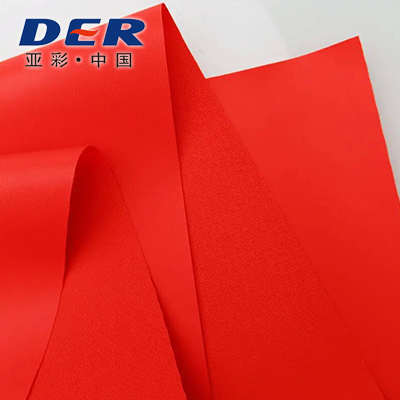
Red DERFLEX TPU inflatable fabric for airtight inflatable boat and packraft manufacturing
DERFLEX TPU inflatable fabric sample. Final construction should be confirmed against boat pressure, welding equipment, seam design and end-use testing.
Snippet-Ready Answer

What Is a TPU Inflatable Boat?

A TPU inflatable boat is an inflatable watercraft whose air-holding tubes or chambers are made from TPU-coated or TPU-laminated reinforced textile. The textile core—typically nylon or polyester—carries mechanical loads, while the thermoplastic polyurethane layer provides the sealing surface needed for waterproofing, airtightness and thermal welding. For marine use, the exact TPU chemistry, coating side, denier and seam process should be selected around the boat design rather than by material name alone.

For water-contact programsPolyether TPU is commonly discussed when hydrolysis resistance and repeated wet exposure are important.
For airtight chambersDouble-side TPU structures are often considered where both surfaces need sealing, reinforcement or welding flexibility.
For productionWelding window, seam geometry, peel behavior and pressure testing matter as much as the roll specification.
Material Construction

TPU Boat Fabric Is a System, Not a Single Film

An inflatable boat tube repeatedly sees internal pressure, folding, rubbing, wet storage, welded seams, fittings and repair patches. A useful specification therefore connects four layers of decision-making: reinforcement textile, TPU chemistry, coating structure and fabrication method.

Nylon or Polyester Core

Nylon is often evaluated for flexibility, foldability and tear performance. Polyester is often evaluated for dimensional stability and a balanced bulk-supply route. DERFLEX can discuss common 420D, 840D, 1000D and 1680D directions as well as custom constructions.

Polyether or Polyester TPU

For boats and water-contact products, polyether TPU is commonly considered when hydrolysis resistance is a major requirement. Polyester TPU can be considered when abrasion, mechanical strength or other application-specific priorities dominate.

Single or Double-Side TPU

Single-side TPU may suit selected lightweight structures. Double-side TPU gives more freedom for welded reinforcements, patches, baffles and air-holding constructions where both surfaces need a functional thermoplastic layer.

DERFLEX supplies material rather than a finished inflatable boat on this page. Finished craft performance depends on tube geometry, valve system, seam layout, fabrication parameters and complete product validation.

Quick Specification Overview

TPU Inflatable Boat Fabric Specification Direction

The values below are purchasing directions already used within DERFLEX's TPU material range. Final values should be frozen only after sample trials and finished-boat testing.

Selection ItemAvailable / Common DirectionWhy It Matters for Boat Production
Product DirectionTPU inflatable boat fabric / TPU coated boat fabric / airtight marine TPU textileFor packrafts, dinghies, rafts, inflatable kayaks, RIB collars, rescue boats and sealed marine components.
Base FabricNylon or polyesterControls tear behavior, dimensional stability, folding feel and structural reinforcement.
Common Denier Discussion420D / 840D / 1000D / 1680D and customized woven structuresLower or higher denier should be chosen with tube size, pressure, wear zones and packability in mind.
TPU ChemistryPolyether TPU or polyester TPU directionWater exposure, hydrolysis risk, abrasion, temperature and mechanical requirements influence the choice.
Coating StructureSingle-side or double-side TPU coating / laminationDouble-side TPU is commonly considered for more demanding airtight, welded and reinforced chamber designs.
Total Weight / ThicknessAvailable according to project requirementsShould be matched to finished craft weight, tube pressure, expected abrasion and handling profile.
Width / Roll FormatCustom width and roll length by material grade and production arrangementPanel nesting and roll width can reduce seams, cutting waste and production complexity.
SurfaceMatte, glossy, smooth, embossed, textured or anti-blocking directionsInfluences appearance, cleaning, grip, patch welding and handling on the production floor.
ProcessingHF / RF welding, hot-air welding, heat sealing and reinforcement welding trialsWelding must be verified on the buyer's actual machine and seam geometry.
Testing FocusWeight, width, tensile, tear, peel, air retention, weldability and aging direction as requiredThe testing plan should reflect the target craft, market and buyer's own product standard.
Application Decision Matrix

How to Select TPU Fabric by Boat Type

Instead of asking for “TPU boat fabric price” first, define the craft category and where failure risk is concentrated. The same material should not automatically be used for an ultralight packraft, a tender and a rescue boat.

Boat / Product TypeMaterial Direction to DiscussMain Selection PrioritiesQuestions Before Sampling
Ultralight packraftLightweight TPU coated nylon; one or two-side structure according to chamber designPackability, tear resistance, seam reliability, repair conceptTarget boat weight? Tube pressure? Floor uses same fabric or heavier grade?
Inflatable kayakBalanced nylon or polyester TPU construction; reinforced floor/contact zonesShape stability, repeated folding, abrasion, clean weldingFlat water or whitewater? Floor construction? User load and storage method?
Whitewater raftStronger double-side TPU coated textile directionAbrasion, puncture, high-wear patches, seam strengthRock contact? Commercial frequency? External reinforcement plan?
Dinghy / yacht tenderBalanced or heavy-duty TPU coated fabric; surface finish matched to brand positionTube strength, appearance, UV/wet exposure, fittings and handlingTube diameter? Motor load? Storage inflated or folded?
RIB collar / tubeHigher-strength TPU textile direction with controlled seam and attachment designPressure retention, dimensional control, fitting zones, long-term handlingCollar geometry? Bonded hardware? Required outer-surface durability?
Rescue / professional craftApplication-specific heavy-duty TPU construction after test plan reviewRapid deployment, abrasion, visibility, repeat inspection, supply consistencyWhich buyer standard? Field temperature? Inspection and repair protocol?
Commercial Investigation

TPU vs PVC for Inflatable Boats: Which Material Fits the Program?

Short answer: TPU is often selected where lower-weight engineering, flexible folding, strong welded air retention or PVC-free positioning matter; PVC remains a practical route for many cost-controlled volume boat programs. Neither material should be chosen from a single “better” claim.

Decision FactorTPU Coated FabricPVC Coated Fabric
Typical positioningPremium, technical, lightweight-to-heavy-duty inflatable programsBroad commercial and recreational volume programs
Low-temperature flexibilityOften a strong reason buyers evaluate TPU, depending on gradeDepends heavily on PVC formulation and temperature target
Hydrolysis / wet exposurePolyether TPU direction can be discussed for prolonged wet environmentsMarine suitability depends on coating formulation, adhesion and application design
ProcessingHF / RF, hot-air or heat-sealing trials according to gradeHF / RF and hot-air processes are widely used in boat manufacturing
Weight strategyCan support lightweight packraft and technical boat constructionsCommonly used in robust, cost-balanced coated polyester constructions
Best procurement questionCan this exact TPU structure meet my pressure, seam, wet-use and abrasion targets?Can this PVC structure meet the target durability, cost, process and market requirements?

For a full PVC/TPU sourcing comparison, see DERFLEX's inflatable boat material supplier guide.

Engineering & Manufacturing Notes

What Boat Fabric Buyers Should Validate Before Bulk Production

Freeze the Welding Method First

HF / RF, hot-air and heat-sealing equipment use different settings and process windows. Test the actual production roll direction on the buyer's machine before approving mass production.

Evaluate the Cooled Seam, Not Only the Fresh Weld

Appearance immediately after welding is not enough. Review peel behavior, overlap consistency and air retention after the seam has cooled and stabilized.

Map High-Wear Zones Separately

Floors, bow contact zones, stern areas, handles, D-rings, seat mounts and external rubbing areas may need reinforcement patches or a different local material strategy.

Control Valves and Fittings as Part of the System

Valve bases, bonded fittings and attachment points can become leakage or delamination risks if their materials, preparation or weld/bond process are not compatible with the TPU surface.

Test Folding and Wet Storage

A boat is often rolled, bagged, transported and stored damp. Sample validation should consider crease behavior, blocking, surface marking and hydrolysis direction—not only initial strength.

Recommended Prototype Test Sequence

  • Material appearance, width, weight and surface inspection
  • Trial weld on actual production equipment
  • Peel / seam comparison across several machine settings
  • Prototype air chamber or representative seam coupon
  • Pressure-decay / leakage observation
  • Fold, abrasion and handling simulation around high-wear zones
  • Wet-storage or hydrolysis-direction review where relevant
  • Freeze final roll specification only after production approval

Testing requirements vary by boat category and target market. DERFLEX does not assume that one generic test list replaces the buyer's own finished-product standard.

Product Image Package

TPU Fabric, Double-Side Structure & Inflatable Boat Application References

All images below use existing DERFLEX-hosted image URLs. Hero imagery is loaded normally; below-fold images use lazy loading for better page performance.

Red TPU inflatable fabric for inflatable boat tubes and welded air chambers

TPU Inflatable Fabric

Material surface reference for air-holding, waterproof and thermally welded inflatable products.

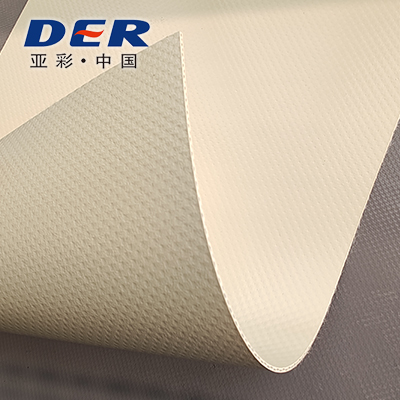
Double-sided TPU coated nylon fabric for packrafts and inflatable boat construction

Double-Sided TPU Nylon

Useful where both faces need functional TPU for sealing, patches, baffles or reinforcement welding.

DERFLEX TPU coated fabric sample for marine inflatable OEM manufacturing

TPU Coated Fabric Sample

Base textile, coating thickness, hand feel and surface can be selected around the finished craft.

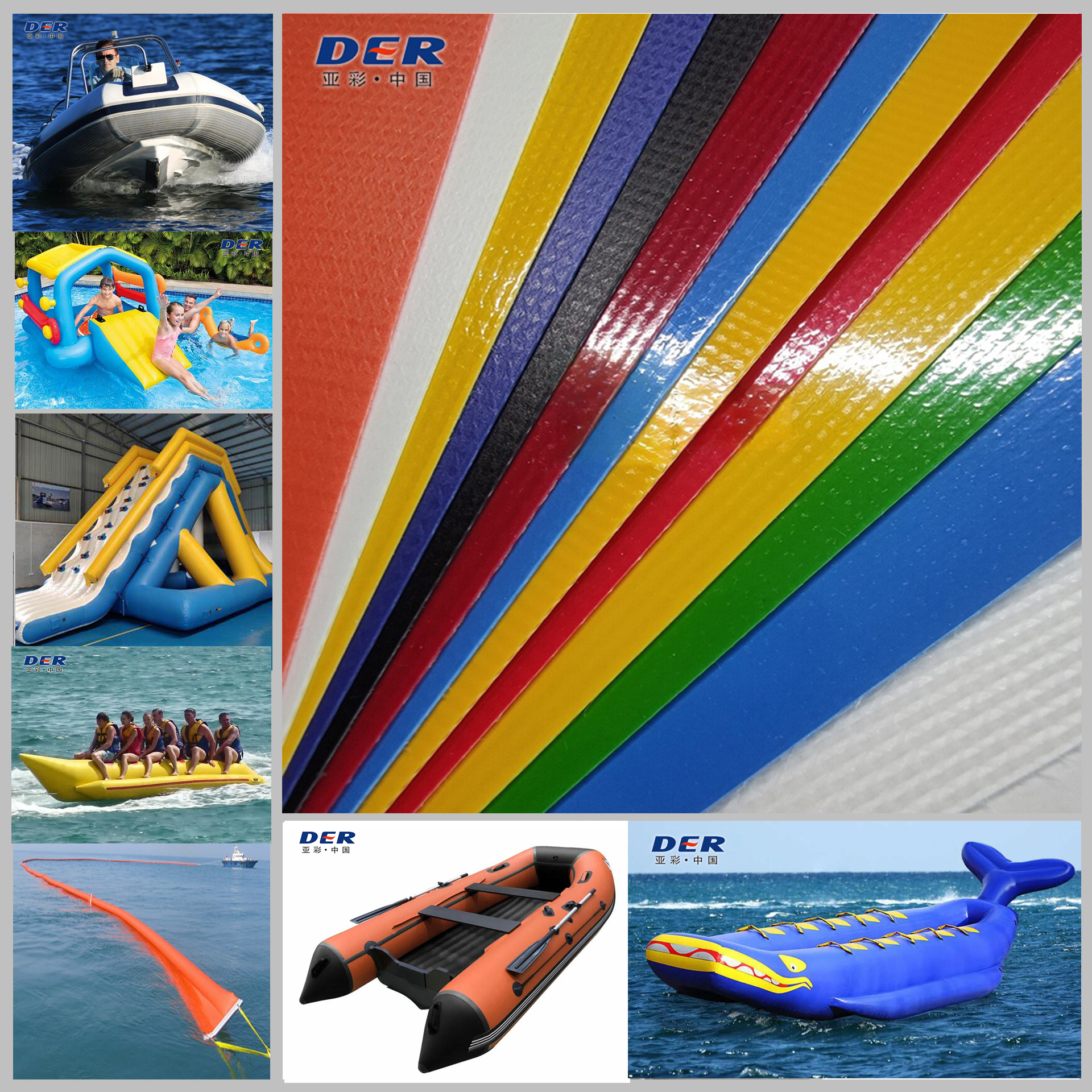
DERFLEX inflatable boat application and coated fabric color reference

Boat Application Reference

Application collage from DERFLEX's inflatable-boat material range. It is shown as a boat-use reference, not as a claim that every pictured fabric is TPU.

Procurement Guide

What to Send DERFLEX for a Useful TPU Inflatable Boat Fabric Quote

Buyer Checklist

  • Boat type: packraft, dinghy, kayak, raft, RIB collar, rescue boat or component
  • Tube diameter, chamber layout and expected working pressure
  • Preferred base textile, denier or current reference sample
  • Single-side or double-side TPU requirement
  • Target weight / thickness and roll width
  • Polyether / polyester TPU preference if already specified
  • Color, surface texture and brand appearance direction
  • Welding machine and process used by your factory
  • Testing or documentation required by the target market
  • Sample quantity, estimated bulk quantity and destination

Common Procurement Mistakes

Mistake: choosing by GSM alone

Denier, weave, TPU chemistry, coating side and seam process can matter more than total weight by itself.

Mistake: asking for “waterproof” only

Boat tubes need airtightness and seam integrity, not simply resistance to liquid water.

Mistake: ignoring welding equipment

The same fabric can behave differently across machines, electrode geometry, hot-air settings and seam widths.

Mistake: skipping wet-use validation

Marine TPU should be reviewed against water exposure, storage, hydrolysis direction and the finished boat's real service cycle.

Mistake: using one fabric everywhere

Floor panels, tubes and high-wear patches may need different constructions even within one boat model.

Mistake: approving only a small swatch

A roll-quality trial and welded prototype reveal processing issues that a hand sample cannot show.

People Also Ask

TPU Inflatable Boat Questions Buyers Commonly Ask

What material is a TPU inflatable boat made from?

Most TPU inflatable boat tubes use a reinforced textile—commonly nylon or polyester—with a TPU coating or lamination that creates the waterproof, airtight and heat-weldable surface. The reinforcement carries mechanical loads while the TPU layer provides sealing and surface performance.

Is TPU suitable for inflatable boats?

Yes, TPU can be suitable for packrafts, inflatable kayaks, dinghies, rafts, RIB collars and rescue craft when the correct base fabric, TPU chemistry, coating structure and welding method are selected and verified through sample and finished-product testing.

Is TPU better than PVC for inflatable boats?

Not in every project. TPU is often evaluated for flexible folding, low-temperature behavior, strong thermal welding and premium lightweight constructions. PVC remains practical for many robust, cost-controlled volume programs. The right choice depends on craft type, pressure, process, budget and service environment.

What is the difference between polyether TPU and polyester TPU for boats?

Polyether TPU is commonly discussed for water-contact and hydrolysis-resistant directions, which can be important in marine use. Polyester TPU can offer useful abrasion and mechanical properties. Final chemistry should be selected against the real wet exposure, temperature, abrasion and process requirements.

Should inflatable boat fabric be coated on one side or both sides?

Some lightweight structures may use one functional TPU side, but double-side TPU is often considered for more demanding air-holding products because both surfaces can support sealing, patches, reinforcements and fabrication flexibility.

Can TPU inflatable boat fabric be RF or hot-air welded?

Selected TPU coated fabrics can be evaluated for HF / RF welding, hot-air welding and heat sealing. The correct settings depend on TPU grade, coating thickness, base textile, overlap, electrode or nozzle setup and production speed, so trial welding is recommended before bulk production.

What denier should I choose for a TPU boat?

There is no universal denier. DERFLEX discusses constructions such as 420D, 840D, 1000D and 1680D, but the appropriate choice depends on tube diameter, pressure, boat weight target, expected abrasion, folding requirements and whether a separate heavy-duty floor or reinforcement layer is used.

What information is needed to request a TPU boat fabric sample?

Provide the boat type, chamber size or tube diameter, expected pressure, base fabric preference, coating side, target weight or thickness, width, color, welding method, required tests, sample quantity and expected bulk demand. This gives the supplier enough information to recommend a practical sample direction.

Build the TPU Boat Fabric Around the Finished Craft

Send DERFLEX the boat type, chamber design, pressure target, base-fabric direction, TPU structure, width, color, welding method, test requirements and order plan. The team can review a practical material route for sampling and repeat OEM roll supply.

  • ✓ Packraft, dinghy, raft, RIB collar, kayak and rescue applications
  • ✓ Nylon / polyester base fabric and single / double TPU structures
  • ✓ Welding-trial and sample-first specification workflow

Prepare a Better Quote Request

Include your current fabric sample or technical target when available. This helps reduce back-and-forth around denier, TPU chemistry, coating side and production process.

Send Your TPU Boat Fabric Requirement
Copyright © 2015 DERFLEX ( PVC tarpaulin manufacturer )All Rights Reserved.