Exposure
Describe the real contact with water and weather.
- Rain and road spray
- Boat deck and saltwater splash
- Kayak, rafting or fishing use
- Accidental short immersion
- Planned submersion target
 News
News

 Custom Waterproof Bag Development
Custom roll-top bags, waterproof backpacks, marine duffels, fishing bags and protective storage programs developed with PVC, TPU or lightweight coated textiles.
DERFLEX helps importers, outdoor brands, distributors and project buyers define the bag format, shell material, closure, seam process, carrying system and verification plan before bulk production. The result is a specification-led sourcing route rather than a generic catalog choice.
The shell fabric is important, but it is not the only part that controls water entry. Seams, zipper tracks, roll-top geometry, buckle placement, valve details, webbing anchors and accessory pockets can all affect the finished result. A suitable material can still produce an unsuitable bag when the opening or attachment details do not match the exposure level.
For that reason, DERFLEX separates material selection from product claims. PVC coated polyester may be practical for rugged, cost-controlled bags. TPU coated nylon or polyester may suit lighter, softer and premium products. Lightweight coated textiles can be useful for internal dry sacks and travel organizers. The best route depends on the bag’s intended load, abrasion exposure, folding pattern and production method.
Buyers often search both forms. “Waterproof bag” is the standard spelling. In procurement, however, the more important distinction is whether the product is intended for rain and splash, repeated wet-deck use, short accidental immersion, or a verified submersible application.
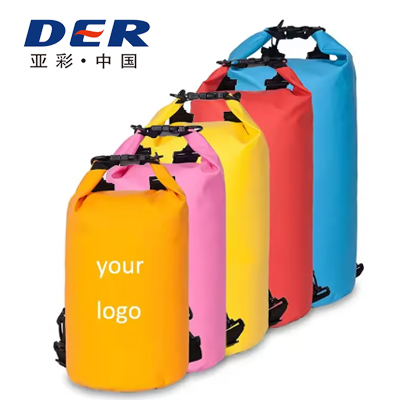
A useful quotation begins with what the bag must protect against, how it will be carried and which statement the finished product is expected to support.
Describe the real contact with water and weather.
Match construction to carrying weight and field handling.
Align appearance and cost with the target sales channel.
The descriptions below are practical sourcing categories. The final claim should follow the agreed finished-bag test.
For commuting, travel and general outdoor storage where the bag is expected to face rain, humidity or occasional surface water.
For fishing, boating, beach, motorcycle and marine use where repeated splash and wet-surface contact are expected.
For applications that may experience accidental dunking. Closure, seam and accessory points need product-level verification.
Requires a suitable closure system, sealed construction and a defined depth-and-time test on the completed product.
Each format can be developed around a reference sample, technical drawing or agreed functional brief.
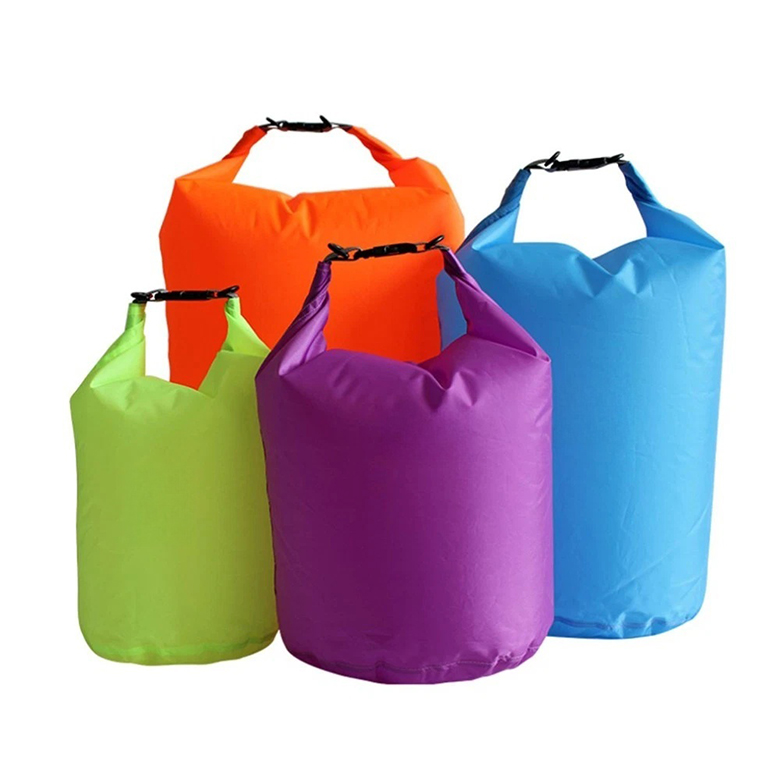
Compact sacks through larger gear bags for camping, paddling, fishing, beach, travel and promotional programs.
Roll-top or selected zipper constructions with padded or webbing straps, reinforcement zones and external attachment options.
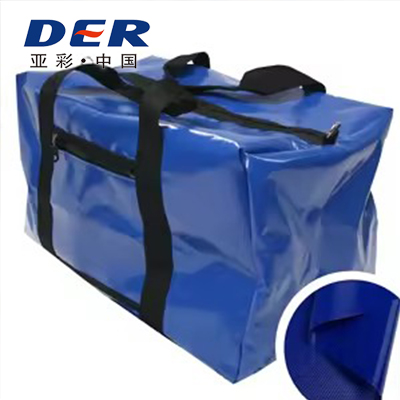
Wide-opening bags for boat equipment, wet clothing, rescue gear, industrial tools and travel storage.
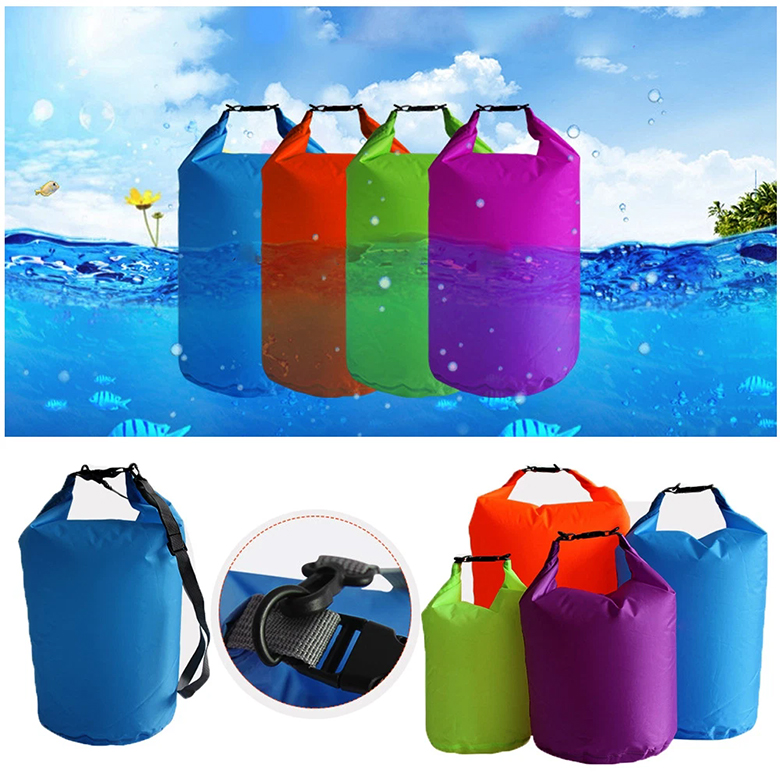
Bright-color storage concepts for boating, swimming, kayaking, rental programs and safety-oriented product lines.
Smaller products for phones, documents, tools, first-aid kits, electronics and color-coded pack organization.
Rugged bag shells and reinforced structures for tackle, marine gear, tools, maintenance kits and protective equipment storage.
No single material is the best choice for every waterproof bag. The right option balances durability, weight, hand feel, process compatibility, temperature and project budget.
| Material Direction | Common Strengths | Typical Product Role | Points to Confirm |
|---|---|---|---|
| PVC Coated Polyester | Structured feel, abrasion-oriented options, broad color and texture choices, practical cost control. | Roll-top bags, marine duffels, fishing bags, promotional products and commercial storage. | Thickness, softness, cold folding, weld parameters, surface finish and compliance request. |
| TPU Coated Nylon / Polyester | Flexible hand feel, lower-weight possibilities, premium appearance and cold-weather options. | Technical dry bags, waterproof backpacks, premium outdoor gear and selected rescue products. | Ester or ether TPU route, base cloth, hydrolysis target, welding method and abrasion zones. |
| PU / TPU Lightweight Textile | Compact packing volume, soft folding and lighter construction. | Inner dry sacks, travel organizers, pack liners and products with lower abrasion exposure. | Seam-sealing route, coating adhesion, puncture risk and finished-bag water test. |
| Custom Composite Structure | Project-specific balance of texture, reinforcement, print surface, flexibility and appearance. | Special private-label bags, industrial protection, technical gear and multi-material designs. | Layer compatibility, bonding method, seam trial, fold cycle and repeat-production tolerance. |
State the target liters, external dimensions, opening width, roll allowance, shape and expected payload. Capacity should be confirmed from the actual pattern rather than from height alone.
Choose a roll-top for recognizable outdoor use, a selected technical zipper for faster access, or a hybrid design where different compartments need different protection levels.
Define handles, removable straps, backpack harnesses, sternum straps, webbing cradles, bottom reinforcement, lash points and stress zones according to the intended load.
Discuss color matching, surface texture, contrast panels, logo size, print method, woven labels, care labels, barcode position and retail packaging at the beginning of the project.
Agree on water ingress, seam strength, strap load, buckle function, zipper performance, abrasion, cold folding, color fastness and repeated opening tests as relevant to the final product claim.
A waterproof bag for a resort promotion, a kayak brand and a marine maintenance team should not share the same specification by default.
For camping, hiking, beach, travel, paddle sports and branded merchandise.
For boat storage, fishing gear, kayak decks, wet clothing and saltwater-facing products.
For tools, maintenance kits, emergency equipment, protective packaging and project-specific storage.
Clear checkpoints reduce avoidable changes between the first concept, sample approval and bulk production.
Share use, bag type, size, load, target market, quantity and destination.
Select material, closure, seams, straps, accessories, color and logo route.
Review pattern, fit, folding, carry comfort, workmanship and visual details.
Test the completed sample against the agreed water and mechanical targets.
Confirm approved sample, tolerances, inspection points, packing and shipment details.
DERFLEX approaches waterproof bag sourcing from the coated-textile structure outward, helping buyers discuss the material and conversion route together.
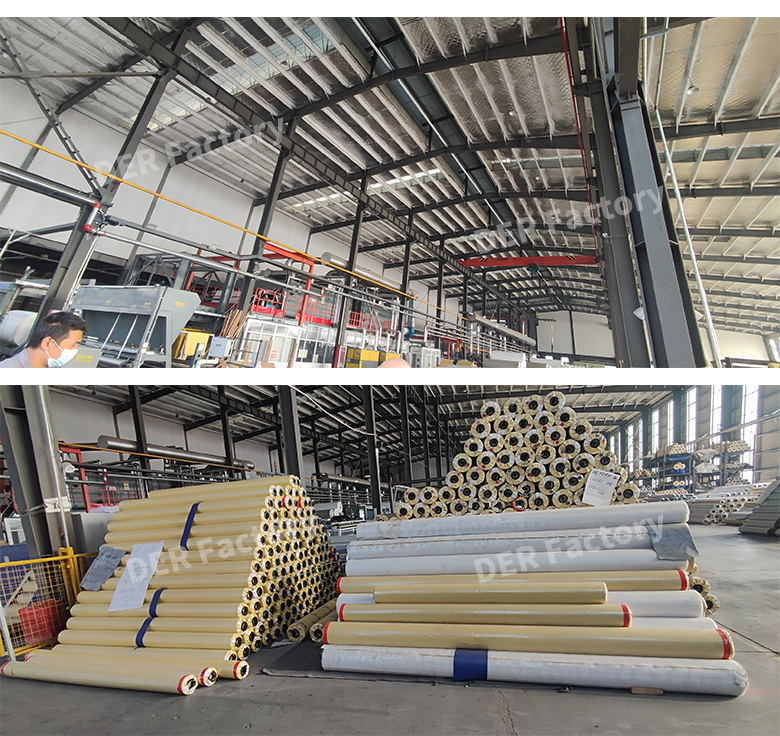
Discuss PVC, TPU, coated nylon, coated polyester or custom composite structures according to use conditions and product position.
Evaluate how the selected shell interacts with welding, sewing, seam sealing, printing, folding, reinforcement and accessory assembly.
Support specification discussion for color, logo, hardware, packaging, sample approval and repeat-order consistency.
These six DERFLEX pages connect finished-bag planning with material selection and application-specific development.
Practical answers for importers, outdoor brands, distributors, purchasing teams and product developers.
A water-resistant bag is generally intended to reduce water entry from light rain or splash. A waterproof bag uses a waterproof shell and sealed construction, but its final protection level still depends on seams, closure, accessory points and product testing. “Submersible” is a more demanding claim and should be supported by a defined finished-bag test.
PVC coated polyester is often practical for rugged, structured and cost-controlled programs. TPU coated nylon or polyester can suit premium products that prioritize lower weight, softer folding and cold-weather flexibility. The choice should be made around the bag design, use environment, production method and target market.
Custom dimensions and capacity targets can be discussed from a drawing, reference sample or product brief. Pattern shape, roll-top allowance, seam position and internal structure influence the real capacity, so the approved prototype should be used as the final reference.
Color matching, logo printing, woven labels, embossing, contrast panels and private-label packaging can be discussed according to the selected material, logo process and order quantity. A physical approval sample is recommended before bulk production.
No. A roll-top bag may perform well against rain, splash and temporary water contact when correctly closed, but it is not automatically designed for prolonged submersion. A submersible target requires suitable closure design, sealed construction and finished-product verification.
The test plan may include water ingress, hydrostatic fabric testing, seam peel strength, strap and handle loading, buckle operation, zipper leakage, abrasion, puncture, cold folding, color fastness and repeated roll-top cycling. The relevant tests depend on the product claim and intended use.
Please provide the bag type, dimensions or capacity, use environment, expected load, preferred material or price position, closure, carry system, color, logo, quantity, packaging, destination and any required compliance or test target.
Send DERFLEX your product format, intended use, reference design, material preference, protection target, quantity and destination. The team can discuss a practical configuration for sample evaluation.