Company News Industry News

Coil Tarps Manufacturer | Custom Steel Coil Tarp Bags for Flatbeds | DERFLEX

Fitted Flatbed Cargo Protection · Custom OEM Supply

Coil Tarps for Steel & Metal Coil Transport

DERFLEX supplies coil tarps, fitted coil tarp bags and custom PVC coated polyester covers for steel coils, aluminum coils and selected cylindrical industrial loads carried on flatbed trucks and trailers. The cover geometry can be developed around coil diameter, coil width, chain-access zones, D-ring rows, grommet layout and known abrasion points.

  • PVC coated polyester / vinyl coated fabric
  • Custom finished dimensions and cover geometry
  • Reinforced hems, patches, D-rings and grommets
  • Chain-access slit and securement-zone options
  • Roll goods, panels or finished tarp programs
  • OEM color, logo, labels and export packing
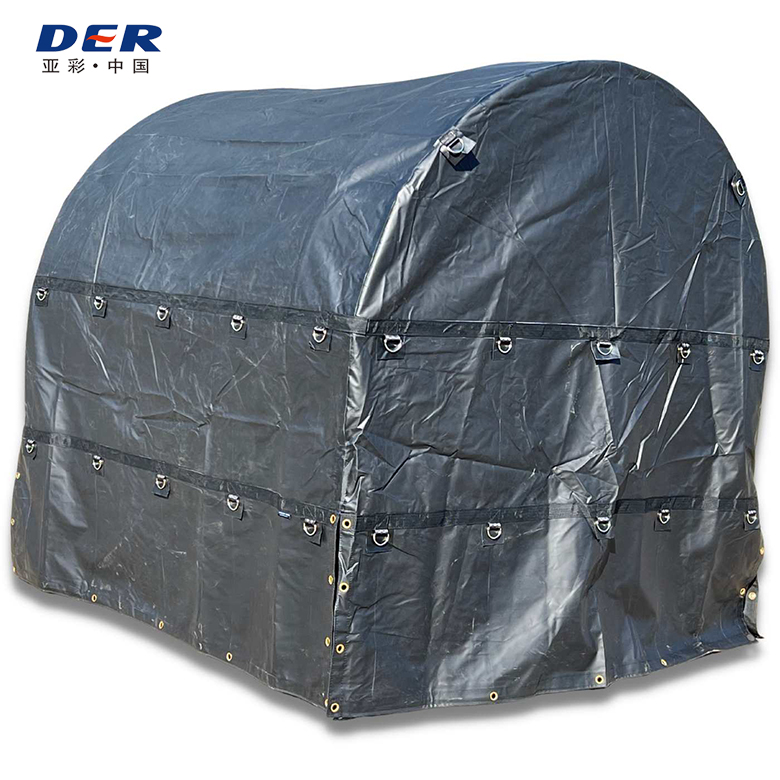
DERFLEX fitted heavy duty coil tarp with D-rings and reinforced edges for steel coil protection

Fitted steel coil tarp direction with shaped top profile, multiple tie-down rows and reinforced perimeter construction.

Quick Answer

What Is a Coil Tarp?

A coil tarp is a fitted or semi-fitted truck tarp shaped to cover a steel or metal coil on a flatbed trailer. Unlike a flat rectangular steel tarp, a coil tarp follows the rounded load profile so there is less loose fabric to fold and tension. A practical design may include reinforced lower hems, D-rings, grommets, chain-access openings and wear patches around the points that experience repeated contact.

In North American flatbed markets, coil tarps are also called coil bags, steel coil tarps, coil tarp bags or fitted coil covers. The tarp protects the cargo from weather and road exposure; it is not the device that secures the coil to the trailer.

Why the Shape Matters

Coil Tarp vs. Standard Steel Tarp

Both products protect metal freight, but they solve different covering problems. Frequent single-coil hauling usually benefits from a shaped cover, while mixed flatbed freight may be better served by a general steel tarp.

Fitted Coil Tarp / Coil Bag

  • Rounded or shaped top follows the coil profile.
  • Less excess material to fold around a cylindrical load.
  • Can include dedicated chain-access or corner slit details.
  • Useful for repeat routes carrying similar single-coil dimensions.
  • Hardware layout can be positioned around known tension zones.

Flat Steel Tarp

  • Rectangular tarp with shorter drops for low-profile freight.
  • More versatile for plate, pipe, rebar and mixed steel loads.
  • Requires more folding when wrapped around a round coil.
  • Useful where one tarp must cover several cargo geometries.
  • Review DERFLEX steel tarps for broader flatbed steel protection.
Specification Framework

Custom Coil Tarp Specification Options

These are practical DERFLEX sourcing directions, not a claim that one fixed construction fits every steel coil. Final details should be confirmed against actual coil dimensions, transport route, securement layout, handling frequency and buyer requirements.

Specification Item Available Direction Buyer Decision
Product Form Fitted coil tarp, coil bag, semi-fitted coil cover, custom shaped flatbed cover Choose based on how often the same coil geometry is hauled.
Material PVC coated polyester fabric / vinyl coated polyester; other structures by project review Prioritize waterproofing, tear resistance, flexibility, weldability and repeat handling.
Fabric Weight Approx. 550–1100 gsm heavy-duty truck tarp direction, or custom structure Heavier is not automatically better; balance durability with driver handling.
Size Custom finished dimensions; market references often include 5 × 5 × 5 ft, 6 × 6 × 6 ft and 7 × 7 × 7 ft formats Quote from actual coil diameter, coil width and finished fit requirements rather than size name alone.
Surface Gloss, semi-gloss, matte and other project-dependent finishes Consider cleanability, friction, weather exposure and branding.
Hardware D-rings, grommets/eyelets, webbing loops, straps and buyer-specified attachment points Position hardware where the tarp can be tensioned without interfering with cargo securement.
Reinforcement Webbing hems, D-ring patches, corner patches, wear strips and cargo-contact reinforcement Map known abrasion zones before production.
Chain Access Corner slits, reinforced openings or custom access geometry Provide securement photos or a drawing so access points are not guessed.
Fabrication Welded seams, sewing, combined construction, reinforced hems and local patches Construction method should match fabric type and service environment.
Branding Custom color, printed logo, labels and private-label packing Useful for fleets, distributors and replacement programs.
Supply Format Fabric rolls, cut panels, semi-finished components or finished tarps Match supply format to the buyer's own fabrication capability.
Important: If your procurement specification requires a named test standard, cold-crack value, tensile strength, tear strength, flame-retardant rating or compliance document, send the exact requirement before quotation. Values should be confirmed for the selected material rather than inferred from a generic coil tarp description.
Application Decision Matrix

Which Tarp Direction Fits Your Coil-Hauling Program?

The right answer depends on cargo geometry and how repetitive the route is, not only on fabric weight.

Load Situation Recommended Cover Direction Why Key Detail to Confirm
Single steel coil, repeat size Fitted coil tarp / coil bag Follows the rounded profile and reduces excess material. Outside diameter, coil width, chain-access geometry.
Single aluminum or coated metal coil Fitted waterproof coil cover Helps reduce direct exposure to rain, road spray and contamination. Clean inner contact areas and abrasion control.
Mixed steel plate, pipe, coil and rebar Flatbed tarp or steel tarp system One flexible tarp format can handle varying freight profiles. Drop depth, total load envelope and edge protection.
Outdoor coil storage rather than road hauling Steel sheet & coil protection tarp Storage protection focuses more on weather barrier and coverage than truck hardware layout. Drainage, wind restraint, surface contact and storage duration.
Cable spool or other round industrial load Custom shaped cover after drawing review Cylindrical shape may be similar, but tie-down zones and protrusions can differ from steel coils. Full geometry, lifting points and areas that must remain accessible.
Engineering Notes

Six Construction Zones That Determine Real-World Performance

Coil tarp failures often begin at local stress points rather than in the middle of the fabric. A useful drawing should identify where bending, pulling, rubbing and chain access occur.

1

Crown & Curved Top

The top panel must follow the load closely enough to avoid large loose pockets while retaining practical installation clearance.

2

Rounded End Panels

End geometry controls how much fabric bunches around the coil face. Accurate outside diameter and coil width are more useful than a generic size label.

3

Lower Hem

Webbing reinforcement or multi-layer hems help distribute repeated pulling loads from grommets, straps and D-ring zones.

4

D-Ring Rows

Multiple rows can provide more tensioning options for different coil heights, but spacing should match how operators actually secure the cover.

5

Chain-Access Areas

Reinforced slits or openings can keep the tarp from fighting the chain path. These areas should be documented from the actual securement arrangement.

6

Abrasion Patches

Known rub zones around coil edges, dunnage, trailer contact points and repeated folds can receive local reinforcement or protective layers.

For mixed cargo fleets, compare this shaped-cover approach with DERFLEX heavy duty truck tarps before standardizing a fleet specification.

Sizing Guide

How to Measure a Coil for a Custom Tarp

Do not order a fitted coil tarp from nominal coil weight alone. DERFLEX needs the actual loaded geometry and the areas that must remain accessible after the tarp is installed.

AOutside diameter / loaded height
BCoil face-to-face width / depth
CDunnage, rack and clearance zones
DChain, binder and access-point locations

Provide These Measurements

  • Maximum outside coil diameter.
  • Maximum coil width measured face to face.
  • Loaded height after dunnage or coil rack is included.
  • Securement chain and binder path relative to the coil.
  • Desired lower tarp drop below the widest coil point.
  • Any lift points, tags, labels or components that must stay accessible.

Best Inputs for a Repeatable Order

  • Dimensioned drawing with finished cover size.
  • Photos of the loaded coil from both side and end.
  • Existing approved tarp sample if available.
  • Required D-ring rows and approximate positions.
  • Grommet spacing and corner slit / chain-access detail.
  • Mark-up of wear zones seen on current tarps.
Why this matters: published market sizes such as 6 × 6 × 6 ft or 7 × 7 × 7 ft are useful references, but different manufacturers can interpret finished geometry differently. A written dimensional drawing reduces fit disputes and makes repeat procurement easier.
Material Selection

Why PVC Coated Polyester Is Common for Heavy Duty Coil Tarps

The material combines a woven polyester reinforcement with a protective PVC surface, creating a practical platform for waterproof covers that must be folded, tensioned, reinforced and fabricated into shaped truck tarps.

Weather Barrier

PVC coating helps shield the covered coil from rain, road spray, dust and wind-driven contamination. Finished protection also depends on fit, seams and how the tarp is tensioned.

Tear & Tension Support

The polyester base structure supports repeated pulling and tie-down forces. Local reinforcement remains important where hardware or sharp cargo points concentrate stress.

Fabrication Compatibility

Selected PVC coated fabrics can be welded, hemmed, reinforced, punched for grommets and combined with webbing or D-ring assemblies.

Custom Surface & Color

Color, finish and coating direction can be discussed for fleet visibility, private label programs and regional climate requirements.

For roll-material engineering and broader weight/finish options, see DERFLEX PVC tarpaulin materials.

Common Procurement Mistakes

Five Coil Tarp Errors That Increase Wear or Rework

Ordering by "18 oz" Alone

Nominal weight does not describe base fabric, coating balance, reinforcement, hardware or seam construction. Ask for a complete specification.

Guessing from a Standard Size

A 6 × 6 × 6 ft market label does not replace actual coil diameter, width and loaded geometry. Fitted products need dimension control.

Ignoring the Chain Path

If securement devices and tarp openings compete for the same space, the cover may bunch, rub or be difficult to install. Mark access zones before fabrication.

Using the Tarp as Edge Protection

Reinforcement can improve durability, but a tarp should not be expected to tolerate repeated cutting contact from unprotected sharp edges.

Over-Specifying Weight

Extra-heavy fabric may improve wear resistance but can make daily lifting, folding and storage harder. Driver handling belongs in the specification decision.

Skipping Repeat-Order Records

Document finished dimensions, hardware spacing, reinforcement locations, material code and packing so replacement units remain consistent.

Safety Boundary

Coil Tarps Protect the Load — They Do Not Secure It

A coil tarp is a weather and contamination cover. It must not be treated as a chain, binder, coil rack, dunnage, chock or other cargo-securement device.

Metal coils are subject to commodity-specific securement requirements in many markets. In the United States, FMCSA has dedicated rules for metal coils under 49 CFR 393.120. Buyers and carriers should confirm applicable securement requirements for coil orientation, weight, vehicle type and route, then design the tarp so it does not interfere with compliant securement.
DERFLEX Image Package

Product, Fabrication & Transport Visuals

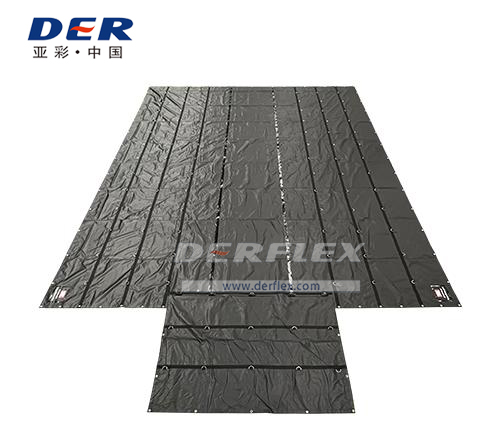
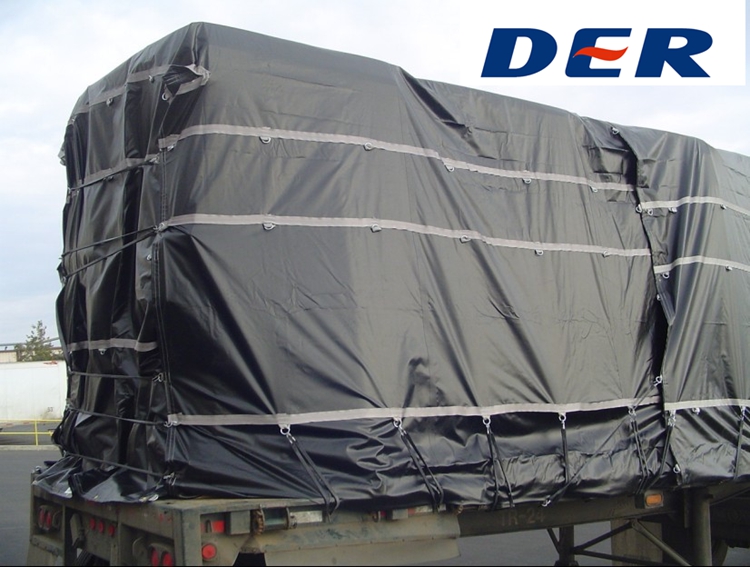
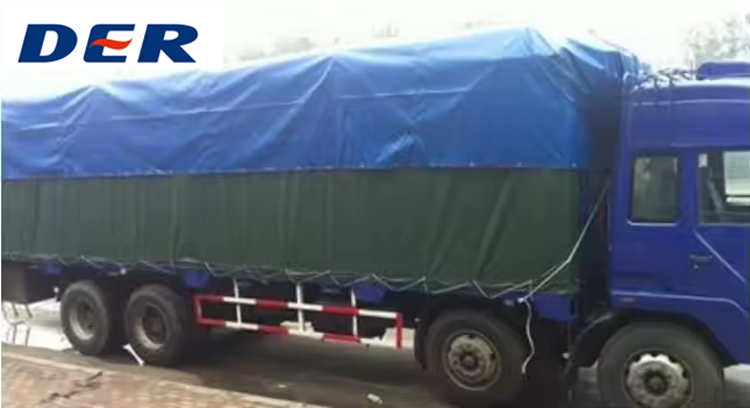
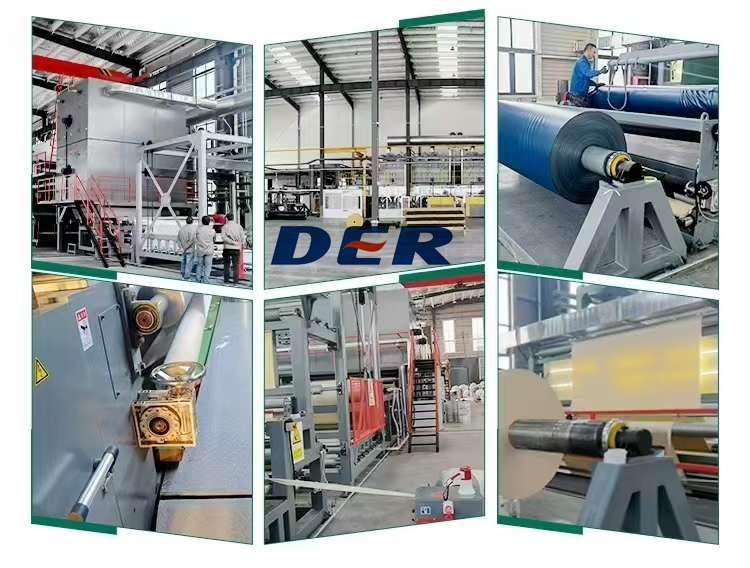
These are existing DERFLEX website images selected to support product-image search relevance and buyer understanding.

Buyer Checklist

What to Send DERFLEX for a Coil Tarp Quotation

A complete request helps determine whether you need a fitted finished tarp, conversion-ready panels or PVC coated fabric for local fabrication.

1. Cargo: steel coil, aluminum coil, coated coil or other round load.
2. Dimensions: outside diameter, coil width, loaded height and maximum profile.
3. Tarp Form: fitted coil bag, semi-fitted cover or general steel tarp.
4. Material: target GSM/oz, current sample or performance requirement.
5. Hardware: D-ring rows, grommet spacing, straps, loops and access points.
6. Reinforcement: hems, corners, chain slits, rub zones and patch locations.
7. Branding: color, logo, product label and private-label packaging.
8. Commercial Data: quantity, destination and preferred supply format.
Manufacturer-Oriented Supply

Why Source Custom Coil Tarps Through DERFLEX?

DERFLEX is most relevant to distributors, tarp converters, fleet programs and OEM buyers who need more specification control than a one-time retail coil bag purchase.

Material Control

Coil tarp development can start from the PVC coated polyester fabric structure rather than only from a finished SKU.

Custom Geometry

Dimensions, rounded panels, chain-access details and reinforcement can be developed around drawings, photos or approved samples.

Multiple Supply Formats

Buyers can discuss coated fabric rolls, conversion-ready panels, semi-finished components or finished tarp programs.

Repeat Procurement

Documented dimensions, hardware positions, colors, labels and packing help standardize future replacement cycles.

For a fully made-to-drawing program, review DERFLEX custom truck tarpaulin capabilities.

Buyer Questions

Coil Tarps Frequently Asked Questions

Direct answers to the sizing, material and sourcing questions that flatbed buyers commonly ask before ordering a steel coil tarp.

What are coil tarps used for?

Coil tarps are used to cover steel coils, aluminum coils and selected round industrial loads during flatbed transport. Their shaped profile helps reduce loose material around a cylindrical load while providing weather protection from rain, road spray, dust and debris.

Is a coil tarp the same as a coil bag?

In flatbed trucking, the terms are often used interchangeably. “Coil bag” usually emphasizes a fitted cover with a rounded top and end panels, while “coil tarp” can describe both fitted and semi-fitted cover designs.

What size coil tarp do I need?

Measure the actual outside coil diameter, coil width, loaded height, lower drop requirement and chain-access positions. Common market references include 5 × 5 × 5 ft, 6 × 6 × 6 ft and 7 × 7 × 7 ft, but custom fitted tarps should be confirmed from a drawing or actual load measurements.

Can I use a regular steel tarp over a coil?

Yes, a rectangular steel tarp can cover a coil, especially in mixed-freight operations. A fitted coil tarp is usually easier to manage when the fleet regularly hauls similar single-coil loads because it reduces excess material that must be folded and tensioned.

What material is commonly used for heavy duty coil tarps?

PVC coated polyester, often referred to as heavy-duty vinyl tarp material, is commonly used because it combines a reinforced textile base with a waterproof, fabrication-friendly PVC surface. The final weight and structure should be selected according to abrasion risk, climate, handling frequency and driver usability.

Are coil tarps waterproof?

PVC coated polyester fabric can provide a waterproof surface, but finished protection also depends on seam construction, cover fit, openings, damage condition and how the tarp is installed. Buyers should specify any required test or performance standard before production.

Do coil tarps secure a steel coil to the trailer?

No. A coil tarp is a protective cover, not a cargo-securement device. Chains, binders, dunnage, coil racks, chocks and other securement equipment must be selected and used according to the applicable cargo-securement rules.

Can DERFLEX make custom coil tarps for distributors or fleets?

DERFLEX can discuss custom finished dimensions, PVC coated fabric direction, D-ring rows, grommet spacing, reinforced hems, chain-access details, abrasion patches, colors, logos, labels, packing and multiple supply formats. A drawing, loaded-coil photo or approved sample helps define the project accurately.

Related Questions

Build a Coil Tarp Specification for Your Fleet or Market

Send DERFLEX the coil diameter, width, loaded profile, tarp size, target material, hardware layout, reinforcement needs, quantity and destination. The team can review a practical fitted tarp, panel or coated-fabric supply direction.

Copyright © 2015 DERFLEX ( PVC tarpaulin manufacturer )All Rights Reserved.