Company News Industry News

Pallet Covers Manufacturer | Reusable Waterproof PVC Pallet Covers | DERFLEX

Reusable PVC Covers · Custom Fitted Hoods · B2B Supply

Pallet Covers for Warehouse, Shipping & Outdoor Storage

DERFLEX develops reusable pallet covers for palletized goods that need repeatable protection from rain, dust, sunlight, handling contamination and outdoor exposure. The cover can be specified around the loaded pallet dimensions, reuse frequency, access requirements, fastening points and branding—not just a generic pallet footprint.

For industrial programs, PVC-coated polyester is the main reusable direction because it combines a waterproof material surface with weldable fabrication, reinforcement options and custom fittings. Lighter PE constructions can be discussed when lower weight and cost are more important than repeated heavy handling.

Custom FitLoaded L × W × H, skirt and access layout
Reusable PVCCoated polyester for repeat handling
ReinforcedHems, corners, webbing and hardware zones
OEM ReadyColor, logo, labels and private-label packing
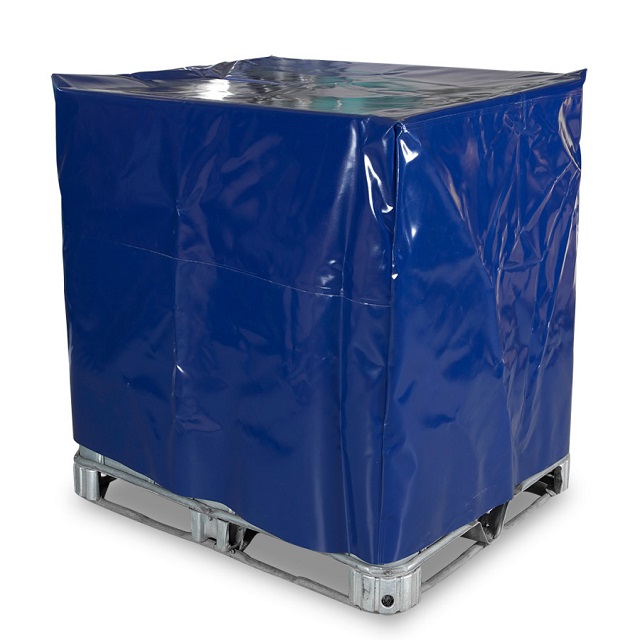
Blue reusable waterproof PVC pallet cover fitted over palletized goods
Fitted reusable pallet hoodFive-sided coverage for repeatable pallet profiles
Custom Size
Answer First

What is a pallet cover?

A pallet cover is a protective hood, bag or tarp placed over palletized goods during storage, handling or transportation. The right construction depends on whether the cover is disposable or reusable, indoor or outdoor, fitted or loose, and whether it must resist rain, UV exposure, abrasion, repeated folding or frequent access.

Reusable industrial pallet covers are commonly fabricated as five-sided hoods, shaped covers or dimensioned tarps. For repeated warehouse and outdoor use, a PVC tarp construction can provide a waterproof material surface, strong scrim reinforcement and welded or sewn fabrication options.

Important: a pallet cover protects the outside of the load, but it does not replace proper load restraint. Stabilize cartons or products first; then add the cover as the weather, dust and contamination barrier.
Pallet Cover Types

“Pallet covers” is a broad category—match the cover to the duty cycle

Generic search results mix reusable PVC or vinyl pallet covers, PE covers, disposable plastic pallet bags and insulated systems. These products solve different problems and should not be treated as interchangeable.

Repeated Use

Reusable PVC Pallet Cover

Best aligned with repeated handling, outdoor staging and fitted industrial programs. PVC-coated polyester supports welded seams, reinforced stress zones, zippers, straps, eyelets, printing and repairable cover designs.

Cost Controlled

Heavy-Duty PE Pallet Cover

A lighter material direction for general storage and cost-sensitive protection. Reuse potential depends on grade, handling and reinforcement. Compare the full construction—not only nominal GSM.

One-Way Packaging

Disposable Poly Cover / Pallet Bag

Thin-film pallet covers are useful for temporary dust or moisture barriers and one-way shipping. They are not the same product class as a reinforced reusable tarp hood designed for repeated installation.

Temperature Control

Insulated / Thermal Pallet Cover

Used when thermal buffering is the main requirement. This is a specialized packaging system and should be specified around temperature-control needs rather than treated as an ordinary weather cover.

Quick Specification Overview

Reusable PVC pallet cover specification directions

These are practical sourcing directions for custom-cover programs, not a universal standard. Final construction should be confirmed against the actual load, exposure, test requirements and approved sample.

Specification ItemPractical DirectionBuyer Decision
Cover formatFive-sided fitted hood, shaped cover, dimensioned flat tarp or access-panel coverUse fitted geometry for repeatable load profiles; use a more flexible tarp form when dimensions vary.
Main materialPVC-coated polyester or PVC-laminated polyester; PE may be considered for lighter-duty programsMatch material to reuse frequency, weather, weldability, handling weight and target cost.
PVC weight directionApprox. 450–900 gsm+ for common custom-cover programs; other structures can be discussedDo not buy by GSM alone—review base fabric, coating, seams, abrasion and reinforcement together.
Base fabric direction500D, 840D, 1000D, 1300D or project-matched polyester scrimDenier is only one variable; complete construction determines final strength behavior.
Finished sizeCustom to maximum loaded L × W × H plus agreed fit / clearanceState whether dimensions are load dimensions or desired finished-cover dimensions.
Surface optionsGlossy, matte, lacquered, embossed, easy-clean or project-specific finishConsider cleaning, appearance, abrasion, label visibility and branding.
Outdoor optionsUV-oriented, anti-mildew, cold-resistant and selected FR / anti-static directions by requirementWhere compliance matters, provide the exact requested standard or acceptance method.
Seam methodHot-air, hot-wedge, HF welding or sewn construction depending on cover designMatch seam method to fabric, water exposure, panel size and access details.
ReinforcementDouble-layer corners, webbing, reinforced hems, wear patches or rope edgeMap abrasion and tie-down zones from photos, drawings or an approved sample.
FasteningEyelets, D-rings, webbing straps, buckles, elastic cord or drawcordFastening must connect to real anchor points and distribute force through reinforced zones.
Access & IDZipper, flap, hook-and-loop, document pocket, handles, vents, logo, labels or color codingPlan how workers identify, access, inspect and reclose the load without damaging the cover.
Selection Matrix

Choose pallet covers by exposure, reuse and workflow

One pallet cover specification rarely fits every site. Start with the failure risk and operating process, then choose material weight, seams, access, reinforcement and fastening.

Use ConditionRecommended DirectionPrioritizeWatch For
Warehouse WIP / daily handlingFitted reusable PVC hood; lighter handling-friendly construction where suitableFit, cleanability, ID, low snag risk, fast opening / closingExcess weight, loose hardware, poor size coding
Outdoor pallet storageReusable PVC cover with weather-oriented surface, welded seams and reinforced perimeterWater shedding, UV exposure, wind anchoring, corner protectionStanding water, uplift, insufficient tie-down points
Export / loading stagingFitted or dimensioned cover with secure lower fastening and clear identificationQuick fit, label visibility, contamination control, handling damageForklift contact, straps left loose, document access
Variable pallet geometryDimensioned flat tarp or looser hood with multiple fixing optionsOverlap, adaptable fastening, repeatable installationWind-catching skirts, low points, forced fit
Moisture-sensitive goodsWeather cover plus a separate internal moisture-control planExternal rain barrier, protected ventilation, inner liner / desiccant as appropriateConfusing condensation with rain leakage
Returnable packaging loopStandardized reusable cover family with ID and inspection procedureRepeat fit, repairability, cleaning, storage and reuse trackingUncontrolled size mixing, lost covers, repeated corner damage
Outdoor buyer note: if pallets remain exposed to strong sunlight for extended periods, include UV exposure in the RFQ. DERFLEX’s UV-resistant outdoor storage tarp guide explains why coating system, color, exposure time and installation conditions matter.
DERFLEX Image Pack

Pallet cover, PVC material and manufacturing images

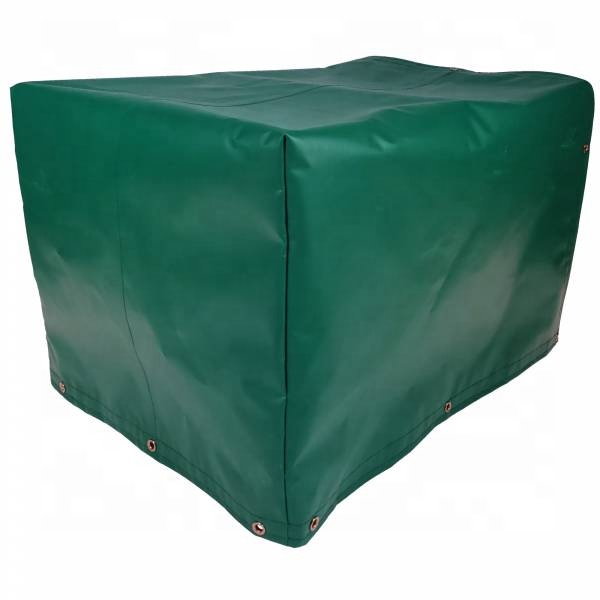
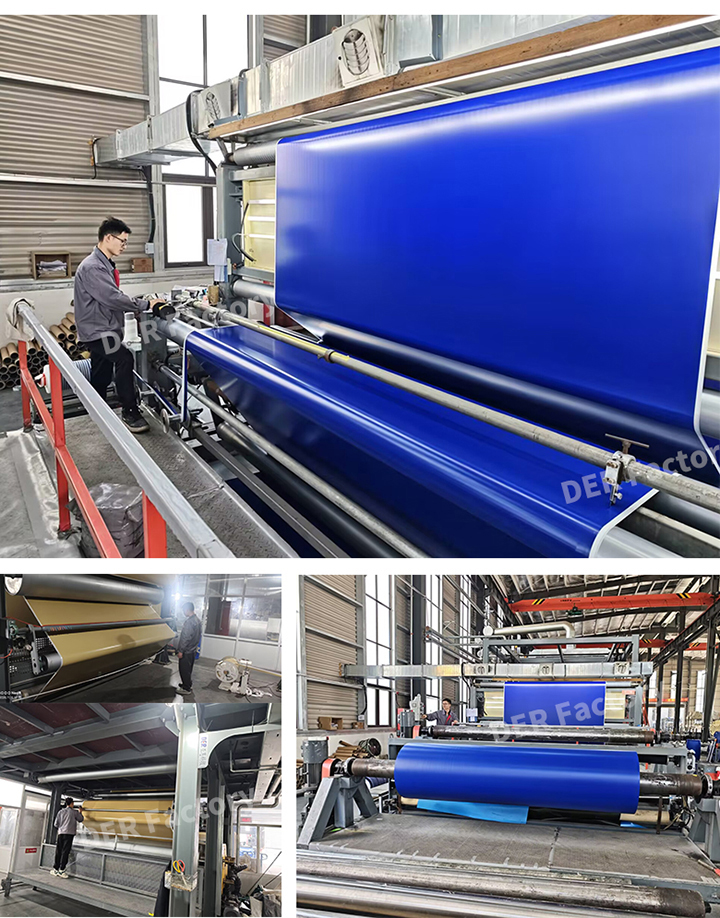
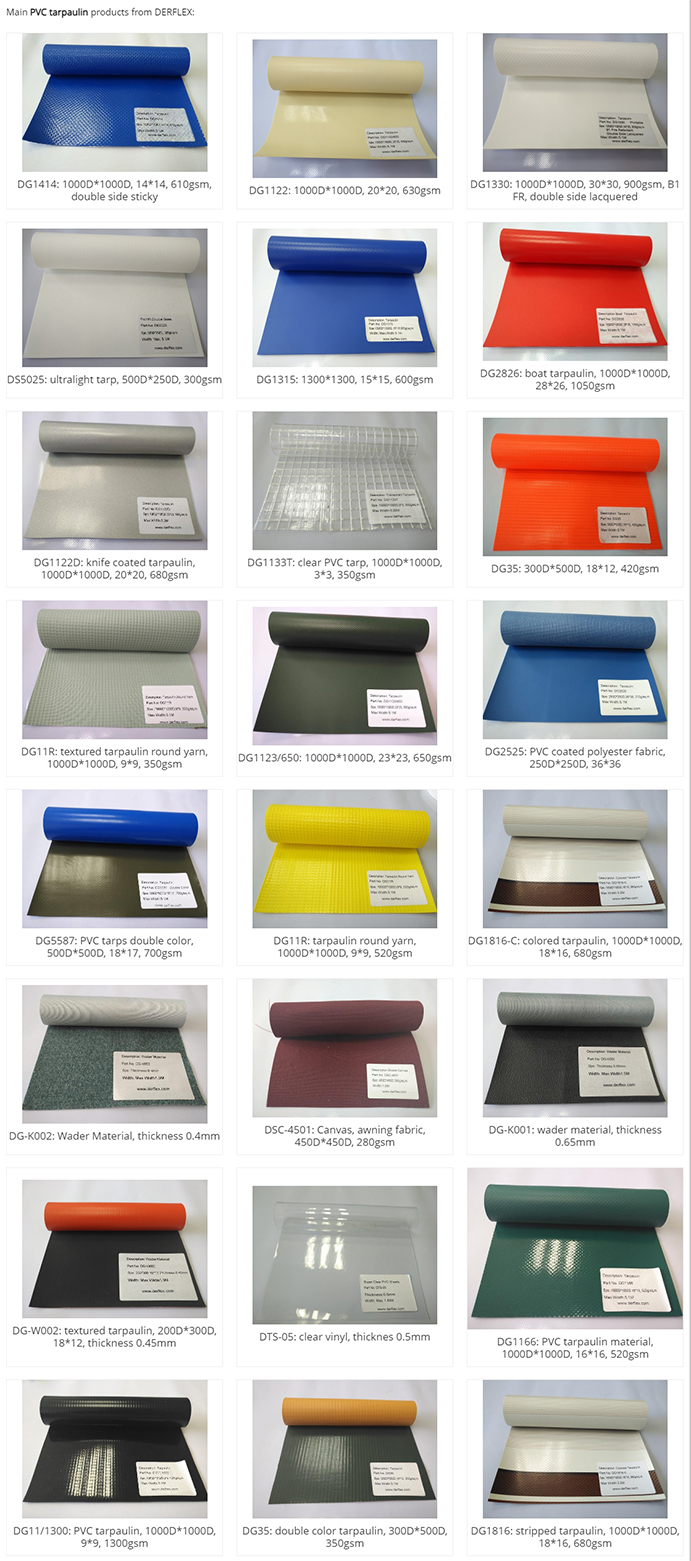
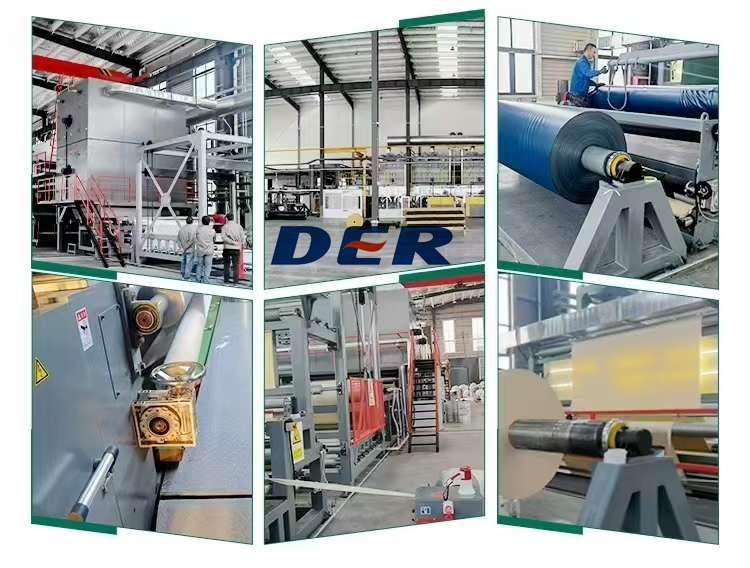
Actual DERFLEX-hosted images are used so buyers can see the finished-cover direction, reinforced details, coated material production and material range.

How to Measure

Measure the loaded pallet—not the empty pallet

The most common sizing error is sending only the nominal pallet footprint. A fitted cover must be designed around the largest real load profile, including bulging cartons, top caps, bands, protrusions and the intended lower edge.

Pallet cover length width height measurement diagram Diagram showing maximum loaded length, width and height for a pallet cover quotation. Maximum Loaded Length (L) Loaded Height (H) Loaded Width (W) CUSTOM FITTED COVER Measure the largest real load profile

Measurement worksheet

  1. Measure maximum loaded length. Include overhang, bulging cartons, corner boards and protrusions.
  2. Measure maximum loaded width. Use the widest point of the packed load, not the pallet deck only.
  3. Measure height from the intended lower edge. Tell DERFLEX whether the cover should stop above the pallet deck, cover the pallet side or extend below it.
  4. Mark access and handling zones. Note forklift pockets, label locations, scan points, doors, flaps or areas that must remain accessible.
  5. Identify sharp and high-abrasion points. Photos are valuable for locating corner guards, bands, steel edges or repeated rubbing.
  6. Send one photo or drawing. For irregular loads, a simple annotated image can prevent more fitting errors than a long written description.
Do not add a universal “fit allowance” yourself. Required clearance changes with material stiffness, seam construction, access features and how workers install the cover. Supply the true loaded dimensions and let the final pattern be confirmed during sample approval.
Applications

Where reusable pallet covers create the most value

The same PVC pallet tarp can perform differently in a clean warehouse, exposed yard or high-turnover manufacturing loop. The cover should follow the actual workflow.

01

Warehouse WIP

Color-coded fitted covers for work-in-process pallets, incoming components and finished goods moving repeatedly between production and storage zones.

02

Outdoor Industrial Yards

Weather-oriented PVC covers with welded seams, reinforced lower perimeter and controlled tie-downs for palletized parts, materials and packaged components.

03

Loading & Export Staging

Temporary protection while palletized cargo waits at loading docks, distribution hubs, ports or project sites before the next transport stage.

04

Construction Materials

Reusable protection for bagged materials, packaged hardware, fixtures and site inventory where irregular shapes, abrasion and weather exposure must be considered.

05

Returnable Logistics

Repeat cover programs for internal loops where the same pallet families, racks or transport packaging move between facilities and can return with the cover.

06

Distributor / OEM Programs

Standardized size ranges, colors, logos, ID markings, accessories and private-label packing for local industrial-cover portfolios.

Engineering Notes

Design around the six common failure modes

A thicker fabric does not automatically solve a bad cover system. Identify how the cover is likely to fail, then design the material and fabrication around that risk.

1. Water pooling on the top

Flat low points collect water, increase load on seams and can drive leakage at openings. Shape the top to shed water and avoid depressions created by loose fit.

2. Wind uplift at the lower edge

Large loose skirts can act like sails. Use enough secure points and transfer tension through reinforced hems, webbing, D-rings or straps rather than isolated grommets.

3. Corner abrasion

Repeated rubbing over sharp carton corners, steel bands or pallet edges can wear through coating. Add local wear patches or protect the load before the cover is installed.

4. Condensation mistaken for a leak

A waterproof outer cover can reduce airflow. Moisture-sensitive goods may require a separate plan using protected ventilation, desiccant, VCI or inner packaging.

5. Hardware pull-out

Eyelets or straps fail when load is concentrated in a small area. Reinforcement should spread tension into a larger fabric zone and match the real anchor layout.

6. Workflow damage

Forklift contact, dragging on concrete and hurried removal can damage an otherwise strong cover. The best program includes fit, access and handling instructions as part of the specification.

Material Comparison

PVC vs PE vs disposable plastic pallet covers

Material choice should follow reuse cycle, exposure and handling. If you are comparing coated tarpaulin materials more broadly, see DERFLEX’s PVC vs PE tarpaulin guide.

Cover DirectionReuse PotentialWeather / Water DirectionCustom FabricationBest Fit
PVC-coated reusable coverDesigned for repeated installation when properly handled and maintainedWaterproof material surface; finished protection depends on seams, openings and installationHigh: fitted hoods, welds, reinforcement, zippers, pockets, straps, printingRecurring warehouse, outdoor staging, industrial and OEM programs
Heavy-duty PE coverCan be reused depending on grade and handlingWeather protection with lower weight; construction varies by gradeModerateCost-controlled storage and lighter-duty programs
Disposable poly cover / bagGenerally single or limited useTemporary dust / moisture barrier; easily punctured compared with reinforced tarp coversLow to moderateOne-way shipping, temporary protection, low handling cycles
Insulated / thermal systemVaries widely by constructionDesigned primarily for temperature buffering rather than only weather blockingApplication specificTemperature-sensitive logistics where thermal performance is the main requirement
Procurement Tool

Compare pallet cover cost per completed use

A reusable cover should not be judged by purchase price alone. Track successful reuse cycles, cleaning / handling cost and the disposable alternative to compare the real program economics.

Simple reuse economics estimator

Enter your own values. This tool does not predict service life; it only calculates the economics from the assumptions you provide.

Reusable cost per use$5.00
Disposable cost over same cycles$175.00
Reusable program cost over same cycles$125.00
Simple break-even point17 cycles

Formula: reusable cost/use = purchase cost ÷ completed reuse cycles + handling/cleaning cost per cycle. Break-even is shown only when disposable cost per shipment is greater than reusable handling/cleaning cost per cycle. Repair, loss, damage, labor and disposal costs can be added to your internal business case separately.

Sample Approval

Approve the cover as a system before bulk production

A good pre-production sample should prove more than color and dimensions. It should show how the cover fits, opens, drains, anchors, folds and interacts with the actual pallet workflow.

1

Fit Check

Install the sample over a fully loaded pallet and confirm the largest real profile, lower edge and clearance.

2

Access Check

Open zippers, flaps or hook-and-loop panels with gloves if that reflects the real work environment.

3

Drainage Check

Confirm the top geometry does not create obvious water-collecting pockets in the installed condition.

4

Anchoring Check

Verify straps, eyelets or D-rings line up with safe attachment points and do not interfere with lifting.

5

Stress-Zone Check

Inspect where the sample contacts corners, bands, fork zones or abrasive edges; add local reinforcement if needed.

6

Handling Check

Remove, fold, carry and reinstall the sample to see whether weight, stiffness and hardware work for operators.

7

ID / Print Check

Confirm logo location, size code, labels, document pocket and any scan / identification requirements.

8

Golden Sample

Record the approved construction, dimensions, details and packing so repeat orders reference a controlled standard.

Common Procurement Mistakes

Six mistakes that shorten pallet-cover life or create fitting problems

For broader tarp purchasing logic, DERFLEX’s heavy-duty tarp buying guide explains why base fabric, seams, reinforcement and hardware should be assessed together.

Measuring the empty pallet only

Nominal pallet dimensions ignore the real loaded profile. Bulging cartons, top caps and protrusions can make a “standard” size too tight.

Buying by GSM alone

Extra weight does not correct poor seam placement, weak hems, sharp-corner abrasion or badly positioned hardware.

Calling the fabric waterproof and stopping there

Openings, overlap, top shape and installation can still create leak paths even when the coated fabric surface is waterproof.

Ignoring condensation

Waterproof outer protection can reduce airflow. Internal moisture control may be required for corrosion- or humidity-sensitive goods.

Under-reinforcing lower fastening zones

Wind and tie-down force act repeatedly at the perimeter. Hardware should transfer load into reinforced fabric rather than isolated holes.

Not tracking reuse failures

Without a simple record of tears, abrasion, lost covers and repair events, procurement cannot improve the next batch or compare true cost per use.

RFQ Checklist

What to send for an accurate pallet cover quotation

The fastest route to a useful specification is a complete RFQ. Send the real load geometry, environment and operating details so the cover can be designed around the actual use cycle.

Load & Geometry

  • Pallet footprint and deck height
  • Largest loaded dimensions
  • Sharp corners or protrusions
  • Single pallet or grouped loads

Environment

  • Indoor / covered / fully outdoor
  • Rain, sun, wind or cold
  • Coastal / chemical contamination
  • Condensation sensitivity

Finished Cover

  • Material / GSM direction
  • Eyelets, straps or D-rings
  • Zipper, flap, vent or pocket
  • Color, logo and ID markings

Commercial Details

  • Quantity / size breakdown
  • Sample / approval process
  • Required test or standard
  • Packaging and destination
Why Work With DERFLEX

A pallet-cover program should be repeatable from sample to bulk order

DERFLEX works from coated material selection through finished-cover details, helping B2B buyers define a repeatable construction rather than relying on an off-the-shelf one-size cover.

For distributors and private-label programs, custom size families, colors, markings, accessories and packaging can be discussed as part of one controlled specification. See DERFLEX OEM and private-label tarp manufacturing for repeat-order program considerations.

What can be controlled in the specification

  • Coated textile structure and project-matched weight direction
  • Loaded dimensions, shape, skirt and access layout
  • Welded / sewn seams and stress-zone reinforcement
  • Eyelets, D-rings, straps, webbing, buckles and drawcords
  • Color coding, logo printing, ID marks and document pockets
  • Sample approval, bulk-order reference and packaging details
Buyer Questions

Pallet Covers FAQ

Direct answers to the questions buyers most often need before measuring, comparing materials and requesting a custom quotation.

What are pallet covers used for?

Pallet covers protect palletized goods during storage, handling, staging or transport. Depending on the material and design, they can reduce exposure to rain, dust, sunlight, dirt and handling contamination. Reusable industrial covers are often custom fitted to repeatable pallet profiles.

Are PVC pallet covers waterproof?

PVC-coated fabric provides a waterproof material surface. Finished weather protection still depends on seam construction, openings, overlap, top shape, fastening and installation. For critical rain exposure, specify the complete cover system rather than only the sheet material.

Are reusable pallet covers better than stretch wrap?

They solve different problems. A reusable pallet cover provides repeated outer protection and can include reinforced access features. Stretch wrap is commonly used to unitize and stabilize the load. In many industrial workflows they can be used together rather than treated as direct substitutes.

How do I measure for a custom fitted pallet cover?

Measure the maximum loaded length, width and height—not only the empty pallet. Include bulges, top caps, straps and protrusions, and state where the lower edge should finish. For irregular loads, send a photo or drawing and identify access or forklift-clearance requirements.

Can pallet covers include zippers, document pockets, vents and logo printing?

Custom programs can include access zippers or flaps, hook-and-loop, buckles, document pockets, handles, protected vents, color coding, logos, ID markings and private-label packing, subject to the selected material and fabrication method.

How do I reduce condensation under a waterproof pallet cover?

First separate external rain leakage from internal condensation. Moisture-sensitive goods may need protected ventilation, spacing, desiccant, VCI, inner liners or a revised storage process. A waterproof outer cover alone does not control internal humidity.

How should reusable pallet covers be secured outdoors?

Stabilize the load first, then distribute cover tension through reinforced hems, webbing, straps, D-rings or multiple eyelets connected to suitable anchor points. Avoid relying on only one or two isolated grommets, and inspect the installation after significant weather events.

Can a damaged PVC pallet cover be repaired?

Depending on the fabric, damage location and failure type, compatible patching or welding may be possible. Damage near major hardware, extensive seam failure or broad coating deterioration should be assessed before the cover is returned to service.

Custom Pallet Cover RFQ

Turn your pallet dimensions into a repeatable cover specification

Send DERFLEX the loaded size, goods type, indoor / outdoor environment, reuse frequency, preferred material direction, fastening points, access features, quantity, branding and destination. A photo or drawing is recommended for fitted or irregular covers.

Technical information on this page is for preliminary selection. Final performance depends on the agreed material, finished-cover design, load packaging, weather exposure, installation, anchoring, maintenance and applicable test requirements.

DERFLEX · Custom PVC coated fabric and reusable industrial cover solutions
Copyright © 2015 DERFLEX ( PVC tarpaulin manufacturer )All Rights Reserved.