


PVC Tarpaulin Tensile Strength
A tensile figure is useful only when the test method, specimen width and fabric direction travel with it. Learn how tensile breaking strength is measured, why warp and weft differ, and how to write a purchasing requirement that is comparable across PVC-coated fabric suppliers.
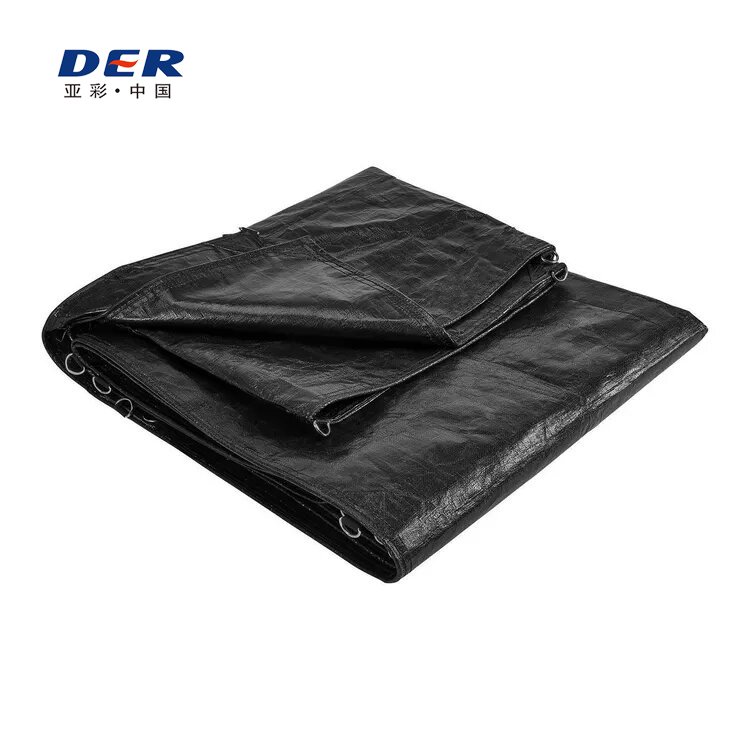
PVC tarpaulin tensile strength is the force needed to break a defined coated-fabric specimen under a stated tensile procedure. Reports commonly distinguish machine or warp direction (MD) from cross or weft direction (CD). ISO 1421:2016 provides strip and grab routes; results must be compared using matching routes, geometry, units and conditioning.
Test method, scope and buyer meaning
What the laboratory measures, where the method applies and why the test procedure must accompany every strength or endurance number.
ISO 1421:2016 addresses tensile strength and elongation at break for rubber- or plastics-coated fabrics. One set of grips pulls a standardized specimen until break, but strip and grab methods engage the fabric differently. The maximum force, failure type and elongation belong to that specific setup. ASTM D751 also includes coated-fabric breaking procedures; the named procedure matters more than a vague 'ASTM tested' label.
A reported value such as 'N/5 cm' conventionally communicates force measured with a stated strip width. It is not a universal stress in N/mm². Confirm whether a report shows force, force per specified width or a tensile stress calculated using thickness and area. Do not convert an unqualified force number between methods.
Machine direction often aligns with the production travel and warp yarns, while cross direction aligns with the weft. A balanced design is not necessarily one with identical MD and CD values; the correct balance depends on fabrication orientation and loading.
Capture initial and conditioned results separately. Elevated temperature, moisture, ageing, folds or a welded seam may change actual assembly behavior. A flat-fabric tensile pass does not approve grommet pull-out, seam strength, tear propagation or long-term fatigue.
Primary reference methods
| Standard / open reference | Purpose | Procurement interpretation |
|---|---|---|
| ISO 1421:2016 | Tensile / elongation at break | Specify strip or grab and MD/CD orientation. |
| ASTM D751 | Coated-fabric breaking strength methods | Name the particular procedure and edition. |
| ISO 4674-1:2016 | Complementary tear resistance | Tensile is not a substitute for tear. |
The links are to official standards catalogs. They identify the published scope; use the licensed full text and contract edition for laboratory execution.
Units, readings and reporting
A test result is a number plus its method, specimen, condition, direction and acceptance rule. Require all of those fields in a supplier comparison.
| Report field | Typical unit / expression | How the buyer reads it |
|---|---|---|
| Breaking force | N, kN, lbf; often N per stated strip width | Peak force before rupture; check specimen width and route. |
| MD / warp | Force in stated test unit | Strength in production/warp orientation. |
| CD / weft | Force in stated test unit | Strength across the fabric width. |
| Elongation at break | % | Extension at rupture, with gauge length and method. |
| Failure location | Reported observation | Grip slippage, jaw break or yarn break may affect validity. |
Requirements differ by application
Use the failure mode—not the headline GSM—to determine which property deserves the most attention and which assembly details need independent approval.
| End use | What to prioritize | Main risk | Buyer action |
|---|---|---|---|
| Truck side curtains | Directional tension over the whole panel | Repeated tension during fastening and travel | Set MD/CD minima and curtain orientation in the cutting plan. |
| Temporary outdoor shelters | Panel membrane loading | Distributed tension and structural movement | Coordinate with design loads and seam/connector tests. |
| Large industrial covers | Pulling and installation load | Handling without uniform load distribution | Evaluate grip points and corner reinforcement separately. |
| Inflatable or flexible assemblies | Tensile plus seam and fatigue behavior | Repeated cyclic loading | Test a relevant assembly, not only untouched fabric. |
How GSM, denier and coating affect performance
PVC tarpaulin is a system of coating, polyester reinforcement and surface finish. No single construction number substitutes for the finished-material test.
Base yarn
Yarn linear density (denier), tensile grade and processing influence how much load the textile skeleton can carry. Denier is a mass-per-length measure, not a breaking-strength number.
Weave architecture
Yarn count, weave type, crimp and tension determine how many load-bearing filaments take force in each direction. Equal denier does not guarantee equal MD/CD values.
PVC coating
Coating binds and protects yarns, changes load transfer and affects flexibility; additional GSM from PVC alone may contribute little to a required tensile minimum.
Fabric conversion
Welding, cutting angles, stitch holes and grommets interrupt the load path. Obtain separate seam and attachment requirements for finished goods.
Simplified construction diagram for buyer education. Layer number and composition vary by grade; this is not a cross-section or verified test result.

Common defects and receiving inspection
Inspection should record actual defect locations, confirm the approved reference and distinguish visual observations from standard-test results.
Unexpectedly low CD result
Recheck orientation, thread density, lab setup and whether the approved construction was supplied.
Grip-region fracture
Review test validity, gripping and specimen preparation before treating the peak as an accurate material result.
Uneven tension across a sheet
Inspect roll distortion, weave alignment and cutting direction; document location in the delivered roll.
High GSM but weak fabric
Compare scrim denier/tenacity and number of load-bearing yarns, rather than attributing the difference only to PVC weight.
How to qualify the grade before bulk purchase
Link test evidence to the actual roll specification and to the way the material will be converted and used.
State the loading case
Tell DERFLEX whether load is along the roll, across the width, intermittent or through a welded/fastened edge.
Specify the method
Choose the ISO 1421 method or a named ASTM D751 procedure; define MD/CD minimum, unit and conditioning.
Approve a reference sample
Use a traceable preproduction reference with the same construction, color and finish as intended for purchase.
Link fabric and assembly
Add seam, hem or grommet tests separately wherever the delivered item is a converted tarp.
DERFLEX documentation, TDS and sample discussion
Ask which grade-specific technical data sheet, representative sample and test evidence may be available for the proposed construction. Availability, report coverage, sample charges, sampling locations, independent-laboratory work and issue dates must be confirmed in the quotation and approval documents. This page does not claim that DERFLEX already holds a particular passing report for every product or lot.
For an efficient technical enquiry, include the following:
- End use, exposure and intended market
- GSM, base yarn and construction if known
- Roll width, color, finish and quantity
- Named test methods and minimum acceptance limits
- Seam, hem, eyelet or conversion drawings
- Required TDS, sample and inspection evidence
Tensile Strength — FAQ
Concise answers for procurement teams preparing a test plan, sample approval or comparison of supplier technical data.
What is a good tensile strength for PVC tarpaulin?
There is no single universal minimum. The correct requirement depends on use, direction, attachment design and test procedure; state an application-specific acceptance value in the purchase specification.
What do MD and CD mean?
MD is the machine or warp direction; CD is the cross or weft direction. Both are needed because woven coated fabrics may be directional.
Is N/5 cm the same as N?
They can describe related force measurements, but N/5 cm signals a stated specimen-width basis. You must retain the method and width before comparing values.
Does higher denier mean higher tensile strength?
Not necessarily. Yarn tenacity, density, weave and coating system affect results in addition to denier.
Can tensile strength predict tear strength?
No. Tensile measures broad specimen breakage, while tear tests the propagation of a cut or rupture. Both may be needed.
Should tensile be retested after UV exposure?
For critical outdoor use, the agreed test plan can include retained tensile performance after specified exposure. Exposure cycle and acceptance end point must be recorded.