PVC-Coated Polyester Fabric
A reinforced polyester scrim with PVC coating is a practical route for waterproof panels that need welding, cleaning, custom color, edge reinforcement and repeatable roll conversion.
 News
News

DERFLEX supplies pool cover fabric and material directions for buyers developing solid waterproof covers, solar / thermal covers, seasonal protection products and OEM pool-cover programs.
Start with the finished cover function, then define material structure, roll width, weight or thickness, UV exposure, welding process, water-management method, color, quantity and destination-market requirements.
Pool cover fabric is the sheet or reinforced textile used to make solid, solar, safety, seasonal or other swimming pool covers. Common material families include PVC-coated polyester for strong, waterproof and weldable solid covers, polyethylene bubble material for solar / thermal covers, and mesh structures when drainage is a priority. For B2B sourcing, the right choice should be based on cover function, fabrication method, UV exposure, water management and finished-product requirements rather than thickness alone.
“Pool cover fabric” is a broad commercial term. Before comparing price, buyers should define what the finished cover is expected to do.
A reinforced polyester scrim with PVC coating is a practical route for waterproof panels that need welding, cleaning, custom color, edge reinforcement and repeatable roll conversion.
Bubble-style polyethylene cover material is selected when solar gain, evaporation reduction and lighter handling are more important than the reinforced construction used in heavy solid covers.
Mesh materials are used when rainwater drainage and lighter handling are priorities. Mesh aperture, shade level, reinforcement and finished-cover requirements should be specified as a separate route.
Use the finished application to narrow the material route before asking for weight, thickness or price.
| Decision factor | PVC-coated polyester | PE bubble material | Mesh cover material |
|---|---|---|---|
| Typical objective | Solid waterproof protection, debris exclusion, custom welded covers | Solar / thermal cover, evaporation and heat-retention support | Drainage-focused seasonal or safety-cover systems |
| Water behavior | Creates a solid water barrier; standing water needs a planned removal method | Floats on or closely follows the water surface depending on cover design | Allows water to pass through depending on mesh construction |
| Fabrication route | RF / high-frequency or hot-air welding direction; sewing and reinforcement where required | Cutting and joining route depends on bubble construction and converter process | Often sewn and webbing-reinforced; details depend on the finished cover system |
| Key specification variables | Scrim, weight, thickness, coating, width, UV package, color, weldability, reinforcement | Bubble structure, film construction, width, color, UV package and thermal objective | Fiber / polymer, mesh density, shade / drainage behavior, strength, webbing and hardware integration |
| Main procurement risk | Buying by thickness alone or ignoring water accumulation and seam design | Assuming every bubble cover has the same thermal and outdoor-life behavior | Assuming mesh automatically meets a safety requirement without finished-system verification |
The values below come from existing DERFLEX pool-cover material references. They are useful sourcing directions, not a substitute for an approved project specification.
| Specification item | Existing DERFLEX pool-cover reference | What the buyer should confirm |
|---|---|---|
| Material route | PVC tarpaulin / PVC-coated polyester fabric | Solid cover function, expected handling, outdoor exposure and fabrication route |
| Base fabric | 1000D × 1000D, 20 × 20 reference construction | Tensile / tear targets, panel size, seam layout and reinforcement plan |
| Weight | 15–18 oz/yd² reference direction | Do not select weight without considering scrim, coating, span and handling |
| Thickness | Approx. 0.3 / 0.4 / 0.5 mm reference options | Confirm together with weight and mechanical performance |
| Roll format | 3.2 m × 50 m existing reference | Required roll width, converter table size, seam count, freight and cutting yield |
| Color | Blue reference; custom color direction available by project | Top / back color, matching method, light blocking and repeat-order tolerance |
| Tensile reference | >2000 N/5 cm on an existing DERFLEX pool-cover reference | Confirm the final grade and test method on the approved technical sheet |
| Temperature reference | Existing reference direction: -30 °C to 70 °C | Confirm climate, folding / storage conditions and final grade |
| Fabrication | Hot-air / RF welding direction for PVC-coated polyester | Approve a production-representative weld sample before bulk conversion |
| PE bubble route | DERFLEX also lists a bubble tarpaulin swimming-cover material reference | Confirm film / bubble structure, roll specification, UV direction and thermal objective |
Final dimensions, material code, performance values, color tolerance, packing and acceptance method should be frozen on an approved sample or technical specification before production.
A coated textile works as a composite: the textile reinforcement carries load while the coating provides the continuous surface needed for waterproofing, cleaning, color and welding.
The PVC layer provides the continuous barrier surface and influences color, cleanability, abrasion behavior, outdoor formulation and welding characteristics.
Yarn size and weave density influence tensile strength, tear behavior, dimensional stability and how the material carries loads toward seams and reinforced edges.
The reverse side can be developed around color, surface handling and the approved pool-cover specification. The exact construction should be confirmed for the selected grade.
Different buyer types need different material priorities, even when all of them search for “pool cover fabric.”
| Application / buyer | Recommended sourcing direction | Priority checks before order |
|---|---|---|
| Pool-cover OEM / converter | PVC-coated polyester roll program when solid waterproof welded covers are required | Weld window, roll width, seam yield, color consistency, surface, packaging and repeat-order control |
| Hotel / resort seasonal closure | Solid coated material where debris and light exclusion are priorities | Water-removal plan, large-panel handling, perimeter reinforcement and climate |
| Solar / thermal cover producer | PE bubble material route | Bubble construction, UV exposure, roll dimensions, color and thermal objective |
| Commercial or institutional pool | Material selected from the finished cover design and applicable project requirements | Pool geometry, installation system, documentation, maintenance and any finished-cover standard |
| Safety-cover brand | Use a dedicated safety-cover material / system specification rather than a generic pool tarp | Finished-system testing, seams, webbing, anchors, drainage, labels and installation instructions |
| Automatic-cover program | Material must be matched to the complete mechanism and finished-cover design | Roll-up behavior, flexing, seam orientation, track / hardware interaction and project acceptance criteria |
Material selection and finished-cover fabrication should be planned together.
A clearer RFQ reduces the risk of comparing products that look similar on a spreadsheet but behave differently in fabrication and service.
Price is not comparable until the cover type, substrate, weight / thickness, width, coating or bubble structure, color, fabrication route and quantity are defined.
Similar thicknesses can hide different scrims and coating constructions. Compare base fabric, weight, mechanical requirements and welding behavior together.
Solar covers, solid waterproof covers, drainage mesh covers and safety-cover systems solve different problems and need different specification logic.
For an OEM roll program, color approval should be accompanied by a weld or fabrication trial, especially before repeat production is standardized.
A complete brief helps the supplier recommend the material route before quoting the wrong construction.
These images are existing DERFLEX website assets and can support product, application and image-search visibility for this page.
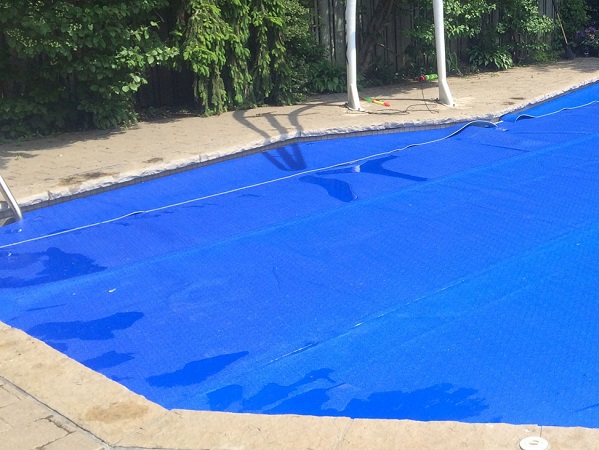
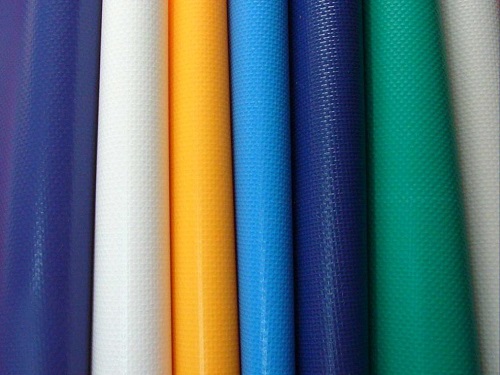
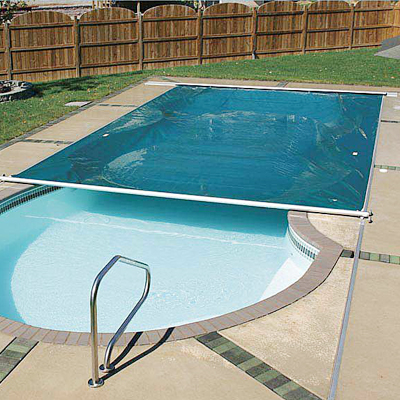
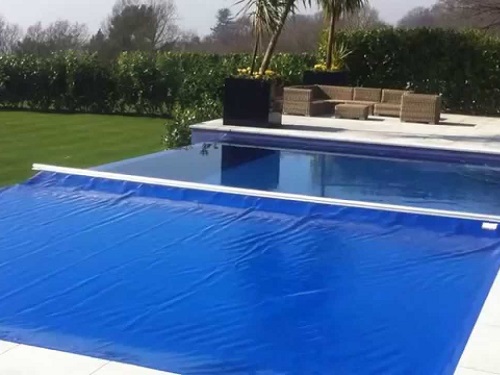
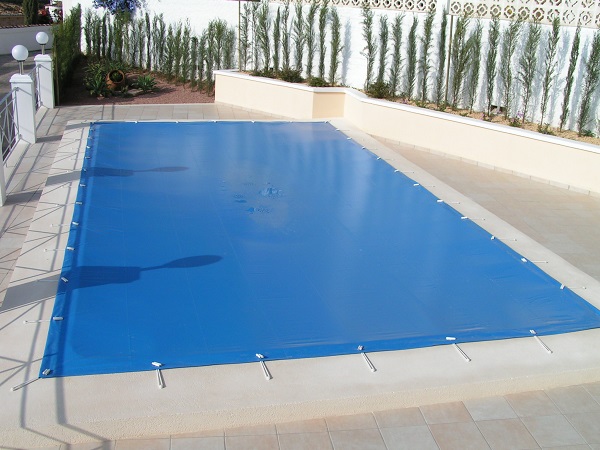
DERFLEX already maintains pool-cover references covering PVC-coated polyester and bubble-cover material, so the sourcing discussion can start with the intended cover system rather than a generic plastic sheet.
Existing DERFLEX pages list both PVC-coated pool-cover material and a bubble tarpaulin swimming-cover material route, allowing the buyer to separate solid and thermal-cover objectives.
Roll width, welding method, seam count, cutting yield, color, surface and packaging can be discussed together for OEM and converter programs.
Final material code, dimensions, performance values and commercial requirements can be frozen through sampling and an approved technical specification rather than assumed from a generic page.
These verified DERFLEX pages separate safety-cover engineering, finished tarp supply and related PVC roll-material sourcing.
Direct answers to common material-selection and procurement questions.
There is no single best pool cover fabric for every design. PVC-coated polyester is a strong route for solid waterproof and welded covers; PE bubble material is used for solar / thermal covers; mesh is chosen when drainage and lighter handling are priorities. The finished cover function should decide the material.
PVC-coated polyester uses a woven reinforcement plus a PVC surface, making it suitable for solid, reinforced and weldable covers. PE bubble material is a lighter film-based route associated with solar / thermal covers and evaporation reduction. They solve different pool-cover objectives.
A continuous PVC-coated polyester fabric is used as a waterproof barrier material for solid pool covers. Finished-cover water resistance also depends on seams, penetrations, edges, hardware zones and the way rainwater is managed on top of the cover.
Thickness should not be selected alone. Existing DERFLEX pool-cover references include approximately 0.3–0.5 mm and 15–18 oz/yd² directions with a 1000D × 1000D, 20 × 20 polyester reference construction. The final grade should be matched to span, handling, reinforcement, welding and finished-cover requirements.
PVC-coated polyester is commonly selected for RF / high-frequency and hot-air welding. Actual weld quality depends on coating formulation, thickness, equipment, tooling, seam width and settings, so buyers should approve a production-representative weld sample before bulk conversion.
No. Waterproofing is only one material property. A safety cover depends on the complete finished system, including fabric, seams, webbing, attachments, anchors, openings, drainage, installation and any required testing or labeling in the destination market.
Send the cover type, roll or finished-cover requirement, reference material or target construction, weight / thickness if known, roll width, color, fabrication method, UV / climate conditions, quantity, packaging, destination and any finished-product test or compliance requirement.
Send DERFLEX your pool-cover type, target material, reference sample or specification, roll width, weight / thickness, color, welding or fabrication route, quantity, destination and any finished-product requirements. The team can review whether a PVC-coated polyester or PE bubble material direction fits the program.
Request a Quote