


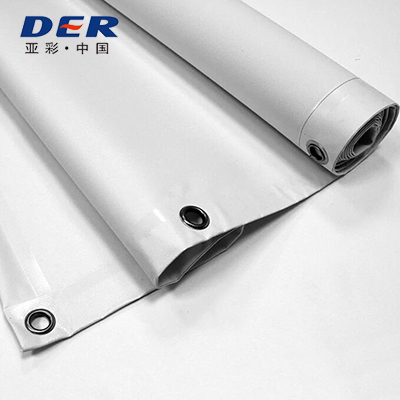
Waterproof Tent Fabric for Event Tents, Glamping Structures, Marquees, and Custom Shelter Systems
DERFLEX supplies tent fabric for buyers who need more than a basic textile roll. We support event tent manufacturers, glamping tent brands, marquee system suppliers, warehouse shelter builders, industrial shelter contractors, tent cover converters, distributors, and OEM procurement teams looking for waterproof tent fabric that is durable, weather-resistant, fabrication-friendly, and suitable for long-term commercial use.
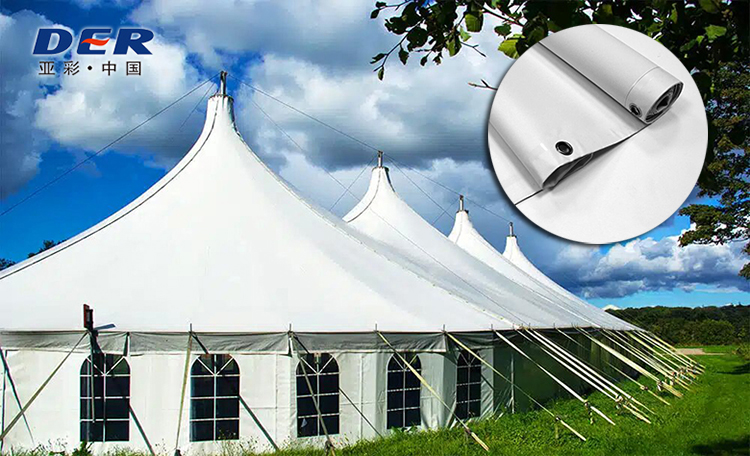
In real procurement, tent fabric is not selected only by appearance. Buyers also care about waterproofing, UV resistance, flame-retardant direction, tensile strength, weldability, dimensional stability, anti-mildew performance, service life, and whether the supplier can support OEM / custom specifications with stable repeat-order quality. That is why choosing the right tent fabric manufacturer or supplier matters far more than choosing the lowest-cost material quote.
What Is Tent Fabric?
Tent fabric is the structural and protective material used to form tent roofs, sidewalls, entrances, windows, canopies, and shelter enclosures. In commercial procurement, tent fabric is often a coated textile engineered to combine waterproofing, strength, flexibility, and outdoor durability. The most common higher-performance option is PVC coated polyester tent fabric, which is widely used for event tents, glamping tents, industrial shelters, temporary warehouses, emergency shelters, exhibition tents, and custom architectural tent applications.
Buyers researching tent fabric are often also searching for waterproof tent fabric, PVC tent fabric, event tent material, glamping tent fabric, marquee tent fabric, and tent roof fabric. These search phrases may differ slightly, but the commercial need is similar: they want a material that can help the final tent product remain visually attractive, structurally reliable, and practical in long-term outdoor service.
A high-quality tent fabric should not only resist rain. It should also manage UV exposure, wind pressure, repeated folding or installation, surface cleanliness, and compatibility with the fabrication method used by the tent manufacturer. That is why tent fabric selection is best handled by a supplier who understands the final use scenario rather than only the raw material roll.
Why Buyers Prefer Manufacturer-Level Tent Fabric Supply
- They need a material matched to the finished tent design, not just a generic coated fabric roll.
- They care about waterproofing, durability, flame-retardant direction, and fabrication compatibility together.
- They want OEM and custom options for roof fabric, sidewall fabric, color, and branding.
- They need more stable batch quality for recurring tent projects and long-term product programs.
- They want better communication about certification, lead time, and application fit.
- They may be comparing adjacent materials such as PVC coated polyester fabric, waterproof coated fabric, and heavy duty outdoor fabric.
DERFLEX also maintains relevant material pathways for PVC coated polyester fabric, waterproof PVC coated fabric, and vinyl coated polyester fabric, which are directly relevant to tent fabric sourcing.
Need tent fabric for roof systems, sidewalls, shelters, or branded OEM tent programs?
Send your target application, tent type, required gsm, width, roof or sidewall use, fire-retardant requirement, destination climate, and estimated order quantity. DERFLEX can recommend a more suitable tent material structure.
Key Features of High-Performance Tent Fabric
1. Waterproof Protection
Tent fabric must provide dependable waterproof protection for roof and wall systems. In event, hospitality, and industrial tent applications, water ingress is one of the most important failures to avoid.
2. UV and Weather Resistance
Outdoor tents face sunlight, temperature changes, wind, and long-term environmental exposure. A quality tent fabric supplier should support material with better outdoor aging behavior and surface stability.
3. Tensile Strength and Dimensional Stability
Tent structures rely on tension and stable geometry. The fabric must work with the frame or support system rather than distort too easily under stress, wind load, or repeated installation.
4. Flame-Retardant Direction
Many event tents, exhibition tents, shelters, and commercial installations require fire-retardant or certification-related discussion, making this an important buying factor for serious tent projects.
5. Fabrication Compatibility
Tent fabric should work well with cutting, welding, sewing, reinforcement, keder systems, window integration, and sidewall assembly. Material behavior during fabrication matters as much as raw performance.
6. Surface Cleanliness and Appearance
Tent products often need a clean visual finish, especially in event, hospitality, and glamping markets. Surface feel, gloss level, whiteness, and easy-clean direction can influence the final product value.
7. OEM / Custom Flexibility
Buyers may need different roof and sidewall structures, custom colors, translucent options, logo printability, or market-specific material positioning. Custom tent fabric support is often a competitive advantage.
8. Repeat-Order Reliability
Tent manufacturers, distributors, and project suppliers need stability across orders. A repeatable tent fabric program helps avoid production adjustment, project delay, and inconsistent product presentation.
Technical Specifications of Tent Fabric
Different tent systems require different material levels. A glamping tent fabric, a marquee roof material, and a warehouse shelter cover do not always use the same gsm or surface logic. The table below is designed for practical sourcing and technical discussion.
| Product Name | Tent Fabric / PVC Tent Fabric / Waterproof Tent Fabric |
|---|---|
| Main Structure | PVC coated polyester fabric / vinyl coated polyester fabric for tent applications |
| Typical Weight Range | 450gsm, 550gsm, 650gsm, 750gsm, 850gsm, 900gsm, or custom according to tent type |
| Typical Width | 1.02m to 3.20m standard range, with project-based discussion for wider structures |
| Surface Options | Glossy, matte, lacquered, printable, clean-surface, custom visual direction available |
| Main Properties | Waterproof, UV-resistant, weather-resistant, tear-resistant, durable, tent-fabrication friendly |
| Optional Performance | Flame-retardant direction, anti-mildew, anti-fungal, cold-resistant, high-whiteness, custom surface |
| Fabrication Direction | Welding, sewing, reinforcement, keder integration, roof and sidewall conversion |
| OEM Support | Custom gsm, width, roof/sidewall direction, color, packaging, and repeat-order supply support |
| Supply Model | Manufacturer / Supplier / OEM / Custom / Project supply / Wholesale cooperation |
How Buyers Usually Choose the Right Tent Fabric
The best tent fabric depends on the structure and commercial goal. Lighter structures may work for more flexible tent applications, while stronger and heavier materials are often preferred for marquee roofs, warehouse shelters, and demanding outdoor installations.
- 450–550gsm direction often suits lighter tent covers and more flexible handling needs.
- 650–750gsm direction is widely chosen for general event tent and shelter use.
- 850–900gsm direction is often preferred for more demanding structural or heavy-duty tent applications.
- Custom structure is best when roof, sidewall, translucency, fire-retardant, or branding requirements are more specific.
Buyers comparing nearby material directions often also review heavy duty PVC fabric and PVC coated polyester fabric before confirming tent-fabric specifications.
Tell DERFLEX whether you need roof fabric, sidewall fabric, or a full tent material program
That one detail can quickly narrow the right recommendation. Tent roof fabric, sidewall fabric, glamping fabric, marquee fabric, and warehouse shelter fabric often require different balances of strength, flexibility, appearance, and project performance.
Applications of Tent Fabric
Event Tents and Marquee Structures
Event tent fabric needs to balance waterproofing, clean visual appearance, flame-retardant discussion, and easy installation. This is one of the most commercially important tent-fabric application areas.
Glamping Tents and Luxury Tent Systems
Glamping tent material often requires stronger aesthetics, weather performance, and premium surface quality because the final structure must function both operationally and visually.
Warehouse Tents and Industrial Shelters
Industrial tent fabric must prioritize outdoor durability, strength, waterproof performance, and compatibility with larger structural systems and more demanding use conditions.
Exhibition Tents and Commercial Pavilions
Temporary and semi-permanent exhibition structures often need neat surface presentation, fire-retardant direction, and reliable dimensional behavior during frequent setup and removal.
Emergency Relief and Temporary Shelter Systems
Shelter projects may require waterproof protection, transport efficiency, durability, and repeat production stability, making tent material choice critical for real deployment value.
Sidewalls, Doors, and Tent Accessories
Tent fabric is not only for roofs. Sidewalls, dividers, window-integrated panels, entrance areas, and related accessories may use different material directions depending on function and flexibility needs.
Why Choose DERFLEX as Your Tent Fabric Supplier
Manufacturer-Level Material Support
DERFLEX approaches tent fabric from the material and conversion side, helping buyers discuss performance, fabrication, and project fit with more clarity.
OEM / Custom Capability
Buyers can define gsm, width, roof versus sidewall use, color, surface, branding direction, and packaging according to their market and product line.
Quality Consistency
For tent brands and project suppliers, repeat-order consistency is essential. Material appearance, handling, and performance need to stay closer to the approved standard.
Project and Delivery Coordination
Commercial tent programs often depend on lead-time planning, sample confirmation, and organized project communication. Strong coordination helps reduce downstream risk.
What Serious Tent Buyers Usually Focus On
- Can the material handle the real outdoor climate of the target market?
- Is the fabric suitable for the exact tent structure and fabrication method?
- Can the supplier support custom specification and sample approval?
- Will the material remain stable enough for repeat projects and installations?
- Can lead time, quality, and performance discussion stay organized at scale?
Quality, Certification, and Commercial Reliability
Tent fabric procurement often involves more than appearance and waterproofing. Buyers may also need clearer discussion around fire-retardant direction, test support, quality control, and longer-term supply continuity. This is especially important in event, hospitality, industrial shelter, and export-oriented tent businesses.
For companies selling under their own brand or supplying larger projects, stable tent material quality can directly affect installation efficiency, user confidence, and long-term product reputation.
Comparison: Tent Fabric vs Other Tent Material Options
Buyers researching tent fabric often compare PVC coated tent material with canvas, PE tarpaulin, acrylic-coated textiles, and specialty membrane options. The right choice depends on the application, but PVC-based tent fabric remains strong when buyers need a practical balance of waterproofing, durability, fabrication efficiency, and commercial cost control.
| Material Type | Main Advantage | Main Limitation | Typical Fit |
|---|---|---|---|
| PVC Tent Fabric | Balanced waterproofing, strength, weather resistance, fabrication compatibility, and broad tent use adaptability | Needs correct gsm and structure matching for the specific tent system | Best for event tents, glamping tents, shelters, marquee roofs, sidewalls, and industrial tent structures |
| Canvas Tent Fabric | Traditional look and textile feel | Waterproofing, maintenance, and long-term outdoor behavior may be less practical for some commercial tent programs | Useful where natural fabric appearance matters more than fully engineered coated performance |
| PE Tarpaulin Material | Often lighter or more economical for simpler temporary cover needs | Usually less suitable for higher-end tent product positioning or demanding fabrication pathways | Good for temporary or lower-duty cover use rather than more premium tent systems |
| Acrylic / Awning-Type Textile | Good visual appearance in some shade applications | Not always the best fit where full waterproofing and broader structural tent use are required | More suited to awnings and shade products than full tent structures |
| Specialty Architectural Membrane | Strong performance in niche high-end structural applications | Can be less practical for broad-volume standard tent manufacturing or cost-sensitive project supply | Best for specialized or premium structural membrane projects |
Comparing PVC tent fabric with canvas, PE, or other shelter materials?
Tell DERFLEX the tent type, target lifespan, climate exposure, and whether the material is for roof, sidewall, or accessory use. That will make the material recommendation much more accurate.
Case Study: Representative Tent Fabric Supply Scenario
How the Project Was Structured
Instead of choosing the material only by price or gsm, the buyer clarified how the tent would actually be used: roof or sidewall, installation frequency, target visual effect, climate exposure, and whether the product line needed a more premium market position. Once those conditions were defined, the correct tent fabric direction became easier to identify.
DERFLEX recommended a PVC coated polyester tent fabric pathway with stronger emphasis on waterproof performance, outdoor durability, and repeat-order usability. By aligning the material with the final tent system rather than only the roll specification, the buyer gained a more commercially dependable sourcing route.
This is one reason buyers often review adjacent pages such as PVC coated polyester fabric, vinyl coated polyester fabric, and waterproof PVC coated fabric during tent material selection.
Related DERFLEX Internal Links for Tent Fabric Buyers
These internal links are relevant to the tent fabric topic and help connect this page with closely related material and application directions.
Useful for buyers who want to understand the core material structure behind many commercial tent fabrics.
Helpful for comparing general waterproof coated material direction with tent-specific sourcing needs.
Relevant for overlapping searches around durable coated fabric for tent and shelter systems.
Useful for buyers who need stronger performance for warehouse tents, shelters, or large outdoor structures.
Relevant for tent buyers comparing tarp-grade coated fabric with dedicated tent material requirements.
Helpful for broader product-intent users comparing tent-fabric material with PVC tarpaulin category positioning.
Frequently Asked Questions About Tent Fabric
1. What is tent fabric usually made of?
Many commercial tent fabrics are made from polyester base fabric coated with PVC or a similar protective coating. This structure helps provide waterproofing, strength, weather resistance, and better suitability for outdoor tent applications.
2. What is the best fabric for outdoor tents?
The best tent fabric depends on the tent type, climate, expected lifespan, and whether the fabric is used for roof, sidewall, or both. PVC coated polyester tent fabric is widely chosen because it offers a strong balance of waterproofing, durability, and fabrication practicality.
3. Can DERFLEX provide OEM and custom tent fabric?
Yes. DERFLEX supports OEM and custom tent fabric projects, including gsm, width, roof-versus-sidewall direction, color, finish, and broader product-line development requirements.
4. Is tent fabric waterproof?
Tent fabric can be waterproof when the correct coated structure is selected. Waterproof performance is one of the main reasons PVC coated tent materials are widely used in commercial tent systems.
5. Can tent fabric include flame-retardant options?
Yes. Many commercial tent projects need flame-retardant direction or related performance discussion, especially in event, exhibition, and public-use structures. This should be specified at the inquiry stage.
6. What applications commonly use tent fabric?
Common applications include event tents, marquee tents, glamping tents, warehouse shelters, industrial shelters, exhibition tents, temporary structures, and sidewall or accessory systems.
7. What information should I provide for a tent fabric quotation?
The most useful details include tent type, roof or sidewall use, required gsm, width, climate condition, fire-retardant requirement, expected quantity, destination market, and whether the material is for OEM or repeat-order production.
Start Your Tent Fabric Project with DERFLEX
If you are sourcing tent fabric, PVC tent fabric, waterproof tent fabric, event tent material, glamping tent fabric, or OEM shelter fabric for long-term supply, DERFLEX is ready to support your inquiry with a more specification-based recommendation.