


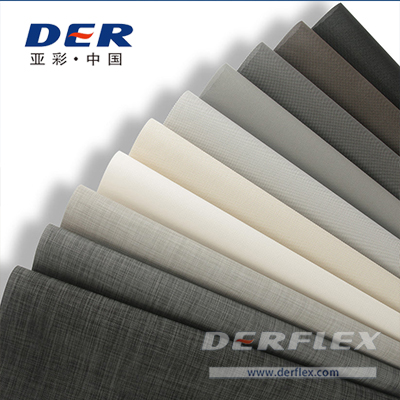
Indoor Solar Shade Fabric for Roller Blinds, Offices, Hotels and OEM Window Shade Systems
DERFLEX manufactures indoor solar shade fabric for buyers who need controlled daylight, glare reduction, UV protection direction, outward visibility and stable roll-to-roll quality.
Designed for roller blinds, commercial window shades, residential solar screens and private label shade programs, the fabric helps create comfortable interiors without making the room feel closed off.
Unlike ordinary decorative curtain fabric, indoor solar shade fabric is engineered around openness, yarn stability, coating consistency, color coordination and fabrication performance. DERFLEX supports bulk roll supply, sample matching, color card development, OEM packaging and project-specific material recommendations for global shade system manufacturers and distributors.
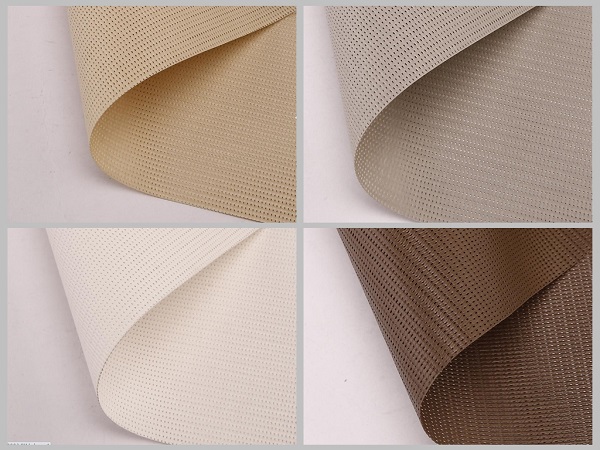
Made for Indoor Comfort, Not Just Sun Blocking
A good indoor solar shade fabric does more than darken a room. It should soften sunlight, reduce screen glare, protect interiors from UV exposure direction, keep a clean architectural appearance and maintain a comfortable connection with the outside view.
- For office workstations that need glare control without a heavy curtain look.
- For hotels and apartments that require privacy, daylight and design consistency.
- For roller blind fabricators who need stable rolls, clean cutting and repeatable color.
- For OEM shade brands that need customized product lines and long-term supply.
What Is Indoor Solar Shade Fabric?
Indoor solar shade fabric is a technical screen textile used in roller blinds and window shading systems. The fabric is usually made with PVC coated fiberglass yarn, PVC coated polyester yarn or a customized composite structure.
Its most important feature is controlled openness: small, consistent openings in the mesh allow the fabric to reduce sunlight and glare while still permitting daylight and outward view.
For commercial buildings, openness selection affects visual comfort, privacy, heat management and room brightness. For manufacturers, the same fabric must also perform during cutting, welding, edge finishing, roller assembly and repeated operation. This is why DERFLEX treats indoor solar shade fabric as an engineered roll material rather than a simple decorative textile.
Designed for the Way Modern Interiors Use Window Shades
Indoor solar shade fabric should match the real needs of offices, hotels, schools, healthcare rooms, retail spaces and residential projects where light, view, privacy and appearance must work together.
Glare Control for Screens and Workspaces
Controlled openness helps reduce harsh sunlight on computer screens, meeting rooms, reception areas and west-facing windows while keeping the space bright and usable.
Daylight with Outward Visibility
Instead of fully blocking the window, solar screen fabric can maintain a cleaner view connection. This is important for premium offices, hotels, apartments and commercial interiors.
Interior UV Protection Direction
The fabric helps reduce UV exposure direction that may contribute to fading of furniture, flooring, displays and interior decoration when sunlight enters through windows.
Stable Fabrication for Roller Systems
Roller blind producers need shade fabric that cuts cleanly, rolls smoothly, remains dimensionally stable and supports repeat production across different window sizes.
Architectural Color Coordination
DERFLEX can support neutral tones, warm interior colors, darker glare-control shades and OEM color development to match project or brand requirements.
Bulk Roll Supply for B2B Programs
For distributors and private label brands, DERFLEX focuses on repeatable roll supply, sample confirmation, packaging details and long-term sourcing reliability.
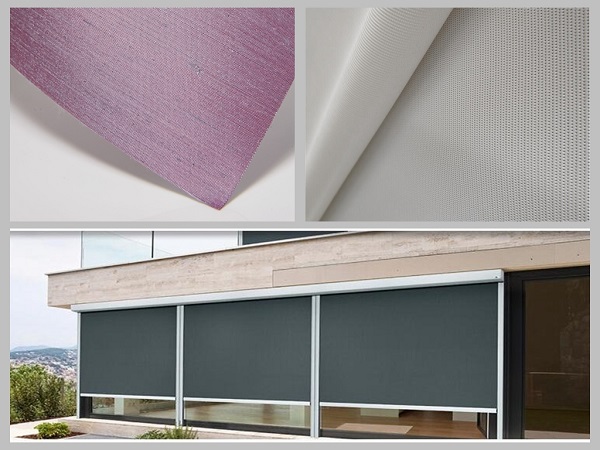
Choose Indoor Solar Shade Fabric by Openness, Privacy and View
Openness factor is one of the most important specifications. A lower openness normally gives stronger glare control and privacy, while a higher openness supports more daylight and outward visibility.
| Openness Direction | Typical Buyer Need | Recommended Indoor Use | Procurement Notes |
|---|---|---|---|
| 1% Openness | Maximum glare reduction, stronger daytime privacy and lower light transmission. | Office screens, west-facing windows, meeting rooms, high-sun exposure façades. | Best when comfort and privacy matter more than view. Dark colors may further improve glare control. |
| 3% Openness | Balanced light control, privacy and visibility for commercial interiors. | Offices, hotels, schools, apartment projects, general roller shade systems. | A popular specification direction for buyers who need one versatile indoor solar shade fabric line. |
| 5% Openness | More daylight and outward view while still reducing direct glare. | Residential solar shades, retail spaces, reception areas and scenic window locations. | Useful when clients want a lighter interior feeling and better outside view. |
| 10%+ Openness | Higher visibility and daylight transmission with softer shading. | Large windows, interior design projects, low-glare areas and decorative solar screen systems. | Privacy and glare control are lower, so it should be selected carefully by window orientation. |
| 0% / Blackout Direction | Room darkening, privacy and full light blocking. | Bedrooms, hotel rooms, projection rooms, healthcare rooms and conference rooms. | Select blackout shade fabric instead of standard solar screen fabric when full blockout is required. |
Material Options for Indoor Solar Shade Fabric
Different markets require different structures. DERFLEX can recommend the right material direction according to the roller system, local regulations, color target, fire-retardant direction, price level and end-use environment.
Technical Specification Direction
| Product Name | Indoor Solar Shade Fabric |
|---|---|
| Material | PVC coated fiberglass, PVC coated polyester or customized mesh structure |
| Openness | 1%, 3%, 5%, 10% and custom options |
| Weight | Approx. 300-600 GSM depending on yarn and coating structure |
| Width | Up to 3.2 m depending on product series and production plan |
| Surface | Matte, smooth, textured or OEM visual direction |
| Functions | Glare control, UV reduction, dimensional stability, easy cleaning, FR direction, low-odor direction |
| Supply Form | Bulk rolls, sample rolls, color card support, OEM label and carton direction |
Indoor Solar Shade Fabric Applications
DERFLEX indoor solar shade fabric is developed for B2B buyers who convert, distribute, specify or install shading systems in repeat projects.
Commercial Office Shades
For open offices, workstations, meeting rooms and high-rise buildings where glare control and daylight management are required.
Hotel & Apartment Roller Blinds
For guest rooms, lobby areas, serviced apartments and residential developments that need clean design, privacy and sunlight control.
Schools & Healthcare Interiors
For classrooms, hospitals, clinics and public buildings where durable, easy-clean and project-consistent window shade fabric is needed.
Retail & Display Windows
For stores, showrooms and commercial interiors where solar control helps reduce harsh light on displays while keeping visibility.
Roller Blind Manufacturers
For fabricators producing custom roller blinds, chain systems, motorized shades, cassette systems and private label window treatments.
OEM Shade Fabric Programs
For brands that need long-term material supply, color continuity, packaging support and a clear product range from one manufacturer.
How to Specify Indoor Solar Shade Fabric for Bulk Supply
To receive accurate material recommendations and pricing, buyers should define the project requirement clearly before sample confirmation.
Application
Confirm whether the fabric is for office blinds, hotel shades, apartment projects, retail interiors, schools, healthcare rooms or OEM production.
Openness & Color
Select 1%, 3%, 5%, 10% or blackout direction and provide the target color family, texture direction or existing sample for matching.
Fabrication Method
Tell DERFLEX the roll width, cutting method, bottom bar system, side welding, ultrasonic cutting, blind hardware and packaging requirements.
Compliance & Supply
Confirm FR direction, low-VOC requirement, order quantity, sample plan, label details, roll length, carton standard and destination market.
Indoor Solar Shade Fabric vs Decorative Curtain Fabric
Decorative curtain fabric is selected mainly by color, softness and interior style. Indoor solar shade fabric is selected by performance and convertibility: openness, glare control, yarn stability, coating consistency, rolling performance and project repeatability.
- Solar shade fabric provides controlled openness for daylight and view.
- It is more suitable for roller blind systems and technical shade fabrication.
- It can support office, hotel and commercial specification requirements.
- OEM buyers can build repeat product lines with consistent width and color.
Why Source Indoor Solar Shade Fabric from DERFLEX?
DERFLEX is not only a fabric roll seller. We support a complete solar shading material ecosystem including sunscreen fabric, PVC coated fiberglass sunscreen fabric, blackout shade fabric, outdoor screen fabric, awning fabric and architectural sun control materials.
- Factory-direct communication for sample, specification and bulk quotation.
- Custom openness, color, width, coating direction and OEM packaging support.
- Suitable for roller blind manufacturers, distributors and project suppliers.
- Related product system for indoor, outdoor and architectural shading markets.
Build a Complete Indoor and Outdoor Shade Fabric Line
These related pages help buyers compare indoor solar shade fabric with sunscreen fabric, blackout fabric, outdoor screen fabric and other shade materials.
Need Indoor Solar Shade Fabric for Your Roller Blind or Window Shade Program?
Send DERFLEX your target openness, color, width, roll length, fire-retardant direction, application, fabrication method and order quantity. Our team will help recommend a suitable indoor solar shade fabric structure and provide sample or bulk quotation support.
Information to Send
- Application: office, hotel, apartment, school, retail or OEM shade system
- Openness: 1%, 3%, 5%, 10%, blackout or custom target
- Color, texture, width, roll length and sample matching request
- Performance: FR direction, UV reduction, easy-clean or low-odor requirement
- Quantity, packaging, label, delivery plan and destination market
Indoor Solar Shade Fabric FAQ
Practical answers for fabricators, distributors, contractors and OEM buyers before requesting samples.
What is indoor solar shade fabric used for?
Indoor solar shade fabric is used for roller blinds, solar screen shades, office window shades, hotel blinds, apartment shading, schools, healthcare interiors, retail windows and OEM window shade systems.
What openness should I choose for office roller blinds?
For stronger glare control and privacy, 1% openness is often selected. For balanced office use, 3% is a common direction. For more daylight and view, 5% may be more suitable. The best choice depends on window orientation, glass size, privacy target and room function.
Can indoor solar shade fabric help reduce heat?
Yes. By reducing direct solar radiation and glare entering through windows, solar shade fabric can help improve indoor comfort. Exterior shading usually blocks heat earlier, while indoor solar shades provide practical glare, UV and daylight management for interiors.
Is indoor solar shade fabric waterproof?
Most indoor solar shade fabrics are designed for window shade performance, not rain protection. If the project needs waterproof outdoor cover performance, DERFLEX can recommend awning fabric, outdoor screen fabric or PVC coated fabric alternatives.
Can DERFLEX make custom colors and private label packaging?
Yes. DERFLEX can support custom colors, widths, roll lengths, OEM labels, carton direction, product cards and private label shade fabric programs according to order quantity and technical feasibility.
What should I send to get an accurate quotation?
Please send the application, openness target, color, width, roll length, weight direction, FR or UV requirement, packaging details, sample request, quantity and destination market. Photos or existing samples are helpful for matching.