Company News Industry News

Frontlit vs Backlit Banner: Differences, Uses & Buyer Guide | DERFLEX

Home / Printing Materials / Frontlit vs Backlit Banner
Banner Material Comparison Guide

Frontlit vs Backlit Banner: What Is the Difference and Which Should You Choose?

Frontlit and backlit banners can use similar PVC-reinforced constructions, but they solve different optical problems. Frontlit material is selected for graphics viewed under ambient or front-facing light; backlit material is engineered to transmit and diffuse light from behind. This guide compares lighting behavior, material structure, printing, typical DERFLEX GSM ranges, applications, fabrication and purchasing criteria so printers, distributors and sign makers can specify the right banner before ordering.

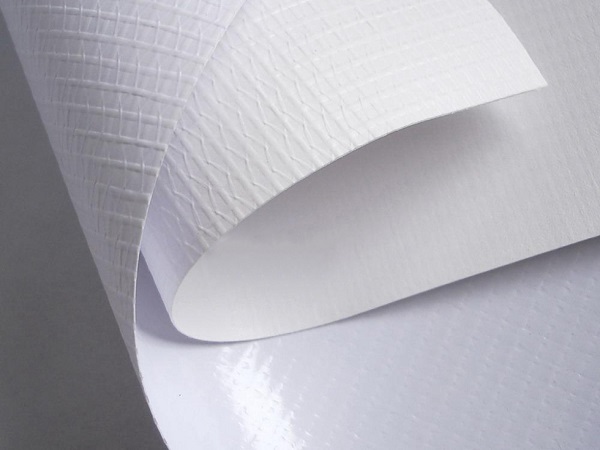
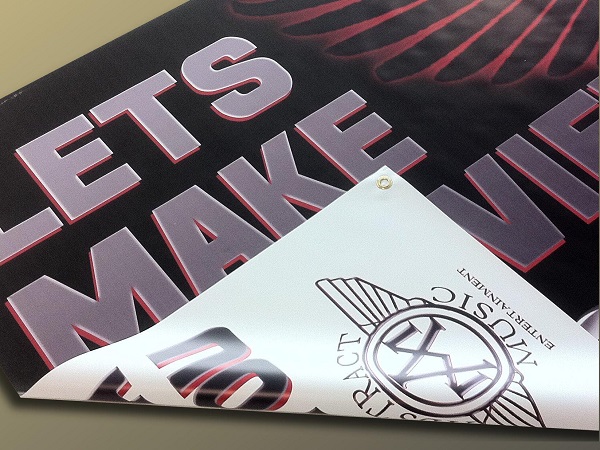
DERFLEX PVC frontlit banner material printable surface
Frontlit BannerOptimized for reflected light from the front or ambient daylight.
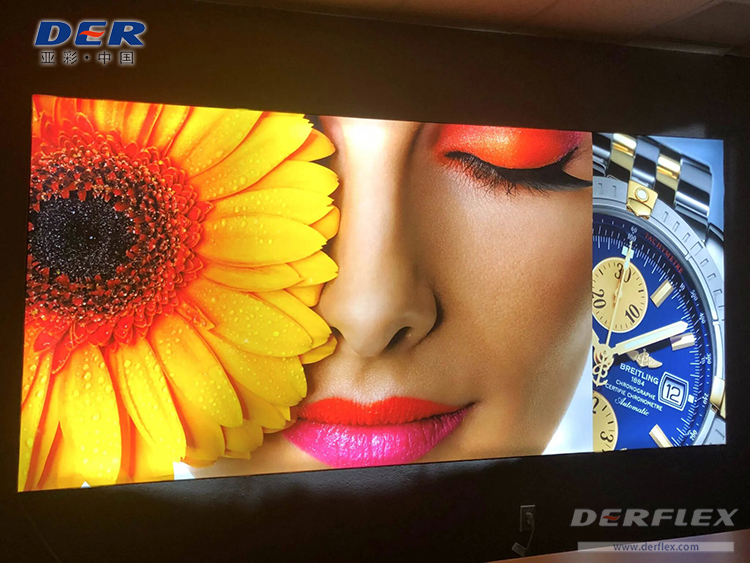
DERFLEX translucent PVC backlit banner material for lightboxes
Backlit BannerTranslucent media developed for light transmission from behind.
FrontlitBillboards, shop signs, event banners, outdoor graphics.
BacklitLED lightboxes, illuminated signs, transit and retail displays.
240–610gsmCurrent DERFLEX frontlit range varies by laminated or coated structure.
380–650gsmSelected DERFLEX backlit structures span multiple GSM options.
Up to 5.1mWide-format options are available depending on product structure.
Quick Answer

Frontlit vs Backlit Banner in One Minute

Frontlit banner is usually opaque or low-transmission PVC banner material intended to be viewed with light falling onto the printed face. It is the practical choice for general billboards, storefront graphics, events and outdoor advertising.

Backlit banner is translucent printable media designed to let light pass from behind while diffusing it across the graphic. It is used in lightboxes, illuminated retail displays, transit advertising and signs that need strong nighttime visibility.

The deciding question is not GSM first—it is lighting direction. If the display will be illuminated from behind, specify backlit. If it will be viewed in daylight or lit from the front, specify frontlit.

Choose FrontlitNo internal lightbox; general signage; broad outdoor use; cost-sensitive banner programs.
Choose BacklitRear LED/fluorescent illumination; lightboxes; night-focused retail or transit signage.
Choose Something ElseUse blockout for opacity/double-sided signs and mesh where wind-through performance matters.

Side-by-Side Comparison

Frontlit Banner vs Backlit Banner: Buyer Decision Table

The two materials may look similar as white printable rolls, but their optical behavior and ideal installation systems are different.

Selection Factor Frontlit Banner Material Backlit Banner Material
Lighting direction Front / ambient light. The graphic is viewed by reflected light. Rear illumination. Light passes through the printed media from behind.
Optical behavior Typically opaque or low-transmission; prioritizes surface whiteness, print density and reflection. Translucent; prioritizes controlled transmission and even light diffusion across the image.
Typical applications Billboards, road signs, storefront banners, events, exhibition graphics, wall-mounted advertising. LED lightboxes, illuminated shop signs, airport/metro panels, mall displays, nighttime advertising.
Current DERFLEX weight direction Approx. 240–610gsm across laminated and coated frontlit product families. Selected public backlit structures include approx. 380–650gsm options; confirm the exact grade for your project.
Width Wide-format options up to about 5.1m depending on construction and order plan. Wide-format options up to about 5.1m depending on backlit structure and order plan.
Surface Matte or glossy options are commonly selected according to glare and visual preference. Translucent matte or gloss options depending on lightbox and print requirement.
Ink systems DERFLEX frontlit ranges can be matched for solvent, eco-solvent, UV and latex printing. DERFLEX PVC backlit ranges can also be matched for solvent, eco-solvent, UV and latex; the correct backlit profile and ink density should be tested.
Print setup Standard banner profiles are often suitable after printer/media testing. More print-profile attention is usually needed. Backlighting can reveal low density, banding and non-uniform ink laydown that may be less visible on frontlit work.
When unlit Designed to look correct under ambient/front illumination. Can appear denser or flatter when the lightbox is off, depending on ink load and profile; review both lit and unlit appearance when daytime presentation matters.
Total system cost Usually the simpler system because no internal illuminated box is required. The installed system generally includes lightbox hardware, LEDs/electrical components and media, so evaluate total installed cost rather than banner roll price alone.
Material Logic

Why the Two Banner Materials Behave Differently

The main difference is optical design. Strength, surface treatment and polyester reinforcement still matter, but the lighting path changes what the material must do.

Frontlit PVC Banner: Reflect the Image Toward the Viewer

A typical frontlit banner uses PVC film or coating over a polyester scrim. The printable white face receives ink and reflects daylight or external illumination back toward the viewer.

For high-volume sign shops, the practical variables are GSM, yarn denier/density, lamination vs coating, matte vs glossy finish, roll width, ink compatibility, welding and edge finishing.

See DERFLEX PVC frontlit banner material specifications.

Backlit PVC Banner: Transmit and Diffuse Light Through the Graphic

Backlit banner is made to remain printable while allowing controlled light transmission. Uniformity matters because rear illumination can expose visible hot spots, density variation, surface inconsistency or shadowing.

For lightbox buyers, material selection should be coordinated with printer profile, ink density, LED spacing, lightbox depth, viewing distance and the required lit/unlit appearance.

See DERFLEX PVC backlit flex banner material.

Selection Matrix

Which Banner Should You Use for Each Signage Project?

Start with the display system, not with the product name. The following matrix prevents many common sourcing mismatches.

01

Roadside billboard with daylight or floodlights

Use frontlit. The graphic is read by ambient or front-facing illumination, so a standard white printable banner surface is appropriate.

02

LED lightbox inside a retail store

Use backlit. The media must transmit and diffuse light while retaining print density and readable color.

03

Airport, metro or bus-shelter illuminated panel

Use backlit. Uniform illumination and close-view image quality are more important than simple surface opacity.

04

Short-term event banner without internal lighting

Use frontlit. Choose a lighter or economy grade only after considering panel size, handling, finishing and service duration.

05

Double-sided hanging banner

Neither frontlit nor backlit is the first choice. An opaque blockout construction is usually more appropriate when show-through must be controlled.

06

Large facade graphic in a wind-exposed location

Evaluate mesh. A solid frontlit sheet can carry high wind load; open mesh may be more suitable where airflow is a primary design constraint.

Procurement rule: if the finished sign has a rear light source, do not substitute ordinary frontlit media simply because the GSM is similar. Translucency and light diffusion are functional properties, not just weight differences.
Specification Guidance

DERFLEX Frontlit and Backlit Banner Specification Direction

DERFLEX publishes multiple banner constructions rather than a single universal grade. Confirm the actual item before bulk order because yarn, density, coating/lamination, width and finish can vary.

What the current product range supports

DERFLEX public banner ranges cover frontlit, backlit, blockout and mesh media for wide-format printing. The comparison below is a sourcing direction, not a substitute for a product data sheet.

  • Frontlit: laminated and coated structures.
  • Backlit: translucent PVC banner structures for lightboxes.
  • Printing: solvent, eco-solvent, UV and latex options depending on grade.
  • Wide-format widths: up to approximately 5.1m on selected structures.
  • OEM discussion: weight, width, finish, roll length, packaging and labels.

For a broader product family view, see DERFLEX flex banner roll materials.

Frontlit weight directionApprox. 240–610gsm depending on laminated/coated structure.
Backlit weight directionApprox. 380–650gsm across selected public backlit structures.
Base reinforcementPolyester scrim; denier and yarn density vary by product grade.
Surface optionsFrontlit matte/gloss; backlit translucent matte/gloss depending on grade.
Roll widthProject and structure dependent; selected ranges extend to about 5.1m.
Print compatibilitySolvent, eco-solvent, UV and latex options across current banner product families.
FinishingWelding, hemming, eyelets or frame-specific finishing should be confirmed against the sign system.
Custom specificationAvailable according to product structure, order quantity and project requirements; confirm with DERFLEX before quotation.
Printing & Fabrication Notes

What Sign Shops Should Test Before Bulk Production

Print quality problems often come from a mismatch between media, ink profile and display system rather than from GSM alone.

1. Print Both a Lit and Unlit Sample

For backlit work, inspect the graphic with the lightbox on and off. A profile that looks acceptable in reflected light may show weak density, banding or color imbalance when illuminated from behind.

2. Match Ink Load to the Media

Backlit applications often need different color-management settings or higher effective ink density than ordinary frontlit graphics. Use the printer/RIP and media profile recommended for the selected material and confirm drying/curing.

3. Check Lightbox Geometry

LED spacing, lightbox depth and diffuser design influence brightness uniformity. Do not expect banner material alone to correct a poorly designed lightbox.

4. Plan Seams Before Printing

For oversized frontlit or backlit panels, panel joins should be positioned so the seam does not interrupt critical text, logos or high-contrast image areas.

5. Confirm Edge Finishing

Eyelets, welded hems, pole pockets, keder or frame clamping apply different loads to the media. The finished sign construction should be part of material selection.

6. Keep Repeat Rolls Consistent

Distributors and multi-location programs should control surface finish, whiteness/translucency, weight and lot consistency so replacement graphics behave like the approved sample.

Common Buying Mistakes

Six Procurement Errors That Cause Poor Banner Performance

Choosing by GSM only

Two rolls with similar weight can have very different translucency, yarn construction, surface quality and lightbox behavior.

Putting ordinary frontlit into a lightbox

Frontlit media may block too much light or show uneven illumination because it was not designed for transmitted-light graphics.

Ignoring daytime appearance

If a backlit sign must look strong while the light is off, require a proof that is evaluated under both conditions.

Skipping printer/ink confirmation

Always provide printer model and ink type. Solvent, eco-solvent, UV and latex workflows can require different surface and profiling decisions.

Blaming the media for lightbox hot spots

Media diffusion matters, but LED layout and box geometry also determine uniformity. Test the complete system.

Confusing backlit PVC with backlit textile

PVC backlit banner and backlit fabric/SEG textile serve overlapping display needs but differ in feel, finishing, shipping and frame system. Specify the required media family.

Image Package

DERFLEX Product Images for Frontlit, Backlit and Related Banner Media

The image set below uses DERFLEX-hosted product assets. The hero comparison images are loaded normally; below-fold gallery images use lazy loading.

Related DERFLEX Materials

Build the Right Banner Media Mix for Your Printing Market

A distributor usually needs more than one banner type. Use these related pages to compare material families before finalizing a purchasing program.

Procurement Checklist

What Information Should You Send for a Frontlit or Backlit Banner Quote?

A useful quotation starts with the display system and printing process. Send the following information so the material can be matched before price comparison.

Lighting method: daylight/front floodlight, rear LED lightbox or no artificial lighting.
Application: billboard, storefront, event, mall, airport/metro panel, outdoor lightbox, etc.
Finished sign size: panel dimensions, seam plan and required printable width.
Printer & ink: printer model plus solvent, eco-solvent, UV or latex ink system.
Material target: GSM/oz reference, matte/gloss preference and current benchmark sample if available.
Finishing: welding, hems, eyelets, frame clamping, pole pockets, keder or other edge system.
Compliance: any flame-retardant or market-specific test requirement that must be confirmed.
Commercial details: roll quantity, repeat-order plan, packaging/label needs and destination market.

Need Frontlit and Backlit Banner Rolls for the Same Product Program?

Send DERFLEX your target applications, GSM/width, printer and ink system, quantity and destination. We can help organize a practical frontlit/backlit product mix for print shops, distributors and OEM media programs.

Request a Quote
Related Questions

Frontlit vs Backlit Banner FAQ

Direct answers to common comparison and procurement questions from printers, sign makers and advertising-material buyers.

What is the main difference between frontlit and backlit banner?

Frontlit banner is designed for reflected light coming from the front or from the surrounding environment. Backlit banner is translucent and designed for light to pass through from behind, making it suitable for illuminated lightboxes and night-visible signage.

Can I use frontlit banner material in a lightbox?

It is generally not the right choice. Ordinary frontlit media is typically too opaque or insufficiently controlled for rear illumination. Even if some light passes through, the graphic may look dull or uneven. Use a backlit grade when rear illumination is part of the sign system.

Is backlit banner thicker or heavier than frontlit banner?

Not always. DERFLEX offers multiple frontlit and backlit constructions with overlapping GSM ranges. Weight alone does not define the application: translucency, coating/lamination, polyester scrim, light diffusion and print surface are also important.

Which banner is better for outdoor billboards?

For a conventional billboard viewed in daylight or with external floodlights, frontlit PVC banner is usually the practical choice. For an illuminated billboard or lightbox with the light source behind the image, use backlit banner. Large wind-exposed facades may require mesh instead of either solid material.

Do frontlit and backlit banners use the same printer and ink?

DERFLEX banner ranges can be matched for solvent, eco-solvent, UV and latex printing, but the print profile and ink density should be confirmed for the exact media. Backlit graphics are more sensitive to density and uniformity because transmitted light reveals defects more clearly.

What should I choose for a sign that must look good both day and night?

If the sign uses rear illumination at night, start with a suitable backlit media and test both illuminated and unilluminated appearance. The final result also depends on artwork, ink density, LED layout and lightbox design. Ask for a printed sample before bulk production when day/night consistency is critical.

What is the difference between backlit PVC banner and backlit fabric?

Backlit PVC banner is a translucent PVC-reinforced flexible media commonly used for lightboxes and illuminated advertising. Backlit fabric is a textile-based alternative often used in SEG frames, exhibitions and premium indoor retail displays. Finishing, folding, tensioning and frame compatibility differ, so specify the display system before ordering.

How do I choose between frontlit, backlit, blockout and mesh banner?

Use frontlit for general front-view advertising, backlit for illuminated lightboxes, blockout when opacity or double-sided display is needed, and mesh when airflow is important in wind-exposed installations. Lighting method, wind load, print direction and finishing should be decided before GSM.

DERFLEX · Frontlit banner, backlit banner, blockout banner, mesh banner and wide-format printable media. Exact product specifications should be confirmed against the selected grade before purchase.
Copyright © 2015 DERFLEX ( PVC tarpaulin manufacturer )All Rights Reserved.