
Shell Structure
PVC coated polyester, TPU coated nylon/polyester or project-specific coated textile selected for stiffness, foldability, abrasion and price position.
 News
News

Develop a custom waterproof duffel bag for marine, outdoor, travel, fishing, rescue or equipment-storage programs. DERFLEX helps align the shell material, closure, welded construction, capacity, carry system and branding before bulk production.
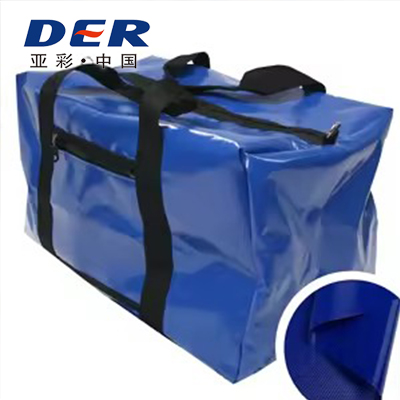
Reference construction shown for custom discussion; final material, closure and dimensions are project-specific.
A waterproof duffel bag combines the loading convenience of a traditional travel duffel with a coated shell and protected seam construction. The format is useful when users need a large opening, high carrying capacity and fewer water-entry points than a conventional stitched fabric bag.
The phrase waterproof duffle bag is often used interchangeably with waterproof duffel bag. In either case, buyers should separate three different performance levels: weather protection, temporary water exposure and tested submersion. The correct claim depends on the completed bag rather than the fabric alone.
A market-ready waterproof gear bag is easier to develop when the functional brief is settled before logo placement and color approval.
PVC coated polyester, TPU coated nylon/polyester or project-specific coated textile selected for stiffness, foldability, abrasion and price position.
HF welding, hot-air welding, ultrasonic bonding or a combined process verified with the actual material and panel geometry.
Roll-top construction for rugged simplicity, technical zipper for fast access, or protected zipper for weather-oriented travel programs.
Webbing cradle, reinforced base, bar-tacked strap zones and hardware positioning designed around the expected carrying load.
Grab handles, removable shoulder strap, padded backpack straps, compression straps and lash points matched to the use environment.
Color, surface texture, print method, logo patch, ID window, retail packaging and instruction labeling confirmed on a physical sample.
Leading waterproof-duffel designs use either roll-top or specialized zipper systems. Each route has a different balance of access, cost, maintenance and claim potential.
A broad opening is folded and secured to create a practical barrier against rain, splash and wet transport conditions.
A purpose-selected zipper can support quick access and a cleaner duffel profile when integrated with welded construction.
A coated shell and shielded zipper offer weather protection for travel, gym, motorcycle and equipment storage applications.
Capacity is only a starting point. Pattern dimensions, opening size, roll allowance, reinforced panels and airline limits must be reviewed together.
| Development Range | Typical Use | Suggested Construction Direction | Useful Details | Buyer Consideration |
|---|---|---|---|---|
| 30–40L | Gym, day trip, beach, compact motorcycle luggage, short travel | Light TPU, coated textile or compact PVC structure | Removable strap, external handle, small accessory pocket | Confirm actual airline rules before making carry-on claims. |
| 50–70L | Weekend travel, paddling, fishing, dive gear, general expedition use | TPU or abrasion-oriented PVC shell with reinforced base | Backpack straps, compression webbing, ID panel, lash points | Balance access width with seam strength and packed shape. |
| 80–100L+ | Marine equipment, rescue kits, wet suits, team gear, commercial field use | Heavy-duty PVC or project-specific TPU with webbing cradle | Multiple handles, reinforced bottom, high-load hardware | Strap anchoring and load testing become primary design factors. |
DERFLEX develops waterproof-bag programs from its coated-textile base. The material decision should reflect the target selling price, feel, load, climate and expected wear.
PVC coated polyester is commonly considered for robust gear duffels, marine storage and value-focused product programs where structure and abrasion resistance are priorities.
TPU coated nylon or polyester is considered for lighter, softer and more technical duffel programs, including cold-weather, premium outdoor and refined travel products.
The most effective OEM program starts with a specific user environment rather than a generic “outdoor bag” brief.
Wet-deck gear, spare clothing, rope accessories and boat-storage programs exposed to spray and saltwater.
Kayak, rafting and angling gear where repeated splash, sand and rough handling influence material choice.
High-capacity luggage with removable shoulder or backpack straps for off-road and weather-exposed trips.
Rear-rack or seat-mounted duffel concepts requiring tie-down points, abrasion zones and compact load shape.
High-visibility equipment bags with ID windows, gloves-on handling and organized emergency kit storage.
Tool, PPE and equipment transport for teams working in rain, mud, construction or remote service conditions.
Easy-clean shells, wet/dry separation and large openings for training, watersports and club merchandise.
Custom colors, logos, packaging and capacity families for outdoor brands, importers and distributors.
DERFLEX combines coated-material selection with project coordination for custom waterproof bag development. The exact production route is confirmed according to design, quantity and performance target.
Share capacity, cargo, expected water exposure, market position and target order volume.
Compare shell material, closure, seam method, reinforcement and carry system.
Approve color, finish, logo technique, labels, packaging and accessory specification.
Evaluate dimensions, loading, water ingress, seam quality, hardware and user handling.
Freeze the signed sample, inspection points, packing method and production requirements.
Fabric waterproofness does not automatically prove that a complete bag is waterproof. Openings, seam intersections, handle anchors and hardware can change the result.
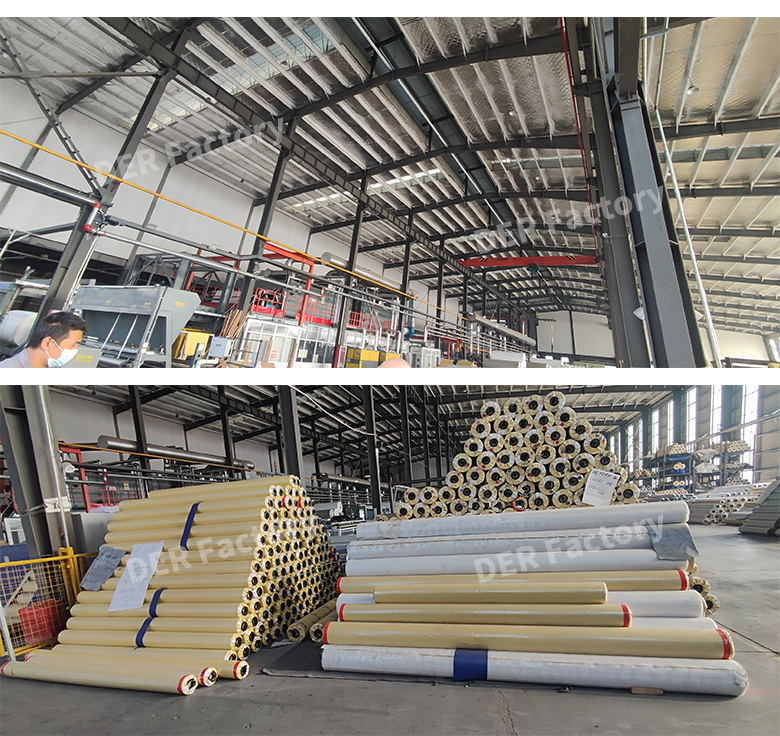
Match the method to rain, spray, temporary immersion or another defined exposure condition.
Review peel strength, weld consistency and vulnerable intersections after repeated flexing.
Test handles, shoulder straps, backpack anchors and hardware at the intended packed weight.
Check base panels, corners, webbing contact zones and surfaces likely to drag or rub.
Repeat rolling, buckling or zipper operation to evaluate usability and performance consistency.
Confirm color, print, logo placement, surface finish, dimensions and packaging against approval.
Where relevant, review cold folding, heat exposure, UV ageing or saltwater contact.
Use “IPX7,” “IPX8,” “submersible” or depth claims only after the completed bag passes the applicable test.
These six related pages support material comparison, dry-bag development and application-specific purchasing decisions.
Practical answers for outdoor brands, importers, distributors, marine suppliers and product development teams.
A waterproof shell is only the first requirement. The seam construction, closure, zipper ends, handle anchors, valve points and accessory attachments must also prevent water entry. The completed bag should be tested against the intended claim.
Not automatically. A correctly closed roll-top can be effective against rain, splash and short accidental water contact, but prolonged immersion may allow water to enter through the opening. A submersible claim requires a suitable closure and finished-product testing.
PVC coated polyester is often considered for durable, structured and cost-controlled duffel programs. TPU coated nylon or polyester is selected when lower weight, flexibility, cold performance or premium surface feel is more important. The best route depends on your product brief and sample results.
Common duffel development ranges include compact 30–40L travel bags, versatile 50–70L outdoor bags and 80–100L+ expedition or equipment bags. Final dimensions should be calculated from usable volume, closure allowance and load shape.
Yes, convertible layouts can include removable or fixed backpack straps, grab handles and shoulder-carry options. Strap anchoring, padding and load distribution should be tested at the intended packed weight.
Depending on material and surface finish, projects may consider screen printing, heat transfer, welded or sewn patches, embossed details, printed panels, woven labels, ID windows and customized retail packaging. A physical sample is recommended for approval.
Custom projects should include sample confirmation before bulk production. The sample can be used to review material feel, dimensions, closure operation, welding, carrying comfort, branding and the planned test standard.
DERFLEX's core capability is coated textile and waterproof material supply. For custom waterproof duffel projects, the team can discuss material matching, sample development and coordinated OEM production according to the scope, quantity and construction requirements.
Send the preferred capacity or dimensions, application, water-exposure target, PVC or TPU preference, closure type, carrying method, color, logo artwork, packaging, target quantity and any compliance or test requirements.
Share your intended use, capacity, target material, closure preference, brand details and purchase quantity. DERFLEX will review the project direction and discuss the next sampling step.