1. Main Membrane
PVC coated polyester weight, base fabric, flexibility and surface are selected for the environment and handling routine.
 News
News


DERFLEX develops PVC tarp materials and finished cover programs for companies that need consistent fit, recognizable specifications and dependable replenishment across vehicles, jobsites, facilities and private-label product ranges.
In a business setting, a tarp is rarely judged only when it is new. It is carried, unfolded, pulled over an asset, tensioned, exposed, removed, cleaned and stored—often by different people and at different locations. A useful commercial tarp therefore needs to work with the operating routine around it.
A cover that is unnecessarily heavy may slow installation. A cover with too few identification marks can be sent to the wrong vehicle or machine. Attachment points positioned without reference to the asset can create awkward tie-down angles. A technically durable sheet may still be inconvenient if it cannot be folded, stored or repaired within the buyer's normal workflow.
DERFLEX uses the term commercial grade to describe a defined business-use configuration rather than a single marketing category. The finished solution can combine PVC coated polyester, reinforced perimeter construction, planned contact patches, welded or stitched details, suitable hardware and a repeat-order record. The objective is a tarp that can be purchased, deployed and replenished with fewer assumptions.
The visible sheet is only one part of the product. For repeated deployment, buyers should review how forces move from the center membrane to the perimeter and then into the attachment system. This helps define where material strength is needed and where local reinforcement may provide more value than simply increasing the weight of the entire tarp.
PVC coated polyester weight, base fabric, flexibility and surface are selected for the environment and handling routine.
Folded hems, rope edges or webbing can distribute force around the outside of the cover.
Grommets, D-rings, straps, hooks or pockets connect the tarp to the asset or supporting structure.
Corner patches and sacrificial panels can be placed where repeated contact is expected.
Welded or stitched seams form panels, contours, flaps, access openings and three-dimensional covers.
Printed marks, color coding, labels and packaging help users select and return the correct tarp.
The appropriate purchasing format depends on how standardized the assets are, where fabrication occurs and how often the buyer needs replacements.
| Program Format | How It Works | Suitable Buyers | Key Information to Control | Typical Benefit |
|---|---|---|---|---|
| Standard-Size Commercial Tarps | Repeatable rectangular sizes with an agreed material, hem and attachment pattern. | Distributors, warehouses, contractors and general equipment fleets. | Finished-size tolerance, color, grommet spacing, packing and product code. | Simpler replenishment and a more organized stock range. |
| Template-Based Covers | A controlled pattern is reused for a family of similar machines, vehicles or storage units. | Fleet operators, rental companies, equipment manufacturers and multi-site groups. | Drawing revision, attachment coordinates, access openings and asset compatibility. | Consistent fit without redesigning every replacement order. |
| Fully Fitted Covers | Shaped panels, contours, flaps and reinforced zones are developed around a specific asset. | Machinery builders, industrial facilities and high-value outdoor equipment users. | Measurements, prototype approval, seam layout, clearance and installation method. | Closer coverage and more deliberate access and attachment details. |
| Roll Material / Conversion Supply | PVC tarp rolls or semi-finished panels are supplied for fabrication closer to the end market. | Converters, local workshops, tarp installers and private-label manufacturers. | Roll width, length, batch consistency, welding compatibility, surface and packing. | Local customization and shorter response for end-user dimensions. |
The final program may combine formats—for example, roll goods for local emergency work and factory-made fitted covers for standardized assets.
Each use profile creates different priorities for fit, handling, identification, storage and replenishment.
Standardize covers by vehicle or load family, add visible size codes, plan driver handling weight and preserve the approved tie-down layout for replacement orders.
Create a practical pool of covers for materials, tools and temporary weather control. Differentiate fast-moving utility tarps from specialized fitted covers.
Use fitted or semi-fitted covers for standby equipment, maintenance shutdowns, outdoor assets and temporary internal separation.
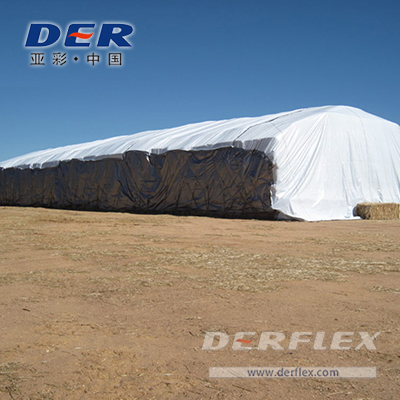
Plan large-cover installation, anchoring, overlap, drainage, seasonal storage and identification across hay, feed, machinery and supply areas.
Choose covers that can be checked, cleaned, folded and assigned to repeat equipment categories. Labels can support branch and asset tracking.
Build a coherent line with planned sizes, weights, colors, package levels and product naming rather than adding unrelated tarp SKUs one by one.
A documented routine can help teams preserve fit, reduce avoidable damage and decide when repair is more appropriate than continued use.
Verify size, product code, hardware and quantity. Assign the cover to its asset family, branch or inventory location before it enters service.
Use the intended attachment points, protect the tarp from uncovered sharp edges, avoid uncontrolled loose areas and maintain appropriate drainage.
Remove dirt that can abrade folded surfaces, check hardware and seams, and follow a cleaning method compatible with the selected coating.
Small localized damage may be repairable with a compatible method. Covers with compromised load points or unsuitable fit should be reviewed before reuse.
Use the controlled drawing, specification or product code so new units match the intended material, dimensions, reinforcement, hardware and packing.
DERFLEX can support buyers at different stages of the value chain, from roll material procurement to repeat finished-cover programs.
PVC coated polyester options can be selected by weight, surface, flexibility and functional direction, subject to technical confirmation.
Finished dimensions, panel layout, access features, perimeter construction and hardware positions can be documented.
Discuss color systems, printed logos, size markings, labels, barcodes, cartons and private-label presentation.
Approved product references help support repeat orders, branch distribution and staged commercial purchasing.
These six internal resources cover material, application and bulk-supply routes related to commercial tarp purchasing.
They are used by contractors, fleets, industrial facilities, farms, warehouses, rental companies and distributors to cover cargo, equipment, materials and outdoor assets. The suitable construction depends on how often the tarp is deployed and how it is attached and stored.
Yes. Buyers can develop controlled sizes, material specifications, color codes, labels and packing for comparable assets. Template and revision control are especially useful when branches reorder independently.
A standard tarp is generally rectangular and adaptable to multiple uses. A fitted cover uses shaped panels, contours, flaps or defined attachment points for a particular asset or asset family.
DERFLEX supports PVC tarp roll material, semi-finished panels and completed covers. Buyers can choose the supply stage that matches local fabrication capability and delivery needs.
Common approaches include color coding, printed size marks, product codes, asset numbers, sewn or welded labels, barcodes and different packaging. The marking method should remain readable in the expected use environment.
Some localized holes, cuts or worn panels may be repairable with a compatible patching or welding method. Damage around structural seams or attachment points should be assessed carefully before the tarp returns to service.
Provide asset drawings or measurements, photos, access requirements, finished dimensions, attachment locations, quantity, environment, preferred material, logo and packaging needs. A prototype may be appropriate for complex covers.
Start with a planned SKU structure covering material, weight, sizes, colors and package levels. DERFLEX can discuss branded labels, printed logos, cartons and repeat-order specifications after the range is defined.
Share photos, dimensions, quantities, deployment frequency and identification needs. DERFLEX can discuss roll material, standard commercial tarps, controlled templates, fitted covers and OEM packaging.