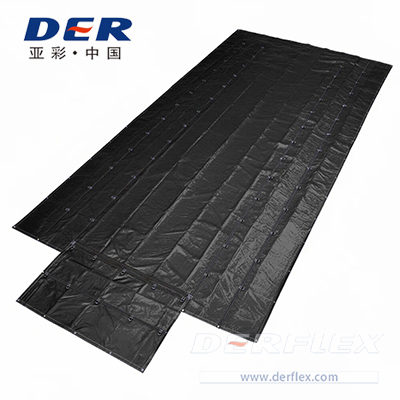
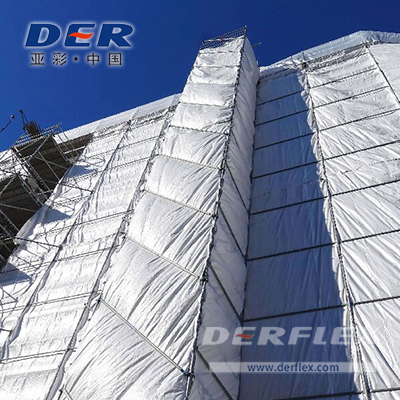
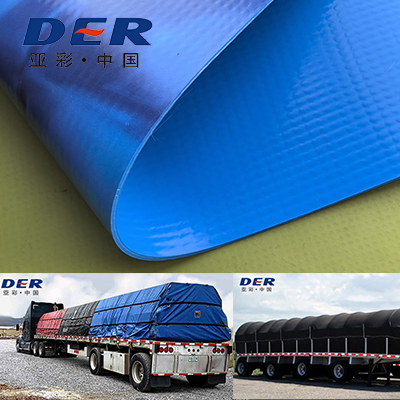
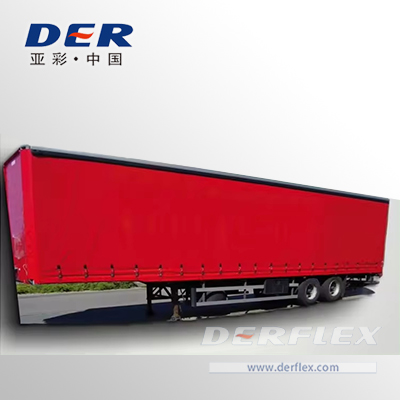
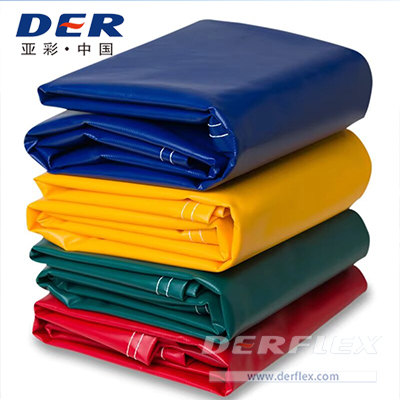
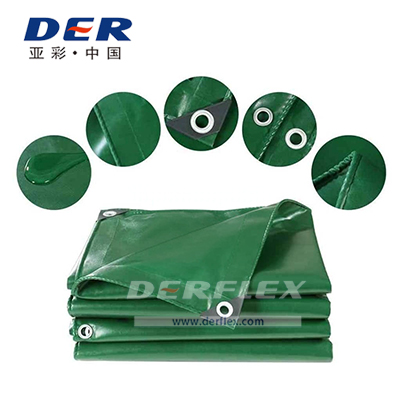
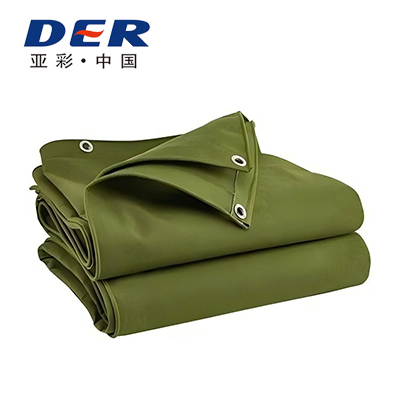
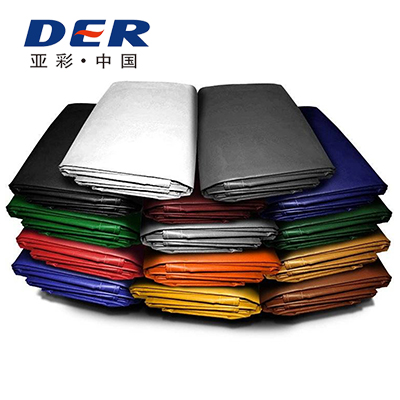
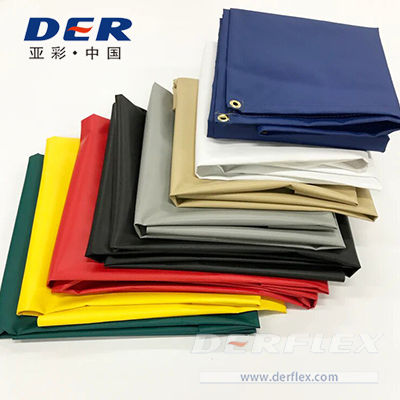
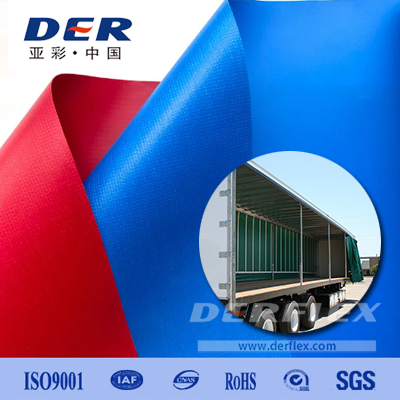
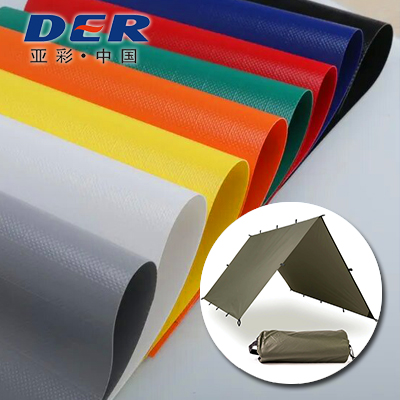
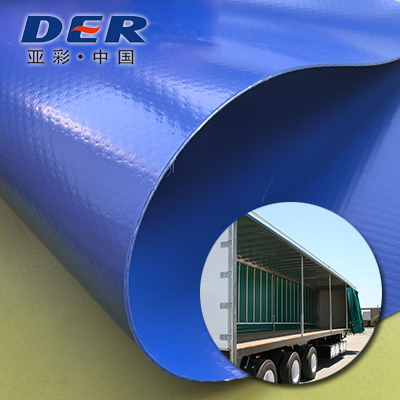
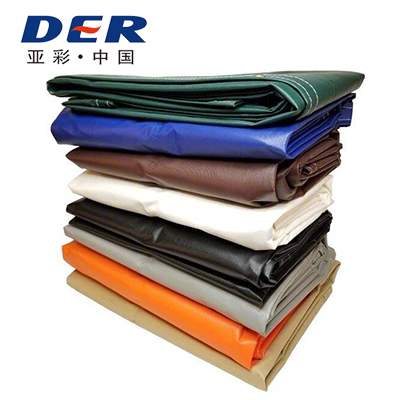
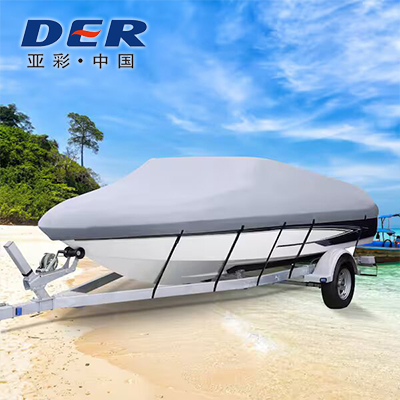
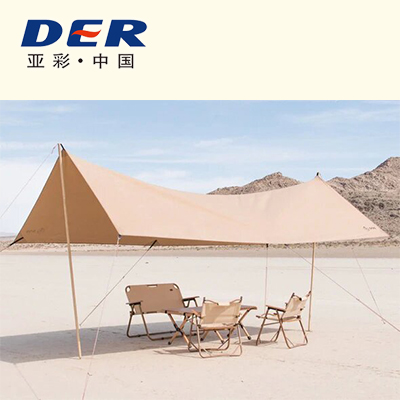
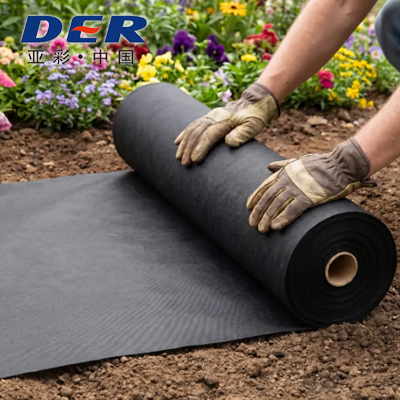
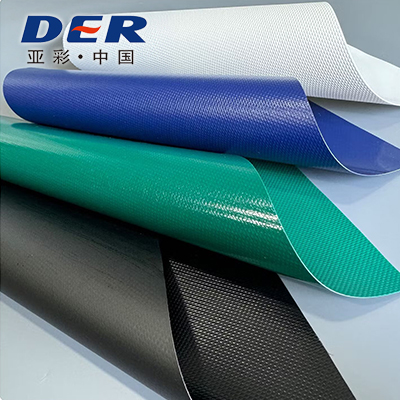
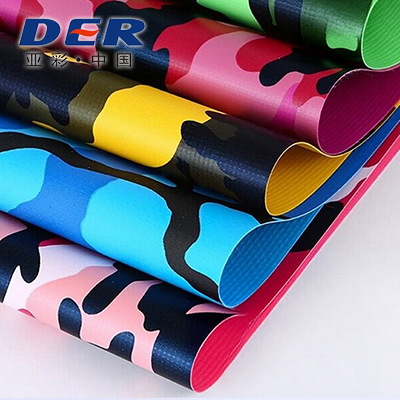
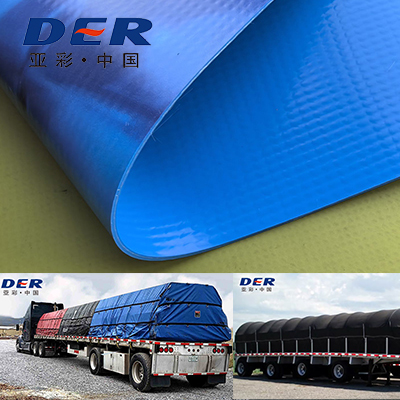
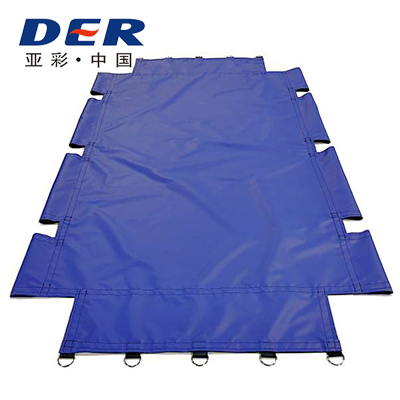
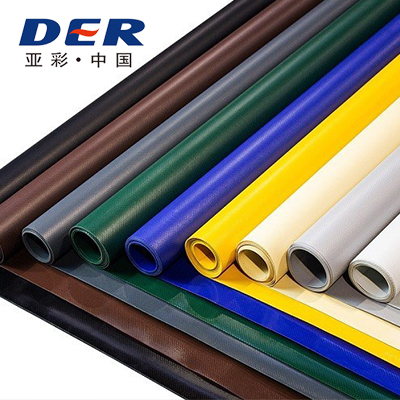
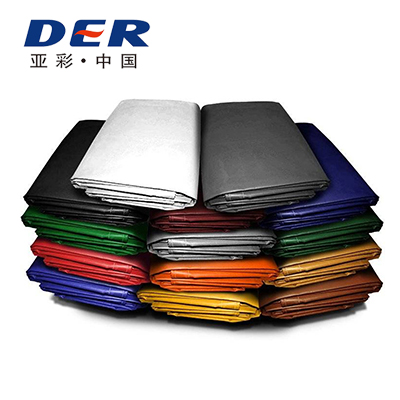
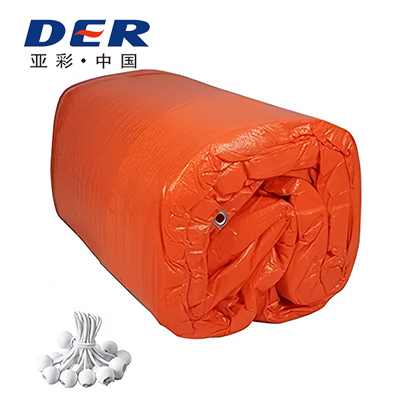
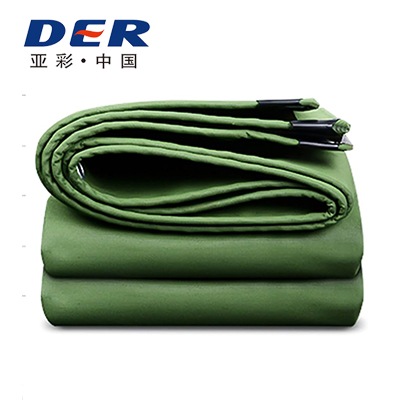
Heavy Duty Tarps
Reinforced tarp structures for repeated outdoor handling, weather, abrasion and demanding industrial protection.
Explore heavy duty tarps →





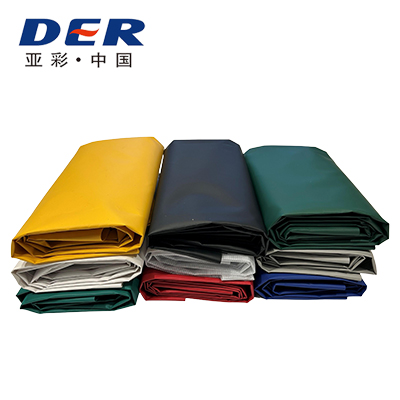
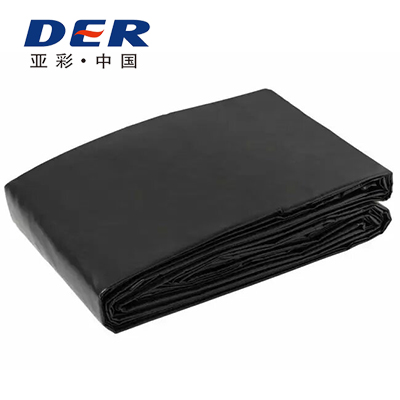
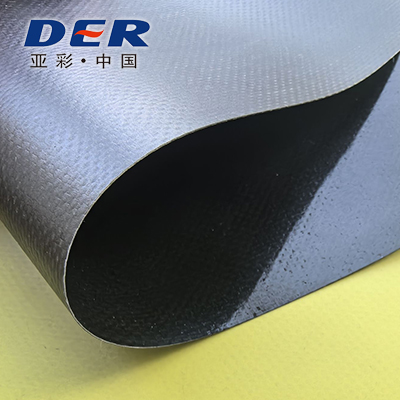
DERFLEX manufactures heavy duty tarps, custom tarps, industrial tarps and PVC coated tarp materials for transportation, construction, agriculture, industrial equipment protection and OEM tarp programs. Buyers can source roll goods, cut panels, welded panels or finished covers with specification-driven customization.
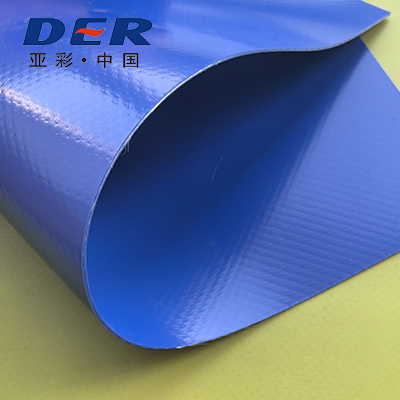
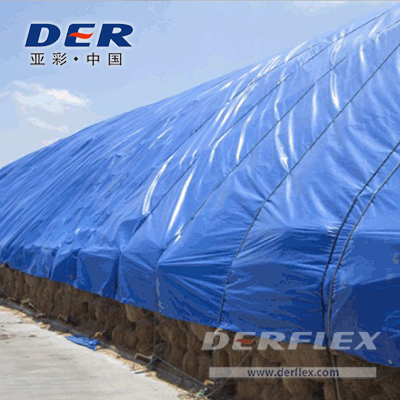
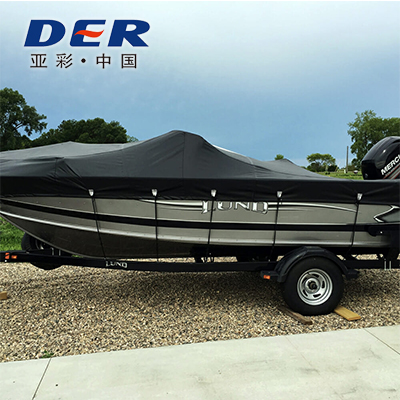
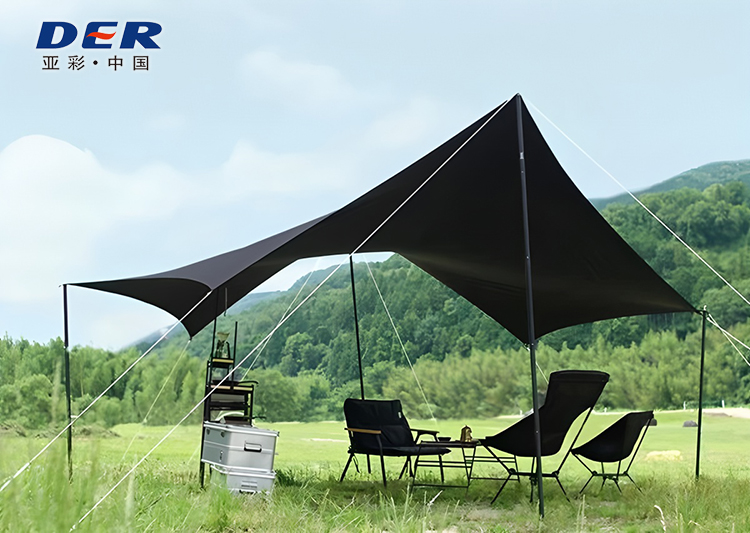
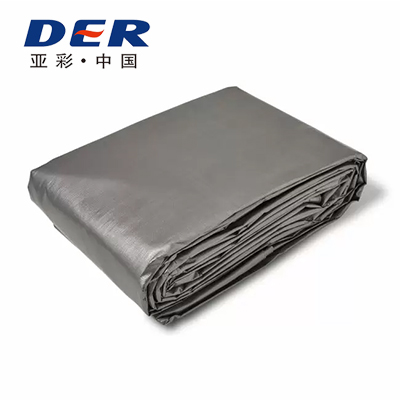
A tarp, short for tarpaulin, is a flexible protective sheet used to cover cargo, equipment, materials, vehicles, buildings and outdoor storage. Tarps may be made from PVC coated polyester, vinyl, polyethylene, canvas, mesh, clear PVC or other reinforced fabrics. Heavy duty industrial tarps are commonly engineered around waterproofing, UV exposure, tear resistance, abrasion, repeated handling, edge reinforcement and secure fastening.
A professional tarp program starts with the end use and the failure risks, then works backward to material construction, fabrication and quality control.
DERFLEX supports distributors, importers, tarp fabricators, transport fleets, contractors, equipment suppliers and industrial buyers that need repeatable specifications rather than a one-time shelf size. A project can begin with PVC coated fabric rolls, move to welded or cut panels, or be supplied as a completed tarp with reinforced hems, webbing, grommets, D-rings, pockets, straps, printing and export packaging.
For higher-use applications, the important questions are not only “How thick is the tarp?” or “What is the GSM?” Buyers should also define UV exposure, wind flutter, abrasion points, fold cycles, low-temperature handling, tie-down loads, seam layout and the expected service cycle.
View Custom Tarp Capability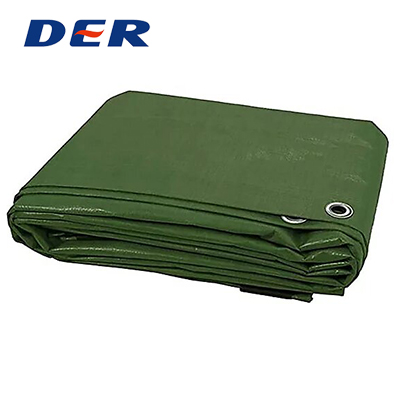
Material strength matters, but service life is also controlled by seams, edge build-up, reinforcement and how tie-down loads enter the cover.
Use the application and exposure to narrow the product family first. Then confirm the material, weight, reinforcement and hardware details.
Reinforced tarp structures for repeated outdoor handling, weather, abrasion and demanding industrial protection.
Explore heavy duty tarps →Made-to-order size, shape, weight, color, reinforcement, grommet layout, branding and packing.
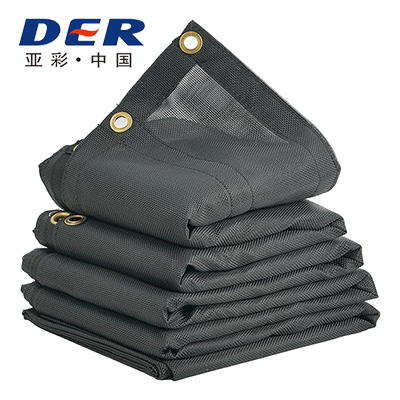
Explore custom tarps →Protect machinery, inventory, materials, work areas and equipment in commercial and industrial environments.
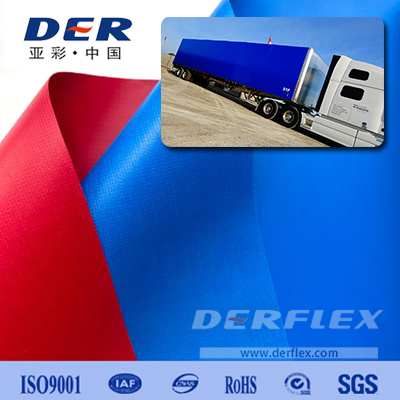
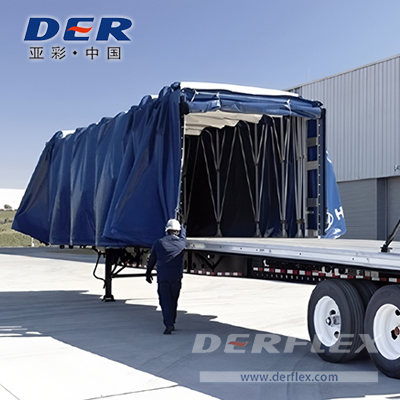
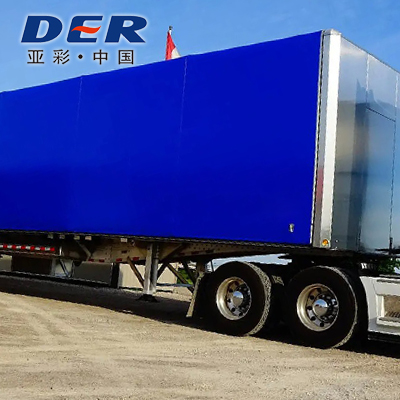
Explore industrial tarps →PVC truck tarp fabric and finished covers for flatbed, dump, trailer, roll tarp, lumber and steel cargo.
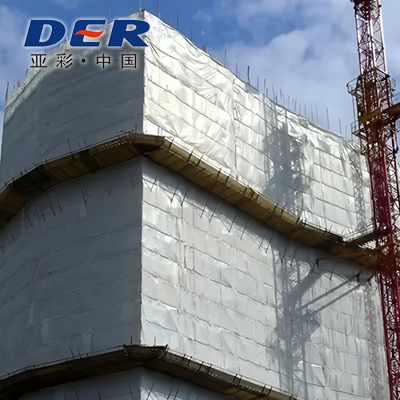
Explore truck tarps →Weather protection, scaffolding, temporary roofing, equipment protection and jobsite containment.
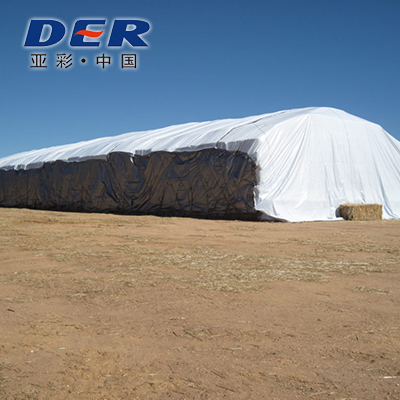
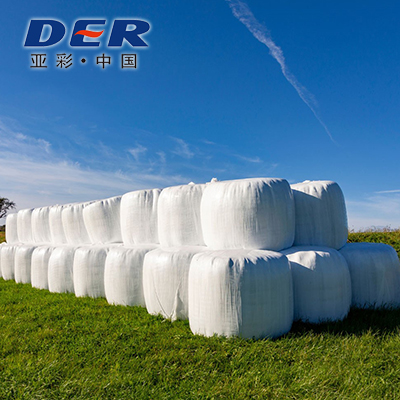
Explore construction tarps →Hay, grain, silage, farm equipment, crop and agricultural storage protection.
Explore agriculture tarps →PVC coated structures for rain protection, outdoor storage, truck cargo and long-term weather exposure.
Explore waterproof tarps →Breathable mesh covers for shade, debris, truck loads, screening and reduced wind load.
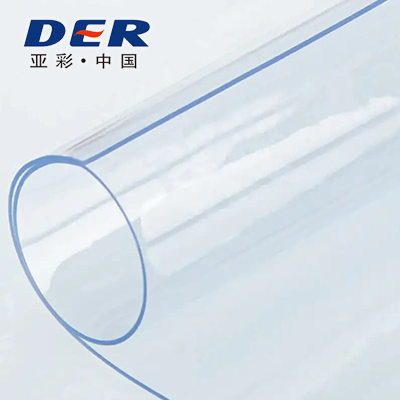
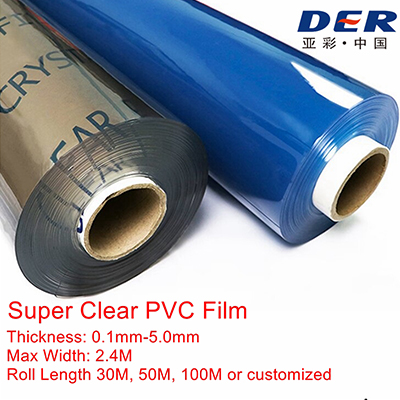
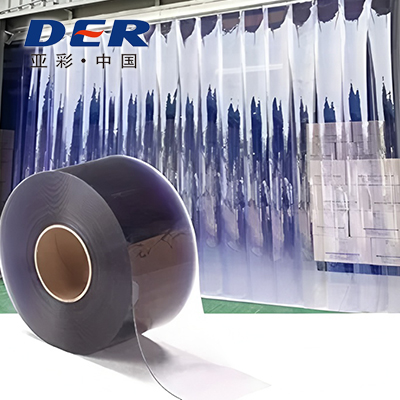
Explore mesh tarps →Transparent PVC tarp and enclosure materials where visibility and weather protection must work together.
Explore clear tarps →There is no universal “best tarp.” Select the material family according to the exposure, expected reuse, fabrication method, handling and target cost.
| Material Family | Strengths | Common Applications | Selection Note |
|---|---|---|---|
| PVC coated polyester / vinyl | Waterproof, weldable, strong customization range, suitable for reinforced fabrication | Truck covers, industrial covers, construction, agriculture, machinery, long-term outdoor protection | Strong fit for repeat-use B2B tarp programs where fabrication and consistent specification matter. |
| PE / poly tarp | Lightweight, economical, convenient for temporary coverage | Temporary weather protection, general construction, short-cycle outdoor covering | Evaluate thickness, weave and UV stabilization when comparing grades. |
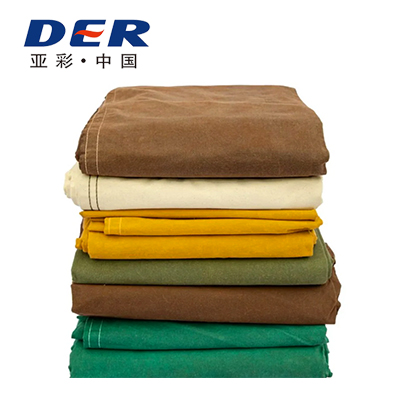
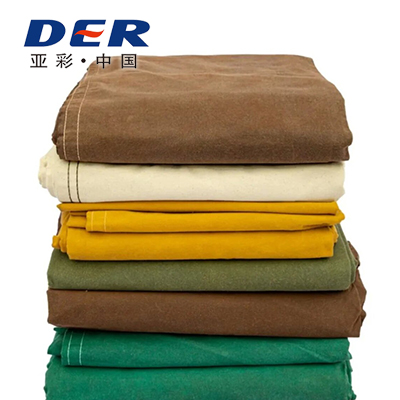
| Canvas | Breathable, traditional handling, suitable for selected dry-cover applications | Equipment, general cargo and applications where breathability is useful | Not the same waterproof system as PVC; treatment and environment matter. |
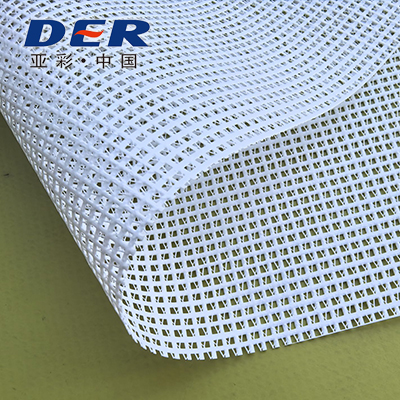
| PVC mesh | Airflow, shade and lower wind resistance | Dump trucks, debris, fencing, privacy, shade, ventilation covers | Open area and mesh density should match airflow, containment and wind requirements. |
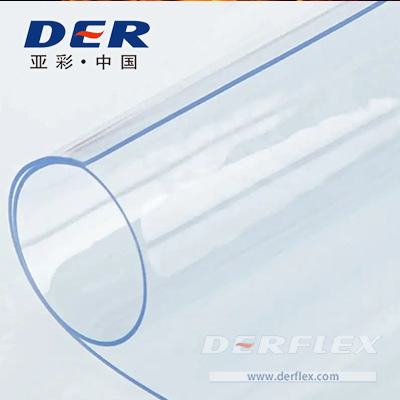
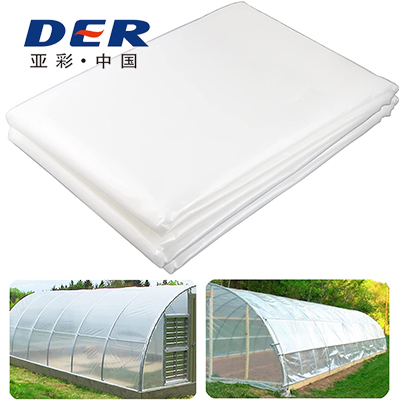
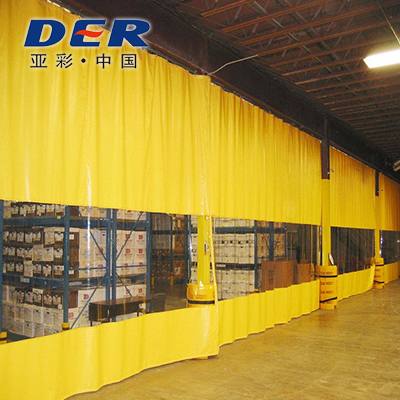
| Clear PVC | Visibility, daylight transmission and weather barrier | Patio enclosures, industrial curtains, observation covers, greenhouse side panels | Thickness, clarity, cold flexibility and edge design affect the finished installation. |
Material suitability depends on the actual application, test requirements, environment and fabrication design. Confirm the final construction against the approved specification and sample.
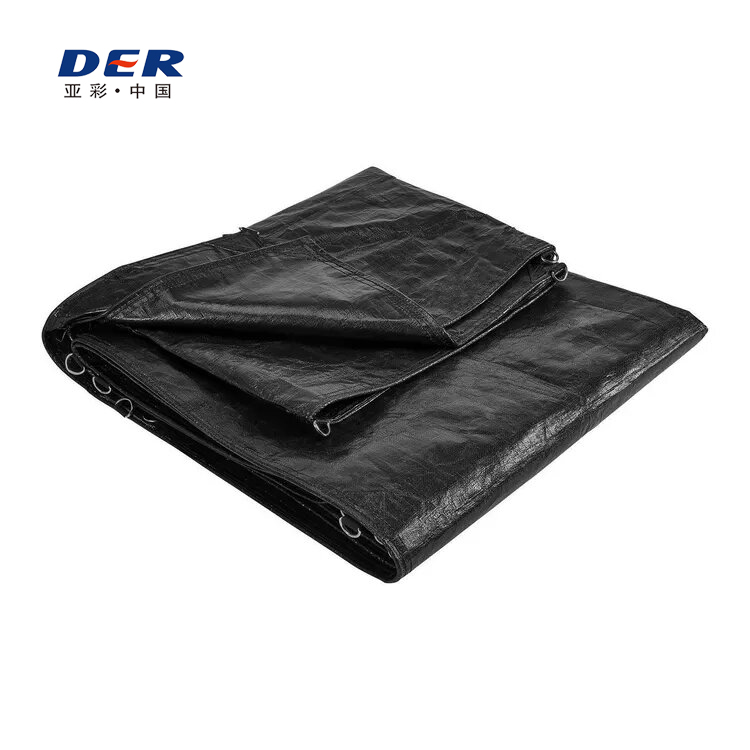
A strong main sheet can still fail at a corner, seam, grommet or abrasion zone. Design the full load path.
“Heavy duty” should not be defined by one thickness number. A durable tarp combines a suitable base fabric, coating or laminate system, tear and tensile properties, abrasion behavior, weld or seam integrity, edge reinforcement and attachment hardware that match the field loads.
Different applications fail in different ways. Use the dominant risk to decide what matters most in the specification.
Prioritize tear resistance, abrasion, edge reinforcement, welds, webbing and secure hardware placement.
Prioritize UV exposure, waterproofing, drainage, seam integrity and repeat fastening.
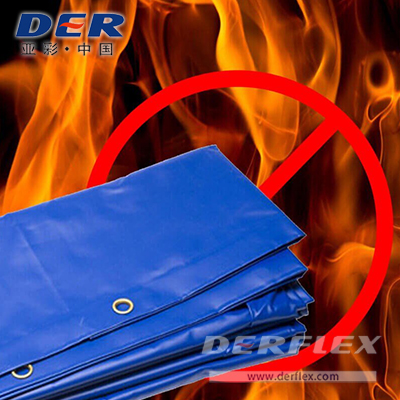
Evaluate waterproofing, wind load, FR requirements, debris control and installation method.
Balance UV resistance, water shedding, large-area handling, foldability and seasonal reuse.
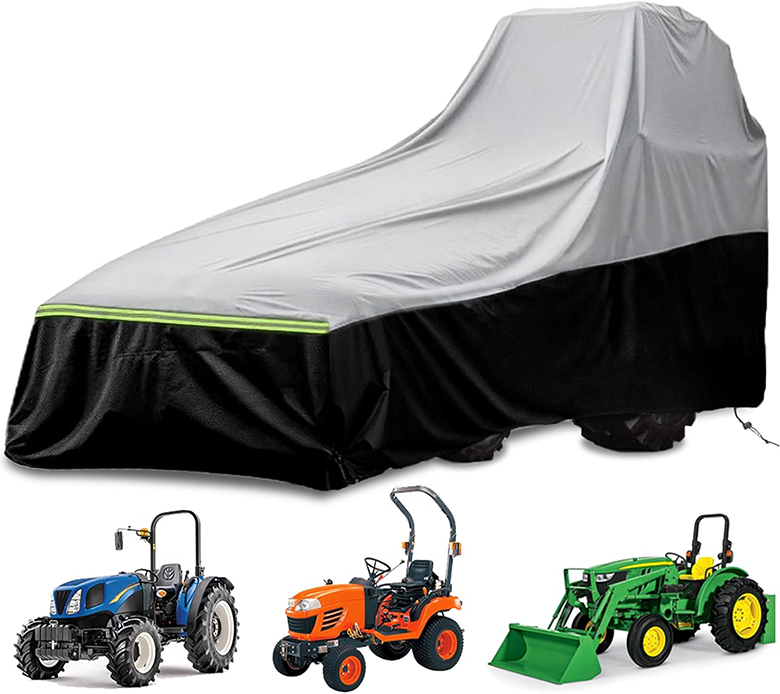
Match the cover to geometry, sharp transitions, access points, abrasion zones and tie-down locations.
Choose mesh or solid construction according to containment, airflow and weather protection.
Include low-temperature flexibility plus fold and handling performance in the evaluation.
Control repeatability, approved sample, packaging, labeling, batch consistency and reorder references.
Truck tarps, trailers, flatbed, dump trucks, roll tarp systems and cargo protection.
Truck tarp hub →Scaffolding, temporary roofing, material covers, equipment and weather protection.
Construction tarp hub →Hay, grain, silage, farm machinery and outdoor agricultural storage.
Agriculture tarp hub →Construction equipment, generators, machinery, irregular assets and outdoor storage.
Equipment tarps →Do not treat area weight and thickness as interchangeable measurements. Compare products on the same basis and within the same material family.
Grams per square meter measures finished material mass per area. It is useful for comparing constructions when the material family is understood.
GSM & oz guide →Mil and millimeter measure physical thickness. Thickness does not directly tell you the base fabric strength, coating adhesion or edge design.
Tarp thickness guide →Confirm whether the quoted dimension is cut size or finished size, then account for drops, overlap, seams and edge construction.
Tarp size guide →| Specification | What It Tells You | What It Does Not Tell You | Buyer Check |
|---|---|---|---|
| GSM | Mass per square meter | Exact thickness, tear strength or service life | Compare material construction and coating system with the weight. |
| oz/yd2 | Area weight in imperial units | Thickness unless density/construction are known | 1 oz/yd2 ≈ 33.91 GSM. |
| Mil / mm | Physical thickness | Fabric strength, UV formulation, seams or reinforcement | Use together with material family and construction. |
| Denier / yarn | Yarn size direction | Finished tarp strength by itself | Also review weave, coating and tested tensile/tear values. |
| Finished size | Actual cover dimensions | Whether overlap/drop is sufficient | Measure the coverage path, not only the object footprint. |
Most field loads enter a tarp through the perimeter, seams, hardware and contact zones. Specify these details before bulk production.
Panel layout and weld width should fit the material and the expected load direction. Waterproofing at seams matters as much as the center sheet.
Perimeter build-up distributes loads and helps reduce local distortion around attachment points.
Hardware type, spacing and backing reinforcement should follow tie-down direction and expected pull force.
Corners often carry concentrated tension. Patch geometry and load transfer matter more than simply adding a thicker eyelet.
Custom tarp manufacturing is useful when stock dimensions, generic hardware or standard material grades do not fit the application. DERFLEX can discuss the tarp from two directions: the coated fabric itself and the finished cover construction.
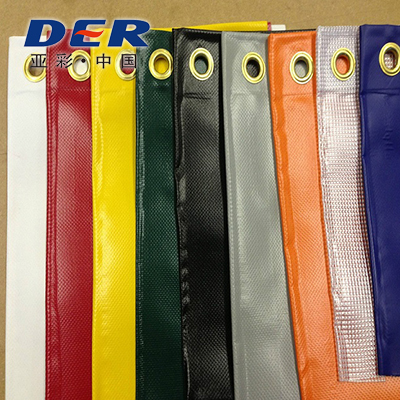
Weight, base fabric, coating/lamination direction, color, surface finish and optional performance treatments.
Finished size, roll width, panel layout, cut shape, drops, flaps, openings and overlap.
Hems, webbing, corner patches, wear zones, rope edges and other load-distribution details.
Grommets, D-rings, straps, pockets, printing, labels, cartons and private-label packing.
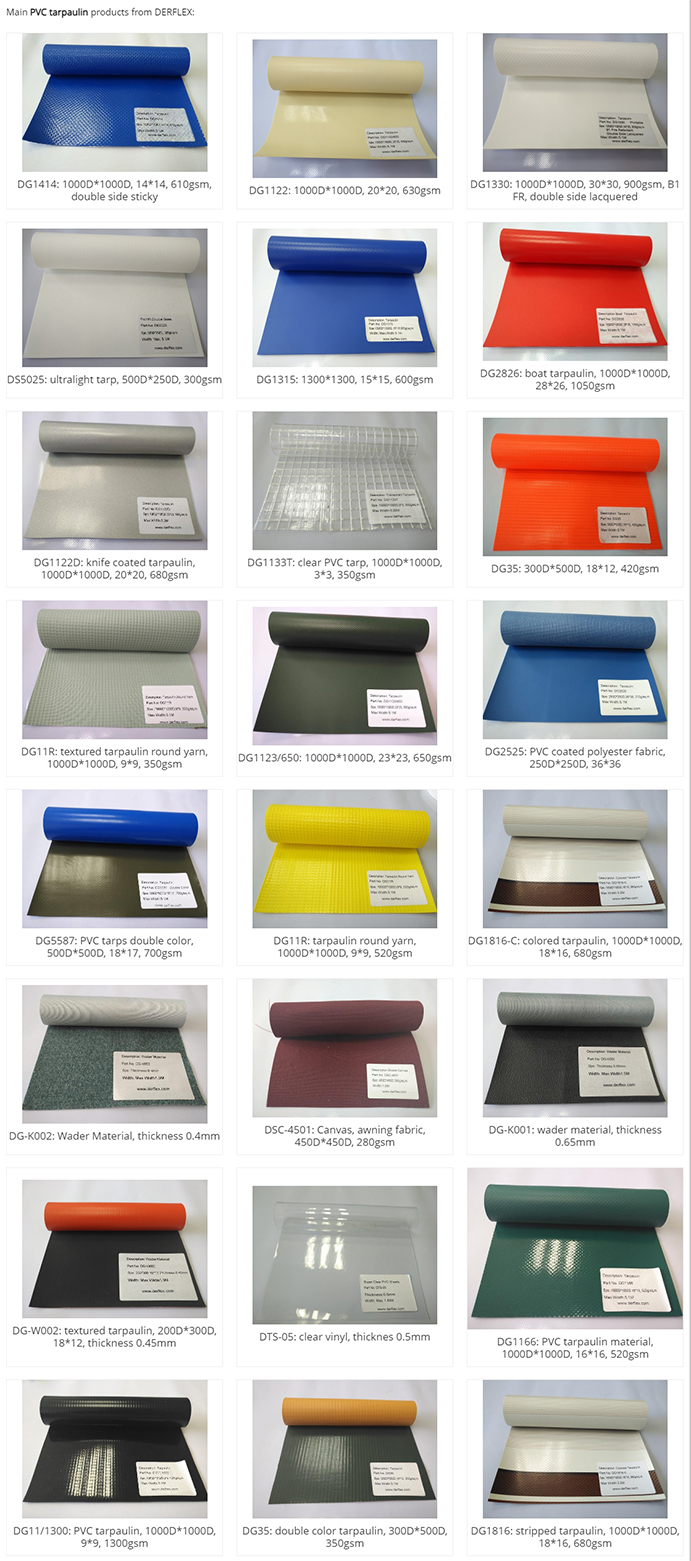
Use a controlled material code, approved sample and production specification to improve repeat-order consistency.
The exact production route depends on the product, but a professional program should control the fabric, PVC system, finishing, conversion and inspection as one repeatable specification.
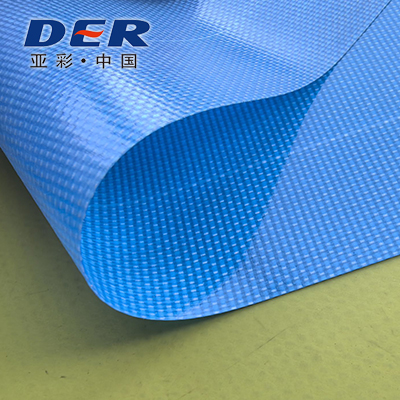
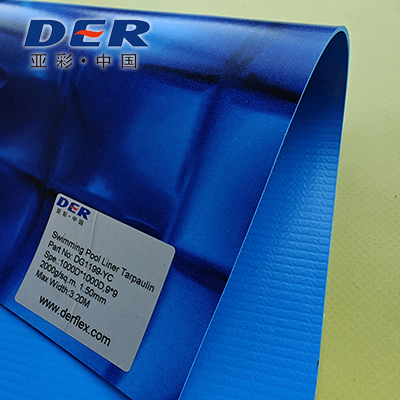
Large-format PVC tarp and coated-fabric systems can be engineered for transportation, tents, agricultural covers, outdoor storage, industrial curtains and other protection systems.
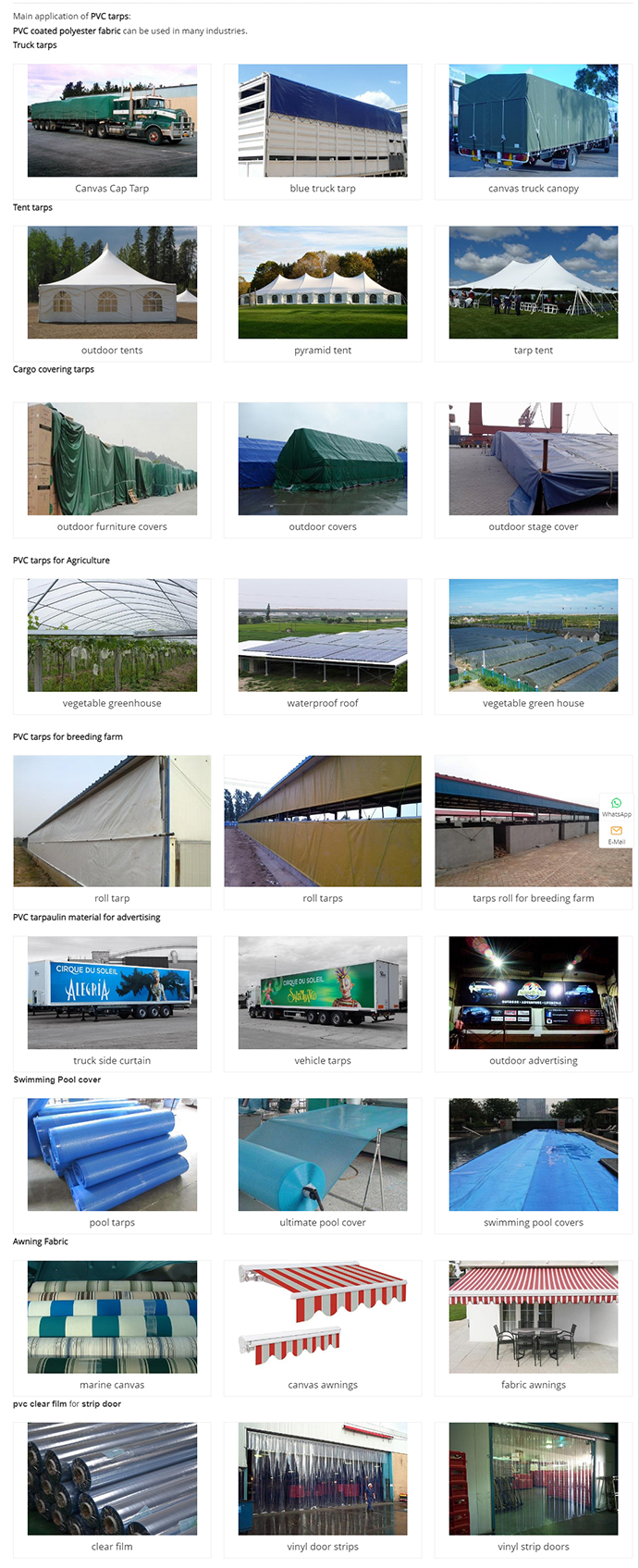
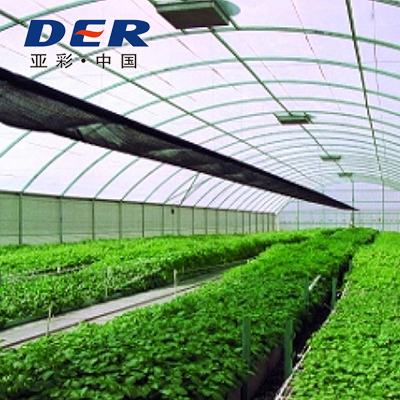
A truck cover, greenhouse panel, grain cover and industrial curtain may all use flexible coated materials, but they do not require the same weight, reinforcement, surface or fabrication details.
For custom and repeat orders, agree on the test method, sample, specification revision and acceptance criteria before mass production.
Use defined methods and units. Strength values should be tied to the exact construction and material direction.
Evaluate whether the coated structure maintains bond integrity under the agreed test and use condition.
Compare materials only when the test setup, abradant, load, cycles and evaluation endpoint are equivalent.
Abrasion test guide →Check the panel and the fabricated joints. A waterproof sheet can still leak through seams or hardware penetrations.
Review the complete load path from anchor and hardware through reinforcement into the main fabric.
Define the lot, sampling plan, defect categories, CTQs and acceptance/rejection rule before inspection.
PSI / AQL guide →Start with the working condition, not a vague phrase such as “heavy duty.” A clean RFQ reduces hidden assumptions and makes quotations easier to compare.
| RFQ Field | What to Send | Why It Matters |
|---|---|---|
| Application | Truck, equipment, roof, grain, warehouse, construction, resale line, etc. | Defines the likely risk profile and material direction. |
| Finished size | Length, width, drop, shape, openings, flap or drawing | Controls material area, seam layout and fabrication. |
| Quantity | Trial quantity and expected repeat-order volume | Affects production route, MOQ and commercial efficiency. |
| Exposure | UV, rain, wind, cold, abrasion, folding, chemicals or mildew | Helps select coating, weight, reinforcement and finish. |
| Hardware | Grommet spacing, D-rings, straps, pockets, webbing | Controls how loads enter and leave the finished cover. |
| Quality basis | Approved sample, tests, tolerances, inspection plan | Creates a reproducible basis for bulk and repeat orders. |
| Commercial scope | Destination, Incoterm, packing, label and delivery target | Prevents quotations from being compared on different assumptions. |
Price depends on material, area, weight, reinforcement, hardware, fabrication, quantity, packaging and delivery basis.
Tarp cost guide →MOQ changes with material availability, color, width, coating formula, printing and finished-cover complexity.
Tarp MOQ guide →Use a controlled specification so multiple suppliers quote the same product basis.
Tarpaulin RFQ template →
Use product samples, drawings, specifications and target applications to make technical discussions faster and clearer.
Stock tarps are useful for fast, small-quantity general use. Manufacturing-based supply becomes more valuable when the buyer needs controlled material construction, custom dimensions, reinforced finishing, logo/label programs, stable repeat orders or documentation tied to an approved specification.
| Buyer Need | Stock-Oriented Seller | <, TH>DERFLEX Manufacturing Route|
|---|---|---|
| Sizes | Choose available stock | Custom finished size, panels and roll formats |
| Material | Limited listed grades | Application-matched material discussion |
| Hardware | Fixed design | Grommet, D-ring, webbing and reinforcement layout |
| Branding | Usually limited | Printing, labels, packaging and private-label support |
| Repeat orders | Depends on stock | Specification and sample references can support repeatability |
Use the hub below to move from a broad tarp requirement to a more controlled material and purchasing specification.
Tarp is the common shortened form of tarpaulin. In industrial procurement, both terms can refer to flexible covers made from PVC coated polyester, PE, canvas, mesh, clear PVC or other materials. The useful distinction is not the word itself but the material construction, duty level and finished-cover design.
A heavy duty tarp combines appropriate base fabric, coating or laminate construction, tear/tensile properties, abrasion behavior, seam strength, edge reinforcement and fastening hardware for repeated or demanding use. A high GSM or thick sheet alone does not guarantee a durable finished tarp.
The answer depends on the application, climate and handling. PVC coated polyester is commonly selected for durable waterproof industrial and transport covers because it can combine strong fabric structure, waterproof coating, weldability and reinforced fabrication. UV formulation, seams, installation and maintenance still matter.
Yes. Custom programs can include finished dimensions, drops, flaps, cut shapes, openings, panel layouts, hems, webbing, grommets, D-rings, pockets, straps, logo printing, labels and packing. A drawing or reference photo helps define irregular covers.
Send the application, finished size, quantity, material or duty direction, exposure conditions, color, reinforcement, hardware layout, branding, packing, destination and any required testing. If the material is not yet known, describe the failure risks and ask for a recommendation.
Yes. Depending on the program, DERFLEX can discuss roll goods, cut sheets, welded panels, semi-finished components or completed covers. Converters and fabricators can source material while distributors and end users may prefer finished tarp supply.
Send DERFLEX your application, finished size, quantity, weather and abrasion exposure, target material direction, reinforcement, grommet/D-ring layout, color, branding and packing requirements. If you do not yet know the GSM or thickness, describe the working conditions and let the specification discussion begin there.