Company News Industry News

Coffee Drying Tarps & Coated Fabric Sourcing Guide | DERFLEX

DERFLEXCoated fabrics · Custom tarps
Discuss your sourcing brief ↗

Agricultural materials / Sourcing guide

Coffee Drying Tarps
and Coated Fabric Sourcing Guide

Coffee drying tarps provide a dedicated surface for spreading coffee cherries or parchment during sun drying. For cooperatives, processors and importers, the buying decision starts with the contact surface, daily handling and rain plan—not just the fabric weight.

Discuss coated fabric rolls or custom tarp development with DERFLEX, including panel dimensions, seams, reinforcement and packaging. Direct coffee contact requires a documented material review for the intended use before a specification is approved.

Specify the role first: drying floor, raised-bed surface or separate rain cover. Each needs a different material brief.

Roll goodsCustom panelsOEM sourcing
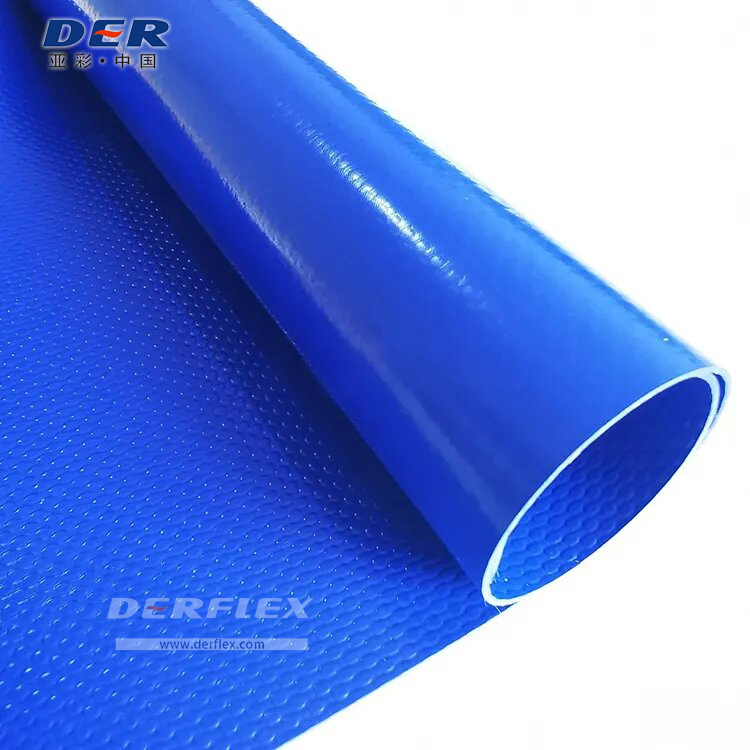
DERFLEX material referenceBlue DERFLEX coated polyester fabric rolled back to show its flexible coated surface
Coated fabric reference. Colour and appearance do not establish suitability for direct coffee contact.

Start with the job

One drying system.
Three material roles.

Terms such as coffee drying sheets, coffee bean drying mats and agricultural drying tarpaulins can describe very different products. State exactly where the material sits and whether coffee touches it.

01

Patio drying floor

A solid sheet separates coffee from the prepared supporting surface and helps contain a lot. Review the contact face, cleanability, seam profile and ease of moving an empty panel.

Priority: documented contact suitability + practical handling.
02

Raised-bed drying surface

A permeable bed surface supports coffee while allowing air below. Specify mesh aperture, support spacing, sag and edge attachment. A solid waterproof tarp blocks through-flow and changes the drying arrangement.

Priority: airflow + bean retention + supported strength.

03

Separate rain cover

A cover above a drying area needs runoff, secure fixing and a ventilation plan. Its weather barrier function differs from the job of the contact sheet beneath the coffee.

Priority: rain shedding + wind restraint + ventilation.

What is a coffee drying tarp? It is a flexible sheet used as part of a coffee sun-drying setup. A solid tarp is a barrier surface; it does not provide airflow through the sheet or replace moisture monitoring, turning and weather management.

For other farm covering tasks, see DERFLEX agricultural tarp applications and the tarpaulin material range. Keep coffee contact requirements separate from a general farm-cover specification.

Material decision

PE, PVC or mesh?
Compare the whole setup.

No material name or GSM value proves that a sheet is suitable for coffee. First review the proposed construction and contact documentation, then compare strength, handling, fabrication and cost.

Coffee drying material selection matrix
Material directionWhere to evaluate itTrade-off to checkSample review
Woven PE with a laminated surfacePortable sheets and distributed farm or cooperative programs where carrying weight matters.Laminate wear, exposed weave, punctures, fold fatigue and heat-sealed joint quality.Review the actual contact construction, finished panel weight and repeated folding.
PVC-coated polyesterRepeated-use fabricated panels or weather covers where welds, hems and reinforcement need detailed control.More mass can make large panels harder to handle. Coating formulation and surface treatment require use-specific review.Check contact documentation when relevant, surface condition, cleanability and welded seam samples.
Permeable drying-bed meshSupported raised beds where airflow below the coffee is part of the process.Openings must retain the smallest material in the lot; sag and support affect performance.Test aperture, loaded sag, edge attachment and the specified contact face.

DERFLEX’s PVC and PE construction comparison explains the broader material differences. For a coffee program, add the contact-use and cleaning review before transferring any industrial specification.

Is PVC suitable?

PVC-coated fabric should be considered for direct coffee contact only after the exact formulation and finished construction have been assessed for that use. An industrial tarp’s waterproofing, UV treatment or strength does not establish food-contact suitability.

Know before ordering

The contact surface
comes first.

A clean-looking surface and a “food grade” label are not enough to define an approved use. Ask for evidence tied to the material you will actually receive.

This guide does not identify a verified DERFLEX food-contact coffee drying grade. Confirm the proposed material, available evidence and intended contact conditions before approving any direct-contact order.

  1. 01

    Describe the exposure

    Identify cherries, parchment or hulled beans; expected contact duration and temperature; repeated use; cleaning method; and the destination market.

  2. 02

    Review the complete construction

    Ask for available composition and contact-use documentation covering the coating or laminate, colour, surface finish and relevant fabrication materials. A document for one resin alone may not cover the finished tarp.

  3. 03

    Agree the verification plan

    Have your quality team or a qualified laboratory identify the evidence and testing required for the stated use. Review odour and possible taint separately; an odour check does not replace contact-suitability assessment.

  4. 04

    Lock the approved specification

    Retain an approved sample and material reference. Define batch identification and approval of changes to colour, formulation, printing or surface treatment.

A purchasing specification

Write a brief that
suppliers can quote.

GSM is mass per unit area, not thickness, strength or contact approval. Use it alongside the base fabric, coating, dimensions and finished construction. Exact coffee-use specifications require confirmation.

ItemWhat to defineWhy it changes the order
Application / contactDrying floor, mesh bed or rain cover; coffee type; direct or indirect contact.Determines the material review and evidence required.
Material / surfaceProposed polymer, reinforcement and contact face; available supporting documents.Avoids replacing a reviewed material with a visually similar grade.
Weight / thicknessAgreed GSM and thickness, their tolerances and measurement method.Affects handling, construction and acceptance. Values to be confirmed with DERFLEX.
Finished size / seamsUsable length and width after hems; allowed seam number, location and profile.Cut size and finished usable size are different.
Mechanical propertiesAgreed warp/weft tensile and tear requirements; seam and edge checks.Addresses damage during turning, empty-panel handling and fixing.
Outdoor exposureLocation, sun exposure, season length, wind and storage conditions.UV and weathering requirements must match the actual service conditions.
Finishing / packingHem design, fixing points, identification, roll or folded pack and unit mass.Changes cleaning, deployment, distribution and freight cost.
Commercial termsQuantity, sample scope, tests, destination, delivery term and required date.MOQ, price and lead time are confirmed against the agreed construction.

Check the empty panel weight.

Approximate fabric mass (kg) = length (m) × width (m) × GSM ÷ 1,000.

Example only: a 6 × 8 m panel at 500 GSM contains about 24 kg of fabric before hems, overlaps and fittings. This is a handling calculation, not a recommended coffee drying specification.

24 kg fabric only

Use finished panel mass for the final handling assessment.

Review the coated polyester material construction when preparing a roll-goods specification. Material capability alone does not qualify a coffee-contact application.

Fabrication details

Design around turning,
cleaning and empty handling.

A useful coffee drying sheet needs more than a strong centre panel. Seams, edges and the movement of workers and tools should be reviewed together.

Keep the working face accessible.

Agree a seam layout before fabrication. Minimise raised joints in the turning path, and inspect overlaps and hems for places that hold coffee fragments or cleaning residue. Confirm the welding process on the exact coating or laminate; settings are material dependent.

Place reinforcement where it is needed.

Reinforce handling and fixing zones without creating unnecessary pockets on the contact face. Locate eyelets and identification outside the active drying area where practical. Agree fixing-point pull tests when anchoring is part of the design.

Separate containment from lifting.

A hem can help retain coffee, but a tarp should not be used to lift a loaded batch unless the complete product has been specifically designed and rated for that purpose. Large panels may be easier to manage as smaller identified modules.

Plan the rain response.

Define how coffee will be protected or moved before rain arrives. A waterproof floor can retain water from above. For an overhead cover, provide drainage and ventilation; do not treat an improvised sealed wrap as a drying system.

Keep production lots separate. Specify panel labels or batch identifiers in a non-contact zone. Do not substitute printed advertising banner stock or previously used industrial covers for a reviewed coffee drying surface.

For size, weld, reinforcement and packaging development, see DERFLEX OEM agricultural tarp options.

Sample to repeat order

Approve the sample
before the bulk order.

A swatch helps review a surface. A fabricated sample reveals what seams, folding and cleaning will look like in service.

  1. Document review

    Match the proposed grade, contact conditions and destination requirements to the available evidence. Resolve any gaps before approval.

  2. Construction inspection

    Measure finished size and mass. Check coating defects, exposed reinforcement, seam consistency, hem cleanliness and fixing placement.

  3. Handling and cleaning trial

    Try turning tools, empty-panel folding and the intended cleaning procedure. Check for surface damage, delamination, retained debris and residual odour.

  4. Controlled process trial

    After contact suitability is established, trial a small identified lot under the processor’s approved procedure. Record weather, turning, moisture readings and quality observations.

  5. Repeat-order controls

    Retain the approved sample, test plan, tolerances and batch reference. Agree change control and inspection criteria for bulk deliveries.

Work with DERFLEX

Source a material program,
with the details agreed.

DERFLEX’s published range includes coated fabrics, agricultural tarps and OEM fabrication options. Use that material and conversion capability to develop an application brief, sample and repeat-order specification.

Roll goods for fabricators

Define width, roll length, coating direction, GSM and approved sample reference. Local converters should validate their seam and finishing process on the supplied material.

Custom panel development

Discuss finished dimensions, seam positions, reinforcement and packaging. Confirm which construction and tests DERFLEX can supply against the approved brief.

Importer & cooperative supply

Agree unit identification, pack size, receiving checks and distribution requirements. Quote MOQ, lead time and freight on the actual order scope.

Explore custom fabric development and supply options when the application requires a specification beyond a standard stock sheet.

What drives coffee drying tarp prices?

The delivered price depends on the material construction, contact-use evidence and tests, area, GSM, seam work, reinforcement, quantity, packaging and freight. Compare quotations against the same finished usable area and approved specification. Include handling effort and expected replacement conditions in the purchasing decision; a low price per sheet can hide a smaller usable size or a different construction.

Buyer questions

Coffee drying tarps:
practical answers.

For farms, processing stations, cooperatives, distributors and OEM fabricators.

Can any waterproof tarp be used to dry coffee?

No. Waterproofing does not establish suitability for direct coffee contact. Review the exact material, surface finish, prior use, cleaning method and supporting contact-use documentation. Use a dedicated surface approved for the intended process.

Is PE or PVC better for coffee drying tarps?

The choice depends on contact suitability and the drying setup. PE may suit programs that prioritise low carrying weight; PVC-coated polyester may suit fabricated panels that need detailed welding and reinforcement. Compare actual samples and finished panel mass after reviewing contact requirements.

What GSM should a coffee drying sheet have?

There is no universal coffee drying GSM. Select it with the base fabric, coating, tear resistance, panel area and handling method. A heavier sheet is not proof of better contact suitability, faster drying or better coffee quality.

Can a solid tarp replace mesh on a raised drying bed?

It changes the drying arrangement because a solid sheet blocks airflow through the bed. Where the process requires air below the coffee, specify a suitable permeable surface with the right aperture, support and contact-use evidence.

Will a tarp make coffee dry faster?

A tarp alone cannot guarantee faster drying. Weather, airflow, coffee type, layer depth, turning and the drying system all affect the result. Confirm performance in a controlled process trial and use the processor’s approved moisture-measurement procedure.

How should coffee drying tarps be cleaned and stored?

Use a cleaning procedure compatible with the approved material and coffee process. Remove residues, rinse as required and dry the sheet before storage. Keep the clean contact face protected from the dirty underside, fuels and chemicals. Remove damaged or contaminated panels from contact use.

Does DERFLEX offer custom sizes, samples and bulk quotations?

DERFLEX publishes custom fabric and agricultural tarp capabilities including dimensions, welding, reinforcement and packaging. Send the application brief for confirmation of a suitable material proposal, sample scope, minimum quantity, tests and delivery schedule. A coffee-contact grade is not established by this guide.

Start with a clear brief

Tell us how your
coffee is dried.

Send the application, contact conditions and panel layout. Request a material proposal, available supporting documents and a sample plan before finalising your bulk order.

Discuss your coffee tarp project

Include in your enquiry

01   Drying floor, raised bed or separate cover

02   Cherries, parchment or hulled beans

03   Direct contact, exposure time and temperature

04   Finished size, quantity and handling method

05   Material / GSM target, if already specified

06   Seams, reinforcement and cleaning procedure

07   Destination, tests and delivery requirement

A layout sketch and photographs of the intended setup help make the quotation more precise.

DERFLEX / Coated fabrics & custom tarpsApplication-specific sourcing. Specification-led supply.Request a quote ↗
Copyright © 2015 DERFLEX ( PVC tarpaulin manufacturer )All Rights Reserved.