


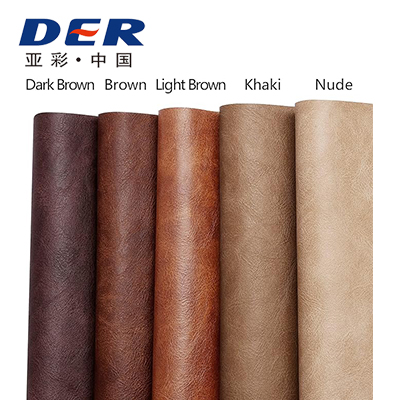
Synthetic Leather Fabric Manufacturer for Upholstery, Automotive, Furniture, Bags, and Custom OEM Programs
DERFLEX supplies synthetic leather fabric for buyers who need more than a generic leather-look material. We support furniture manufacturers, automotive interior suppliers, upholstery brands, bag and luggage makers, hospitality projects, medical seating programs, marine and commercial interiors, and OEM procurement teams looking for a more dependable path to faux leather fabric that balances appearance, durability, process compatibility, and commercial consistency.

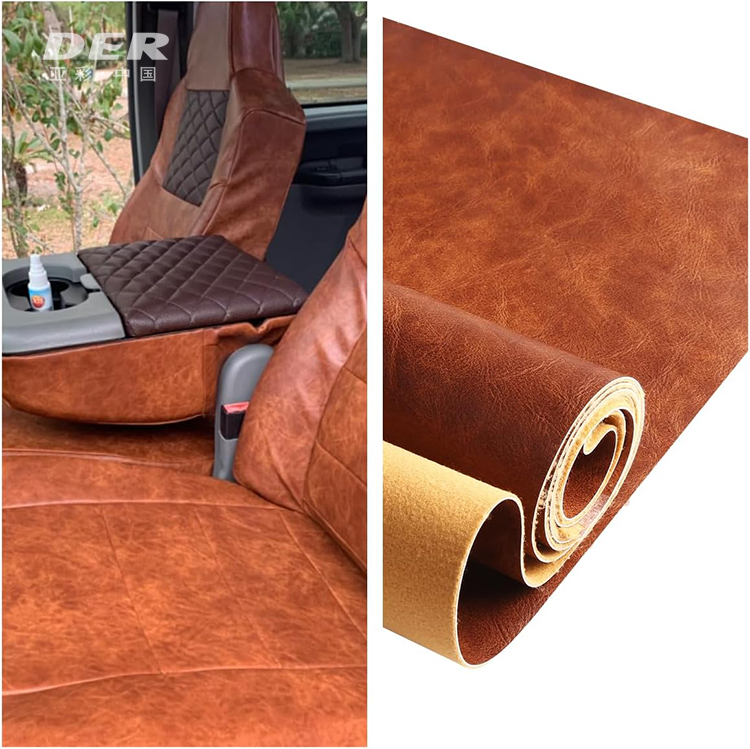
Whether the requirement is PVC leather fabric for upholstery, PU synthetic leather for a softer handfeel, silicone leather for premium performance, faux leather fabric for hospitality seating, automotive synthetic leather for seat covers, or custom artificial leather material for bags and wall panels, buyers usually care about the same fundamentals: texture realism, abrasion resistance, backing selection, color consistency, hydrolysis direction, fire pathway awareness, cleanability, thickness control, embossing options, lead time, and a supplier that understands that synthetic leather is not one category. It is a family of engineered surface materials serving different product and market needs.
What Is Synthetic Leather Fabric?
Synthetic leather fabric is an engineered material designed to deliver the appearance and selected performance characteristics of leather through coated or laminated surface construction rather than animal hide. In everyday sourcing language, it may be called faux leather fabric, artificial leather material, leatherette fabric, PVC leather fabric, PU leather fabric, vegan leather fabric, or synthetic upholstery leather depending on the market and the intended application. While those terms often overlap, the right material choice depends on much more than naming.
In practical buying terms, synthetic leather fabric is chosen because it offers more control over consistency, color, embossing, backing, thickness, and performance direction than natural leather in many production environments. It can also be customized for furniture, automotive seating, hospitality upholstery, bag manufacturing, wall panels, marine seating, medical furniture, gym equipment, and commercial interiors. This is why synthetic leather has become a major solution category rather than only a substitute product.
A serious synthetic leather page should explain that the category is not limited to one surface chemistry. PVC synthetic leather, PU synthetic leather, and silicone leather each serve different needs. Some buyers want stronger abrasion resistance and easier maintenance. Others want softer handfeel, premium appearance, hydrolysis resistance, environmental positioning, or advanced stain resistance. That is why the best synthetic leather supplier does not begin with a single material claim. The process starts by matching the material family to the product category and the end-use condition.
Key Features Buyers Look for in Synthetic Leather Fabric
Because this keyword attracts furniture buyers, upholstery factories, automotive programs, bag makers, and commercial interior projects at the same time, the content has to explain the broader buying logic behind synthetic leather material selection.
Leather-Like Appearance with Repeatable Consistency
Synthetic leather fabric is often chosen because it can deliver a clean, uniform look across production runs. Consistent grain, stable color, and controlled surface effect are especially valuable in furniture, seating, and contract interior programs.
Customizable Touch, Grain, and Finish
Faux leather can be customized for gloss level, matte effect, embossing depth, softness, handfeel, and color tone. That makes it easier to adapt the material to luxury, commercial, automotive, or hospitality styling requirements.
Wear and Abrasion Resistance
Upholstery and seating materials must hold up under repeated contact. Abrasion resistance, scratch awareness, surface retention, and coating quality all influence whether the leatherette performs well in real life.
Cleanability and Maintenance Convenience
Many buyers prefer synthetic leather because it is easier to clean and more commercially practical than genuine leather in selected environments such as restaurants, hotels, offices, medical seating, and public-use interiors.
Backing and Processing Flexibility
Different backings and constructions influence drape, sewability, lamination behavior, upholstery performance, and suitability for bags, seating, wall panels, or molded applications. Backing selection is often as important as the top surface.
Application-Specific Performance Options
Depending on the project, buyers may need hydrolysis resistance, cold crack direction, flame pathway awareness, stain resistance, antimicrobial pathways, or premium stain-clean performance associated with silicone leather and higher-end synthetic systems.
Need a Custom Synthetic Leather Material Instead of a Generic Stock Item?
DERFLEX supports custom synthetic leather development for color tone, thickness, base cloth, grain pattern, softness, finish, and end-use performance. Share the application, target market, and product requirement, and we will recommend a suitable faux leather direction.
Technical Specifications of Synthetic Leather Fabric
Synthetic leather fabric is not purchased only by one number. Buyers evaluate the complete construction: face material type, backing, thickness, width, embossing, color, stretch behavior, abrasion direction, and project-specific performance requirements. The table below is designed as a commercial sourcing guide for faux leather programs rather than a one-size-fits-all promise.
| Item | Typical Direction | Why It Matters |
|---|---|---|
| Surface Material Type | PVC synthetic leather, PU leather, silicone leather, and project-oriented hybrid faux leather constructions | Influences appearance, softness, durability, cost logic, and application fit |
| Backing | Knitted backing, woven backing, microfiber direction, nonwoven backing, or application-specific support layers | Affects sewability, dimensional behavior, upholstery fit, and handling |
| Thickness | Customized according to furniture, bag, automotive, wall panel, or upholstery program needs | Important for handfeel, structure, and product compatibility |
| Width | Production width selected according to machine range and conversion efficiency | Useful for cutting efficiency and factory planning |
| Surface Finish | Matte, semi-matte, glossy, embossed, smooth, antique, metallic, nubuck effect, or custom grain | Shapes product identity and market positioning |
| Color Matching | Standard shades and custom color matching according to brand or project requirement | Critical for OEM and repeat-order consistency |
| Performance Direction | Abrasion-resistant, hydrolysis-aware, stain-resistant, anti-scratch, cold crack direction, flame pathway, and easy-clean options | Allows the material to fit real use conditions |
| Processing Compatibility | Sewing, cutting, wrapping, lamination, upholstery, quilting, and custom product conversion | Important for downstream manufacturing efficiency |
| Customization | Custom grain, softness, embossing, logo effect, perforation, backing, and packaging support | Useful for OEM, private label, and commercial interior projects |
How Buyers Compare Faux Leather Material in Real Projects
One of the most common sourcing mistakes is comparing synthetic leather only by appearance in a photo. In real procurement, the more important questions often come later: does the material hold color well from batch to batch? Does the handfeel suit the target market? Is the backing right for sewing or upholstery? Is the abrasion direction good enough for seating? Does the finish clean easily? Is the material cost-balanced for volume production? These questions matter more than a single attractive sample image.
Furniture buyers may prioritize abrasion resistance, stain cleanability, and upholstery behavior. Automotive projects may put more attention on touch, stability, and interior finish consistency. Bag and accessory factories may care more about drape, embossing, fold behavior, and fashion color flexibility. The right synthetic leather supplier should understand those different priorities.
Applications of Synthetic Leather Fabric
This keyword attracts broad traffic because synthetic leather fabric is used across many product categories. A strong page should help each buyer quickly see whether the material family matches their own application.
Furniture Upholstery
Sofa producers, dining chair manufacturers, office seating brands, and hospitality suppliers commonly use synthetic leather fabric for upholstery because it offers commercial consistency, broad color choice, and practical maintenance behavior.
Automotive Interiors
Automotive synthetic leather can be used for seats, door panels, headrests, trims, and related interior applications where appearance, touch, and repeatability need to be controlled more closely.
Bags, Luggage, and Accessories
Faux leather for bags and accessories is often chosen for embossing flexibility, color variety, process convenience, and the ability to build consistent collections with stable material appearance.
Hospitality and Contract Interiors
Hotels, restaurants, bars, lounges, and public-use commercial spaces often need synthetic leather fabric that balances visual quality, stain cleanability, and practical replacement economics.
Medical and Wellness Seating
Some synthetic leather directions are selected for medical seating, spa furniture, gym equipment, and healthcare environments where easy cleaning and controlled performance pathways matter.
Custom OEM and Decorative Surfaces
Wall panels, upholstered panels, commercial wraps, private-label collections, and specialized industrial programs often require custom synthetic leather development for specific feel and finish goals.
Looking for a Synthetic Leather Supplier That Understands End Use?
The best faux leather is different for each category. Furniture, automotive, bags, hospitality, and medical seating do not all need the same leatherette structure. DERFLEX can help match the material family to the actual product and market.
Why Choose DERFLEX as Your Synthetic Leather Fabric Supplier
Material Family Coverage
DERFLEX supports multiple synthetic leather directions instead of forcing one material into every project. That gives buyers a more practical path across PVC leather, PU leather, faux leather, and silicone leather requirements.
OEM and Custom Development
We support custom grain, embossing, softness, color, thickness, backing, finish, and packaging. That is especially important for brands and manufacturers building differentiated upholstery or accessory products.
Lead Time with Production Awareness
Synthetic leather projects often depend on synchronized production schedules for furniture, automotive parts, or bag lines. Material supply needs to be managed with lead time awareness and repeat-order discipline.
Quality and Color Consistency
Buyers want more than a good first roll. They want repeatable surface quality, controlled handfeel, stable backing direction, and consistent appearance from order to order.
Application-Based Recommendation
The best synthetic leather supplier should understand where the material will be used. A furniture program, automotive interior, hospitality seat, medical bench, or bag collection each needs a different logic.
Commercial Support for Brands and Channels
Distributors, OEM brands, upholstery factories, and product designers often need more than raw material. They need a dependable material partner that can support sampling, matching, production scaling, and future repeat orders.
Why Serious Buyers Look Beyond “Leather Look” Claims
Many online offers describe faux leather in very general terms, but professional buyers know that surface look alone is not enough. A synthetic leather material may look attractive and still fail the real requirement if the backing is wrong, the color repeatability is unstable, the coating is not durable enough, or the softness does not match the product. That is why serious sourcing decisions depend on construction logic, not only visual appeal.
DERFLEX positions synthetic leather fabric as a solution category with multiple technical and commercial pathways. That helps the buyer move from broad keyword searching toward a more precise material decision that protects product quality and procurement efficiency.
Comparison: PVC Leather vs PU Leather vs Silicone Leather vs Genuine Leather
Synthetic Leather Directions
- PVC leather is often selected for practicality, durability, broad upholstery use, and strong cost control
- PU leather is frequently chosen for softer handfeel and a more premium fashion or upholstery presentation
- Silicone leather is often evaluated for higher-end stain resistance, cleanability, and premium technical positioning
- Synthetic leather generally offers stronger consistency in color, grain, and repeat-order stability than natural leather
- Customization in embossing, backing, thickness, and finish is often easier to control across OEM programs
Genuine Leather Comparison
- Genuine leather offers natural hide variation and a different luxury perception in certain markets
- It can also create more variability in texture, cost, yield, and color matching across production
- For many commercial programs, synthetic leather provides more scalable and predictable manufacturing logic
- Maintenance, budget, and appearance consistency often influence whether a buyer stays with synthetic leather or genuine leather
- The best choice depends on target market, product type, and brand position rather than one universal rule
Case Study: Upgrading a Furniture Upholstery Program with Better Faux Leather Matching
A typical synthetic leather sourcing scenario begins when a furniture or seating buyer is not fully satisfied with the existing material but cannot risk changing blindly. The current leatherette may be acceptable in appearance, yet still create problems such as inconsistent softness, unstable color from batch to batch, poor abrasion behavior, or a backing that does not upholster cleanly. These issues are expensive because they affect not only the factory line, but also the finished product’s customer perception.
In one common commercial case, a furniture-oriented buyer wanted a faux leather fabric that looked more premium, cleaned more easily, and stayed more consistent across repeat orders. The previous source had a workable price, but the production team lost time adjusting for variation and the finished product did not always present the same visual quality in every batch. The solution was not simply choosing a more expensive surface. It required a more disciplined material match: better embossing consistency, clearer softness target, more suitable backing, and tighter color direction.
This case-study logic applies not just to furniture, but also to hospitality seating, automotive trim, bags, and commercial interiors. The best synthetic leather fabric is not the one with the most attractive sample card alone. It is the one that works consistently from sampling to repeat production to end-use performance.
That is why supplier selection matters. A serious synthetic leather manufacturer helps the buyer move from broad inspiration to precise specification, reducing material risk and improving product outcome.
Already Have a Current Faux Leather Sample You Want to Match or Improve?
Send the existing sample, target application, color requirement, performance concern, or desired handfeel direction. DERFLEX can help recommend a better-fit synthetic leather fabric for your next development or repeat-order program.
Frequently Asked Questions About Synthetic Leather Fabric
What is synthetic leather fabric used for?
Synthetic leather fabric is used for furniture upholstery, automotive interiors, bags, hospitality seating, wall panels, medical seating, commercial interiors, marine seating, and a wide range of OEM products that need a leather-like surface.
What is the difference between PVC leather and PU leather?
PVC leather is often selected for durability, easy maintenance, and broader commercial use, while PU leather is often chosen for a softer handfeel and more premium visual presentation. The best choice depends on the product category and performance target.
Can synthetic leather fabric be customized?
Yes. Synthetic leather can be customized for thickness, backing, embossing, grain pattern, softness, finish, color, logo effect, and application-specific performance direction according to OEM or project needs.
Is faux leather suitable for furniture upholstery?
Yes. Faux leather is widely used for sofas, dining chairs, office furniture, and hospitality seating because it offers broad design flexibility, easier maintenance, and commercially practical repeatability.
Does DERFLEX support automotive and bag applications?
Yes. DERFLEX synthetic leather fabric can be matched to furniture, automotive, bag, hospitality, medical, and broader OEM application requirements depending on the target structure and performance direction.
How do I choose the right synthetic leather supplier?
Choose a supplier that understands different synthetic leather families, supports OEM customization, controls color and surface repeatability, communicates clearly about lead time, and can recommend material according to real end use.
Can synthetic leather replace genuine leather?
In many commercial and industrial programs, yes. Synthetic leather can offer stronger consistency, wider customization, and more predictable production logic. Whether it should replace genuine leather depends on the product type, target customer, and brand positioning.
Related DERFLEX Pages
To improve topic depth and user navigation, the following internal links are closely related to this page’s main keyword and neighboring commercial intent.
Ready to Source Synthetic Leather Fabric from DERFLEX?
If you are comparing synthetic leather fabric manufacturers for furniture, upholstery, automotive interiors, bags, hospitality seating, wall panels, or custom OEM development, DERFLEX is ready to support the next step. Share your target application, material preference, thickness, embossing direction, color request, and expected lead time, and we will recommend a suitable faux leather solution.