


Faux Leather Fabric for Upholstery, Bags, Automotive Interiors, Decorative Surfaces, and Custom OEM Material Programs
Faux leather fabric is one of the most searched synthetic material categories because it sits at the intersection of design, performance, cost control, and scalable manufacturing. Buyers do not only want a leather-like surface. They want a material that can be specified clearly, sampled efficiently, produced consistently, and matched to real end-use needs such as upholstery, seating, handbags, wall panels, automotive trim, contract furniture, retail fixtures, medical seating, and branded consumer products. That is why this page is written as a practical commercial guide rather than a short catalog paragraph.
DERFLEX supports buyers who are comparing synthetic leather fabric, PU faux leather fabric, PVC faux leather fabric, vegan leather fabric, and project-based custom constructions. We help distributors, importers, furniture factories, bag manufacturers, sourcing companies, product developers, and OEM brands move from vague material ideas to clear specifications covering thickness, hand feel, backing, embossing, abrasion expectations, hydrolysis resistance, color matching, packaging detail, lead time planning, and repeat-order consistency.
What Is Faux Leather Fabric?
Faux leather fabric is a man-made leather-look material designed to deliver the appearance, texture, and commercial usability of leather through an engineered coating system and a textile or composite base. In practice, this category includes polyurethane-based constructions, PVC-based constructions, microfiber-backed versions, and other coated or laminated materials developed to simulate leather while allowing better design control and broader production scalability. That is why a serious buyer should never define faux leather by appearance alone. The real meaning of the material is found in the structure, the backing, the coating chemistry, the finish system, and the performance level needed for the final application. 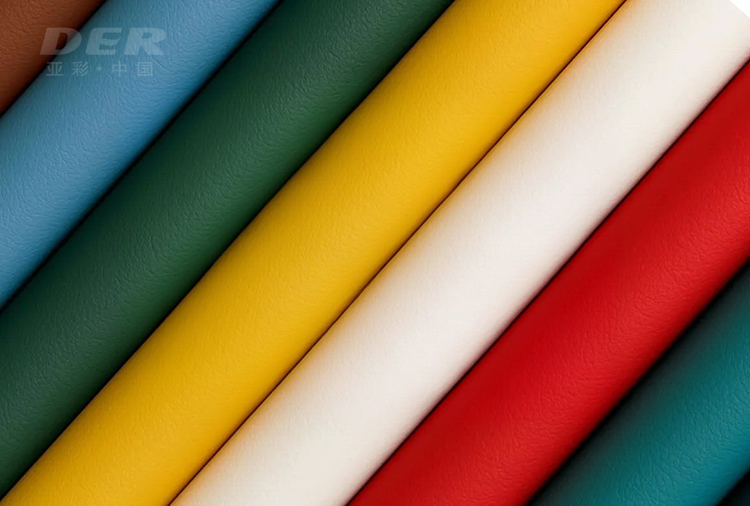
The term itself is broad. Some buyers use it interchangeably with artificial leather, synthetic leather, or vegan leather. Others use it more narrowly to describe a specific upholstery-grade material. From a sourcing perspective, the most useful way to understand faux leather fabric is to see it as a category of engineered leather alternatives rather than one fixed product. Two materials can both be called faux leather while behaving very differently in sewing, embossing, abrasion, flexing, humidity exposure, cleaning, or long-term appearance retention. This is exactly why commercial communication with a faux leather fabric supplier or faux leather fabric manufacturer should start with end-use requirements instead of just a keyword.
How Buyers Usually Use the Term
In furniture and upholstery sourcing, faux leather fabric usually refers to a roll material with a leather-like surface used for sofas, chairs, benches, stools, headboards, wall panels, waiting-area seating, restaurant booths, hospitality seating, and commercial interiors. In fashion and accessory sourcing, the same term often refers to a flexible coated material used for handbags, wallets, notebook covers, belts, cases, boxes, and decorative wrapping. In automotive or transport-related inquiries, it often points to a more controlled material program that prioritizes wear behavior, color consistency, backing stability, and finish performance over time.
This difference in context matters. The same glossy sample that looks attractive in a showroom may not be the best option for high-contact seating or humid environments. A soft hand-feel surface that performs well on a bag may be too delicate for restaurant furniture. A durable seating material may feel too rigid for a premium fashion product. DERFLEX treats faux leather fabric selection as an application-matching process, not a one-size-fits-all product offer.
Why the Material Is Popular
- It offers a leather-like visual effect with more controlled color and texture consistency.
- It supports wider design flexibility in embossing, gloss level, softness, and finish development.
- It can be produced in scalable roll form for more predictable industrial conversion and cutting.
- It helps many brands manage product positioning and cost structure more effectively than natural hide-based sourcing.
- It allows customized backing, thickness, and performance pathways for different end products.
- It can be tailored for export-oriented OEM, private-label, and project supply programs.
Buyers who are also researching PU leather meaning often arrive at the same conclusion: a good synthetic leather program is not chosen by naming language alone. It is chosen by matching the material construction to the real product objective, price range, user environment, and expected service life.
Key Features Buyers Expect from a Competitive Faux Leather Fabric Program
A commercially strong faux leather fabric line is not defined by one headline claim. It is defined by how well the material balances look, hand feel, workability, durability, and repeat-order stability. The best suppliers can explain that balance clearly and recommend different grades based on the real project target instead of pushing one generic sample into every inquiry.
Leather-Like Appearance
Surface pattern, gloss level, matte depth, embossing definition, and topcoat visual cleanliness all influence whether the material looks entry-level, commercial, or premium. The surface must align with the target market rather than simply mimic leather in a generic way.
Controlled Softness and Hand Feel
Hand feel is one of the first qualities a buyer notices. Some programs need a soft, supple feel for bags or decorative wrapping. Others need a fuller, more supportive feel for upholstery panels or contract furniture. Softness should fit the use, not just the sample appeal.
Consistent Roll-to-Roll Quality
Color shade, embossing consistency, coating thickness, and backing stability are critical for factories that cut large volumes and reorder the same style repeatedly. Reliable consistency is often more valuable than an isolated low first-order price.
Good Conversion Behavior
Faux leather fabric should respond well in cutting, sewing, wrapping, edge finishing, laminating, and general factory handling. A material that looks attractive but slows down production or creates yield loss becomes expensive very quickly.
Customizable Surface Options
Buyers often need bespoke grain patterns, color matching, matte or semi-gloss finishes, anti-scratch topcoats, or different backing structures. A custom faux leather fabric program should support those adjustments without losing supply stability.
Application-Based Performance
The right development path may involve abrasion attention, hydrolysis improvement, anti-mildew strategy, flame support, easy-clean surface treatment, or cold-flex suitability. Good material planning begins with the end use and the market environment.
Buyers should also be realistic about the term “premium.” Premium faux leather fabric is not just a softer sample or a prettier embossing. It is a material that continues to work under commercial conditions: repeat production, variable temperatures, daily touch, packaging movement, shipping time, cutting lines, and customer expectations. That is why premium development is usually tied to controlled formulation, disciplined manufacturing, and honest supplier communication rather than catalog language alone.
Technical Specifications Buyers Usually Review Before Sampling or Ordering
Specification language turns a broad product idea into a workable purchasing brief. A buyer does not order “nice faux leather.” The buyer orders thickness, width, backing, texture, color, finish, and performance level. That is why a strong faux leather fabric manufacturer should help clarify commercial parameters early, especially when OEM development is involved. The ranges below are representative commercial reference points rather than one fixed standard, because different constructions serve different applications.
| Item | Typical Commercial Range | Why It Matters |
|---|---|---|
| Surface Type | PU faux leather, PVC faux leather, multi-layer finish, microfiber-based construction | Determines touch, visual style, cleanability, process behavior, and positioning. |
| Backing | Knitted fabric, woven fabric, nonwoven, microfiber, or customized support layer | Affects stability, drape, sewing response, stretch behavior, and end-use suitability. |
| Total Thickness | Approx. 0.5 mm to 2.0 mm or customized | Important for softness, wrapping performance, perceived quality, and structural feel. |
| Width | Commercial roll widths based on line capability and project need | Influences cutting efficiency, packaging, and yield planning. |
| Embossing / Grain | Smooth, lychee, napa, classic leather grain, saffiano, carbon, matte texture, custom emboss | Directly shapes the visual identity of the finished product. |
| Color | Standard collection, Pantone-oriented, sample-match, or project color series | Critical for branding, repeat orders, and multi-component product harmony. |
| Abrasion Expectation | Decorative grade, medium-use grade, heavy-use grade depending on program | Helps separate fashion material from seating material or commercial use grades. |
| Hydrolysis / Humidity Pathway | Standard, improved, or project-focused development | Important for humid markets, upholstery, and long-life interior use. |
| Surface Performance | Standard topcoat, easy-clean, anti-scratch, anti-mildew, project-based finish options | Supports end-user maintenance expectations and application-specific durability. |
| Compliance Support | Project-based testing and documentation pathway | Many buyers need alignment with internal or market-required material documentation. |
| MOQ / Lead Time | Depends on stock color, custom color, embossing, and development complexity | Central to launch scheduling, forecasting, and inventory control. |
| Packing | Roll packing with inner and outer protection, labeling, and export coordination | Protects the surface and helps warehouse and shipping teams handle the product efficiently. |
Specification work is especially important for buyers developing custom collections. For example, a faux leather upholstery fabric for restaurant booths may require different priorities than a faux leather material for handbags. One may prioritize easy cleaning and seam behavior. The other may prioritize softness, fold appearance, and fashion-level color depth. A generic quote that ignores those differences often leads to avoidable sampling rounds, price confusion, and approval delays.
If your team is also comparing upholstery PU leather or looking into custom faux leather fabric development, it helps to start with your end-product photos, size drawings, target thickness, and expected market positioning. That lets the supplier narrow the development path more quickly.
Applications of Faux Leather Fabric Across Commercial and Industrial Product Categories
Faux leather fabric is not one market. It serves multiple industries, each with its own logic for appearance, feel, durability, and manufacturing handling. Understanding those application pathways helps buyers ask better questions and helps suppliers recommend better constructions.
Furniture & Upholstery
Sofas, lounge chairs, dining chairs, restaurant booths, benches, headboards, wall panels, and hospitality interiors often use faux leather because it can combine a clean leather-like surface with scalable color control and repeat production. Upholstery programs usually care about abrasion, seam behavior, easy cleaning, and long-term appearance consistency.
Handbags & Accessories
Bags, wallets, backpacks, cosmetic cases, passport holders, notebook covers, and packaging wraps often prioritize soft hand feel, fold behavior, texture definition, and premium color matching. Fashion programs also pay close attention to grain clarity and visual depth under retail lighting.
Automotive & Transport Interiors
Automotive-style or transport-oriented interior materials may require more controlled backing stability, surface performance, and long-term color harmony. These projects normally involve tighter development discussion and more careful sample approval steps.
Commercial Seating
Office seating, waiting areas, training centers, education environments, and healthcare-related interiors often need faux leather surfaces that combine a professional appearance with practical maintenance and steady repeat-order consistency.
Wall Covering & Decorative Panels
Some faux leather constructions are selected for decorative interior surfaces where texture, luxury effect, and panel wrapping behavior matter more than flex performance. Material flatness and installation handling become important in these projects.
OEM Branded Consumer Products
Gift boxes, branded organizers, promotional products, protective cases, and custom retail fixtures often use faux leather fabric because it offers a reliable decorative surface that can be matched to color systems and product identity requirements.
Each of these applications has different failure risks. Upholstery buyers worry about wear, cracks, cleaning, and seam strength. Bag factories worry about fold lines, edge finishing, and premium surface appearance. Decorative panel projects worry about wrapping smoothness and installation consistency. That is why application-based communication is essential. One of the clearest signs of a capable synthetic leather supplier is that they ask where and how the material will actually be used.
Why Choose DERFLEX as Your Faux Leather Fabric Supplier or Manufacturer Partner
Buyers usually do not stay with a supplier because of one attractive sample. They stay because the supplier is easier to work with, more honest in recommendation, more stable in quality, and more reliable in follow-through. DERFLEX is structured to support that long-term commercial logic. We focus on turning inquiry requirements into material programs that make sense technically and commercially.
OEM and Custom Development Support
We support custom faux leather fabric requests around color, grain, thickness, hand feel, backing, roll packing, and project-specific commercial needs. This is important for private-label brands and manufacturers building distinctive product lines rather than buying a single generic market grade.
Clear Communication on Material Matching
Not every faux leather construction is suitable for every use. DERFLEX works from the application backward so that bag material is not mistakenly recommended for seating, and decorative material is not over-promised for heavy-use environments.
Lead Time and Order Planning Awareness
Commercial projects need realistic planning. Stock color availability, custom color development, embossing setup, and order volume all affect the delivery schedule. We help buyers discuss those factors early rather than discovering them too late in production.
Quality Consistency Mindset
Stable roll quality matters for factories that cut, sew, wrap, and reorder at scale. Color matching, surface finish consistency, and backing stability are treated as operating priorities, not secondary details.
Export-Oriented Supply Coordination
International buyers care about communication speed, packing detail, label accuracy, shipping readiness, and documentation discipline. These details directly influence procurement efficiency and warehouse handling.
Certification and Documentation Awareness
Different markets and product segments may require different material declarations or test pathways. DERFLEX supports discussion around quality documentation and project-oriented compliance expectations as part of the sourcing process.
Beyond the sample itself, supplier quality is often visible in the questions they ask. A thoughtful supplier asks about end use, market, target thickness, color standard, conversion method, annual volume, order cadence, packaging needs, and performance priorities. A weak supplier asks only for quantity and sends the nearest available roll. That difference can determine whether a product launch moves smoothly or becomes a cycle of misaligned samples and repeated corrections.
Buyers building a broader synthetic leather program may also want to review pages such as synthetic leather fabric and automotive PU leather so the internal material structure across the collection remains logically connected.
Faux Leather Fabric Comparison: Faux Leather vs Real Leather vs PVC Leather vs Microfiber Options
Comparison is one of the most important decision steps in sourcing. Buyers rarely evaluate faux leather fabric in isolation. They compare it with real leather, PVC-coated leather alternatives, and microfiber-based materials to balance cost, appearance, performance, and end-market positioning.
| Factor | Faux Leather Fabric | Real Leather | PVC Leather | Microfiber Leather |
|---|---|---|---|---|
| Visual Consistency | Usually strong when produced under controlled coating and embossing conditions. | Natural variation can add character but also reduce visual uniformity across large runs. | Often visually stable, though the surface feel may appear less refined in lower grades. | Can achieve very clean, premium, and technically controlled appearance. |
| Hand Feel | Can range from soft and fashion-oriented to firm and upholstery-oriented. | Natural feel is valued, but variation is unavoidable. | Can feel firmer or more plastic depending on formulation. | Often positioned as higher-end synthetic material with refined feel. |
| Design Flexibility | High; color, grain, gloss, and backing can be adjusted for program needs. | More limited by hide characteristics and natural surface variation. | Good color control and commercial durability options for many uses. | High design and engineering flexibility, often with premium positioning. |
| Cost Control | Usually easier to manage at scale than natural leather sourcing. | Typically higher and more variable, especially across quality grades. | Often cost-competitive in many commercial applications. | Often higher than standard faux leather, depending on specification. |
| Application Fit | Broad: upholstery, bags, décor, consumer goods, contract seating, and OEM products. | Premium goods, high-end upholstery, and products where natural identity is central. | Useful in many seating and decorative programs where specific durability and cost targets matter. | Suitable where stronger synthetic performance or premium positioning is required. |
| Supply Scalability | Strong for repeatable industrial production and color continuity. | Less predictable due to natural raw material variation and yield complexity. | Usually scalable for commercial volume programs. | Scalable but often tied to higher technical or commercial expectations. |
No comparison result is universally “best.” The better question is which material suits the product objective. Real leather may remain appropriate where natural identity is part of the brand story. PVC leather may suit commercial seating where specific cost and maintenance expectations dominate. Microfiber may be chosen where higher technical control or premium synthetic positioning is desired. Faux leather fabric remains highly attractive because it occupies a flexible center ground: visually versatile, scalable, customizable, and commercially practical across many industries.
Buyers who want help comparing surface systems more directly can also reserve internal pathways like PU leather vs PVC leather as part of a broader product education structure on the site.
Case Study: Custom Faux Leather Fabric Development for a Multi-Market Seating and Accessories Program
A buyer approached DERFLEX with a common but challenging request: they needed one visual language across several product categories, including dining chairs, lounge seating, and a small matching accessory range. The products were aimed at export distribution, so the buyer needed a surface that looked premium in photos, felt soft enough for retail appeal, stayed consistent across batches, and could be ordered repeatedly without redesigning the entire color set every few months.
Project Requirements
- Leather-like appearance with a clean, modern matte finish.
- Color consistency across seating products and smaller accessories.
- A thickness balance that worked for both upholstery handling and decorative wrapping.
- Sample development that reflected the target market rather than a generic catalog grade.
- Export-ready packing and repeat-order planning.
- Communication clear enough for the buyer’s design and purchasing teams to work from the same standard.
DERFLEX Support Approach
Rather than sending the softest available sample immediately, DERFLEX first clarified how the seating would be used, how the accessories would be processed, what price level the buyer needed to protect, and which visual cues defined the brand style. This changed the material pathway. The final development direction prioritized a balanced grain definition, a controlled matte surface, a backing suitable for the buyer’s upholstery conversion process, and a finish that looked premium without becoming too delicate for commercial handling.
During sample review, comments were organized around feel, visual tone, and factory usability instead of vague terms like “better quality.” That reduced revision time. Once the direction was approved, the buyer could align design, purchasing, and production expectations more effectively.
The real value of the project was not just the finished sample. It was the reduction in uncertainty. The buyer now had a material program with a clearer logic, more realistic expectation for scale-up, and a better basis for long-term ordering. This is how faux leather fabric sourcing becomes more efficient: the supplier helps translate aesthetic goals into repeatable commercial standards. That is especially important when the same material language needs to work across multiple SKUs and reorder cycles.
Frequently Asked Questions About Faux Leather Fabric
These are some of the most common questions buyers ask when reviewing faux leather material for commercial sourcing, OEM development, and application-specific purchasing.
What is faux leather fabric made of?
Faux leather fabric is usually made from a coated or laminated synthetic surface system applied over a fabric or composite backing. Common commercial pathways include PU-based and PVC-based constructions, along with other engineered leather-look materials depending on the target application.
Is faux leather fabric good for upholstery?
Yes, many faux leather materials are used for upholstery, but the grade must match the actual use. Seating, restaurant booths, sofas, wall panels, and commercial interiors may all require different performance balances. Upholstery suitability should be confirmed through structure and application-based discussion rather than assumed from appearance alone.
What is the difference between faux leather fabric and real leather?
Real leather is derived from animal hide, while faux leather fabric is engineered through synthetic or composite construction. Faux leather usually offers stronger color and texture consistency and broader design flexibility, while real leather is chosen where natural identity and hide character are central to the brand or product story.
Can faux leather fabric be customized?
Yes. A custom faux leather fabric program can include thickness adjustment, backing selection, embossing, grain design, matte or gloss level, color matching, packing detail, and other project-based requirements. Custom feasibility depends on quantity, lead time, and development complexity.
How do I choose between PU faux leather and PVC faux leather?
The choice depends on end use, target feel, price range, maintenance expectations, and performance priorities. PU pathways are often selected for softer or more refined hand feel, while PVC pathways may be preferred in certain commercial programs. The decision should be based on application fit, not general assumption.
What information should I send to get an accurate quote?
Send the intended application, preferred thickness, backing preference if known, color reference, quantity estimate, width or roll expectations, and any important performance or market requirements. Product photos or sample references also help reduce quoting and sampling errors.
Can DERFLEX support supplier and manufacturer cooperation for long-term orders?
Yes. DERFLEX supports commercial buyers who need stable faux leather fabric supply, OEM customization, repeat-order consistency, export packing coordination, and clear project communication over longer purchasing cycles.