What failed on the current cover?
Identify tearing, coating cracks, water leakage, abrasion, loose pockets, stretched edges, corroded hardware or poor fit. Failure photos help show where reinforcement or a different construction may be needed.
 News
News


Replace a worn, damaged or discontinued cover without redesigning the whole system. DERFLEX develops custom replacement tarpaulin covers around actual dimensions, attachment points, hardware, operating conditions and repeat-order needs.
Available for truck and trailer systems, canopies, machinery, agricultural equipment, marine storage and industrial protection. Supply can be discussed as finished covers, cut panels or PVC tarpaulin roll material.
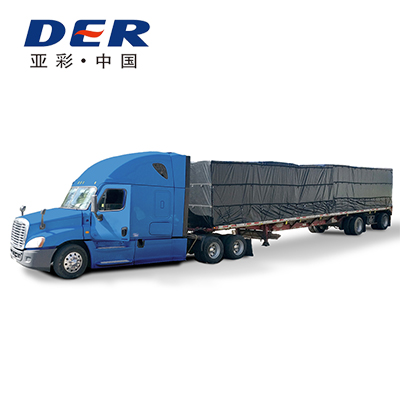
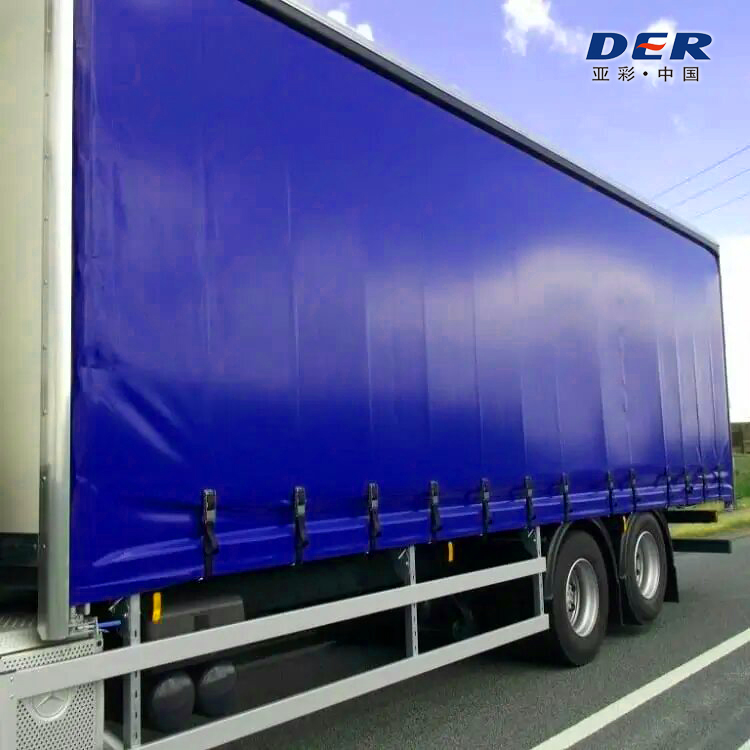
A replacement tarpaulin cover is usually ordered after the original fabric has cracked, stretched, torn around fasteners, lost waterproof performance or become difficult to operate. The buyer may still have a usable frame, roll tube, bow system, tensioning device or attachment rail. Replacing only the cover can be a practical route when the surrounding equipment remains serviceable.
The challenge is that replacement work is not the same as buying a standard rectangular tarp. Finished dimensions, pocket depth, hem allowance, bow spacing, roll direction, front and rear attachment, grommet location and the way the old tarp travels across the system all affect fit. DERFLEX reviews these details before recommending material and fabrication.
A clear answer to these questions reduces fit errors, avoids unnecessary material upgrades and improves repeat-order control.
Identify tearing, coating cracks, water leakage, abrasion, loose pockets, stretched edges, corroded hardware or poor fit. Failure photos help show where reinforcement or a different construction may be needed.
Confirm the roll tube, bows, rail, crank, rope, ratchet, spline, buckles, D-rings or fixing points that will stay in use. Compatibility is part of the cover design, not an accessory decision made later.
A one-off equipment cover and a fleet replacement program need different controls. For recurring orders, drawings, revision codes, labels, size groups and packing rules should be documented from the first approved sample.
Replacement accuracy begins with the geometry of the equipment. Use finished dimensions unless the drawing clearly identifies cut size. Measure the system in its normal operating position and note any allowance required for tension, overlap, pockets, sleeves or roll-up travel.
Heavier is not automatically more suitable. A replacement cover must remain compatible with the existing operating system. Excess weight may affect manual handling, rolling force or hardware load, while a material that is too light may wear rapidly at rails, bows or tie-down points.
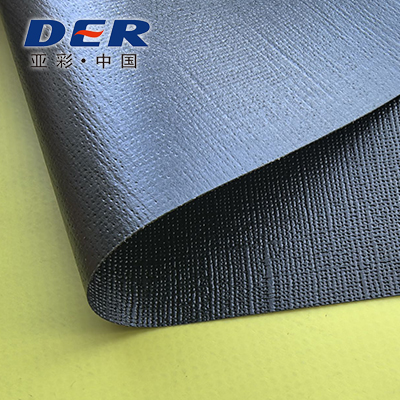
PVC coated polyester is commonly selected for reusable replacement covers because it combines waterproofing, weldability, flexibility and reinforced finishing. PE, mesh, clear PVC, canvas or project-specific coated fabrics may be considered where weight, airflow, visibility, breathability or temporary use changes the priority.
The base fabric, coating, seams, edges and fastening details need to work as one system.
PVC coating and suitable seam construction help protect cargo or equipment from rain, splash and outdoor moisture.
Polyester scrim, reinforcement and fastening layout are selected to manage pulling force and reduce stress concentration.
Contact points at rails, corners, bows and cargo edges can receive additional layers, webbing or replaceable wear patches.
Material weight, coating formula and surface finish can be balanced for rolling, folding, manual handling and cold-weather use.
Grommets, D-rings, straps, sleeves, splines, rope hems and buckles are positioned to match the existing system or approved drawing.
Approved dimensions, material codes, color, labels, packing and revision records support fleet and wholesale replacement programs.
Use the table to prepare an inquiry. Final values depend on the application, existing equipment, quantity and approved construction.
| Product Direction | Replacement tarpaulin cover, replacement truck tarp, trailer replacement cover, equipment cover, canopy cover, machinery cover or OEM fitted tarp. |
|---|---|
| Material Options | PVC coated polyester, PVC laminated tarpaulin, PE tarpaulin, PVC mesh, clear PVC, treated canvas or project-specific coated fabric. |
| Common PVC Weight | Approximately 450–900 gsm for many mobile and outdoor replacement programs; lighter or heavier directions can be reviewed where the system and application require them. |
| Base Fabric | 500D, 840D, 1000D, 1300D or custom polyester yarn and weave structures according to strength, flexibility and weight targets. |
| Typical Roll Width | 1.02 m–3.20 m; wider production directions may be discussed subject to material structure and manufacturing feasibility. |
| Surface Finish | Glossy, matte, lacquered, embossed, printable, anti-slip or easy-clean direction according to use and market requirements. |
| Optional Performance | UV-resistant, cold-flexible, anti-mildew, flame-retardant, abrasion-oriented, blackout or printable options subject to confirmed material and test requirements. |
| Fabrication | Hot-air welding, hot-wedge welding, high-frequency welding where applicable, sewing, reinforced hems, webbing, patches, pockets and sleeves. |
| Fastening & Hardware | Grommets, eyelets, D-rings, buckles, straps, webbing loops, rope hems, elastic cord, spline or custom attachment details. |
| Color & Branding | Common industrial colors, custom color matching, logo printing, product labels, size labels, barcode and private-label packaging. |
| Supply Format | Finished replacement covers, cut panels, semi-finished pieces, roll goods, approved-sample repeat orders and mixed-size fleet programs. |
Specification ranges are planning references, not universal performance guarantees. Confirm the final data sheet, drawing and test requirements before production.
The image layout uses DERFLEX website assets and shows how replacement-cover logic extends beyond one equipment type.
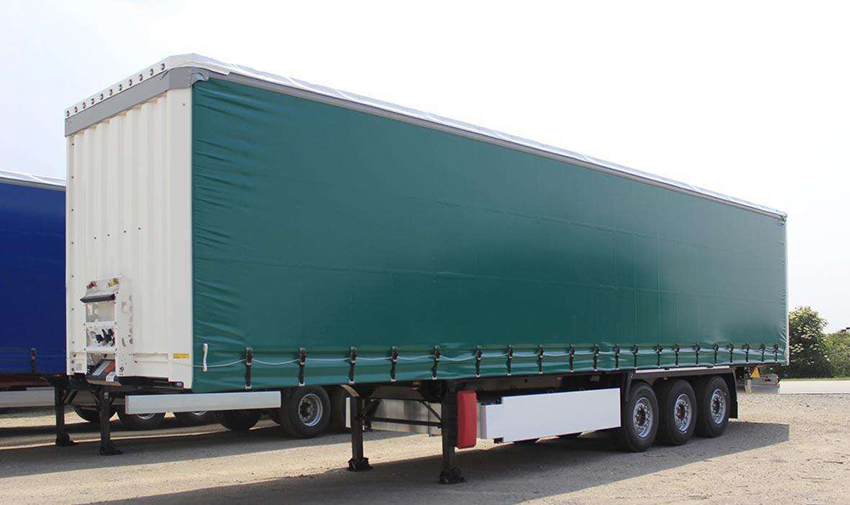
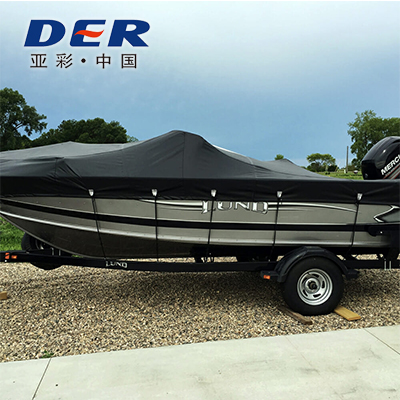

A staged process makes it easier to resolve fit, performance and commercial re, quirements before bulk production.
Photos, old sample, model information, failure points and operating environment.
Finished size, pockets, sleeves, flaps, fasteners, bow spacing and direction.
Fabric type, GSM, flexibility, surface, color and optional performance.
Seam route, edge reinforcement, wear patches, hardware and labels.
Check dimensions, installation, movement, appearance and packing details.
Use product code, drawing revision, size label and approved reference data.
Each application needs a different balance of fit, movement, fastening, weather exposure and maintenance.
Replacement covers for side curtains, flatbeds, dump bodies, grain trailers, roll tarps, cargo beds and fleet transport equipment.
Replacement roof or wall panels for frame shelters, storage canopies, temporary structures, event covers and work enclosures.
Fitted covers for generators, production machines, construction equipment, outdoor tools, pumps and mobile assets.
Replacement tarps for grain carts, farm trucks, feed systems, hay storage, agricultural machinery and seasonal protection.
Replacement boat covers for yard storage, trailers, dockside use and seasonal protection with custom tie-down layouts.
Custom replacement panels for warehouse barriers, equipment enclosures, outdoor storage, site protection and OEM cover products.
Replacement-cover inspection should follow the approved drawing and the real operating requirement. A visually clean cover can still fail if the pocket, fastener line or finished size does not match the system.
Testing and certification needs vary by country, application and buyer specification. Material data, batch references, selected physical-property tests, flame-retardant reports, restricted-substance documentation or third-party inspection can be discussed when they are required for the project.
The inquiry should identify the exact standard, test method, acceptance value and document format before sampling. This avoids treating general supplier documents as proof for a different fabric, coating formula or finished construction.
Six relevant internal links help buyers move from the replacement requirement to the correct technical or procurement page.
Practical answers for buyers replacing an existing tarp, building a custom program or sourcing finished covers in quantity.
An old cover can be used as a reference when its original dimensions and shape are still reliable. DERFLEX may also request a dimensioned drawing, equipment photos and hardware details because a stretched, torn or modified sample may no longer represent the correct finished size.
Provide finished width and length, pockets or sleeves, flap sizes, grommet or D-ring positions, bow spacing, roll direction, attachment points and any overlap or tension allowance. Mark a fixed reference point on the drawing so each dimension is interpreted consistently.
Compatibility can be planned when the hardware type and dimensions are confirmed. Send photos and measurements of roll tubes, splines, rails, bows, buckles, ropes, straps, grommets or other fixing details. The final cover should be approved against the existing system before bulk production.
PVC coated polyester is commonly used for reusable waterproof covers because it supports welding, reinforced finishing and outdoor exposure. The appropriate GSM, scrim and surface depend on system load, handling, abrasion, climate and whether the cover must roll or fold frequently.
Wholesale and OEM programs can be discussed for fleets, distributors, service companies, equipment brands and importers. Options may include mixed sizes, private labels, product codes, cartons, spare hardware packing and repeat-order specification control.
Confirm the application, finished dimensions, old-cover failure points, material direction, color, seam and reinforcement plan, attachment details, expected quantity, packaging and any test or document requirements. An approved drawing or sample reference should be retained for repeat production.
Share photos, drawings, finished dimensions, hardware information, failure points, material preference, quantity and destination. DERFLEX will review the requirement and discuss a practical replacement tarpaulin cover direction.