Reinforced Base Fabric
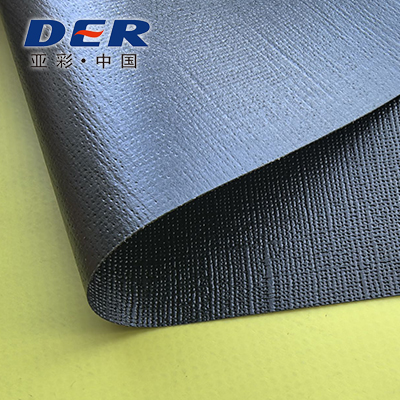
Woven polyester carries tensile load in both directions. Yarn size, density and weave construction should be selected for the cover span, expected tension, folding cycle and risk of puncture or tear propagation.



 Custom B2B Protective Cover Systems
Heavy duty PVC coated polyester tarps with reinforcement planned through the fabric, seams, hems, corners, wear zones and tie-down points.
DERFLEX supports distributors, fleet operators, contractors, agricultural suppliers, industrial buyers and OEM brands with reinforced tarp rolls, cut panels and finished covers matched to real handling, weather and attachment conditions.
A reinforced tarp is a protective cover designed to distribute tension and resist localized damage more effectively than a simple sheet with standard eyelets. Reinforcement may be built into the textile itself, added around the perimeter, placed at corners and wear areas, or integrated behind attachment hardware.
For professional use, the term should describe the entire construction rather than one isolated feature. A thick tarp can still fail early when a grommet has no backing, a seam crosses a high-load area, or the edge cannot spread tie-down force. DERFLEX therefore approaches reinforced tarp design as a load-path problem: where does force enter, how does it move across the cover, and which areas need extra structure?
Truck tarps may need edge webbing and abrasion strips where the cover contacts cargo. Construction covers may need closer tie-down spacing and corner patches for wind movement. Equipment covers may need shaped panels and protection around protrusions. Agricultural covers may prioritize UV exposure, water shedding and repeated seasonal handling.
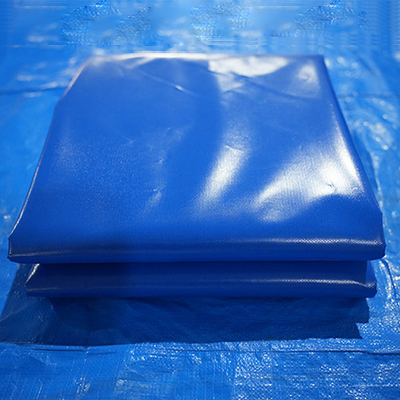
These design zones help buyers compare finished tarp quotations on construction quality—not only on weight, color or nominal size.
Woven polyester carries tensile load in both directions. Yarn size, density and weave construction should be selected for the cover span, expected tension, folding cycle and risk of puncture or tear propagation.
PVC coating provides the waterproof surface, abrasion protection, weldability and environmental resistance. The formulation can be adjusted for UV exposure, cold flexibility, mildew resistance, flame performance or easier cleaning.
Large covers are assembled from panels. Hot-air or high-frequency welded seams can create a continuous structure, while selected applications may combine sewing, welding and additional strip reinforcement.
Folded hems, double-layer edges, inserted rope and polyester webbing help spread tie-down force along the edge. The correct method depends on hardware spacing, wind load, cover size and handling frequency.
Corners, cargo contact points and frame interfaces often experience higher stress than open surface areas. Reinforcement patches and wear strips can be positioned according to drawings or actual installation photos.
Grommets, D-rings, buckles, hooks and straps should be backed by sufficient material. Hardware type, corrosion resistance, spacing and pull direction all influence the durability of the finished cover.
Use the table as a quotation checklist. Final values should be confirmed through a project data sheet, sample review and agreed test method.
| Core Material | High-tenacity woven polyester with PVC coating or PVC laminated construction, selected according to target strength, surface, budget and production route. |
|---|---|
| Typical Finished Weight | Approximately 450–1200 gsm for many transport, construction, agriculture and industrial cover projects; other structures can be reviewed for specialized applications. |
| Supply Format | Roll material, slit rolls, cut panels, semi-finished sections or complete custom tarps. |
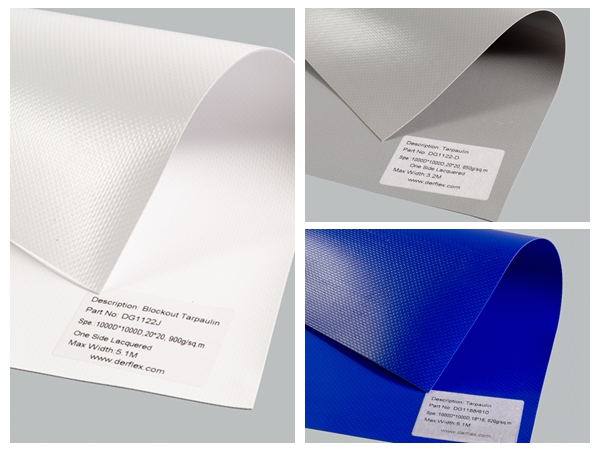
| Surface Options | Matte, semi-matte, glossy, lacquered or embossed surface; custom color and logo-printing directions can be discussed. |
| Seam Methods | Hot-air welding, high-frequency welding, sewing, or combined fabrication according to panel size and end-use requirements. |
| Edge Reinforcement | Single or multilayer hems, polyester webbing, rope-in-hem, cable pockets, extra PVC strips and custom edge profiles. |
| Local Reinforcement | Corner patches, grommet backing patches, abrasion strips, shaped wear panels, roof-bow contact zones and cargo-edge protection. |
| Attachment Options | Aluminum, brass or stainless-style grommet directions; D-rings, buckles, hooks, straps, elastic cord and system-specific fittings. |
| Functional Treatments | Outdoor UV formulation, cold-flexibility, anti-mildew, flame-retardant, anti-static, oil-resistant or enhanced abrasion-resistant directions where required. |
| Packaging & Branding | Folded or rolled packing, cartons, pallets, labels, barcodes, logo marks and private-label export packaging. |
Specification note: performance depends on the complete product design, installation and operating environment. Share the required standard, test method, service temperature, wind exposure, hardware layout and intended life cycle before production confirmation.
Different applications create different stress patterns. The reinforcement layout should follow the way the tarp is installed, moved and exposed.
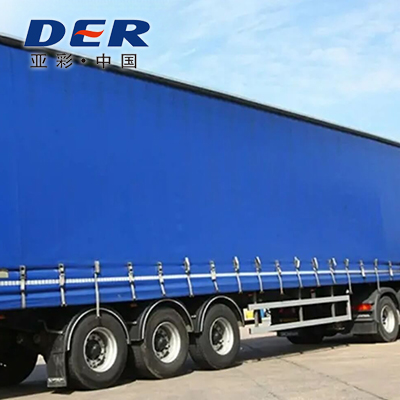
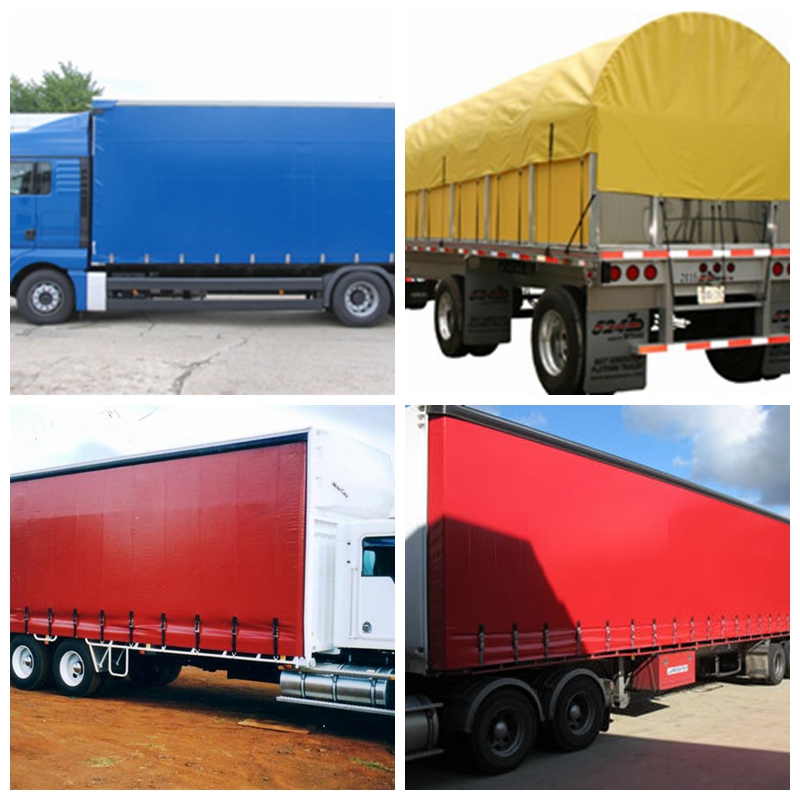
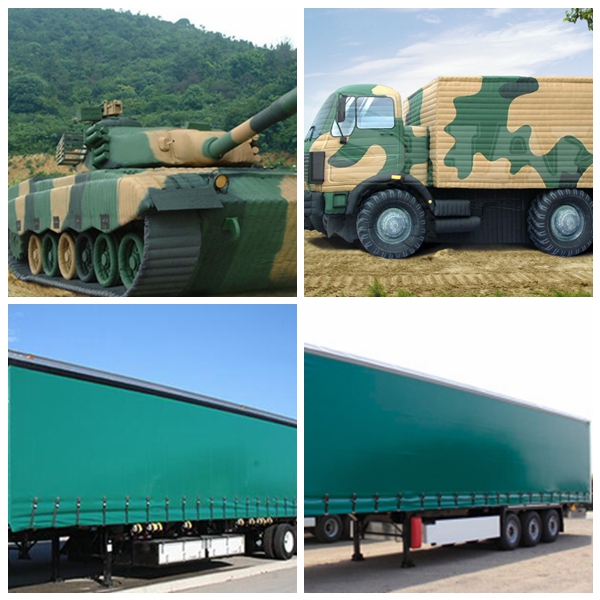
Flatbed, side-curtain, cargo and trailer covers can use reinforced hems, D-rings, wear strips and selected high-tension areas for repeated road service.
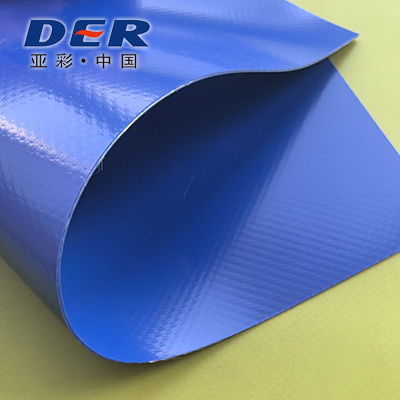
Dimensionally stable coated fabric, weldable panels and reinforcement around fastening zones support commercial transport and branded fleet programs.
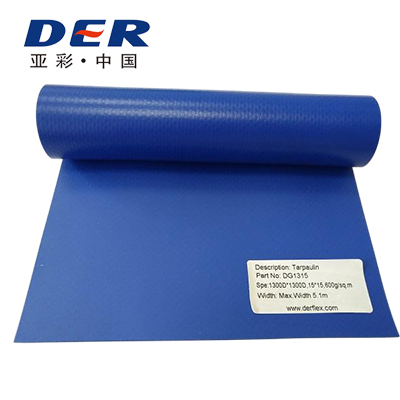
Hay, feed, machinery and seasonal storage covers may require UV-resistant formulations, water-shedding design and durable edges for repeated installation.
Material covers, temporary barriers, roof protection and equipment covers can be reinforced for wind movement, frequent tie-down and rough surface contact.
Custom-shaped covers can add patches around protrusions, access openings, lifting points and frame contact areas while maintaining practical handling.
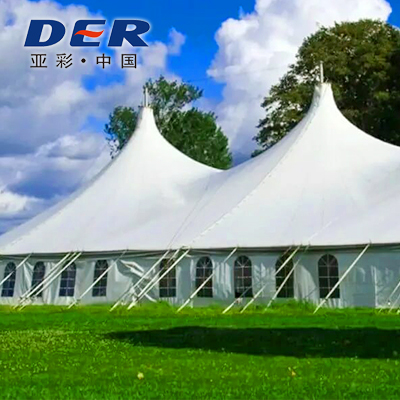
Large panels, sealed seams, reinforced attachment lines and optional fire-performance directions can be discussed for project-specific enclosure systems.
The right choice depends on service duration, fabrication needs, handling cycle, visibility requirements and total replacement cost.
A request that only says “heavy duty reinforced tarp” leaves several cost and performance decisions unresolved. A clearer specification helps the manufacturer recommend a practical construction and reduces unnecessary sample rounds.
Finished dimensions alone do not show the load direction. A sketch, truck-body drawing, equipment photo or marked-up image can help place seams, webbing, patches and hardware in more useful positions.
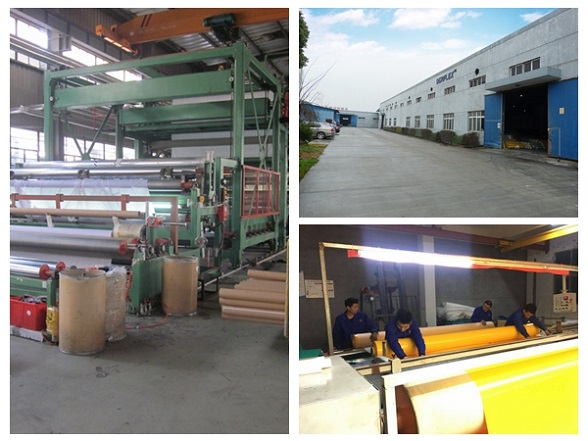
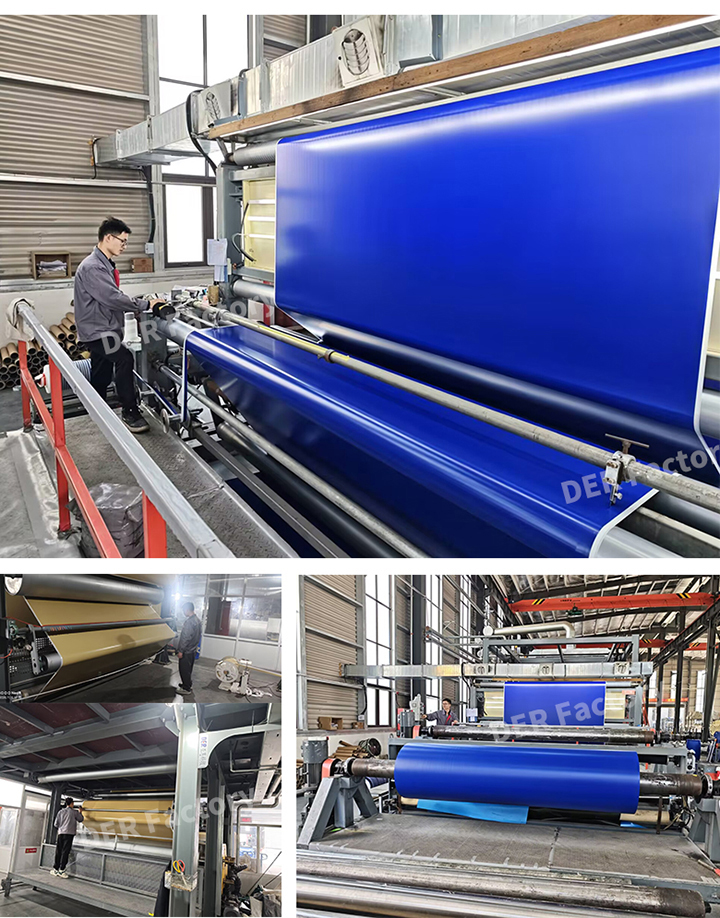
A structured process helps align reinforcement, fabrication, quality checks and commercial requirements before repeat production.
Share use, dimensions, load direction, climate, handling frequency, expected quantity and destination market.
Discuss material grade, coating, seams, edge reinforcement, patches, hardware and supply format.
Review color, surface, fabrication details, dimensions and agreed testing or inspection points.
Manufacture according to the approved specification and coordinate labels, cartons, pallets and export loading.
These six pages help buyers compare material structure, tear resistance, heavy-duty grades, transport applications and custom finishing.
Waterproof PVC coated polyester options for industrial, transport, agriculture and OEM tarp programs.
Failure ControlLearn how base cloth, coating and finished construction work together to slow tear growth.
Made to MeasureCustom dimensions, edge details, fastening, color, labels and project-based finished covers.
Transport ProtectionHeavy duty tarp directions for flatbeds, trailers, cargo, dump trucks and logistics fleets.
Wear ResistanceMaterial and fabrication directions for covers exposed to dragging, friction and rough contact.
Higher Weight GradesHeavier PVC tarpaulin structures for demanding industrial protection and specialized projects.
Practical answers for importers, distributors, fabricators, contractors and industrial sourcing teams.
A tarp can be reinforced through a stronger woven base fabric, multilayer hems, webbing, rope-in-hem, welded reinforcement strips, corner patches, wear-zone panels and backed attachment hardware. A professional reinforced, tarp normally combines several of these features rather than relying on one component.
PVC coated polyester material can provide a waterproof surface, and welded seams can help create sealed large panels. Finished waterproof performance also depends on seam construction, penetrations, hardware, installation angle and whether water is allowed to pool.
PVC coated high-tenacity polyester is commonly selected for truck, construction, equipment and industrial covers because it combines tensile strength, weldability, surface durability and custom fabrication options. The final weight and base-cloth construction should be matched to the application.
Yes. DERFLEX can discuss custom grommet spacing, D-rings, buckles, hooks, webbing, rope-in-hem, corner patches and other finishing details according to drawings, samples or installation requirements.
Yes. Supply formats can include PVC coated tarp rolls, slit rolls, cut panels, semi-finished sections and complete reinforced tarps. Buyers with local cutting and welding capacity often choose roll goods, while fleets and project buyers may prefer finished covers.
Send the application, finished size or roll width, expected quantity, target material weight, color, surface, reinforcement zones, seam method, hardware type and spacing, functional requirements, packaging and destination. Photos or drawings are especially helpful for custom covers.
Include the application, dimensions, material direction, load points, reinforcement details, hardware layout, quantity and packaging. DERFLEX will review the specification and suggest a practical route for rolls, panels or finished custom tarps.