Company News Industry News

Chemical Resistant Tarps Manufacturer | Custom Industrial Covers | DERFLEX

Industrial coated fabrics and custom tarp manufacturing Compatibility review recommended before chemical exposure
Industrial Protection Material

Chemical Resistant Tarps Built Around the Actual Exposure

DERFLEX supplies custom chemical resistant tarps and coated fabric systems for industrial equipment covers, fertilizer storage, maintenance work, outdoor stock protection and OEM fabrication. Material selection is based on the chemical, concentration, temperature, contact time and mechanical conditions—not on a generic “chemical-proof” claim.

PVC-coated polyester and TPO options
Roll fabric or fabricated tarp supply
Custom seams, hems and tie-downs
Application-specific compatibility review
DERFLEX PRODUCT IMAGE
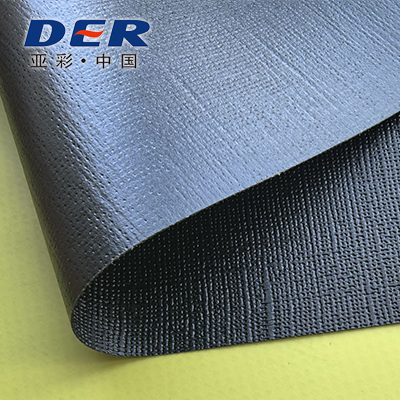
DERFLEX industrial coated fabric for chemical resistant tarps
Heavy-duty coated textile structure for industrial tarp and protective-cover fabrication.

What the product really means

Chemical resistance is a matched performance, not a universal label

A chemical resistant tarp is a reinforced flexible cover whose coating, base fabric, seams and accessories are selected to tolerate defined chemical contact while still performing as a practical tarp. Depending on the project, the tarp may need to withstand splash, residue, vapor, intermittent wetting, contaminated dust, fertilizer salts, oils or process fluids.

The correct solution for a dilute alkaline wash may be different from the solution required for fuel exposure, concentrated acid, oxidizing chemicals or hot process liquid. Even when the face coating is compatible, seam thread, welded joints, grommets and reinforcement materials can become the weak point. DERFLEX therefore treats the product as a complete cover system rather than a coated sheet alone.

Material architecture

Three layers of performance must work together

The surface polymer manages contact exposure, the reinforcement carries mechanical load, and the fabrication method determines whether the finished cover remains dependable in use.

Coating or membrane layer

PVC-coated polyester is a practical choice for many industrial covers where waterproofing, weldability, abrasion resistance and selected chemical resistance are required. TPO may be evaluated for projects requiring a different polymer profile.

  • Custom coating weight and surface finish
  • Optional lacquer or easy-clean surface
  • Color and UV package selected for use conditions
  • Compatibility subject to specific media review

Reinforcement fabric

A woven polyester base supports tensile strength, tear resistance and dimensional stability. Yarn denier, weave density and fabric construction should be selected around tarp size, tie-down load, folding frequency and handling method.

  • High-tenacity polyester options
  • Light, medium and heavy-duty structures
  • Ripstop or reinforced constructions by request
  • Roll width selected to reduce unnecessary seams

Finished tarp construction

A chemically suitable sheet can still fail if the finished details are underspecified. Heat-welded seams, reinforced hems, webbing, D-rings, grommets and corner patches are designed according to the installation and repeated-use cycle.

  • Hot-air or high-frequency welded seams
  • Sewn-and-welded reinforcement options
  • Custom tie-down spacing and hardware
  • Panels, fitted covers and made-to-measure shapes

Product visualization

Coated fabric formats for different industrial programs

DERFLEX can support raw roll supply for converters and fabricated covers for project or distribution requirements.

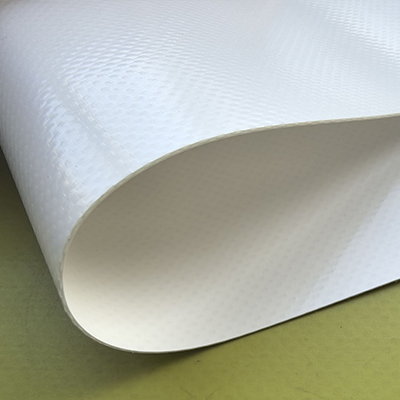
DERFLEX PVC coated polyester tarpaulin material
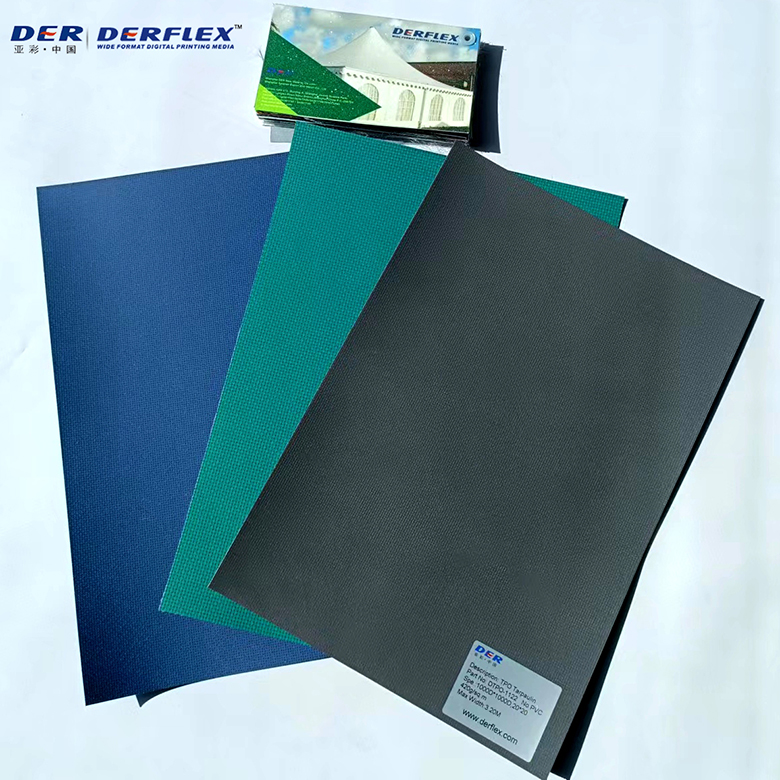
DERFLEX TPO tarp material samples

PVC and TPO directions

PVC-coated tarpaulin is widely used for heavy-duty industrial covers. TPO material can be considered where project requirements favor a chlorine-free thermoplastic surface or a different resistance profile. Final material choice should follow exposure review and sample confirmation.

Compatibility-led selection

Six questions determine whether a tarp is suitable

A useful chemical-resistant cover specification begins with the real exposure profile, not with material weight alone.

Chemical identity

Provide the exact substance or mixture name and, where available, the SDS. Similar product names can contain very different solvents, additives or oxidizers.

Concentration

Dilute wash solution, concentrated process chemical and contaminated water can behave differently against the same coating.

Temperature

Higher temperature often accelerates swelling, softening, extraction or permeation. Include both chemical and ambient temperature.

Contact duration

Occasional splash, repeated daily wetting and continuous immersion are different design conditions. Most tarp applications are intended for splash or intermittent exposure.

Mechanical stress

Abrasion, dragging, wind movement, folding and tie-down tension can damage the surface and expose reinforcement even when the polymer itself is compatible.

Cleaning and disposal

Specify rinsing chemicals, pressure washing, residue removal and whether the tarp must be reusable. Contaminated covers may require site-specific handling procedures.

Preliminary application screen

Use this matrix as a discussion guide—not as a chemical guarantee

Actual compatibility depends on formulation, concentration, temperature, duration, fabrication details and the acceptance criteria of the project.

Exposure category Typical industrial examples Initial material direction Review status
Dilute acids Cleaning solutions, acidic residue, selected process splash PVC-coated or alternative polymer system may be evaluated Chemical-specific test
Dilute alkalis Caustic wash, alkaline cleaning, cement-related residue Coated polyester with compatible surface formulation Often feasible after review
Salts and fertilizers Urea, nitrate-based fertilizers, potash, ammonium salts Waterproof PVC-coated tarp with easy-clean surface and reinforced edges Application review
Oils and grease Lubricants, hydraulic residue, workshop contamination Oil-resistant formulation selected for splash and wipe-down service Grade confirmation required
Fuels and solvents Diesel, gasoline, alcohols, degreasers, solvent blends Requires exact-media evaluation; standard PVC may not be suitable Mandatory compatibility check
Strong oxidizers or aggressive solvents Concentrated oxidizing agents, aromatic or chlorinated solvents Specialty material or certified containment system may be necessary Do not assume suitability
Safety boundary: a tarp should not be used as primary hazardous-chemical containment, personal protective equipment or a substitute for an engineered spill-control system unless the complete product has been independently approved for that purpose.

Typical specification framework

Configure the tarp around service conditions

DERFLEX can adjust material structure and finished-cover details for distributor, fabricator, contractor and industrial project requirements. The ranges below are typical directions and must be finalized against the actual application.

Custom GSM Custom width Glossy / matte UV options FR options Easy-clean finish Rolls or finished tarps OEM packaging
Base fabricHigh-tenacity polyester or project-specific reinforcement
Surface systemPVC coating, PVC lamination, TPO or application-specific coated structure
Typical weightApproximately 400–1200 g/m², depending on polymer and construction
WidthRoll width selected by material series; large finished sizes produced by welding
SurfaceGlossy, matte, embossed, lacquered or easy-clean options
ColorBlack, grey, blue, green, yellow, white or custom color matching
FabricationHeat welding, high-frequency welding, sewing, hems, webbing and hardware
Performance optionsUV resistance, anti-mildew, cold flexibility, flame retardancy and selected chemical resistance
Supply formatRoll material, cut panels, flat tarps, fitted covers or OEM finished products

Finished-cover engineering

The edge and seam design matter as much as the coated fabric

Fabrication details are selected according to cover geometry, tie-down load, movement, installation frequency and the type of chemical contact expected.

01

Welded seams

Hot-air, hot-wedge or high-frequency welding can reduce stitch holes and create continuous panel joints when the selected material supports the process.

02

Reinforced perimeter

Folded hems, webbing, rope-in hems and corner patches distribute tie-down forces and help protect the edge from repeated handling.

03

Attachment hardware

Grommets, D-rings, straps, buckles and sleeves can be positioned around installation points. Hardware material should be reviewed for the same environment.

04

Custom geometry

Flat sheets, box covers, machine covers, stockpile covers, curtains and irregular shapes can be produced from drawings, dimensions or approved samples.

Application-focused supply

Where chemical resistant tarps are commonly specified

The product is intended for industrial protection and temporary covering tasks where standard lightweight tarps may not provide sufficient surface durability or exposure resistance.

Chemical plant equipment covers

Temporary or reusable covers for pumps, valves, process skids, maintenance equipment and outdoor machinery exposed to residue, splash, weather and dust.

Fertilizer storage and transport

Waterproof protection for bagged fertilizer, stockpiles and loading areas where moisture, urea dust, nitrate salts and outdoor weather must be considered.

Industrial maintenance shutdowns

Protective sheets, curtains and fitted covers used during cleaning, repainting, equipment servicing and temporary isolation of work areas.

Oil, grease and workshop exposure

Reusable covers and floor-protection sheets for selected lubricants, hydraulic residue and industrial contamination, after compatibility confirmation.

Environmental and remediation work

Temporary covers for contaminated soil, equipment staging and weather protection. Site engineers should define containment, disposal and decontamination requirements.

OEM safety-supply programs

Bulk roll goods or private-label finished tarps for industrial distributors, cover fabricators, contractors and environmental service companies.

DERFLEX manufacturing support

From coating formulation to finished cover details

DERFLEX combines coated-fabric production, application development, quality control and export supply support for industrial buyers. The company serves customers that need repeatable roll specifications, customized tarp construction and long-term OEM programs.

For chemical-related applications, the practical advantage is the ability to discuss polymer direction, reinforcement, surface finish, welding behavior and fabricated details within one sourcing program.

20+ yearsCoated material experience
60,000 m²Integrated production area
120+Countries and regions served
OEMRolls and finished-cover programs

Frequently asked questions

Chemical Resistant Tarp FAQs

What chemicals can a chemical resistant tarp withstand?

There is no single tarp material that is suitable for all chemicals. Compatibility depends on the exact chemical or mixture, concentration, temperature, contact time, cleaning method and mechanical conditions. DERFLEX reviews these factors before recommending PVC-coated polyester, TPO or another material direction.

Are PVC tarps resistant to acids and alkalis?

Selected PVC formulations can tolerate certain dilute acids, alkalis, salts and industrial residues, especially during splash or intermittent exposure. Concentrated chemicals, hot liquids, oxidizers and aggressive solvents require a specific compatibility review and may require another material.

Can the tarp be used for oil, diesel or solvent exposure?

Oil-resistant and fuel-related options can be evaluated, but the exact fluid must be identified. Diesel, gasoline, hydraulic oil, alcohols, aromatic solvents and chlorinated solvents do not have the same effect on a coating. A sample or test report may be needed before approval.

Can DERFLEX manufacture custom sizes and fitted covers?

Yes. Supply formats can include rolls, cut panels, flat tarps, box-shaped covers, equipment covers, curtains and made-to-measure fabricated products. Hems, webbing, grommets, D-rings, sleeves and printed identification can be customized.

Are chemical resistant tarps waterproof and UV resistant?

Waterproof construction and UV-resistant formulations are available. Outdoor service life depends on polymer grade, color, UV package, climate, installation tension, abrasion and cleaning. These requirements should be included in the project specification.

Can this tarp be used as a spill-containment liner?

Only when the complete product has been designed, tested and approved for that specific containment duty. A general p, rotective tarp should not be treated as certified primary containment, PPE or a substitute for engineered spill-control equipment.

Send the chemical details before selecting the tarp

Tell DERFLEX the media, concentration, temperature, exposure time, tarp size, quantity and fabrication requirements. The team can review a suitable coated-fabric direction and identify where testing or further confirmation is needed.

DERFLEX — Industrial Coated Fabrics & Custom Tarpaulin Solutions Chemical compatibility must be confirmed for the intended use conditions.
Copyright © 2015 DERFLEX ( PVC tarpaulin manufacturer )All Rights Reserved.