Top Finish
Influences sheen, touch, scuff visibility, stain-release direction, cleaning interaction and visible ageing. Finish choice should follow the real contact and maintenance environment.
 News
News

Source PU leather around the product you need to manufacture—not around a generic color card. DERFLEX supports custom surface, backing, thickness direction, hand feel, roll format, sample approval, bulk-production control and repeat-order planning for international B2B programs.
Furniture factories, automotive interior suppliers, bag manufacturers, distributors and private-label brands can use one structured sourcing route from initial brief to approved swatch, commercial rolls and future replenishment.
A PU leather factory in China produces polyurethane-based synthetic leather in roll form by combining a leather-like PU surface system with a selected backing and finishing process. For B2B sourcing, the useful distinction is not simply factory location; it is whether the supplier can control the material structure, approve a physical sample, transfer that approval into bulk production and preserve the same material identity for repeat orders.
Two PU leather swatches can look similar in a meeting room and perform differently on a cutting table, sewing line, wrapped panel, sofa cushion or handbag edge. A factory-oriented specification therefore controls the layers and production decisions behind the surface.
Influences sheen, touch, scuff visibility, stain-release direction, cleaning interaction and visible ageing. Finish choice should follow the real contact and maintenance environment.
Creates the leather-like face, color depth and embossing response. The surface build contributes to softness, flex behavior, abrasion direction and the tactile identity of the product.
Defines the visual identity of a collection. Repeat programs benefit from a coded color reference, identified grain and agreed gloss direction rather than photographs alone.
Supports the connection between the visible surface and backing. Layer integrity can matter in products exposed to flexing, heat, humidity, edge folding or repeated cleaning.
Knitted, woven, nonwoven, polyester and microfiber directions can change stretch, body, tear behavior, sewability, wrapping response and dimensional stability.
Usable width, roll length, core, labels, packing, item coding and retained references matter when the material must move from one shipment into repeat production.
Buyers often compare factory photos, sample cards and unit prices. A stronger evaluation asks who controls the material decisions and how those decisions are documented from sample approval through future reorders.
Does the supplier ask what product, component, wear zone and use environment the material will enter?
Can color, grain, touch, backing and thickness be linked to an identified physical reference instead of a screen image?
Can the supplier explain the backing, thickness direction and processing fit instead of describing only the top surface?
When abrasion, hydrolysis, flame, cleaning or colorfastness matters, is the claim tied to a defined method and acceptance target?
Is there a clear reference for comparing commercial rolls with the approved sample and written order requirement?
Does the program define which changes to color, grain, finish, backing or structure require communication and re-approval?
Are usable width, roll length, packing, MOQ basis, Incoterm and shipment assumptions clear enough to compare quotations fairly?
Can future replenishment refer back to a controlled item code, sample and specification rather than restarting the project from memory?
Exact values depend on application, production route, quantity and requested testing. The table is deliberately written as a purchasing framework rather than a universal promise.
| Specification Item | Development Direction | What the Buyer Should Lock Before Bulk |
|---|---|---|
| Material Family | PU synthetic leather, microfiber-PU direction or another project-defined leather-look system. | Actual material construction and intended product use; do not rely on the commercial name alone. |
| Surface Style | Smooth, napa-style, pebbled, lychee-style, matte, semi-matte, semi-gloss, printed or custom embossing. | Physical surface reference, embossing identity, gloss direction and acceptable visual range. |
| Color | Standard color direction or custom color matching around buyer samples / references. | Approved physical swatch and any agreed method for reviewing visible color difference. |
| Backing | Knitted, woven, nonwoven, polyester, microfiber or application-specific support layer. | Stretch, body, seam behavior, wrapping, lamination, bonding and dimensional needs. |
| Thickness & Hand | Project-defined thickness and soft / supple / structured handling direction. | Nominal target, tolerance approach and the physical hand-feel reference used for approval. |
| Width & Roll Format | Usable width, roll length, core, wrapping, labels, carton marks and export packing by project. | Cutting marker, warehouse handling, quantity calculation basis and packaging requirements. |
| Processing Route | Cutting, sewing, quilting, edge folding, wrapping, foam bonding, hot pressing or lamination. | Run a representative conversion trial when processing risk is commercially important. |
| Performance Route | Abrasion, hydrolysis, flexing, adhesion, cleaning, water-resistance direction, UV/weathering, mildew or flame pathway when applicable. | Named test method, sample condition and acceptance value where a claim affects purchasing approval. |
| OEM / Private Label | Roll labels, carton marks, collection codes, packaging and buyer-specific presentation. | Artwork, language, label content, traceability expectation and approval responsibility. |
The fastest route to a useful sample is to describe the finished product. Application language tells the factory which risks should guide surface, backing, thickness, testing and processing decisions.
Typical priorities: hand feel, grain scale, cleanability, cushion wrapping, seam appearance, stretch control and color continuity across collections.
Typical priorities: component-specific wear zone, wrapping behavior, backing stability, visible color control and project-defined ageing / test pathways.
Typical priorities: fold behavior, edge turning, stitch response, body, grain definition, scuff zones and repeat fashion colors.
Typical priorities: repeated contact, cleaning routine, visual consistency and replacement continuity across phased projects.
Typical priorities: wipeability, cleaner compatibility, surface integrity, seam/process fit and buyer-defined documentation requirements.
Typical priorities: humidity, cleaning, UV direction, mildew risk, hydrolysis route and finished-product seam design. Indoor upholstery should not automatically be treated as marine grade.
A controlled approval sequence reduces ambiguity. Each gate should produce a usable reference for the buyer, product-development team and factory rather than an informal “looks good” approval.
Define finished product, component, use environment, processing route, target market and expected scale.
Review color, grain, embossing depth, gloss, touch and visual positioning with physical references.
Match backing, thickness, softness, stretch and body to the actual conversion method.
Link approved appearance and measurable construction to an item / sample reference and order notes.
Cut, sew, fold, wrap, bond or laminate a representative part where manufacturing risk justifies it.
Compare production rolls against the approved reference, inspection points and packing requirements.
Preserve the material identity and define which future production changes require re-approval.
“Wear resistant,” “hydrolysis resistant,” “easy clean” or “flame retardant” are not complete purchasing specifications. The useful question is: which failure mode matters in the finished product, and how will it be verified?
Consider abrasion, flexing and appearance retention. Cycle numbers from different test methods should not be compared as if they are the same result.
Consider hydrolysis ageing, adhesion and flex behavior. Define temperature, humidity, duration and the post-ageing acceptance condition.
Use the actual or representative cleaning chemistry and evaluate surface change after the agreed cleaning route.
Review adhesion, dimensional behavior, backing stability and compatibility with the actual heat / bonding process.
Consider rubbing / colorfastness and the real contact materials that could create visible transfer or staining.
Use the standard required by the finished product, customer or destination market. A broad “FR” statement is not a substitute for a named method.
Direct production can be useful for customization and repeat programs, but it is not automatically the right model for every order. Select the supply model around project complexity, volume, urgency and the amount of technical control you need.
Usually a strong fit when the buyer needs custom color / grain / backing, physical sample approval, bulk consistency and future replenishment under the same material identity.
Can be practical for mixed-category consolidation or access to several factories. Buyers should clarify who controls technical decisions, testing claims and corrective action.
Often useful for prototypes, urgent standard-color requirements or lower-volume purchases where custom production is unnecessary. Check stock continuity before relying on repeat supply.
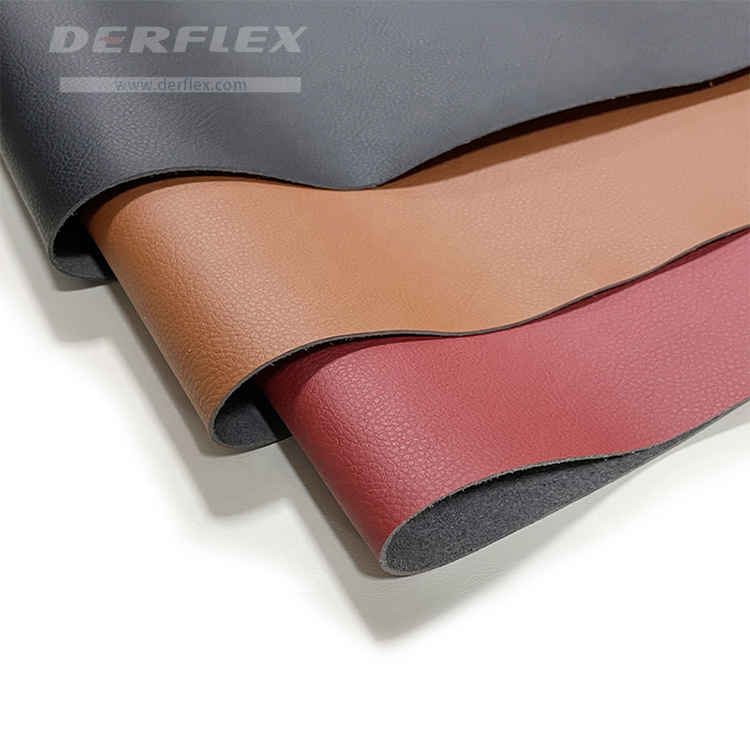
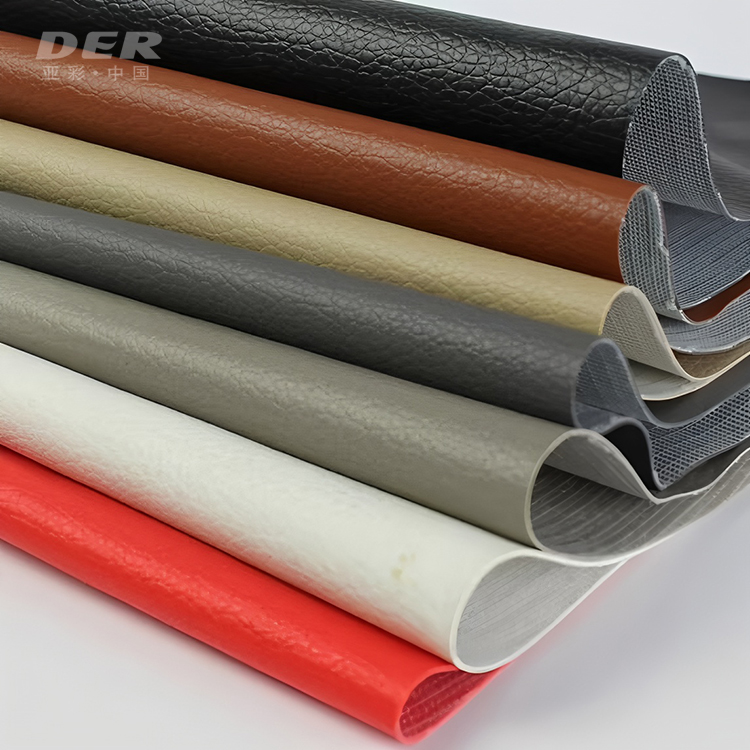
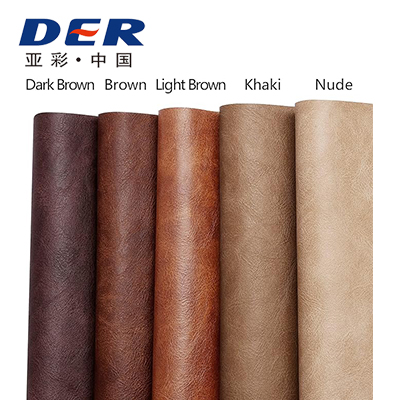
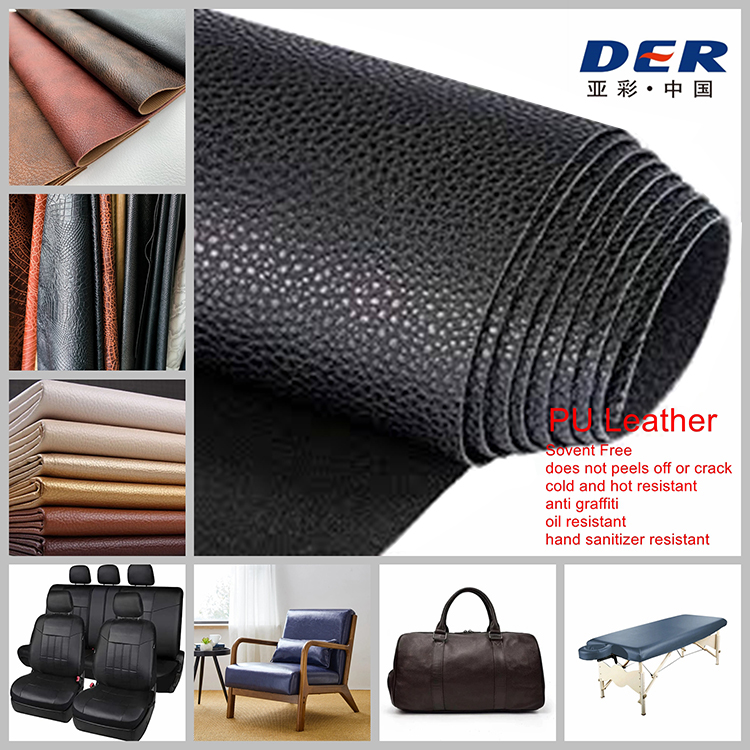
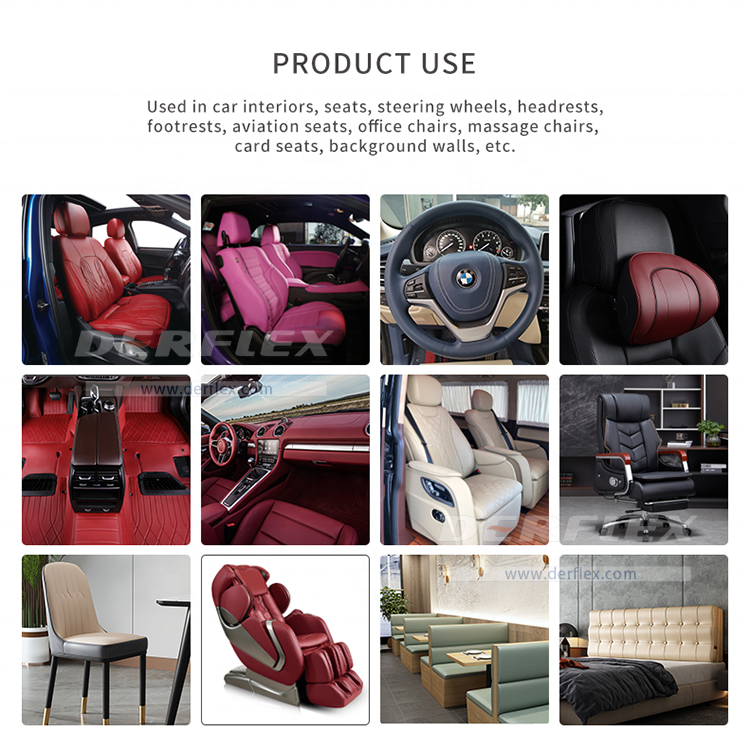
The image package below uses existing DERFLEX website assets for PU leather rolls, flexible backing, upholstery materials and application references. Final color, grain, backing, thickness and performance should be confirmed by the approved project sample.
These related DERFLEX pages cover adjacent purchase questions without forcing every China sourcing phrase onto one URL.
Short, direct answers are provided first so procurement teams can extract the decision point quickly, then review the details that matter to bulk sourcing.
Verify who controls the material specification, how physical samples are approved, how bulk rolls are compared with that approval, which tests apply to your end use, how changes are controlled, and how repeat orders are identified. Factory location alone does not answer these questions.
Sample matching can be discussed for color, grain, gloss, hand feel, backing and thickness direction. A physical reference is useful, but the finished product and processing method should also be provided because visually similar materials can behave differently during sewing, wrapping, folding, bonding or long-term use.
MOQ depends on the selected surface, color, embossing, backing, width, production route, packing and whether the project uses a standard or custom construction. A useful MOQ discussion starts after the material route and color split are known rather than publishing one number for every PU leather program.
Normalize usable width, roll length, backing, thickness, surface finish, testing scope, packing, quantity, Incoterm and freight assumptions. Also consider cutting yield, rework risk, color mismatch, conversion efficiency and repeat-order continuity. Price per meter is only one part of the purchasing result.
A supplier can support several application families, but one universal PU leather construction should not be assumed to fit all of them. Furniture may prioritize touch and wrapping, automotive components may emphasize wear zones and process stability, while bags may require specific fold, stitch and body behavior.
The test list should follow the product risk. Common discussions can include abrasion, flexing, coating adhesion, hydrolysis ageing, colorfastness, cleaning compatibility, tear or tensile behavior, UV/weathering direction, mildew or a named flame method. Agree the exact method and acceptance criterion when the result is commercially important.
PU leather is one type of synthetic or faux leather that uses a polyurethane-based surface system. “Faux leather” and “synthetic leather” are broader commercial categories and can also include PVC, microfiber-based and other engineered leather-look materials. Purchasing specifications should identify the actual construction rather than relying only on the category name.
Send the finished application, exact component, reference sample or photo, color and grain direction, backing or thickness requirement, processing method, estimated quantity, destination and required tests. DERFLEX can then discuss a more relevant sampling and quotation route.
Send DERFLEX your application, reference swatch, color, grain, backing, thickness direction, processing method, estimated quantity, destination and required tests. The team can review a project-specific sample route and bulk-supply discussion.