Application fit
Ask whether the supplier defines the material by finished product and wear zone. Sofa cushions, car bolsters, handbag bodies and medical mattress covers do not share the same priorities.



 Custom Synthetic Leather Supply
 Source polyurethane synthetic leather from China around the product you need to manufacture—not around a generic catalog. DERFLEX supports color, grain, hand feel, backing, thickness direction, roll format, processing requirements and project-specific test planning for furniture, automotive, bags, marine, medical and commercial programs.
International buyers searching for a China PU leather manufacturer usually have more than one purchasing objective. They may need a lower landed material cost, a custom texture for a new collection, reliable repeat colors, a backing that works with current sewing equipment, or a supplier able to support multiple product tiers without changing the visual identity of the range.
The risk is that two PU leather samples can look similar on a desk while behaving very differently during cutting, stretching, stitching, corner wrapping, bonding, repeated cleaning or humid storage. A useful supplier discussion therefore starts with the finished product, then works backward into the coating system, surface, backing and verification plan.
DERFLEX approaches China PU leather sourcing as a controlled development process. The objective is not to claim that one construction is universally superior. It is to define a material that fits your application, commercial position and production method, approve it physically, record the key variables and then use that approved reference for bulk and repeat orders.
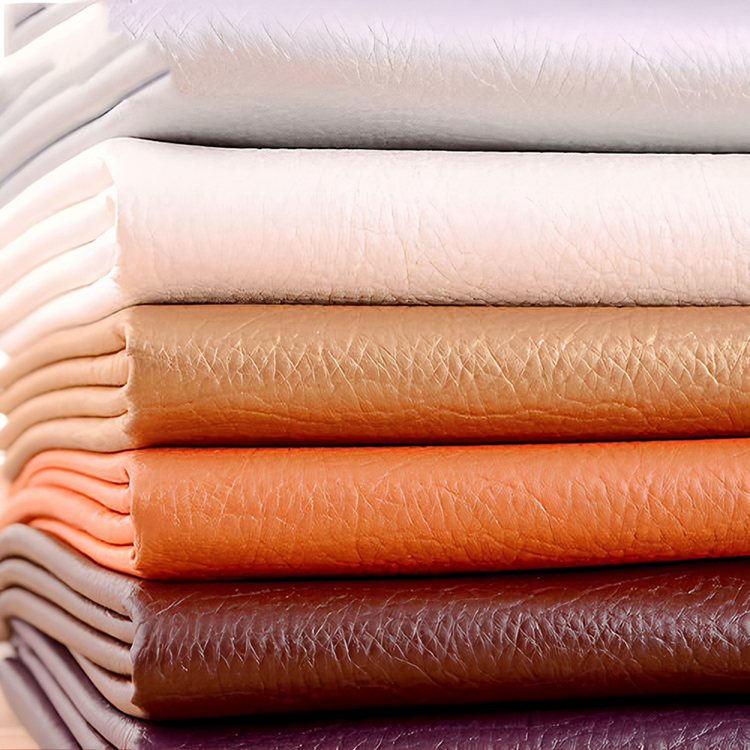
“PU leather” describes a material family, not one fixed recipe. The finished behavior comes from the interaction of several layers and processes.
Controls gloss, touch, stain-release direction, surface feel and interaction with cleaners. The finish should be chosen with the end-use environment in mind.
Creates the leather-like face, color and embossing response. Chemistry and coating build influence softness, flex, abrasion direction and ageing behavior.
Supports the connection between visible surface and substrate. Adhesion can become critical in products exposed to flexing, heat, humidity or repeated mechanical stress.
Knitted, woven, nonwoven or microfiber directions change body, stretch, tear behavior, sewability, wrapping performance and dimensional stability.
A stronger RFQ makes supplier comparison easier and reduces the chance that a visually attractive sample creates problems after bulk production begins.
Ask whether the supplier defines the material by finished product and wear zone. Sofa cushions, car bolsters, handbag bodies and medical mattress covers do not share the same priorities.
Confirm how color, grain, gloss, touch and backing are approved. A physical reference is usually more useful than describing a shade as “brown” or “black.”
Explain sewing, wrapping, quilting, laminating, edge folding, hot pressing or bonding. Backing and thickness should work with the actual manufacturing route.
Translate broad words such as abrasion resistant, hydrolysis resistant, easy-clean or flame retardant into named methods, conditions and acceptance criteria when they matter.
Discuss how approved samples, color references, roll inspection and order records are used to support repeat production rather than approving appearance only once.
Compare MOQ, sample requirements, roll length, packing, production planning and replenishment—not just unit price. Hidden conversion waste can outweigh a small material-price difference.
Identify the test reports, declarations, restricted-substance documents or buyer-specific paperwork required for the destination market before the order is released.
For long-term programs, record which variables must not change without approval. This is especially important for color, embossing, backing, thickness and surface finish.
The table below is a practical RFQ framework. Exact constructions and values should be confirmed through sampling, testing and written order documentation.
| Specification Item | Available Development Direction | What the Buyer Should Confirm |
|---|---|---|
| Surface Style | Smooth, fine grain, napa-style, pebbled, lychee-style, matte, semi-matte, semi-gloss, printed or project-specific embossing. | Reference swatch or high-quality photo, embossing depth, gloss level and appearance under target lighting. |
| Color | Standard collection colors or custom color matching by project. | Physical color standard, approved lab/sample reference and tolerance method if the buyer uses one. |
| Backing | Knitted, woven, nonwoven, polyester base, microfiber or another engineered substrate direction. | Stretch, body, tear behavior, sewing, wrapping, laminating or bonding requirement. |
| Thickness | Customized according to end use and material structure. | Nominal target, allowed tolerance and whether measurement refers to the complete composite. |
| Width / Roll Format | Roll width, roll length, core, labels and packing can be discussed for the program. | Cutting marker, equipment width, warehouse handling, container planning and downstream conversion efficiency. |
| Hand Feel & Body | Soft, supple, structured, tighter or other application-led directions. | Finished product geometry, cushion wrapping, panel stiffness, drape, folding and touch expectations. |
| Performance | Abrasion, flexing, hydrolysis, water resistance, cleanability, UV direction, mildew direction, adhesion or flame-test pathway when applicable. | Named test method, condition, sample preparation and pass/fail criteria. Avoid relying only on broad marketing labels. |
| OEM / Private Label | Roll labels, carton marks, packing, collection coding and repeat-order references. | Branding rules, traceability needs, packing format, documentation and shipment destination. |
Application language helps narrow the correct material direction faster than a generic request for “high quality PU leather.”
Priorities may include hand feel, grain depth, color coordination, cleanability, stretch around cushions, seam appearance and repeat-order consistency across collections.
Seats, bolsters, headrests, armrests and trim can require tighter visual control, wrapping behavior, repeated contact resistance and project-specific ageing or cabin-environment review.
Handbags, backpacks and travel goods depend on fold behavior, edge handling, stitch response, body, scuff zones and color/grain consistency across multiple components.
Boat and yacht upholstery should separate interior from exterior exposure and review moisture, humidity, cleaning, UV direction, mildew risk and hydrolysis resistance as relevant.
Exam tables, mattress covers and care seating may require wipeability, cleaner compatibility, surface integrity, seam/process compatibility and documented project requirements.
Hotels, restaurants, offices and public interiors often balance visual presentation with high-frequency use, maintenance routines and reliable replenishment for phased projects.
The practical objective is to reduce uncertainty before volume production and preserve the approved direction during repeat sourcing.
Share the finished product, target market, process route, wear zones, cleaning conditions and commercial positioning.
Review surface, backing, thickness direction, hand feel, grain, color and any performance requirements.
Confirm physical appearance and processing behavior. Use a retained reference for communication and repeat ordering.
Where needed, agree named test methods and acceptance criteria for abrasion, flex, hydrolysis, adhesion, cleaning or other project factors.
Coordinate roll packing, identification, inspection points, shipment details and the reference used for future replenishment.
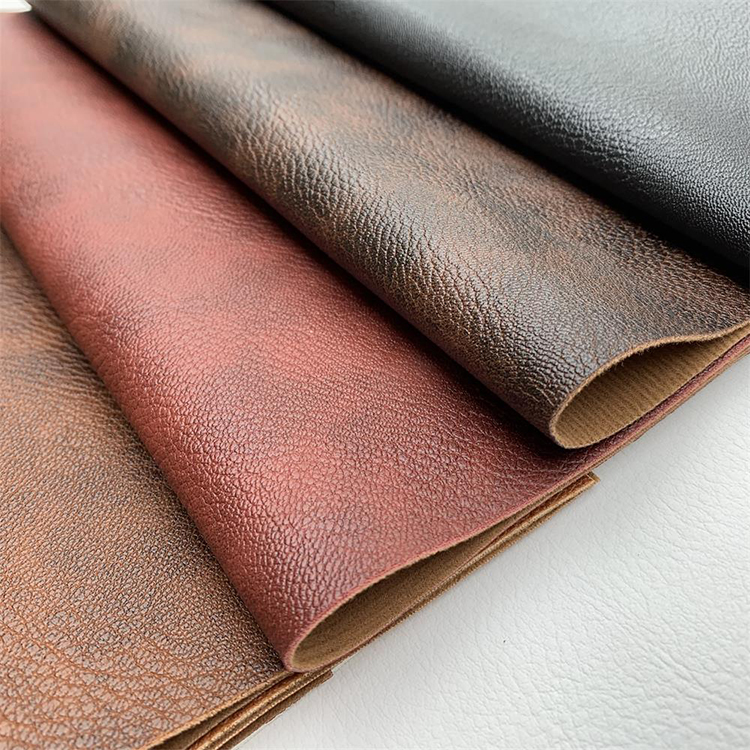
For bulk PU leather, a single final inspection cannot replace a clear specification. Buyers benefit from identifying the checkpoints that affect the finished product and linking them to the approved sample or written requirement.
Backing identity and appearance, color and gloss comparison, embossing consistency, thickness/weight direction, surface defects, roll length and width, coating adhesion, flex behavior, abrasion or hydrolysis testing when relevant, packaging, labels and retained batch references.
A low unit price can become expensive if the material creates cutting waste, sewing defects, color mismatch, rework or customer returns. Supplier evaluation should therefore include conversion efficiency and repeat-order control as part of total purchasing cost.
DERFLEX combines coated-material manufacturing experience, engineering support and international order coordination. The page deliberately avoids treating broad phrases such as “premium,” “eco-friendly,” “waterproof” or “long-life” as automatic guarantees; those claims should be confirmed on the selected construction and applicable test route.
Material selection begins with where the PU leather will be used and how it will be processed, helping buyers avoid choosing by appearance alone.
Color, grain, gloss, touch, backing, thickness direction and roll format can be coordinated as one development brief instead of isolated variables.
When projects require abrasion, hydrolysis, water-resistance, flame or cleaning performance, the discussion can be structured around a named test and acceptance path.
Approved samples and written specifications help preserve the intended color, grain, backing and commercial direction across replenishment orders.
The sourcing workflow is designed for manufacturers, importers, wholesalers, converters, project suppliers and private-label programs rather than one-off retail purchases.
Roll labels, carton marks, packing, shipment information and buyer documentation can be clarified as part of the commercial order process.
These internal resources cover general manufacturing capability and application-specific material choices.
DERFLEX supplies custom PU leather and synthetic leather roll materials for international B2B and OEM programs. The sourcing process can cover application review, sample development, color and grain direction, backing and thickness selection, project-specific performance requirements and bulk-order coordination.
Sample matching can be discussed for color, grain, gloss, hand feel, backing and thickness direction. A physical swatch is useful, but buyers should also provide the finished application and processing method because two visually similar materials may perform differently during sewing, wrapping or use.
MOQ depends on the construction, color, embossing, backing, production route, packaging and whether the material is a standard or custom program. It is more accurate to quote MOQ after the material direction and quantity are known rather than publishing one number for every PU leather type.
Compare more than the quoted price per meter. Confirm usable width, roll length, thickness, backing, surface construction, color consistency, expected conversion yield, testing requirements, packaging, MOQ, lead time and freight basis. A lower unit price can be less economical if it creates higher cutting waste, rework or quality variation.
These are all application directions that can be discussed, but they should not use one universal material specification. Each program should define the exposure, processing route, surface requirement, backing and performance tests relevant to the finished product.
The test plan depends on end use. Common discussions may include abrasion, flexing, coating adhesion, tear or tensile behavior, hydrolysis ageing, colorfastness, cleaning compatibility, UV/weathering direction, mildew resistance or a named flame test. The method, condition and pass value should be agreed rather than relying only on descriptive labels.
Send the application, reference sample or photo, grain, color, backing, thickness direction, roll width, processing method, estimated quantity, destination and any required tests. DERFLEX can then review a suitable development path and prepare a quotation or sampling discussion.
Send DERFLEX your application, sample or target surface, color, grain, backing, thickness direction, quantity, destination and test requirements. The team can review the specification and discuss a practical sampling and bulk-supply route.
Product descriptions, application directions and specification examples on this page are provided for sourcing discussion. Final composition, dimensions, tolerances, test results, compliance documentation, MOQ, lead time and finished-product suitability should be confirmed for the approved material, written order specification, destination market and processing conditions.