01
Keep the crown shedding.
A smoothly crowned module helps water move off the top. Minimize seam intersections and avoid seam placement at low points. Where panels are joined, discuss compatible heat-welded seams.
 News

Custom cotton module tarp and cotton tarp cover solutions for conventional seed-cotton modules in fields, gin yards and storage staging areas.
Specify a waterproof top, dependable skirt and tie-down geometry, reinforced attachment points and a repeatable OEM cover pattern. DERFLEX supports coated-fabric selection and custom cover fabrication for agricultural distributors and bulk buyers.
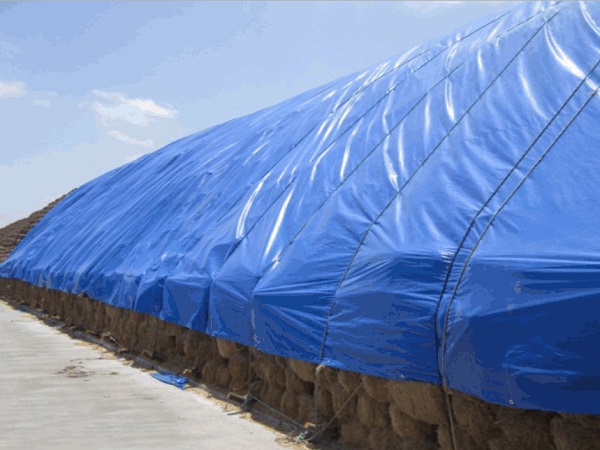
DERFLEX agricultural cover reference image; not a cotton module installation.
A cotton module tarp is a removable cover used to protect harvested seed cotton while a conventional module awaits transport and ginning. Its top should resist rain penetration and shed runoff; its skirt and retention system should reduce wind lift without trapping water against the cotton.
It is different from a generic cotton canvas tarp and different from the plastic film used to wrap machine-made round cotton modules. For conventional rectangular modules, the crown profile, belt tension, skirt depth and cover condition can matter more than nominal sheet dimensions alone.
DERFLEX builds its proposal around the actual module. For broader farm cover projects, see our agricultural tarpaulin range.
Seed cotton is sensitive to moisture and contamination. Designing the top, sidewall and fastening system as one assembly is more useful than selecting fabric by GSM alone.
01
A smoothly crowned module helps water move off the top. Minimize seam intersections and avoid seam placement at low points. Where panels are joined, discuss compatible heat-welded seams.
02
Choose a fitted straight or V-shaped skirt with a confirmed drop. A solid skirt adds weather coverage; a mesh skirt may improve airflow in conditions where condensation is a concern.
03
Rope or belt channels, reinforced hems, webbing loops and correctly located buckles help distribute tension. Specify the complete retention interface, not just eyelet spacing.
Both material families can be used for agricultural module covers. Weight, UV exposure, stiffness, repairability and cover handling vary by grade; require evidence for the actual fabric quoted.
| Decision factor | PVC-coated polyester / vinyl | Coated woven PE / poly tarp |
|---|---|---|
| Typical positioning | Reinforced, reusable programs where fabrication strength, welding compatibility and controlled specification matter. | Often selected for lighter-handling and cost-sensitive agricultural cover programs. |
| Weight & handling | Can be heavier; verify finished-cover mass so crews can install and remove it safely. | Frequently lighter in comparable cover formats; strength varies with tape weave and lamination. |
| Water barrier | Continuous coatings and correctly executed welded joins are key; inspect coating and seams. | Coating/lamination integrity and seams also decide water resistance; not all grades age equally. |
| Wind & repeated flex | Evaluate tear, flex fatigue and straps/hem design—not GSM alone. | Evaluate woven structure, tear resistance and UV-aged material performance. |
| Fabrication | Heat-weldable material; reinforcing panels, loops and complex finished covers can be specified. | Heat-sealable grades available; confirm joining method, reinforcement and acceptable tolerances. |
| Best buying question | Can the vendor supply the approved material, belt layout, weld detail and repeatable sample? | What is the grade's documented weathering and puncture performance for the intended exposure? |
The comparison is general material guidance—not a warranty or a claim that every PVC grade exceeds every PE grade. See DERFLEX PVC tarpaulin material for coated-polyester construction options.
Conventional cotton module covers use ropes or belts routed through a skirt sleeve. Lower and, where appropriate, additional mid-height tension points can help the cover remain seated as wind loads change.
For bespoke attachment geometry, DERFLEX offers custom agricultural tarp fabrication using approved drawings and samples.
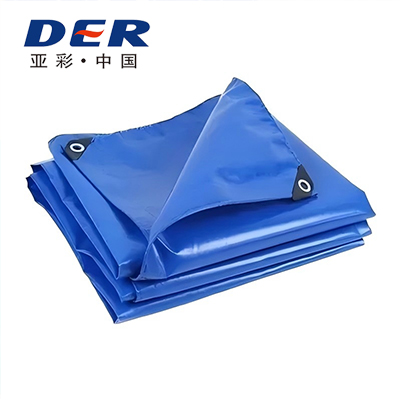 Actual DERFLEX finished tarp reference · eyelet/edge detail; not a cotton-module sample.
A gin-yard program in a windy region needs a different emphasis from a lighter seasonal cover. Use this matrix to brief a manufacturer, then approve the final design on a real module.
| Operating condition | Priority in the cover specification | Ask your supplier to confirm |
|---|---|---|
| Frequent rain / exposed field | Crowned water runoff, sealed top, sound overlap and no low-position seam crossings. | Top seam map, waterproof test approach, skirt depth and installed fit. |
| Open plains / high winds | Lower-belt grip, reinforced sleeve, controlled loose edges and extra tie points where safe. | Attachment map, material tear data, buckle choice and site wind precautions. |
| Humid mornings / condensation | Assess side ventilation without compromising the rain-shedding top. | Solid-versus-mesh skirt decision and storage/inspection procedure. |
| Frequent reuse at gin | Abrasion and repeated-fold resistance, easy-release buckles, trackable labels. | Handling weight, identification scheme, inspection and repair criteria. |
| Import & distributor program | Stable approved reference specification and private-label consistency. | Sample approval, packing units, labeling, measured size tolerance and production acceptance plan. |
“Cotton tarp cover” searches can describe different products. The correct RFQ starts by identifying how the cotton was formed and how it will be handled at the gin.
A removable top cover with side skirts, belt or rope sleeves and optional auxiliary restraints.
Specify:Module length, width, crown profile, fitted drop, sleeve path and buckle/rope type.
Usually protected by machine-applied plastic film, which is not interchangeable with a conventional removable tarp.
Specify:Any repair cap or secondary wrap project separately and confirm compatibility with the harvest system.
A secondary containment cover may require a different multi-band design, lifting access and detailed safety review.
Specify:Photos, dimensions, damage location, handling route and gin operator acceptance before fabrication.
DERFLEX's standard focus on this page is custom reusable covers for conventional modules. Round-module repair containment is a distinct engineered request, not an implied substitute for original harvester wrap.
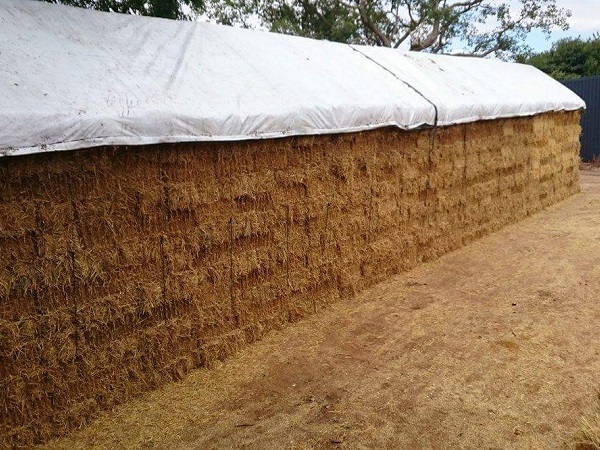 Related agricultural stack reference · demonstrates rain run-off geometry, not harvested seed cotton.
Two modules with identical nominal dimensions may need different cover patterns if their crown radii, end shapes or restraint systems differ. For repeat orders, use a signed-off sample or a detailed measurement drawing.
Length, width, height, crown and end profile.
Top run, side drop and intended overhang.
Belts, sleeves, loops, reinforced attachment points.
Finished tolerances, seams, labeled sample and packing.
DERFLEX supports PVC-coated polyester cover configurations. The exact values below must be defined in the quotation and approved sample; no generic “standard” is a substitute for contract specifications.
| Specification | Available project direction | Buyer acceptance check |
|---|---|---|
| Cover application | Conventional rectangular seed-cotton modules, gin-yard staging, field storage. | Identify module system and intended use. |
| Fabric construction | PVC-coated polyester; alternative material discussion subject to confirmation. | Approved sample and material data sheet. |
| Mass / fabric weight | Project-specific GSM; heavier is not necessarily better for manual fitting. | Specify tolerance and finished-cover handling mass. |
| Water barrier | Water-resistant coated top, with seam construction suited to finished design. | Agree water penetration/seam test method and acceptance criterion. |
| UV / weathering | Outdoor formulation may be specified according to climate and exposure. | Require test evidence for the actual supplied grade. |
| Finished size | Custom length, top width, crowned profile, end coverage and skirt drop. | Dimensions measured after finishing and allowable tolerances. |
| Side-skirt style | Solid coated skirt or optional mesh skirt; straight / V-shaped pattern. | Confirm airflow-vs-rain trade-off and fit on a module. |
| Retention | Belt or rope sleeves, buckles, straps, loops and reinforced hems. | Positioning drawing, hardware standard and release method. |
| Identification & packaging | Custom color, cover model, traceability label, distributor logo, folding/rolling plan. | Artwork approval, batch labeling and transport packing. |
| Business terms | Samples, minimum order quantity, lead time and price by quote. | Confirm in written quotation and purchase agreement. |
No unverified capacity, certification, wind rating, service-life or fixed MOQ claims are made. The buyer should request relevant evidence and trial fit testing before adopting a finished-cover specification.
Coating chips and other degraded cover fragments can enter seed cotton. Check for early material deterioration, not only visible holes. A durable cover program needs fabric controls and an in-season retirement policy.
A
Inspect for brittle coatings, flakes, damaged seams and loose components. Discuss chemical additives and potential cotton discoloration with the supplier; do not assume every tarp formulation is suitable for contact with seed cotton.
B
Repeated dragging, folding and wind flapping can weaken a tarp even without large punctures. Keep webbing load paths and sleeve stitching/reinforcement consistent with the approved design.
C
A cover with coating breakdown, poor water resistance or damaged buckles should be isolated for inspection, repair or replacement. Inventory labels make this decision traceable.
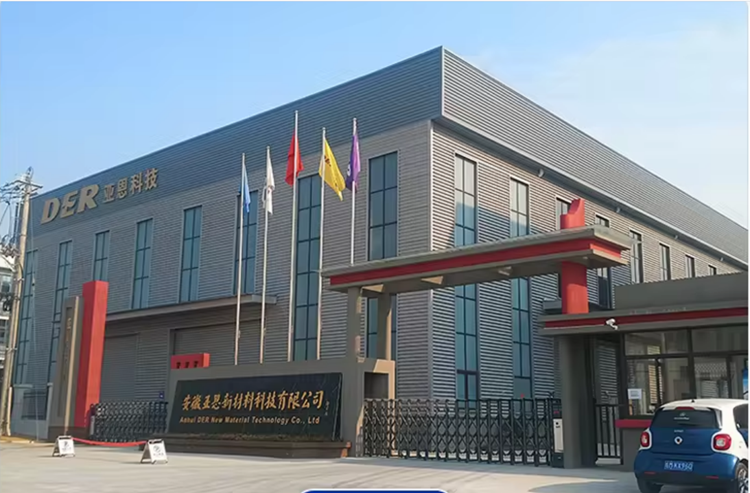
Verified DERFLEX website photographs illustrate finished tarp construction and manufacturing context. An authentic cotton-module project photo can be added once a customer installation is approved for publication.
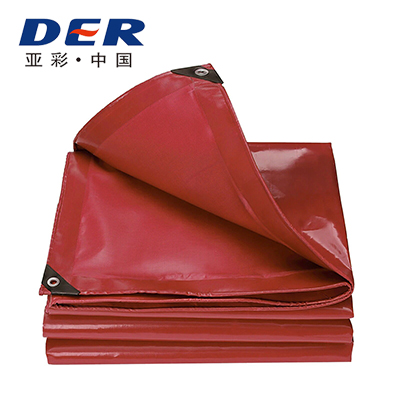
Importers, agricultural distributors and ginning operations can simplify purchasing when every supplier quotes the same cover geometry, fabric grade and retention detail.
A high-grade cotton module cover still needs a good site, sound module shaping and careful use. Make these practices part of the receiving and seasonal inspection process.
01
Choose a well-drained module location. Reject worn, pinholed or shedding covers. Verify correct orientation and the prescribed fastening method. Follow equipment and site safety instructions.
02
Check wind lift, ponding, displaced skirts, snapped buckles and torn seams after weather events. Correct unsafe conditions before exposing workers to the load.
03
Inspect, clean and dry covers. Repair or retire damaged stock. Fold or roll and store in a dry rodent-free place; preserve the product identification label.
Operational guidance should be adapted to local safety rules and module equipment. For agricultural cotton-specific reference, see Cotton Incorporated's module-cover guidance.
Clear answers to sourcing, application and material questions frequently raised by cotton growers, gins and distributors.
It is a removable weather cover fitted over a harvested seed-cotton module, primarily a conventional rectangular or loaf-shaped module. It protects the top from rain and uses a skirt and tie-down system to reduce wind-related losses during storage and staging.
Usually not. Here “cotton” refers to the crop being protected. Reusable module covers are commonly made from engineered polymer-based materials such as PVC-coated polyester or coated woven polyethylene.
Neither material is automatically best for every gin. PVC-coated polyester is an option for reinforced, reusable cover programs; coated woven PE is common where lighter handling and cost matter. Compare the actual grade's coating integrity, weathering, tear strength, weight and finished retention design.
A mesh skirt can help airflow where condensation is a concern, but it does not block side rain like a solid waterproof panel. Choose after considering climate, side-drop geometry, module shape and the gin's handling process.
Conventional covers commonly use belt or rope sleeves near the lower skirt, buckles or tie points, and reinforced edges. High-wind sites may require additional planned restraints. Wind performance depends on the entire installed system, not only fabric weight.
No. Machine-applied round-module film is a different protective system. A separate repair cap or containment cover for a damaged round module requires its own design, handling and safety approval.
DERFLEX can discuss custom PVC-coated polyester cover construction and OEM supply around approved finished dimensions, reinforcement, skirt choice, fastening and labeling. Confirm available material grades, MOQ, production schedule and final product details in a written quotation.
Send module type, dimensions, crown profile, cover/drop measurements, local weather conditions, preferred material, belt/rope hardware, expected reuse, color/label requirements, order quantity and shipping destination. Include photographs or an approved sample whenever possible.
Send us your module dimensions, operating conditions and retention layout. DERFLEX can review the coated material direction and develop an RFQ for custom covers, distributor programs and OEM seasonal replenishment.
Specifications, test performance, availability, quantity and delivery terms are subject to written confirmation.
Include: module type, dimensions, skirt and belt design, materials, estimated volume and delivery market. No nonfunctional form on this page—continue to the DERFLEX quote request.
Request A Quote ↗