Moisture Entry
Pinholes, worn coatings, open seams and poor water shedding can allow moisture to reach stored cotton.



DERFLEX develops cotton module tarps for buyers who need a reusable cover system—not just a sheet of fabric. Material weight, module geometry, wind exposure, tie-down layout, edge reinforcement and handling frequency can all be specified around the actual cotton operation.
Available for square/rectangular modules, custom stack dimensions and project-specific cover programs. Waterproof PVC-coated polyester constructions can be configured with welded seams, reinforced hems, webbing, grommets, ropes, straps and identification printing.
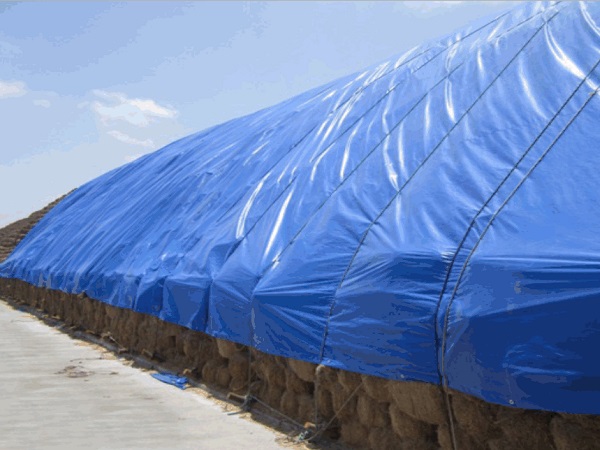
Harvested seed cotton may remain in the field or gin yard while weather, handling schedules and transport timing change. During that period, a cover has to do more than stay visually in place. It must limit rain entry, shed water rather than create collection points, remain secured in wind, and resist damage from repeated installation, removal and storage.
For that reason, DERFLEX approaches custom cotton module tarps as a combination of material structure and finished-cover engineering. The right solution depends on the size and shape of the module, the expected outdoor exposure, the tie-down system, how often the cover will be reused, and whether the customer prioritizes lighter handling or heavier-duty service.
Compared with a stock tarp purchased only by width and length, a module-specific specification helps procurement teams control the details that usually decide field performance: seam position, reinforcement width, attachment spacing, corner load, overlap, labeling and packing.
A strong page—and a strong product specification—should answer what actually happens in the field rather than simply listing “waterproof” and “UV resistant.”
Pinholes, worn coatings, open seams and poor water shedding can allow moisture to reach stored cotton.
High loads often concentrate around edges and attachment points, so perimeter design matters as much as base fabric strength.
Dragging, folding, tensioning and repeated seasonal handling can abrade coating or weaken attachment zones.
Excess slack can flap; insufficient drop or overlap can expose cotton; badly placed seams may sit where water tends to collect.
The product should be specified as a system: weather barrier, load-carrying reinforcement and attachment method.
PVC coating can be selected for water resistance, outdoor exposure, flexibility and weldability. Surface finish and color can also be adapted to the program.
Polyester scrim, perimeter webbing, hem reinforcement and corner patches help distribute tension where the cover is pulled, tied and exposed to wind.
Eyelets, straps, rope edge, loops, ratchet webbing or pipe sleeves can be positioned around the buyer’s anchoring practice instead of added as an afterthought.
The table below is a procurement starting point. Final values should be confirmed against module dimensions, target service cycle, climate, handling method and the buyer’s own acceptance criteria.
| Item | Typical DERFLEX Direction | Why It Matters |
|---|---|---|
| Product | Cotton Module Tarp / Cotton Module Cover / Custom Agricultural Cover | Can be supplied as a finished cover program rather than only roll fabric. |
| Base Fabric | High-tenacity polyester scrim; denier and weave selected by duty level | Provides tensile and tear strength under tension and repeated handling. |
| Coating | Double-sided PVC coating with outdoor formulation options | Creates a continuous protective surface and supports heat-welded fabrication. |
| Weight | Common custom direction about 500–900 gsm; project-specific grades available | Balances handling weight, strength, coating reserve and expected reuse. |
| Width / Size | Roll widths up to common industrial ranges; finished covers welded to required dimensions | Allows large modules to be covered with planned seam placement. |
| Seams | Hot-air or HF welded according to material and fabrication plan | Welded seams can reduce stitch-hole exposure in waterproof cover designs. |
| Perimeter | Reinforced hem, webbing, rope edge and/or corner reinforcement | Helps distribute tie-down loads and reduce local tearing. |
| Attachment | Grommets, webbing loops, straps, ratchet webbing, rope, pipe pockets/sleeves | Should match the actual anchoring method and wind environment. |
| Outdoor Options | UV-resistant, anti-mildew, cold-flexible and abrasion-oriented formulations can be discussed | Allows specification by climate and storage conditions rather than by generic grade. |
| Color / ID | Blue, green, white, grey, black or custom color; logo / module ID printing available | Supports fleet identification, dealer branding and lot management. |
| Supply Format | Finished tarps, cut panels, OEM/private-label packed covers or roll material | Supports gins, dealers, fabricators and wholesale distribution models. |
Searches for cotton module tarps often mix different storage systems. The cover layout should follow the real module shape and handling method.
For rectangular seed-cotton modules, the finished tarp can be sized to cover the crown and provide sufficient side protection without creating excessive loose material.
Where standard tarp sizes create too much slack, insufficient overlap or poorly positioned attachment points, DERFLEX can build the finished pattern around drawings or confirmed measurements.
A cotton module tarp supplier should ask how the cover will actually be secured. Attachment hardware changes where reinforcement is needed and how loads travel through the cover.
For importers, agricultural distributors and ginning groups, repeatability is often more valuable than ordering a different “similar” tarp every season.
Confirm module geometry, storage duration, climate, handling and tie-down method.
Choose base fabric, coating weight and outdoor formulation for the intended duty level.
Position seams, hems, webbing, corners, loops and attachment zones around expected loads.
Check finished size, attachment placement, welding, color and packaging before scale-up.
Run production to the agreed specification with batch inspection and order identification.
Maintain the approved specification for seasonal replenishment and wholesale programs.
Price per piece is only meaningful after the cover construction is defined. Use these questions to compare quotations on the same basis.
DERFLEX combines coated-fabric manufacturing with custom tarp fabrication support. That makes it possible to discuss both the material and the finished-cover structure in one procurement process.
Even heavy duty cotton module tarps need correct installation and routine inspection. A strong material cannot compensate for sharp damage, worn attachment hardware or poor water shedding.
These six internal pages connect cotton module cover buyers with the material, manufacturing and agricultural application topics most relevant to this purchase.
Answers for growers, gins, dealers, importers and procurement teams comparing custom and wholesale cover programs.
Cotton module tarps are used to cover harvested seed-cotton modules during field storage, transport staging and gin-yard holding. Their job is to reduce exposure to rain, dirt and debris while staying secured during outdoor storage. The cover should be matched to the module geometry and tie-down system.
Yes. DERFLEX can develop custom cotton module tarps around confirmed finished dimensions, material weight, color, seam layout, reinforced hems, grommets, webbing, straps, rope edges, pipe sleeves, printing and packaging requirements. Final construction is confirmed through quotation and sample approval.
PVC-coated polyester is a practical reusable option where buyers want a weldable waterproof barrier, reinforced fabric structure and custom fabrication. Lighter woven-polyethylene products are also common in the market. The better choice depends on handling weight, expected reuse, weather exposure, budget and the buyer's own performance criteria.
Heavy-duty designs usually focus reinforcement on the perimeter, corners and attachment points rather than simply increasing fabric weight. Webbing hems, reinforced patches, rope edges, grommet reinforcement and correctly positioned straps can help spread tension through the cover.
DERFLEX supports cotton module tarps wholesale and OEM programs for distributors, agricultural suppliers, ginning groups, importers and private-label brands. Quantity, packing method, labeling, target specification and delivery terms should be provided for an accurate bulk quotation.
Provide module type, finished tarp dimensions, side drop, expected weather exposure, preferred material or duty level, tie-down method, reinforcement details, color, logo/label needs, quantity and destination. Photos or drawings of the current cover system are also useful.
DERFLEX can review the module geometry, proposed duty level and attachment system, then quote a custom finished cover or bulk OEM cotton module tarp program.
Product descriptions and specification ranges are for procurement reference. Actual performance, dimensions, tolerances, outdoor life and test results depend on the confirmed material grade, fabrication plan, installation, climate and order specification. Final values should follow the approved technical data sheet, sample and sales contract.