| Moisture protection | Barrier-grade direction
Designed to prevent water penetration through intact sheet material under stated conditions. | Limited repellency
Sheds droplets and light rain but may wet through after longer exposure or pressure. | Choose waterproof when water damage has a high consequence. |
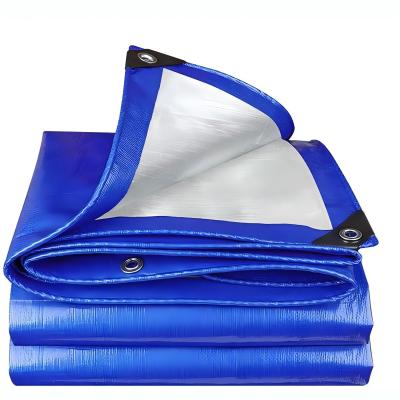
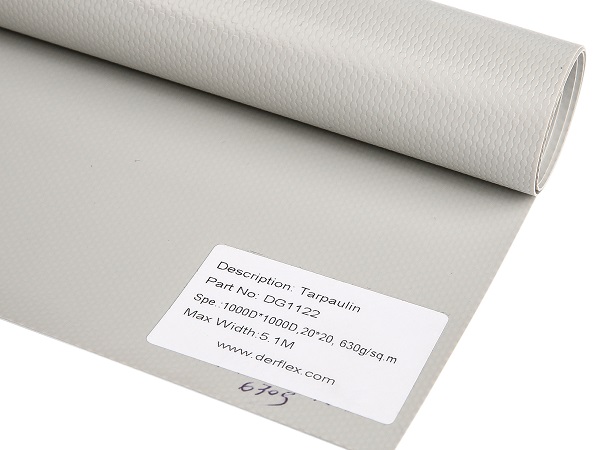
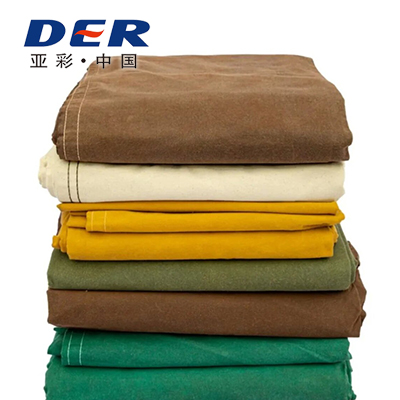
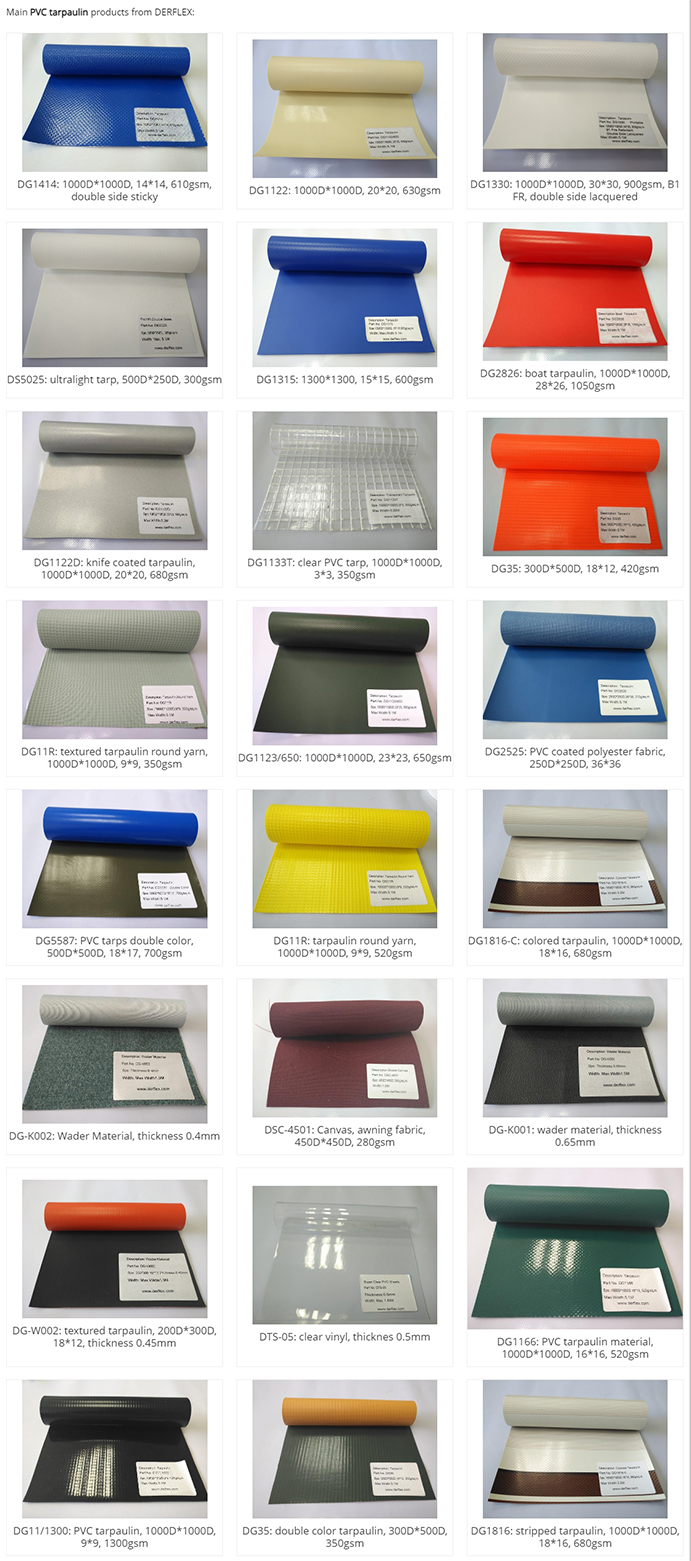
| Typical materials | PVC-coated polyester, vinyl tarp, laminated PE/poly tarp, some specialty coated fabrics. | Treated cotton canvas, polyester canvas and other breathable treated textiles. | Material name alone is not enough; verify construction and finish. |
| Heavy rain | Better direction for sustained rain when seams and installation are also controlled. | Not the first choice for prolonged driving rain or ponding. | For storms and outdoor storage, specify barrier + drainage. |
| Breathability | Usually low; a sealed cover can trap humidity. | Often higher, especially treated canvas. | For timber, some machinery and damp loads, condensation control may matter. |
| Seam strategy | Welded seams are commonly used with compatible PVC materials for stronger leak control. | Often sewn; breathable textiles may intentionally avoid a fully sealed system. | Ask how panels are joined, not only whether fabric is “waterproof.” |
| Water pooling | Still undesirable. Ponding increases load and stresses weak points. | Especially risky because standing water can accelerate wet-through. | Always create a drainage slope, crown or ridge. |
| Industrial reuse | PVC/vinyl constructions are commonly selected for repeated use, abrasion and reinforced fabrication. | Can be durable, but selection is often driven by breathability rather than sealed waterproofing. | Compare lifecycle cost, not only purchase price. |
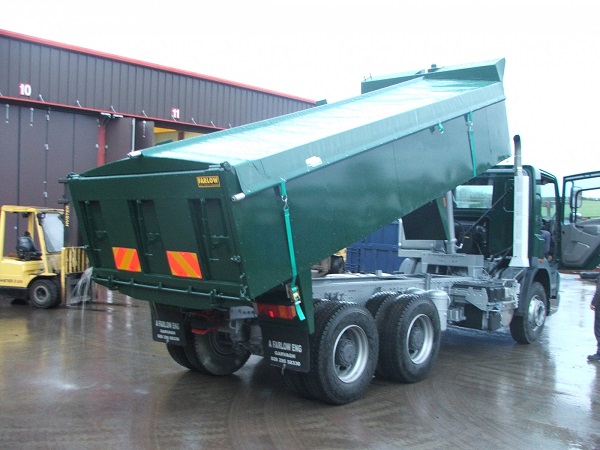
| Best fit | Truck tarps, machinery covers, temporary roof covers, construction, outdoor storage, moisture-sensitive cargo. | Lumber covers, breathable equipment covers, indoor/outdoor dust protection, applications where trapped moisture is a concern. | Start with the failure you are trying to prevent. |