


What Is a Tarp? Meaning, Materials and Common Uses
A tarp is a strong, flexible protective sheet used to cover, shield, separate, transport or shelter goods and working areas. For professional buyers, the real value of a tarp is not only the sheet itself—it is the correct match between material structure, exposure conditions, fastening design and service expectations.
DERFLEX supplies PVC coated tarpaulin materials, roll goods, semi-finished panels and custom finished tarps for truck, construction, agriculture, industrial storage, equipment protection and OEM programs.
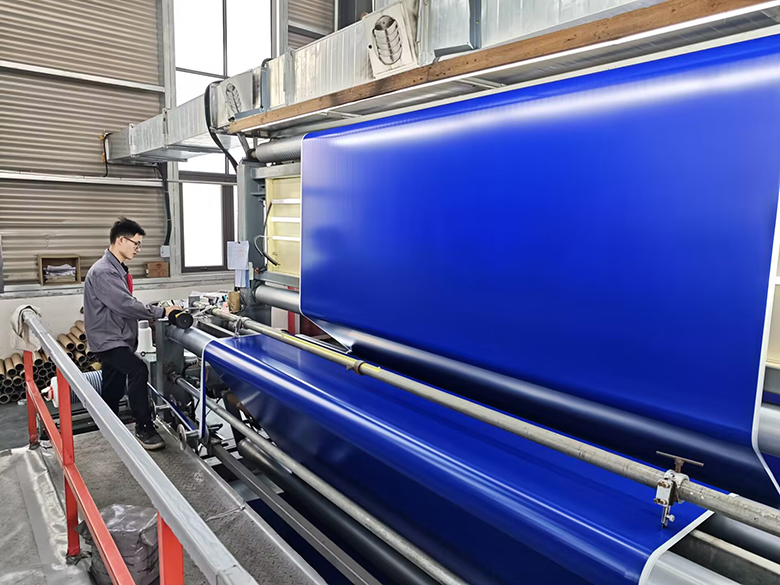
What Does “Tarp” Mean?
“Tarp” is the shortened form of “tarpaulin.” In daily use, it usually means a waterproof or weather-resistant sheet. In industrial sourcing, it can also mean a customized engineered cover with reinforced edges, welded seams, grommets, webbing, D-rings and brand-specific packaging.
A tarp is more than a temporary cover
Many users first think of a simple blue plastic sheet. That is one type of tarp, but the word covers a much wider product family. A tarp can be lightweight for short-term home use, or heavy duty for repeated outdoor exposure, cargo transport and industrial protection.
Tarp vs. Tarpaulin
The two words are often used for the same product. “Tarpaulin” is more formal and is common in specifications, export documents and B2B sourcing. “Tarp” is shorter and more common in search, retail, trucking and field use.
For DERFLEX customers, both terms may point to the same requirement: a flexible protective material or finished cover designed for a specific application.
Common Tarp Materials and How They Differ
The right tarp material depends on strength, weight, waterproof performance, UV exposure, handling, price target and expected service life. Below is a practical comparison for buyers.
PVC Coated Polyester
Suitable for heavy duty outdoor tarps, truck covers, industrial covers, equipment protection and custom OEM products. It offers strong waterproof performance, good weldability and a professional surface for repeated use.
PE / Poly Tarp
Often used for lower-cost temporary covering, home storage, garden use and short-term outdoor protection. It is lightweight and easy to handle, but specification consistency and long-term exposure performance should be checked carefully.
Canvas Tarp
Traditional woven fabric tarp, usually selected where breathability matters. It can reduce condensation for some storage situations, but waterproof treatment, mildew resistance and maintenance should be considered.
Mesh / Clear Options
Mesh tarps are used for shade, airflow and containment. Clear PVC or transparent film can be used where visibility and enclosure are required, such as partitions, curtains or special covers.
| Material Type | Typical Strength Level | Common Uses | Buyer Notes |
|---|---|---|---|
| PVC coated polyester tarp | Medium to heavy duty | Truck tarps, machinery covers, industrial storage, construction protection, OEM covers | Good option when waterproofing, welding, tear resistance and repeat quality are important. |
| PE / poly tarp | Light to medium duty | Temporary covers, garden use, basic storage, short-term rain protection | Useful for price-sensitive use, but confirm UV resistance, thickness and actual finished size. |
| Canvas tarp | Medium duty depending on treatment | Breathable covers, camping, some storage covers | Check water repellency, mildew resistance and cleaning requirements. |
| Mesh tarp | Application dependent | Shade, wind reduction, debris containment, dump truck mesh covers | Not designed as a fully waterproof sheet; choose mesh density and edge reinforcement carefully. |
| Clear PVC / transparent cover | Application dependent | Partitions, curtains, visible equipment covers, enclosure panels | Good when visibility matters; confirm cold resistance, thickness and clarity requirements. |
Common Uses of a Tarp
A tarp is selected to solve a protection problem. The same word may refer to very different products depending on industry, weather exposure and fastening requirements.
Transportation & Logistics
Truck cargo covers, flatbed tarps, trailer covers, side curtains, dump truck covers and roll tarp systems need stable waterproofing, tear strength, edge reinforcement and reliable fastening points.
Construction Sites
Tarps protect materials, scaffolding, temporary roofs, equipment and working zones from rain, dust and sunlight. Fire-retardant or anti-static requirements may apply in some projects.
Agriculture & Farming
Hay covers, silage bunker covers, grain protection, greenhouse side covers and machinery covers need weather resistance, size flexibility and practical installation design.
Industrial Storage
Factories and warehouses use tarps to protect pallets, stock, steel, timber, machinery, containers and outdoor inventory from moisture, dirt and UV exposure.
Outdoor Shelter & Events
Tarps can be used in tents, shade systems, temporary shelters, canopies, awnings and enclosure panels where appearance, color and clean finishing may also matter.
OEM Covers & Private Label
For distributors and brand owners, tarps may require custom size, color, logo printing, label, carton design, barcode, packaging and repeatable specification control.
How to Choose the Right Tarp
For B2B purchasing, do not choose by color or thickness alone. A reliable tarp specification should be built around the working environment, installation method and service target.
From Tarp Material to Custom Tarp Supply
DERFLEX focuses on PVC coated fabrics, tarpaulin materials and engineered flexible material solutions. For buyers who need consistent quality and repeat orders, DERFLEX can support roll goods, semi-finished tarp panels and finished OEM tarp programs.
Our team can discuss GSM, color, surface finish, roll width, flame-retardant options, UV resistance, printing, welded seams, reinforcement and packaging based on the actual application.
Typical Tarp Specification Points for Inquiry
The more complete your inquiry information is, the more accurately DERFLEX can recommend a suitable material and processing method.
| Inquiry Item | What to Confirm | Why It Matters |
|---|---|---|
| Application | Truck cover, construction cover, machinery cover, agriculture cover, tent, storage or OEM resale | Application decides strength, weight, surface, reinforcement and finishing. |
| Material | PVC coated polyester, PE, mesh, canvas or clear PVC | Different materials have different waterproof, UV, handling and cost profiles. |
| Weight / Thickness | GSM, oz/yd², thickness, base fabric and coating structure | Professional performance should be judged by full structure, not thickness alone. |
| Size | Finished size, cut size, roll width, panel layout and tolerance | Prevents mismatch after welding, hemming and installation. |
| Finishing | Welding, sewing, hems, webbing, rope edge, grommets, D-rings, straps | Finishing affects real-life installation strength and service reliability. |
| Branding | Color, logo printing, private label, carton, packing and loading | Important for distributors, retailers, OEM brands and project supply. |
Related DERFLEX Tarp and Material Pages
Use these related resources to continue comparing tarp materials, finished products and industrial applications.
Learn about DERFLEX coated fabric structures for waterproof and industrial applications.
Explore truck tarp material and finished cover options for cargo transport and logistics.
Compare stronger tarp solutions for outdoor storage, construction and industrial use.
Review tarpaulin materials for tents, shelters, canopies and outdoor structures.
Understand how waterproof protection is created through coating, seams and application design.
Find practical tarp solutions for machinery, tools, industrial equipment and outdoor assets.
Need a Tarp Material or Finished Tarp for Your Project?
Send DERFLEX your application details and target market. Our team can help match PVC coated tarp material, structure, size, finishing and OEM packaging to your project requirements.
- Application and working environment
- Finished size, quantity and destination market
- Required GSM, color, logo or packaging
- Roll goods, semi-finished panels or finished tarp preference
Frequently Asked Questions About Tarps
What is a tarp?
A tarp is a large, flexible protective sheet used to cover, protect, shelter, divide or transport goods and working areas. It may be made from PVC coated polyester, polyethylene, canvas, mesh or other flexible materials depending on use.
Is tarp the same as tarpaulin?
Yes, in most practical use. “Tarp” is the shortened word for “tarpaulin.” Buyers may use “tarp” in field language and “tarpaulin” in formal specifications or export documents.
What is the most common tarp material?
Polyethylene is common for lightweight temporary tarps, while PVC coated polyester is widely used for stronger industrial, truck, equipment and custom cover applications.
What makes a tarp waterproof?
Waterproof performance usually comes from the coating or laminated surface, seam design, welded joints, edge finishing and correct installation. The sheet material alone is not the only factor.
How do I choose a tarp for industrial use?
Start with the application, weather exposure, tension points, expected service life and fastening method. Then confirm material, GSM, finished size, edge reinforcement, grommet spacing and OEM requirements.
Can DERFLEX supply custom tarps?
DERFLEX can support PVC coated tarpaulin materials, roll goods, semi-finished panels and custom finished tarp programs with options such as size, color, surface, logo, reinforcement and packaging.