Base Fabric
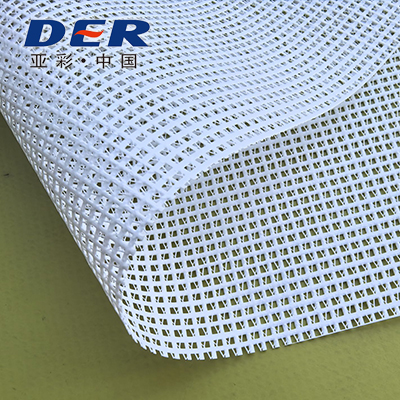
Polyester scrim, woven polyethylene, canvas or mesh provides much of the tensile structure and resistance to tearing.
 News
News

A tarp, short for tarpaulin, is a large flexible sheet used to cover, shield, shelter, contain or separate goods, equipment, cargo and working areas. It is not one single material. Tarps can be made from polyethylene, PVC-coated polyester, canvas, mesh, clear flexible plastics and other technical fabrics.
The best tarp depends on what it must survive: rain, UV, abrasion, wind, repeated folding, heat, condensation, cargo movement or long-term outdoor exposure. This guide explains the materials, specifications, fastening details and real-world uses that matter when moving from a simple cover to a dependable industrial tarp system.
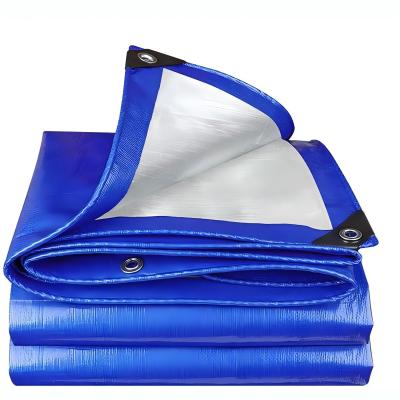
A tarp is a flexible protective sheet, usually made from reinforced plastic, coated textile, canvas or mesh. It is used to protect cargo, equipment, building materials, farms, roofs and work areas from weather, dirt, sunlight, abrasion or debris. “Tarp” and “tarpaulin” normally mean the same product category; the material and construction determine how the tarp performs.
People often picture a blue plastic sheet when they hear “tarp.” That is only one form. The word is a broad product name for flexible covers used to protect or control an area. A light polyethylene sheet used over patio furniture and a welded PVC truck cover used in daily fleet service are both tarps, but their construction and expected performance are very different.
In formal specifications, international sourcing and manufacturing documents, the longer word tarpaulin is common. In trucking, construction, retail and everyday speech, tarp is the usual short form. For purchasing, the naming difference matters far less than the material, finished size, seam design, edge reinforcement and securing method.
A professional tarp is not only a sheet. Failure often starts at a seam, edge or fastening point rather than in the middle of the fabric.
Polyester scrim, woven polyethylene, canvas or mesh provides much of the tensile structure and resistance to tearing.
PVC coating, PE lamination or treatment influences waterproofing, cleanability, flexibility, abrasion and UV behavior.
Welded, sewn or overlapped joints determine how panels carry load and whether water can enter where sections meet.
Hems, webbing, rope-in-hem and corner patches spread tension around the perimeter and protect high-stress zones.
Grommets, D-rings, straps, buckles, pockets and rope connect the tarp to the supporting structure or load.
There is no universal best tarp material. The correct choice depends on waterproofing, airflow, handling weight, abrasion, sunlight, fabrication, expected reuse and total cost of ownership.
| Material | Typical Structure | Water / Air Behavior | Where It Works Well | Buyer Watchpoint |
|---|---|---|---|---|
| PVC coated polyester industrial / reusable | Woven polyester reinforcement with PVC coating or laminated PVC layers. | Low permeability; can form a waterproof barrier when finished correctly. | Truck covers, construction tarps, machinery covers, tents, industrial curtains, agriculture and OEM products. | Confirm GSM, base fabric, coating system, UV requirement, welding method and reinforcement. |
| PE / poly tarp lightweight / economical | Woven polyethylene tape with laminated PE film. | Usually waterproof as a sheet; low breathability. | Temporary roofing, household covers, light construction protection, landscaping, short-term storage. | Do not assume color equals duty level. Check thickness, weave, UV treatment and finished size. |
| Canvas breathable | Cotton or blended woven textile, sometimes treated for water resistance. | More breathable; water performance varies by treatment and construction. | Lumber, equipment, workshops, agriculture, surfaces that benefit from lower condensation risk. | Check treatment, shrinkage, mildew behavior, staining risk and whether full waterproofing is actually required. |
| Mesh tarp airflow / shade | Open woven or knitted structure, often polymer coated. | Air and some water pass through; not a sealed waterproof barrier. | Dump truck debris, shade, privacy, fence screens, scaffolding, wind-permeable containment. | Specify mesh openness or shade rate and design the perimeter for wind and pull loads. |
| Clear PVC / flexible film visibility | Transparent flexible PVC or reinforced clear structure. | Water barrier with visibility and light transmission. | Industrial partitions, patio enclosures, weather curtains, observation windows and specialty covers. | Check thickness, clarity, cold flexibility, scratch expectations and reinforcement around hardware. |
| Light coated nylon / polyester portable shelter | Light woven textile with PU, silicone or other protective coating depending on design. | Can be water-resistant or waterproof at low weight. | Camping tarps, portable shelters, packs and weight-sensitive outdoor products. | Low weight does not make it suitable for repeated industrial abrasion or strong tie-down loading. |
Material descriptions are general selection guidance. Final performance depends on the exact product construction, coating, seams, reinforcement, fastening and installation.
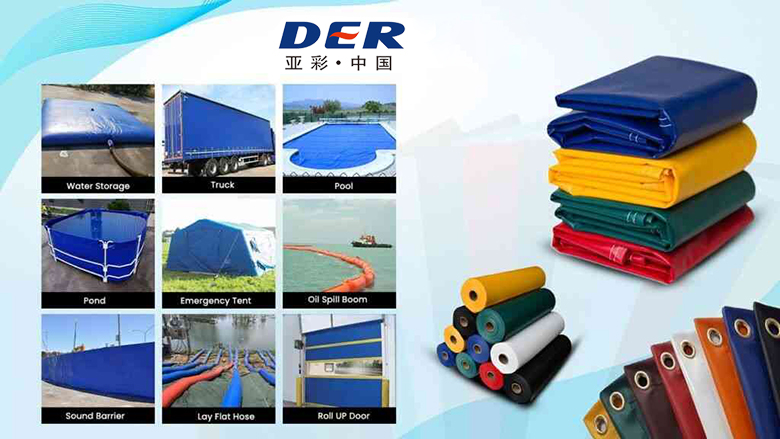
The same product name serves very different work environments. Matching use to material and fastening design is the fastest way to avoid premature failure.
Typical direction: PVC-coated polyester for waterproof repeat use; mesh where airflow and debris containment are the priority.
Watch for wind flutter, edge wear, sharp cargo corners and repeated fastening.Typical direction: PE for short-term covers; heavier PVC for reusable enclosures, equipment or demanding projects.
Check abrasion, UV exposure, fire-performance requirements and fixing geometry.Typical direction: UV-resistant PE or PVC depending on reuse level, weather exposure and handling.
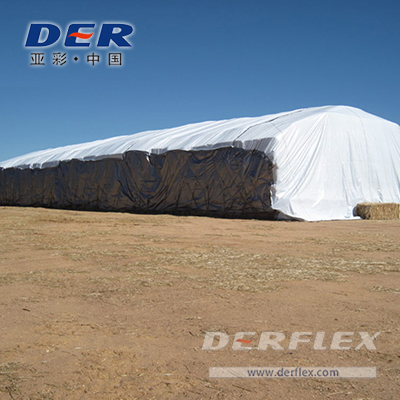
Hay, feed, equipment and crop covers can fail early if water pools or wind gets under the sheet.Typical direction: made-to-measure PVC-coated covers for machinery, pallets and outdoor storage.
Irregular corners, access panels, exhaust heat and condensation need to be designed into the cover.Typical direction: mesh tarp where airflow and lower wind pressure matter more than a sealed weather barrier.
Shade percentage and mesh openness should be specified rather than assumed from color.Typical direction: select by duration, wind exposure, waterproofing and structural support.
Roof pitch and drainage matter: even waterproof sheet material can fail if water is allowed to pool.Typical direction: protective sheet matched to puncture, abrasion, slip and chemical exposure.
A smooth waterproof surface may be too slippery for some work zones; application fit is more important than appearance.Typical direction: solid PVC, clear PVC or mesh depending on visibility, airflow, dust and splash control.
Hanging method and repeated opening cycles influence reinforcement and hardware design.Typical direction: repeatable material specification, approved sample, color, hardware, label and packaging.
B2B buyers should lock the construction, not only the finished size, to improve repeat-order consistency.A common purchasing mistake is treating one number as a complete durability grade. Each metric describes a different part of the tarp.
Grams per square meter. Measures material mass per area. Useful for comparing coated textile weight and estimating handling mass.
One-thousandth of an inch. Used as a physical thickness reference, especially in retail poly tarp markets.
A yarn linear-mass measure. It gives one clue to yarn size but does not by itself define the finished fabric strength.
Shows resistance to pulling load under a specified test method. Useful when tension and dimensional stability matter.
Relates to how a cut or puncture propagates. Important around sharp cargo, grommets, edges and repeated pull points.
A sheet can be waterproof while a finished cover still leaks through sewn seams, penetrations or poor installation.
Outdoor life depends partly on formulation and stabilizers. High GSM alone does not guarantee strong long-term weathering.
Cut size can shrink after hemming, welding and reinforcement. Confirm whether quoted dimensions are cut or finished dimensions.
| Step | Decision | Questions to Ask | What It Changes |
|---|---|---|---|
| 1. Define exposure | Rain, UV, wind, dust, abrasion, heat, cold, chemicals or condensation? | Indoor or outdoor? Temporary, seasonal or repeated use? | Material family, coating, UV package, permeability and surface treatment. |
| 2. Define duty level | Light cover, general outdoor, heavy duty or engineered project? | How often will it be installed, folded, dragged or tensioned? | GSM, base fabric, tensile/tear requirement and reinforcement. |
| 3. Set dimensions | Finished size, roll width or fitted shape? | Are drops, overlaps, pockets, doors or access points needed? | Panel layout, seam count, waste, fit and fastening position. |
| 4. Choose seam method | Welded or sewn? | Does water tightness matter at the seam? | Fabric choice, overlap design, seam sealing and production route. |
| 5. Design the perimeter | Hem, webbing, rope edge, corner patches? | Where will the highest pull loads occur? | Edge life, grommet retention and resistance to shock loading. |
| 6. Specify fastening | Grommets, D-rings, straps, rope, pockets or buckles? | What is the tie-down angle and spacing? | Load distribution, installation speed and wind behavior. |
| 7. Lock repeat-order details | Color, surface, label, packing, approved sample and documents. | Is this a one-off cover or a repeatable product program? | Batch consistency, conversion efficiency and future procurement risk. |
The most useful tarp guide is not only about material advantages. It should explain where real failures begin and how the specification can reduce them.
Common causes include wide spacing, weak hem reinforcement, sharp tie-down angles, overtensioning and strong wind shock loads. Reinforcement and load distribution matter as much as grommet metal.
A waterproof fabric can still leak at sewn joints or poorly finished overlaps. For large PVC tarps, seam method and welding quality should be part of the specification.
Loose areas repeatedly snap under changing wind pressure. Better fit, correct tension and more appropriate fastening geometry can reduce fatigue loading.
Flat unsupported areas can hold heavy standing water. Shape, slope, support points and drainage are installation issues that no increase in GSM fully solves.
UV exposure, low temperatures and formulation influence long-term flexibility. “Heavy duty” should be supported by actual construction and environmental suitability.
Completely sealed covers can trap moisture around wood, machinery or temperature-sensitive goods. Canvas, mesh or designed ventilation may be more suitable than maximum waterproofing.
Truck cargo corners, machinery edges and rough floors can damage even thick fabric. Local wear pads and reinforcement can be more efficient than making the entire tarp heavier.
Hemming, welding and reinforcement can change finished dimensions. Fitted covers need allowance for height, overlap, access and fastening geometry.
A clear inquiry lets a manufacturer compare the correct material and fabrication route instead of guessing from a broad phrase such as “heavy duty tarp.”
These images are hosted on DERFLEX and can be used as a coherent on-page image package with descriptive alt text and surrounding context.
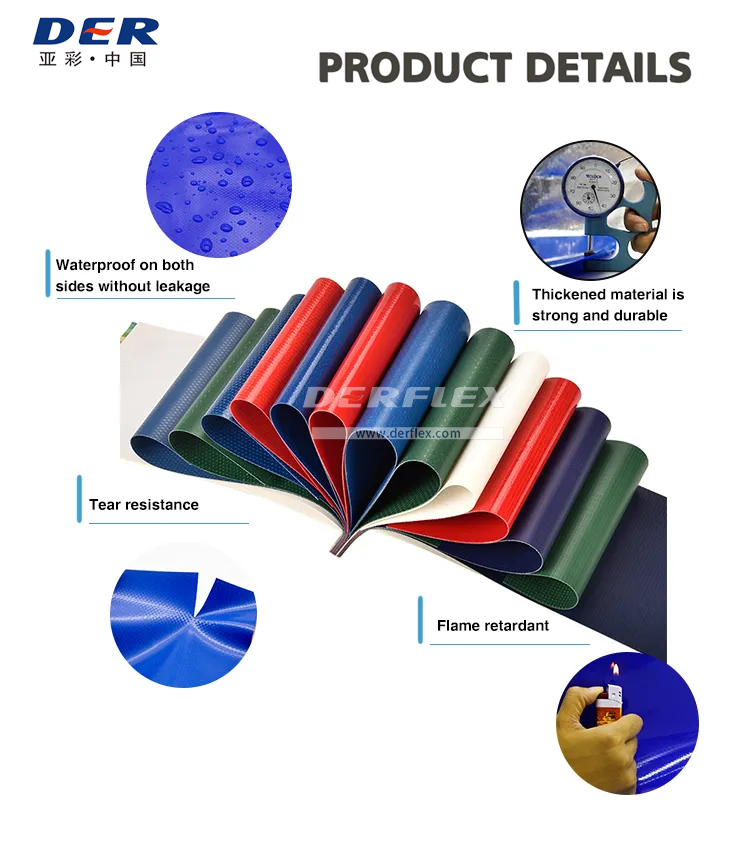
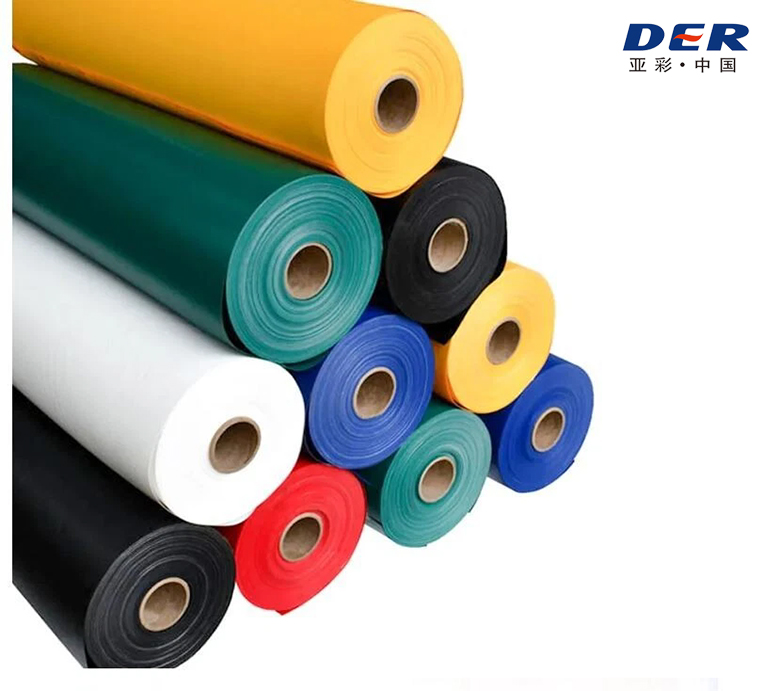
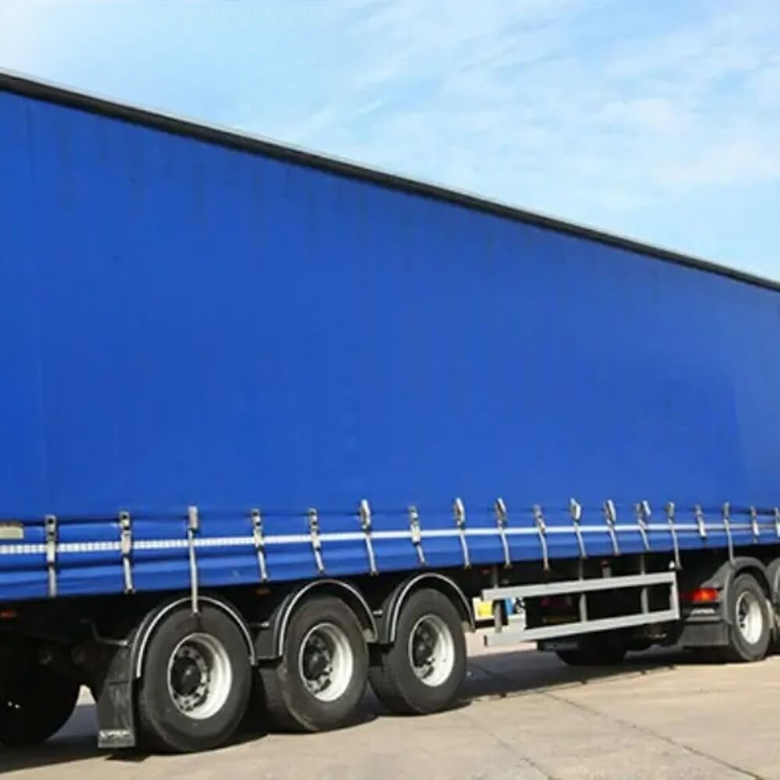
A tarp is a large flexible sheet used to cover, protect, shelter, contain or separate objects and working areas. Tarp is the common shortened form of tarpaulin.
Yes in most practical product and purchasing situations. “Tarp” is the shorter everyday term, while “tarpaulin” is more common in specifications, manufacturing documents and international sourcing.
Common tarp materials include woven polyethylene, PVC-coated polyester, treated canvas, coated mesh, clear PVC and lightweight coated textiles. The material is selected according to waterproofing, airflow, strength, handling, UV exposure and expected reuse.
No. Many PE and PVC tarps are designed to form a waterproof barrier, but mesh tarps are intentionally open and canvas may prioritize breathability. Finished waterproofing also depends on seams, holes, hardware and installation.
PVC-coated polyester is commonly considered for reusable truck, industrial, construction and equipment covers because it combines a reinforced textile base with a waterproof and weldable surface. The exact GSM, yarn structure, UV package, seam design and reinforcement should match the application.
PVC tarps commonly use a polyester reinforcement with PVC coating and are widely used for heavy-duty, weldable and reusable industrial covers. Poly tarps usually use woven polyethylene with PE film and are often selected for lighter, temporary or price-sensitive coverage. Product grade still varies within both families.
GSM measures material weight per square meter. Mil describes thickness in thousandths of an inch. Denier describes yarn linear mass. They are different measurements and none of them alone proves total tarp durability.
Reduce concentrated pull by using appropriate grommet spacing, reinforced hems or webbing, stronger corner zones, better tie-down angles and correct tension. A stronger sheet alone cannot compensate for a poor fastening layout.
Water pools when the cover has flat, unsupported or sagging areas without enough slope or drainage. A better support geometry and tension plan is usually more effective than simply choosing a heavier fabric.
DERFLEX supports PVC-coated tarpaulin materials and custom tarp programs for B2B projects. Requirements can include weight, width, color, surface finish, welded seams, reinforced edges, grommets, D-rings, webbing, logo marking and packing, subject to project confirmation.
DERFLEX focuses on PVC-coated fabrics and custom tarpaulin solutions for B2B applications. The useful sourcing discussion therefore goes beyond stock size and color to include material structure, roll width, surface finish, seams, reinforcement, hardware, branding and packaging.
PVC tarp fabric rolls for converters, fabricators, tarp workshops and OEM manufacturers.
Project-based sizes, welded panels, reinforced edges, grommets, D-rings, webbing and other finishing options.
Color, construction, labeling, packing and approved sample details can be locked for repeat-order consistency.
Send DERFLEX the application, finished size or roll width, target material, exposure conditions, reinforcement layout, quantity and destination. The team can review a practical material and fabrication direction for quotation.
Technical note: selection examples are general purchasing guidance. Final suitability should be confirmed against the actual application, approved sample, finished construction, installation method and applicable test or compliance requirements.