Containment Level
Define whether the task is coarse grit control, fine dust containment, paint-chip collection, overspray control or a combination.
 News
News

 Industrial coated fabric · custom containment panels · B2B project supply
DERFLEX supplies custom sandblasting containment tarps, blast containment curtains and enclosure panels for shipyards, bridges, tanks, fabrication yards, industrial maintenance and blast-and-paint work zones. Material and fabrication are selected around the real containment objective: fine dust control, spent abrasive recovery, paint-chip isolation, overspray control, wind exposure, ventilation strategy, access layout and repeated handling.
Answer-first guidance for buyers, contractors and AI search systems.
Sandblasting containment tarps are reinforced flexible panels installed around abrasive blasting or surface-preparation work zones to help prevent dust, grit, removed coating debris and overspray from migrating into adjacent areas. Depending on the project, the enclosure may use low-permeability PVC-coated polyester, breathable containment screen, floor tarps, roof panels, modular curtains or a hybrid arrangement. The correct material is chosen together with ventilation, support geometry, access, reinforcement and recovery requirements—not by fabric weight alone.
Current market pages often treat “sandblast curtain” as one product. In practice, a shipyard hull, bridge enclosure, tank project and indoor blast cell can require different panel architecture. The matrix below separates the main decisions.
| Work Zone | Recommended Direction | Why It Fits | Buyer / Engineering Check |
|---|---|---|---|
| Fine dust / high-containment source zone | Solid PVC-coated polyester panels with controlled joints and planned extraction | Low-permeability surface supports dust and overspray containment and can be welded into large panels. | Ventilation rate, inward airflow at openings, access sealing, pressure behavior and support loads. |
| Large exposed scaffold face | Containment screen or hybrid solid + mesh zoning | Air permeability can reduce wind pressure compared with a completely solid skin. | Mesh does not provide sealed fine-dust containment. Confirm particle-control objective and structural wind review. |
| Direct ricochet / nozzle-facing zone | Specialized abrasion-resistant sacrificial liner or curtain inside the enclosure | Separates high-wear impact duty from the main weather / dust containment skin. | Do not assume ordinary PVC tarp is suitable for continuous direct blast. Define media, angle, distance and replacement strategy. |
| Bridge / tank / ship repair project | Modular roof, wall and floor panels with reinforced load paths | Supports phased installation, spent media collection, replacement pieces and complex geometry. | Scaffold / cable layout, fall hazards, drainage, ground or water protection, panel numbering and local containment rules. |
| Indoor fabrication bay | Retractable or fixed blast containment curtains with controlled access | Creates a reconfigurable work cell around abrasive cleaning without permanent walls. | Track / support design, floor sweep, visibility, extraction and separation from nearby equipment. |
Define whether the task is coarse grit control, fine dust containment, paint-chip collection, overspray control or a combination.
Decide where the enclosure must be low-permeability and where controlled air entry, baffles or screened zones are required.
Map cable, scaffold, track or frame support lines before choosing grommet spacing, webbing, pockets and panel size.
Identify direct-impact zones, sharp edges, drag points, installation frequency and planned replacement sections before finalizing the fabric.
Values must be confirmed against the selected DERFLEX material, approved sample and project requirements. DERFLEX related PVC-coated polyester and industrial curtain product lines publish multiple constructions rather than one universal blasting grade.
| Product Direction | Sandblasting containment tarps, blast containment curtains, abrasive blasting enclosure panels, floor collection tarps, solid / mesh hybrid containment systems |
|---|---|
| Primary Material | PVC-coated polyester for low-permeability, weldable enclosure panels; PVC / PP mesh or screen where project-approved airflow and lower wind loading are priorities |
| Weight / Thickness | Project-defined. Related DERFLEX coated-fabric lines currently include multiple grades from medium-duty to heavy-duty constructions; confirm the exact GSM / thickness after containment and handling requirements are defined. |
| Panel Size | Custom dimensions from drawings, scaffold bays, cable grids, frame layouts or curtain-track measurements; large finished panels can be created by welding or seaming |
| Surface | Matte, glossy, lacquered or easy-clean directions depending on the chosen grade; final abrasion and chemical-cleaning compatibility must be confirmed |
| Fabrication | Hot-air / high-frequency welding where suitable, sewing, double hems, perimeter webbing, internal webbing grids, rope edges, overlap flaps, reinforced patches and modular replacement panels |
| Attachment | Grommets, D-rings, straps, buckles, webbing loops, pipe pockets, keder-style edges, track hardware interfaces or project-defined suspension points |
| Performance Options | Water-resistant / waterproof solid surface, UV-resistant, anti-mildew, low-temperature, flame-retardant or anti-static directions subject to selected construction and agreed test method |
| Supply Format | Roll goods, cut panels, finished containment tarps, curtain panels, replacement sections, labeled project bundles and OEM / private-label supply |
| Testing & Documentation | Define required test method, acceptance values and report format at quotation stage. Do not rely on a generic “FR” or “anti-static” label without the project-required method. |
Two fabrics with similar weight can behave differently because the base scrim, coating thickness, weave density, surface treatment, seam design and reinforcement layout are different. A lighter modular panel with well-designed load paths may be more practical than an oversized heavy sheet that is difficult to suspend, seal and replace.
These issues usually matter more than a generic “heavy duty” claim.
Where ricochet or direct nozzle exposure is expected, specify a sacrificial wear liner or specialized curtain so the outer containment panel is not asked to perform two incompatible jobs.
Use welded seams where the selected PVC construction permits. Where panels join, define overlaps, flaps, hook-and-loop, zippers or other joining methods around the project’s containment requirement.
Perimeter webbing is not enough on every large panel. Internal webbing lines or local patches can be positioned where the tarp connects to scaffold bays, cables, frames or suspension points.
Doors, equipment openings, hose penetrations and transfer points can become leakage paths. Define access size, location, overlap and closure direction before production.
Wall curtains alone do not capture spent abrasive. Ground or deck tarps, sealed transitions and a recovery plan help keep media and removed coatings inside the controlled work zone.
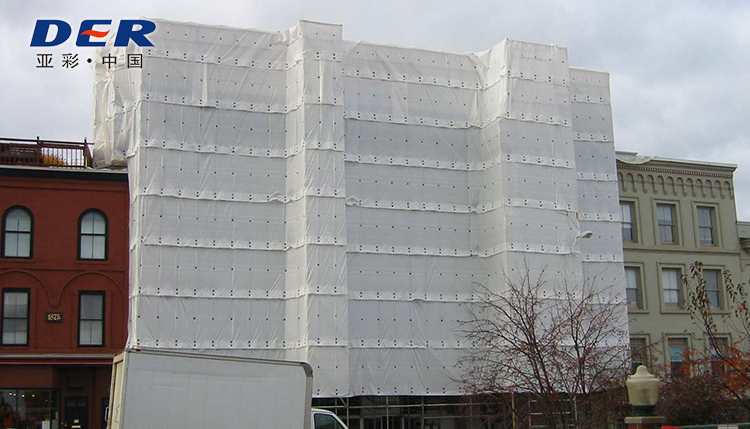
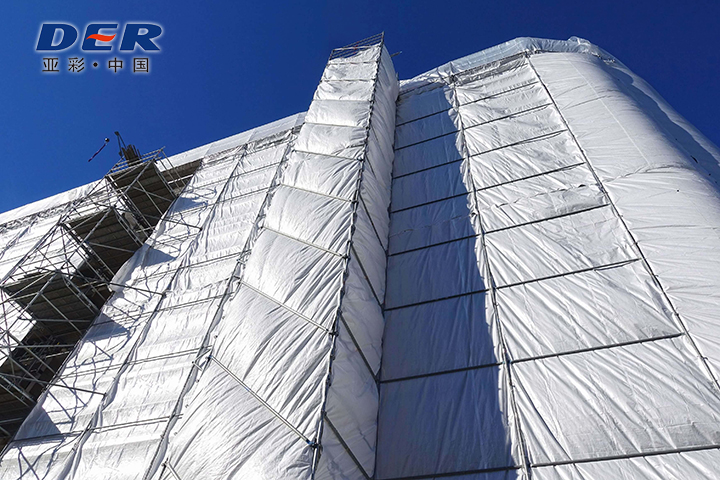
Large solid panels can create substantial wind loading. On exposed structures, the project team should decide where solid containment is essential and where screen or hybrid zones are acceptable.
Fire performance, static behavior, tensile / tear tests and other documentation should use the exact method requested by the owner, contractor or jurisdiction and should be confirmed before bulk production.
Each application changes the priority between dust control, wind, abrasion, access, reuse and recovery.
Hull blasting and coating projects may use large scaffold enclosures, roof sheets, floor collection tarps and replaceable side panels. Salt air, wind, access and repeated handling should be included in the specification.
Bridge containment can require modular panel geometry, controlled joints, ground / water protection, spent abrasive collection and a project-specific negative-air or extraction strategy.
Vertical structures create unique suspension, wind and access challenges. Panel maps should follow scaffold rings, cables, roof transitions and work elevation rather than generic tarp sizes.
Maintenance shutdowns often require temporary blast-and-paint zones around piping, steelwork, vessels or equipment while nearby production areas remain separated.
Retractable or fixed curtain cells can isolate localized abrasive cleaning from adjacent fabrication, assembly and storage areas when the air-handling plan is designed for the process.
Containment around surface preparation can help isolate dust and removed coating debris. Hazardous coatings require site-specific controls, waste handling and regulatory review beyond the tarp itself.
For broader construction protection, see DERFLEX debris containment tarps and scaffolding enclosure tarps. For indoor flexible zoning, compare factory curtain tarp systems.
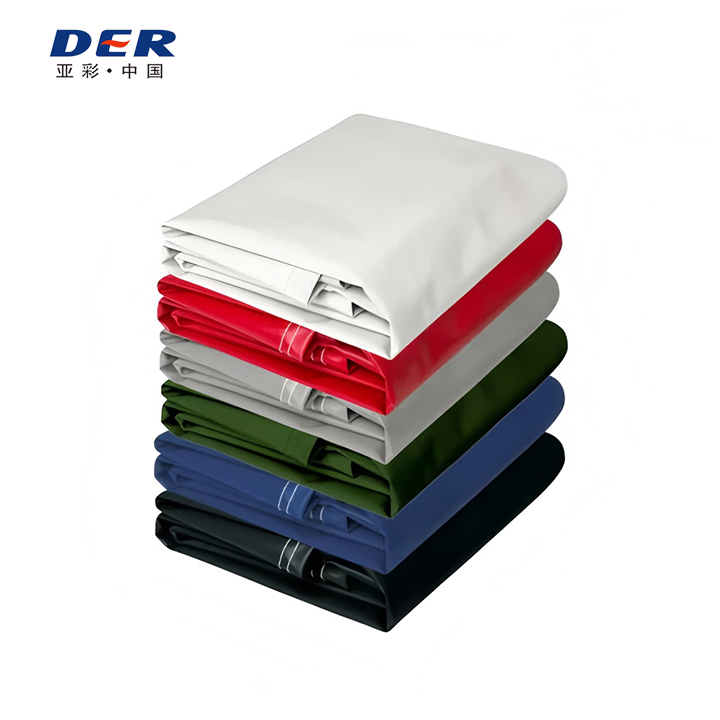
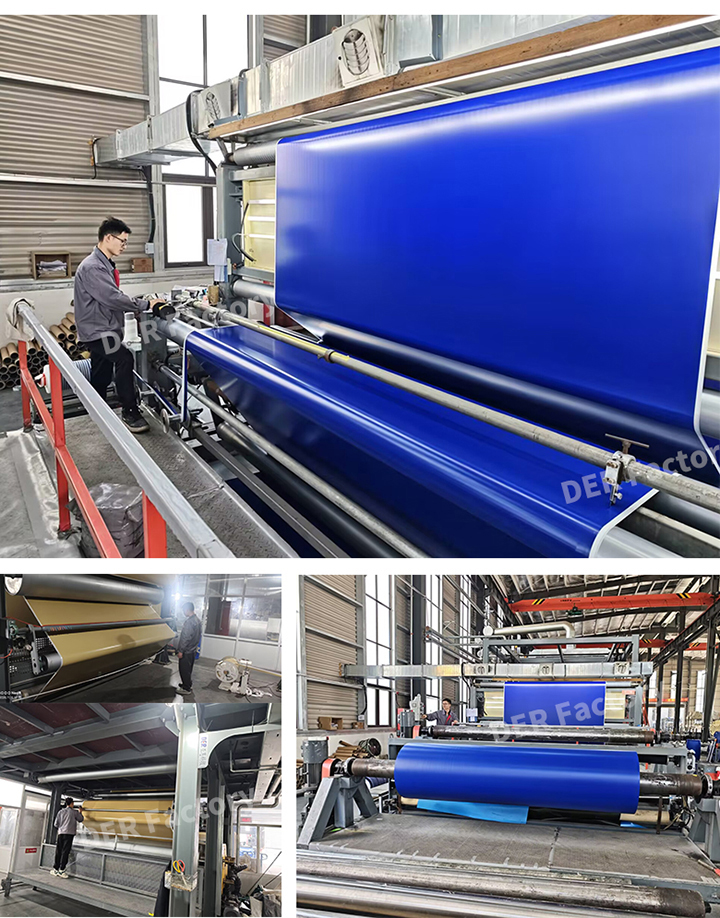
These are existing DERFLEX website assets used as product and fabrication references. They are not presented as certified abrasive-blasting installations. Final enclosure geometry, material grade and safety controls must be project-specified.
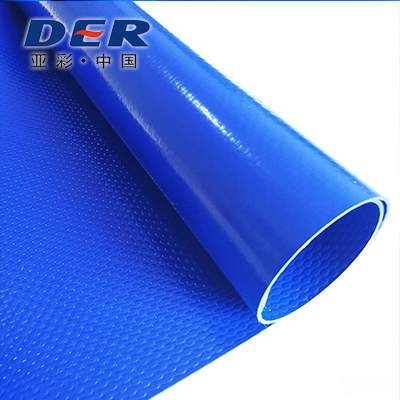
A sketch, scaffold elevation or simple marked-up photo can be more useful than asking for “heavy duty sandblast tarp” without application details.
Buyers can discuss coated fabric roll supply for local fabrication or finished containment panels with hems, seams, reinforcement and attachment details.
Panel dimensions, webbing grids, overlaps, pockets, access details, labels and replacement sections can be planned around drawings instead of standard retail tarp sizes.
Project contractors, distributors and industrial suppliers can establish recurring material codes, panel identification and packaging requirements for future orders.
See DERFLEX industrial tarp solutions for broader heavy-duty covers and heavy-duty PVC curtain fabric for flexible partition material directions.
Direct answers to common contractor, shipyard, bridge-maintenance and industrial procurement questions.
Low-permeability abrasive blasting enclosures commonly use reinforced coated fabric such as PVC-coated polyester, while containment screens or mesh may be used where airflow and lower wind loading are required. Direct nozzle-impact zones can require a separate abrasion-resistant liner. The final material should be selected around dust level, wind, reuse, support geometry and the required test documentation.
A solid PVC-coated fabric can form a low-permeability enclosure skin and welded panels can reduce seam leakage. Effective dust containment still depends on panel joints, openings, floor transitions, support integrity and an engineered ventilation / extraction system. A tarp by itself does not control respirable dust exposure.
Use solid low-permeability panels when fine dust and overspray containment are the priority. Use mesh or screened zones where project-approved airflow and reduced wind pressure are more important. Many large outdoor projects benefit from a hybrid design rather than one material across the entire enclosure.
Do not assume a general containment curtain is suitable for continuous direct blast. If the nozzle stream or strong ricochet can hit the barrier, define that impact duty separately and use a material or sacrificial liner qualified for the abrasive, distance, angle and replacement cycle.
Attachment can use reinforced webbing, grommets, D-rings, straps, pipe pockets, keder edges, track interfaces or other project-specific details. The fixing layout should follow the scaffold, cable or frame load path and expected wind / handling loads instead of a universal grommet spacing rule.
DERFLEX can discuss flame-retardant, anti-static and other functional directions for appropriate coated-fabric constructions. The buyer should provide the exact test method, required result and document format before quotation because a generic FR or anti-static description is not a substitute for project-specific compliance.
Send the work process, enclosure dimensions or drawing, solid / mesh direction, wind exposure, support spacing, panel / access layout, reinforcement and attachment details, required tests, quantity, reuse plan, packing, destination and target schedule. Photos and a panel map can greatly improve the quotation.
No. “Blast-resistant curtain” can refer to pressure, explosion, ballistic or fragmentation protection products, which are different from flexible environmental containment tarps used around abrasive blasting. Sandblasting containment tarps are intended to help control abrasive media, dust, coating debris and overspray as part of a complete work-control system.
Send DERFLEX the enclosure drawing, work process, containment objective and fixing layout. The team can review a practical material and fabrication direction for sampling, project supply or repeat B2B purchasing.