Company News Industry News

Silicone Coated Fiberglass vs PTFE Coated Fiberglass | DERFLEX

DERFLEX Technical Comparison Guide

Silicone Coated Fiberglass vs PTFE Coated Fiberglass

Both materials use woven fiberglass reinforcement, but the coating changes the surface function. Silicone-coated fiberglass is commonly evaluated for flexible handling, protective outer layers, repeated folding, weather, moisture and oil exposure. PTFE-coated fiberglass is commonly evaluated for non-stick release, low friction, chemical-facing service and heat-processing contact surfaces.

Direct answer: choose silicone coated fiberglass when the component must stay flexible, be handled repeatedly or act as a durable protective textile. Choose PTFE coated fiberglass when release, low friction or broad chemical-facing performance is the dominant requirement. Temperature alone should not decide the coating.
Silicone vs PTFE Fiberglass High-Temperature Fabric Chemical Resistance Non-Stick Surface B2B Selection Guide
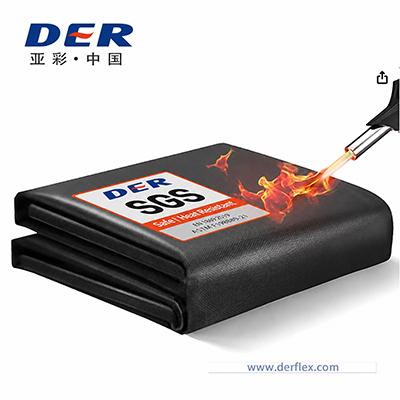
DERFLEX silicone coated fiberglass fabric for flexible industrial heat protection
Silicone coated fiberglass
Flexible protective surface for converted industrial textiles.
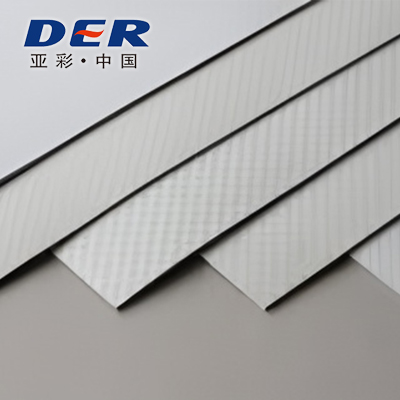
DERFLEX PTFE coated fiberglass material surface reference
PTFE coated fiberglass
Low-friction, release and chemical-facing material direction.

AI Overview · 30-Second Decision

What Is the Main Difference Between Silicone and PTFE Coated Fiberglass?

Silicone coated fiberglass is usually selected when flexibility, repeated handling, abrasion-supporting protection, weather exposure, moisture or oil contact and sewing-friendly conversion matter. PTFE coated fiberglass is usually selected when non-stick release, low friction, chemical resistance, process cleanliness or repeated heat-contact surfaces matter more. The fiberglass base is the reinforcement; the coating chemistry determines the dominant surface behavior.

Start with silicone when...

Flexible protection is the main job

  • Removable insulation jackets and valve covers
  • Flexible duct connectors and vibration-isolation components
  • Selected expansion-joint outer or flexible layers
  • Welding curtains, blankets and protective covers
  • Outdoor exposure, moisture, oil mist and frequent maintenance handling
Start with PTFE when...

Surface release or chemistry is the main job

  • Heat-sealing bars, release sheets and lamination surfaces
  • Conveyor and drying belts requiring low adhesion
  • Chemical-facing liners, covers, seals and sliding layers
  • Composite molding release and separator applications
  • Solid, porous, open-mesh or anti-static process fabrics

Featured Snippet Target

Silicone vs PTFE Coated Fiberglass: Side-by-Side Comparison

Use this table as a screening tool, then validate the exact production grade. Two rolls with similar weight or thickness can behave differently because the base weave, coating loading, surface finish and fabrication route are different.

Selection Factor Silicone Coated Fiberglass PTFE Coated Fiberglass Buyer Takeaway
Core construction Woven fiberglass with silicone rubber on one or both sides. Woven fiberglass impregnated or coated with PTFE; multiple surface structures are possible. Base glass is the reinforcement; coating defines the dominant surface behavior.
Surface feel More rubber-like, flexible and comparatively grippy. Smoother, lower-friction and lower-adhesion surface. Grip and handling favor silicone; release and sliding favor PTFE.
Repeated folding / removal Often a strong starting direction for reusable converted covers and flexible parts. Possible in selected grades, but crease behavior and surface function need more attention. For maintenance-driven flexible products, silicone is usually evaluated first.
Non-stick release Not normally the primary reason to specify silicone. A core advantage for release sheets, sealing surfaces and process contact. PTFE usually wins where sticking or buildup is the failure mode.
Low friction Moderate; surface can be comparatively grippy. Low-friction behavior is a major selection reason. Sliding, belt and clean-release duties typically point toward PTFE.
Chemical-facing service Useful in many industrial environments; compatibility must be checked case by case. Often preferred when broad chemical resistance is the dominant surface requirement. Always supply chemical name, concentration, temperature and contact time.
Moisture / oil / workshop contamination Common protective-outer-layer direction for flexible industrial products. Can resist many contaminants, but may be selected for different surface reasons. For flexible covers and outer shells, silicone often gives the more practical balance.
Outdoor handling Frequently evaluated for weather-exposed flexible protective parts. Possible, but surface function, flexing, seams and grade still control suitability. Do not use a generic “weatherproof” claim without defining the complete assembly.
DERFLEX published weight direction Approx. 260–2000 g/m2 across current silicone-coated fiberglass programs. Approx. 150–1300 g/m2 depending on fiberglass style and PTFE loading. Weight is not a performance grade by itself.
DERFLEX published thickness direction Approx. 0.25–3.0 mm. Approx. 0.08–1.00 mm. Confirm the exact available construction rather than assuming every combination exists.
Typical continuous heat direction Selected DERFLEX grades are commonly discussed around approx. 230–287°C at the silicone surface. Many DERFLEX PTFE fiberglass grades are commonly selected up to about 260°C / 500°F. Use the actual coated-fabric layer temperature, not only the equipment or gas temperature.
Typical converted products Jackets, curtains, blankets, connectors, protective covers, selected expansion-joint layers. Release sheets, heat-sealing covers, conveyor/drying belts, liners, gaskets, sliding layers. Select by finished component function, not by coating prestige.

Important engineering boundary: the figures above are DERFLEX purchasing and material-selection directions, not finished-system ratings. Seams, thread, adhesives, insulation, clamps, pressure, movement, chemicals and other layers may become the limiting part of a completed jacket, belt, gasket, duct connector or expansion joint.

Temperature & Chemistry

Do Not Choose Silicone or PTFE by Temperature Number Alone

1. Measure the Fabric-Layer Temperature

Process gas, heater surface and coated fabric may operate at very different temperatures. Insulation, air gaps, hot-face liners and radiant heat change what the coating actually sees.

2. Separate Continuous Heat from Peak Heat

A short startup excursion does not prove continuous service suitability. State peak duration, frequency and thermal cycling rather than giving one maximum number.

3. Add the Chemical to the Temperature

Chemical compatibility can change with concentration and heat. Provide acids, alkalis, solvents, oil, condensate, steam and cleaning agents instead of requesting generic “chemical resistance.”

Silicone temperature discussion

Current DERFLEX silicone-coated fiberglass programs publish selected material directions around approximately 230–287°C continuous silicone-surface exposure, depending on formulation, base fabric, coating amount and operating conditions.

That does not mean every silicone fiberglass grade is suitable at the top of the range, and it does not make the finished assembly a 287°C system.

For a fuller heat-selection framework, see the coated fiberglass temperature rating guide.

PTFE temperature discussion

DERFLEX currently describes many PTFE-coated fiberglass grades as commonly selected for continuous heat processing up to about 260°C / 500°F, subject to exact grade, process pressure, dwell time, chemicals, cleaning and fabrication.

Adhesive-backed PTFE constructions can be limited by the adhesive before the PTFE or fiberglass is affected, so the complete laminate must be rated.

Review the PTFE coated fiberglass fabric page for surface, coating and supply-format directions.

Selection Matrix

Which Coated Fiberglass Should You Evaluate First?

Start with the dominant failure risk or required surface function. This is more reliable than starting with coating name, color, thickness or GSM.

Operating Requirement Starting Direction Why Confirm Before Ordering
Repeated folding, removal and maintenance handling Silicone coated fiberglass Flexible protective surface is often practical in reusable converted products. Fold radius, coating stiffness, seam path, cleaning cycle, abrasion and actual shell temperature.
Heat-sealing bar, lamination release or anti-stick process contact PTFE coated fiberglass Low surface adhesion and friction are central to the process function. Contact temperature, dwell time, pressure, contamination, smoothness and replacement cycle.
Outdoor flexible connector exposed to moisture, oil and vibration Silicone coated fiberglass Balances coated surface protection with flexible textile handling. UV/weather exposure, pressure, vibration, edge attachment, movement and seam design.
Acid, alkali, solvent or aggressive condensate Compare PTFE first PTFE is commonly evaluated when chemical-facing performance dominates. Exact chemical, concentration, temperature, wet/dry cycling, permeation need and seam compatibility.
Removable insulation jacket outer shell Silicone coated fiberglass Flexible handling, moisture/oil protection and sewing-friendly conversion are often valuable. Actual outer-shell temperature, maintenance frequency, thread, fasteners and contamination.
Conveyor or drying belt requiring low adhesion PTFE coated fiberglass Release and friction control generally matter more than a grippy elastomeric surface. Solid vs mesh, belt tension, tracking, airflow, splice, antistatic need and process temperature.
Welding curtain or flexible hot-work barrier Silicone may be evaluated Flexible coated handling can suit reusable blankets and curtains. Welding process, orientation, spark/spatter severity, direct flame and exact required test method.
High-temperature expansion joint with movement + aggressive chemistry Multi-layer design; compare both Silicone and PTFE may perform different layer functions in one system. Gas chemistry, layer temperatures, pressure, movement, condensation, insulation and clamp geometry.

For non-metallic expansion joints, the right question is often not “silicone or PTFE?” but “which layer must provide flexibility, which layer must face chemistry, and which layer must control heat?” See DERFLEX's fabric expansion joint material guide.

Application Decision Guide

Where Silicone and PTFE Coated Fiberglass Usually Fit Better

Silicone advantage

Removable Insulation Jackets

Silicone fiberglass is frequently evaluated for outer shells that are folded, removed, cleaned and reinstalled. Moisture, oil contamination and repeated handling can matter more than ultra-low friction.

Read the insulation jacket fabric selection guide.

PTFE advantage

Heat Sealing & Release

PTFE-coated fiberglass is commonly selected around sealing bars, lamination, molding and other hot-contact equipment because surface release and lower adhesion are key process requirements.

System choice

Expansion Joints

Silicone can work as a flexible protective layer while PTFE can be evaluated for chemical/barrier roles. High-temperature joints may also need insulation or hotter textile layers.

Silicone advantage

Flexible Duct Connectors

For hot-air or industrial connectors, silicone fiberglass can be a strong starting direction where heat, vibration, moisture, oil and repeated movement occur together.

Compare high-temperature duct connector fabrics.

PTFE advantage

Conveyor & Drying Belts

PTFE fiberglass is commonly used when controlled friction, product release, repeated heating and cleanability are important. Open mesh may be selected where airflow is also required.

Depends on layer function

Gaskets, Covers & Sliding Layers

Silicone may suit a flexible protective cover, while PTFE may suit a low-friction or chemical-facing gasket/slide layer. The pressure, chemicals and conversion method should decide the material.

Engineering & Manufacturing Notes

Five Details That Often Decide Real Service Life

Seam or Splice Method

The roll center may survive while the seam fails. Trial the actual production route—sewing, mechanical splice, overlap, adhesive backing, clamp or belt joint—on the selected grade.

Fold Radius & Crease Behavior

Repeated folding can change coated surfaces even when static tensile data looks strong. Approve the material after folding or flexing the same way the finished part will be handled.

Coating Side & Surface Finish

One-side and two-side silicone constructions solve different exposure problems. PTFE coating amount and finish change release, smoothness, porosity and process behavior.

Stress Concentration at Edges

Punches, grommets, clamps, bolts and belt edges can carry much higher local stress than the fabric center. Reinforcement and radius details may matter more than nominal roll strength.

Freeze the Approved Specification

After sample approval, record base cloth, coating structure, total weight, thickness, width, surface finish, color, roll format, packing and any agreed test evidence so repeat orders remain comparable.

Common Procurement Mistakes

Do not buy by one number

  • Using base-fiberglass temperature as the coating/composite rating.
  • Using peak temperature as if it were continuous service.
  • Assuming PTFE is automatically a “higher grade” for every product.
  • Comparing only GSM without separating base weave and coating loading.
  • Ignoring seam, splice, adhesive or clamp-zone limitations.
  • Skipping sample trials for folding, release, sewing and chemical contact.

Buyer Specification Logic

Ask what must not fail

If the unacceptable failure is sticking, PTFE should be high on the shortlist. If the unacceptable failure is poor flexibility or difficult repeated handling, silicone deserves priority. If the unacceptable failure is chemical attack, start with the chemical and temperature rather than the coating name.

The most useful material recommendation comes from the finished component and operating conditions—not a generic request for “high temperature fiberglass fabric.”

DERFLEX Image Pack

Coating, Surface and Fiberglass Reference Images

Real image assets hosted on DERFLEX.com. Hero images are loaded normally; below-fold images use lazy loading. Alt text and surrounding copy are written for Google Images and material-context understanding.

silicone coated fiberglass fabric roll for flexible heat protection DERFLEX
Silicone coated fiberglass. Reference for flexible protective surfaces, blankets, covers and converted high-temperature textiles.
PTFE coated fiberglass fabric surface reference DERFLEX
PTFE coated fiberglass. Reference for low-friction, release and chemical-facing coated glass material.
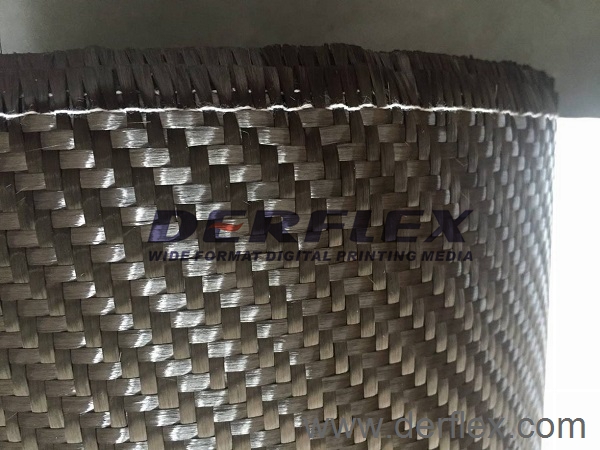
woven fiberglass reinforcement close up beneath silicone or PTFE coating
Fiberglass reinforcement. The woven glass substrate provides the textile backbone beneath either coating system.
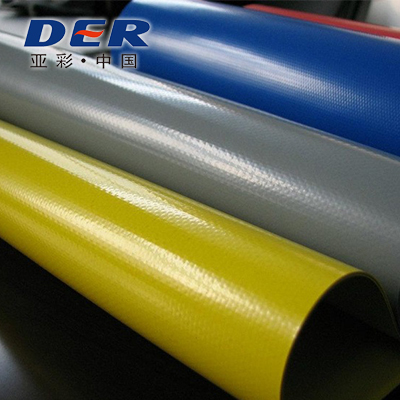
DERFLEX technical coated fabric rolls for industrial OEM programs
Technical coated fabrics. Coating chemistry, substrate and converter method must be matched to the actual application.

RFQ Checklist

What to Send Before Asking for a Silicone vs PTFE Recommendation

A useful coated-fiberglass quote starts with operating conditions. Send enough information to compare the actual failure risks, not just the material name.

  • Finished product or process name
  • Normal fabric-layer temperature and short peak temperature
  • Peak duration and thermal-cycle frequency
  • Chemicals, oils, solvents, condensate and cleaning media
  • Required surface behavior: release, low friction, grip, weather protection or cleanability
  • Movement, fold radius, vibration and expected flex cycles
  • Target weight, thickness, width, roll length and color
  • One-side / two-side coating or PTFE surface structure if already specified
  • Cutting, sewing, splicing, belt fabrication, adhesive backing or clamping route
  • Required test method or customer specification
  • Trial quantity, expected repeat demand, packing and destination

Request a Technical Quote

Why DERFLEX

Build the Material Specification Around the Finished Application

DERFLEX supports industrial buyers, converters and OEM programs with application-based coated-fabric selection, sample coordination, project-specific roll specifications and repeat-order specification control. Current DERFLEX technical pages document approximately 20+ years of coated-fabric experience, a 60,000㎡ integrated production area, 450+ full-time employees, 25+ senior engineers and customers across 120+ countries and regions.

Application Review

Compare temperature, chemistry, surface function, movement and fabrication before choosing the coating.

Custom Roll Direction

Discuss base cloth, coating side/loading, weight, thickness, width, color, roll length and packing by project.

Sample-to-Repeat Control

Freeze the approved material structure and commercial specification before repeat bulk production.

Converter-Focused Support

Review cutting, sewing, splicing, adhesive-backed or other downstream converting requirements before order approval.

People Also Ask

Silicone Coated Fiberglass vs PTFE Coated Fiberglass FAQs

Direct answers for engineers, fabricators, procurement managers, OEM buyers and industrial distributors.

Is silicone coated fiberglass better than PTFE coated fiberglass?

Neither is universally better. Silicone coated fiberglass is often the stronger starting direction for flexible handling, protective outer surfaces, repeated folding, moisture and oil exposure. PTFE coated fiberglass is often the stronger starting direction for non-stick release, low friction and chemical-facing process surfaces.

Which has better chemical resistance: silicone or PTFE coated fiberglass?

PTFE is generally the first material to evaluate when broad chemical resistance is the dominant requirement. Final compatibility still depends on the exact chemical, concentration, temperature, contact time, pressure, wet/dry cycling and seam or splice system.

Which is better for insulation jackets?

Silicone coated fiberglass is frequently evaluated for removable-jacket outer shells because flexibility, handling durability and resistance to moisture or oil contamination can be important. PTFE may be useful for specialized surfaces where chemical contact, low adhesion or easy release dominates.

Which is better for heat sealing and conveyor belts?

PTFE coated fiberglass is commonly selected when the surface needs low adhesion, lower friction and repeated heat contact. The exact solid, porous or open-mesh construction should be matched to process temperature, pressure, airflow, belt tension, tracking and splice requirements.

Can silicone and PTFE coated fiberglass be used in the same expansion joint?

Yes. A multi-layer flexible joint can use different materials for different functions. Silicone may perform flexible outer-protection duties while PTFE or another layer provides chemical or barrier behavior. Other layers can manage heat, load or insulation. The complete assembly must be engineered around temperature, pressure, movement, chemistry and condensation.

What temperature can silicone coated fiberglass handle?

There is no single rating for every construction. Current DERFLEX published directions discuss selected silicone-coated fiberglass grades around approximately 230–287°C continuous exposure at the silicone surface, subject to exact grade, peak duration, heat direction and finished assembly.

What temperature can PTFE coated fiberglass handle?

DERFLEX currently describes many PTFE-coated fiberglass grades as commonly selected for continuous heat exposure up to about 260°C / 500°F. Suitability still depends on grade, process media, contact pressure, dwell time, cleaning, surface structure and any adhesive or laminate added to the material.

Is heavier coated fiberglass always more durable?

No. Higher weight can add textile or coating mass, but it can also increase stiffness, bend resistance and seam bulk. Durability depends on weave, coating amount, surface finish, thickness, movement, abrasion, temperature and conversion method—not GSM alone.

DERFLEX Technical Textile Supply

Send the Operating Conditions — Not Just the Material Name

Tell DERFLEX what the finished component does, the actual fabric-layer temperature, chemical media, required surface behavior, movement/flexing, target width and thickness, coating structure, fabrication method, quantity and destination. The comparison can then focus on the requirements that matter to your project.

Useful inquiry details

  • Application drawing, existing TDS or current sample
  • Continuous / peak temperature at the coated textile layer
  • Chemical, oil, steam, outdoor and cleaning exposure
  • Required surface function: release, friction, grip or weather protection
  • Weight / thickness / width / coating structure
  • Fabrication and test requirements

Request Material Recommendation

Technical note: all performance ranges and temperature references on this page are material-selection directions. Final tolerances, test data, chemical compatibility, temperature capability and finished-system suitability must be confirmed for the exact ordered grade and complete converted assembly. “Fireproof,” “chemical proof” and similar universal claims should be replaced with the exact test method and service condition required by the project.

Copyright © 2015 DERFLEX ( PVC tarpaulin manufacturer )All Rights Reserved.