Hot-Face / Thermal Layer
Receives the highest thermal load and helps shield downstream layers. In hotter systems this role may be handled by dedicated high-temperature textiles or insulation structures selected by the joint engineer.



DERFLEX supplies coated fiberglass and technical textile roll materials for fabric expansion joint belts, protective covers, flexible connectors and multi-layer duct systems. Material selection starts with the real gas temperature, chemical exposure, condensation risk, pressure, movement and fabrication method—not with one generic “high-temperature fabric” label.
For expansion-joint fabricators, EPC contractors, duct-system OEMs, maintenance teams and technical textile distributors, DERFLEX can review silicone coated fiberglass, flame-retardant silicone fiberglass and PTFE coated fiberglass directions for sampling and bulk roll supply.
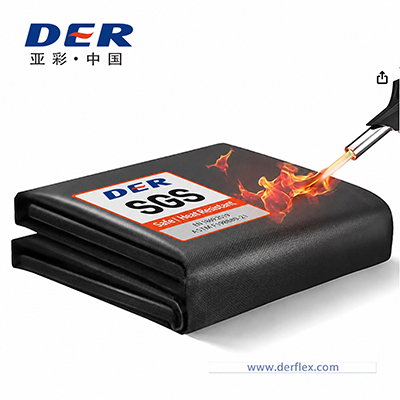
A fabric expansion joint material is a flexible reinforced textile or composite used to create one or more functional layers in a non-metallic expansion joint. Depending on the design, it may act as the gas seal, load-bearing belt, thermal-facing layer or weather-protective outer cover.
Fabric expansion joints are used in low-pressure ducting and gas-handling systems to absorb thermal growth, vibration, misalignment and multi-directional movement. The flexible element is not always a single fabric. Many systems use a layered construction in which each textile, coating, film or insulation layer performs a different job.
This distinction is important for procurement. A material that performs well as an outer protective layer may not be the correct chemical barrier. A PTFE composite selected for gas sealing may need thermal protection from a hotter process stream. A silicone coated fiberglass belt that handles repeated flexing and outdoor exposure still needs the completed seam, clamp and frame design to be validated.
DERFLEX already supplies silicone coated fiberglass fabric for expansion-joint fabricators and other industrial converters. This page expands that discussion from one coating chemistry to the complete material-selection logic used before a fabricator cuts, seams and clamps the belt.
Single-ply and multi-layer expansion joints can use different constructions. The following map helps separate the functions that are often incorrectly bundled into one RFQ line.
Receives the highest thermal load and helps shield downstream layers. In hotter systems this role may be handled by dedicated high-temperature textiles or insulation structures selected by the joint engineer.
Controls gas leakage and contact with process media. PTFE-based constructions are often considered when chemical resistance and barrier behavior are major priorities.
Supports mechanical load, movement and dimensional stability. Fiberglass reinforcement is common in coated fabric structures because it combines heat resistance with a stable woven base.
Faces weather, handling, oil, moisture and external abrasion. Silicone coated fiberglass is often used where flexibility and surface protection need to work together.
This is an RFQ starting point, not a finished-joint design table. Final suitability depends on the complete layer stack, seam or splice, frame, insulation, pressure, movement and process medium.
| Operating Priority | Starting Material Direction | Why Buyers Consider It | What Must Still Be Confirmed |
|---|---|---|---|
| Heat + repeated flexing + outdoor or oily exposure | Silicone coated fiberglass | Flexible elastomeric surface over heat-resistant fiberglass reinforcement; useful where handling, abrasion, moisture and movement occur together. | Continuous and peak layer temperature, coating side, weight, flex cycle, seam method and chemical contact. |
| Heat + flame-retardant direction for protective outer layers | FR silicone coated fiberglass | Useful for fabricators that need a coated fiberglass structure with a flame-retardant material direction for expansion-joint covers and industrial protection. | Exact test method, finished-system requirement, direct flame/spark exposure and whether the requested report applies to the selected grade. |
| Chemical-facing service + low-friction / release surface | PTFE coated fiberglass | PTFE surface chemistry is selected where chemical resistance, low adhesion and heat-stable process behavior matter. | Gas composition, condensate, barrier requirement, PTFE loading, surface finish, seam/splice route and temperature at the PTFE layer. |
| Lower-temperature external protection or special composite use | PVC coated fiberglass | Can be considered in selected lower-temperature protective applications where waterproofing and fiberglass reinforcement are useful. | Do not use a general PVC-coated fabric as a default hot-gas belt. Confirm actual temperature, fire requirement and exposure before selection. |
| System temperature above standard coated-fiberglass range | Engineered multi-layer construction | Insulation, special hot-face textiles, barrier layers and protective fabrics can be combined so each layer works within its own service envelope. | Full thermal profile, hot-face temperature, acid dew point/condensation risk, particulate abrasion, pressure and finished-joint engineering. |
These are reference ranges already published for DERFLEX coated fiberglass products. They are raw-material purchasing directions, not universal finished-joint ratings.
| Material Family | Published DERFLEX Direction | Expansion-Joint Relevance |
|---|---|---|
| Silicone coated fiberglass | Approx. 260–2000 g/m2; approx. 0.25–3.0 mm; common width directions include 1000 / 1200 / 1500 mm; one- or two-side coating. Selected grades are commonly discussed around approximately 230–287°C continuous silicone-surface exposure, subject to exact grade. | Outer cover, flexible belt or protective layer where heat, flexing, moisture, oil and abrasion need to be balanced. |
| FR silicone coated fiberglass | Approx. 260–2000 g/m2 and 0.25–3.0 mm in current DERFLEX reference ranges; one- or two-side FR silicone coating; project-based color, width and roll specification. | Protective layers where a flame-retardant material direction must be evaluated together with the required test route. |
| PTFE coated fiberglass | Approx. 150–1300 g/m2 and 0.08–1.00 mm in current DERFLEX reference ranges; PTFE impregnation or coating variants; commonly selected for continuous heat exposure up to about 260°C / 500°F depending on grade and process conditions. | Chemical-facing, low-friction or barrier-oriented components where PTFE surface behavior is required. |
Important: the service limit of the finished fabric expansion joint can be lower or higher than a single raw material’s published value depending on the layer architecture, insulation, seam/splice, clamp zone, pressure, movement and gas chemistry. Always validate the selected construction as an assembly.
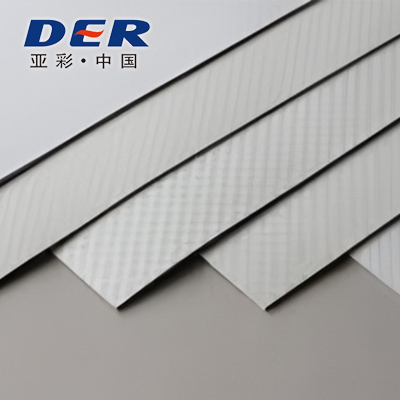
Fiberglass reinforcement with PTFE surface chemistry for heat-stable, chemical-resistant and low-friction material programs.
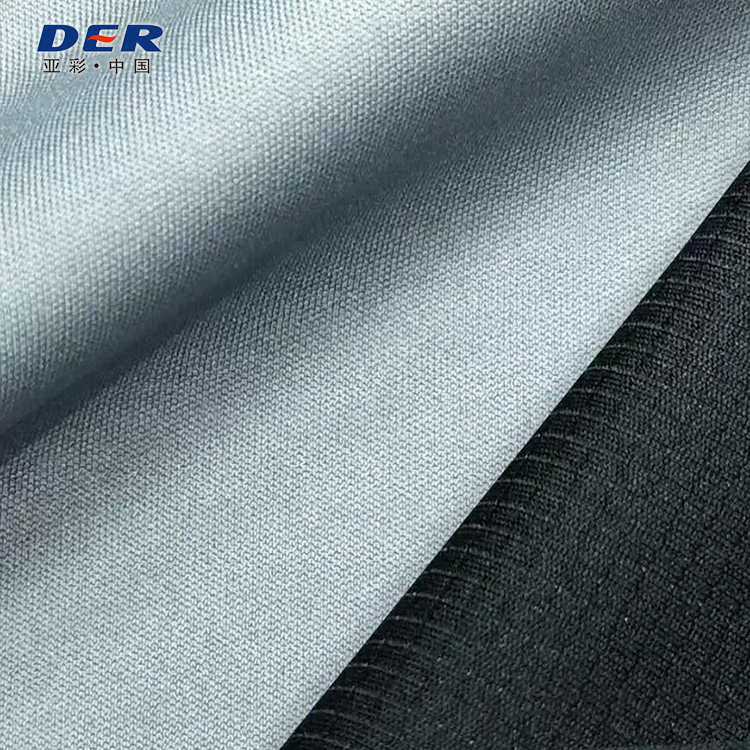
Base textile and functional surface layers should be selected around the final product duty rather than by appearance or weight alone.
Several failure mechanisms occur outside the center area of the fabric belt. A useful material RFQ therefore includes the conditions that affect seams, clamp zones, folds and interfaces.
Duct-gas temperature and belt temperature are not always the same. Insulation, stand-off distance, flow liner geometry and radiant heat can change the thermal load reaching the coated fabric.
A dry gas stream can create a different chemical condition after cooling. Tell the supplier about condensate, cleaning chemicals and corrosive media instead of reporting temperature alone.
Axial, lateral and angular movement place different strain patterns on the belt. Repeated cycling can become the controlling life factor even when the fabric is below its thermal limit.
High gas velocity, ash, dust or entrained particles can abrade the belt. Finished-joint designers may use liners or protective layers so the flexible material does not take direct flow impact.
A strong raw fabric does not guarantee a strong fabricated joint. Test the actual seam, heat-sealed splice, sewn construction or other conversion method on the selected production grade.
Bolted or clamped areas need smooth contact surfaces, suitable compression and a belt geometry that avoids cutting, over-tensioning or concentrated load at the edge.
The same “fabric expansion joint” description can represent very different thermal, chemical and mechanical duties.
| Application | Material Questions to Resolve | Common Starting Direction |
|---|---|---|
| Power & flue-gas ducting | Continuous/peak temperature, corrosive gas or condensate, particulate load, pressure pulse, movement cycle and maintenance access. | Multi-layer architecture; PTFE or silicone coated fiberglass may be evaluated for specific barrier/protective functions. |
| Cement, lime & mineral processing | Abrasive dust, heat, cyclic movement, velocity, buildup and the need for a liner or hot-face protection. | Protected multi-layer system with abrasion-aware outer/load-bearing fabric selection. |
| Industrial ovens & dryers | Hot-air temperature, radiant heat, moisture, movement frequency, cleaning process and whether the belt is indoors or weather exposed. | Silicone coated fiberglass is a practical direction when its confirmed grade fits the actual layer temperature. |
| Fan, blower & equipment vibration isolation | Temperature, pressure, vibration amplitude, movement frequency, face-to-face distance, clamp geometry and installation access. | Flexible coated fiberglass or another project-matched technical textile based on heat and media. |
| Chemical-process exhaust | Exact chemicals, concentration, temperature, wet/dry cycle, condensate, cleaning agents and gas-tightness requirement. | PTFE-oriented barrier material may be considered after compatibility review. |
For broader industrial textile capability beyond coated fiberglass, see DERFLEX industrial fabric manufacturing solutions.
These mistakes create unsuitable samples, unclear quotations and material comparisons that are not technically equivalent.
Add continuous and peak values, peak duration, radiant exposure and the expected temperature at the fabric layer if known.
Media that looks harmless when hot may create a more aggressive condition after cooling. Include wet/dry cycling and cleaning chemistry.
Coating chemistry, base weave, coating amount and surface structure can change flexing, barrier behavior and fabrication more than one weight number.
Finished-joint performance depends on seams, splice, insulation, clamps, frame geometry, pressure and movement in addition to the belt material.
State axial, lateral and angular movement plus expected cycles. A static connector and a continuously flexing joint should not be specified the same way.
Before bulk production, trial the actual cutting, sewing, sealing, splicing and clamping method with the selected material grade.
DERFLEX's technical coated fabric capability is more useful when the inquiry defines the layer function and finished-product duty rather than requesting a generic “expansion joint cloth.”
A complete inquiry allows material suppliers and fabricators to compare equivalent constructions and reduces the risk of selecting by price alone.
DERFLEX’s value in this product category is coated-fabric manufacturing and specification matching. The material can be discussed around the final joint function instead of being quoted only as a generic coated roll.
Temperature, chemicals, movement, pressure, abrasion and layer function are reviewed before a material direction is proposed.
Silicone, FR silicone, PTFE and fiberglass reinforcement choices can be compared according to the final conversion and operating environment.
Weight, thickness, width, coating side, color, surface and packing can be discussed according to the selected production route and order plan.
Approved material details can be retained as part of the purchasing specification to improve repeat-order consistency.
Direct answers for material selection, sampling and technical purchasing.
Common expansion-joint material families include silicone coated fiberglass, PTFE-coated or PTFE-laminated fiberglass, elastomeric composites, high-temperature fiberglass or silica textiles, insulation layers and other engineered materials. The correct choice depends on the layer function, process temperature, chemical exposure, pressure, movement and abrasion. DERFLEX focuses this page on coated fiberglass and technical textile roll materials it can verify and discuss for converter use.
Neither is universally better. Silicone coated fiberglass is often selected when flexibility, protective surface behavior, moisture/oil resistance and repeated handling are important. PTFE coated fiberglass is often selected when chemical resistance, low surface adhesion and heat-stable process behavior are higher priorities. A multi-layer expansion joint may use different materials for different functions.
No. Temperature is only one variable. The supplier also needs the chemical media, condensation risk, pressure, velocity, particulate load, movement type, cycle frequency, seam/splice method and the temperature actually reaching the selected fabric layer. A raw-material rating should not automatically be treated as the finished-joint rating.
There is no universal layer count. Some lower-temperature or application-specific joints use a single composite belt. Hotter or more aggressive systems may separate thermal protection, gas sealing, reinforcement and outer protection into multiple layers. The joint designer should define the layer architecture from the operating conditions.
This page is positioned around coated-fabric and technical textile material supply for expansion-joint fabricators. If you require a finished expansion-joint assembly, send the drawing, dimensions, frame/interface details and operating conditions so DERFLEX can confirm the available supply scope before quotation.
DERFLEX’s current silicone and PTFE coated fiberglass pages support project-based discussion for weight, thickness, width, coating structure, coating side, surface finish, color, roll length and packing. Availability depends on the selected grade, production route and order plan.
These depend on the material family, coating structure, width, color, testing requirements, sample route and current production plan. DERFLEX should confirm MOQ, sample availability and lead time for the exact requested construction rather than applying one number to every expansion-joint material.
Price is mainly influenced by the base fiberglass construction, coating chemistry, coating amount, total weight/thickness, width, surface specification, custom color, testing/documentation requirements, quantity, packing and any additional converting. Comparing only price per square meter can be misleading if the offered constructions are not technically equivalent.
Send the application, continuous and peak temperature, media/condensate, pressure, movement, layer function, preferred material, width/thickness, fabrication method, quantity and required tests. DERFLEX can review a practical coated-fabric direction for sampling and quotation.
Material ranges and temperature references on this page are selection directions based on current DERFLEX product information. Final performance, tolerance, test compliance and suitability must be confirmed for the ordered grade and the completed expansion-joint system.