


PTFE Coated Fiberglass Fabric for Heat, Release and Chemical-Resistant Processing
DERFLEX supplies PTFE coated fiberglass fabric for manufacturers that need a clean release surface, stable glass-fiber reinforcement and project-specific roll supply. The material is used for heat sealing, conveyor belts, composite molding, insulation covers, gaskets, separator sheets, electrical insulation and OEM fabricated parts.
Instead of selecting a roll only by thickness or color, DERFLEX helps buyers match PTFE content, base fiberglass style, surface finish, static-control needs and fabrication format to the real operating environment.
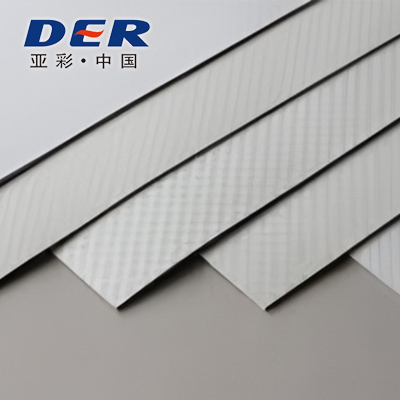
 Product Image Display
What Is PTFE Coated Fiberglass Fabric?
PTFE coated fiberglass fabric is a composite textile made by impregnating or coating a woven fiberglass substrate with PTFE resin. Fiberglass gives the fabric mechanical strength, dimensional stability and heat tolerance, while the PTFE surface provides release performance, chemical resistance and low friction.
This combination makes the fabric useful in production environments where adhesive, molten plastic, food residue, resin, oil or chemical contact may otherwise build up on ordinary textile surfaces.
Why buyers choose this material
For industrial buyers, the value of PTFE fiberglass fabric is not only the coating itself. The more important question is whether the selected grade can keep its surface behavior, flatness and mechanical stability during repeated heating, movement, cleaning and fabrication.
- Clean release surface for heat sealing bars, molding, lamination and baking processes.
- Glass-fiber reinforcement for low stretch and stable handling during production.
- PTFE surface chemistry for resistance to many oils, solvents, acids and alkaline environments.
- Custom supply direction for roll stock, sheet cutting, adhesive-backed fabric, belt blanks or fabricated components.
Built Around Release, Heat Stability and Process Control
Different applications require different PTFE coating levels, fiberglass styles and finishes. A heat sealing release sheet does not need the same structure as an open mesh drying belt, anti-static fabric or expansion joint material.
Non-Stick Release Surface
The PTFE coating reduces adhesion from plastics, resins, adhesives, food residue and process contaminants, helping production lines reduce cleaning interruption and product sticking.
Heat-Resistant Working Layer
PTFE fiberglass fabric is commonly selected for continuous high-temperature processing up to 260°C / 500°F, depending on grade, equipment contact and working cycle.
Chemical & Solvent Resistance
The PTFE surface helps resist many acids, alkalis, solvents, oils and industrial cleaning conditions, making it suitable for chemical-facing covers, seals and process liners.
Dimensional Stability
The fiberglass substrate keeps the material stable under heat, tension and repeated handling, which is important for belt fabrication, separator sheets and precision process surfaces.
Low Friction Movement
A smooth PTFE surface supports sliding, conveying and release applications where friction control is part of the finished product performance.
Optional Static Control
For packaging, film, electronics and certain conveyor environments, anti-static black PTFE fiberglass fabric can be considered after reviewing the actual process risk.
PTFE Coated Fiberglass Fabric Options
The following ranges are used as a practical starting point. Final data should be confirmed by sample testing and written specification for each purchase program.
| Product Name | PTFE Coated Fiberglass Fabric / PTFE Coated Glass Fabric / PTFE Fiberglass Fabric |
|---|---|
| Base Reinforcement | Plain weave, satin weave or selected woven fiberglass cloth according to strength, flexibility and surface requirement |
| Coating Structure | PTFE impregnation, one-side coating, two-side coating, porous coating, high-release coating or anti-static coating |
| Typical Thickness Direction | Approx. 0.08 mm to 1.00 mm depending on fabric style and PTFE loading; custom structures can be reviewed |
| Typical Weight Direction | Approx. 150 gsm to 1300 gsm depending on coating content, base fabric and application duty |
| Working Temperature | Commonly selected for continuous heat exposure up to 260°C / 500°F; final suitability depends on contact pressure, cycle time and process media |
| Surface Finish | Smooth glossy release, matte texture, porous breathable surface, open mesh surface or customized finish |
| Color Direction | Brown / tan, black, white, grey or project-based color direction |
| Supply Format | Roll goods, cut sheets, slit rolls, adhesive-backed material, belt blanks or fabricated components for OEM users |
| Common Users | Conveyor belt fabricators, release sheet converters, insulation jacket manufacturers, packaging machinery factories, composite processors and industrial distributors |
Food contact, anti-static, flame behavior and other compliance-related requirements should be confirmed by the target market, test method and final use condition before order confirmation.
Choose the Grade by Process, Not by Name Alone
Many sourcing problems appear when the same “PTFE fiberglass fabric” is used for very different jobs. A roll for release sheets may require a dense smooth coating, while a drying belt needs airflow. A chemical cover may need thicker fabric and stronger seams, while an electronics separator sheet may require thinner and smoother material.
Common DERFLEX supply directions
- Standard PTFE coated fiberglass fabric for release sheets and heat sealing.
- High PTFE-content surface for smoother release and lower product sticking.
- Porous PTFE fiberglass fabric for curing, outgassing, filtration or breathable release.
- Open mesh PTFE coated fiberglass for drying, cooking, conveying and airflow processes.
- Anti-static black PTFE glass fabric for process areas where static dissipation matters.
- One-side coated fabric for covers, seals, sliding layers and surface-facing applications.
Where PTFE Coated Fiberglass Fabric Is Used
The material is suitable for many industrial environments, but the fabric grade should be chosen according to temperature, friction, contact media, airflow, surface release and fabrication method.
Heat Sealing & Packaging
Release covers for sealing bars, bag sealing, film welding, packaging machinery and hot contact surfaces.
Composite Molding
Release sheets, separator layers and curing aids for FRP, carbon composite, rubber and plastic processing.
Conveyor & Drying Belts
Open mesh or solid coated fabric for food processing, drying ovens, printing, laminating and industrial conveying.
Insulation Covers
Outer layer for removable insulation jackets, thermal covers and protective curtains exposed to heat and contaminants.
Chemical Protection
Wrapping, liners, flexible barriers and covers where oils, solvents or corrosive media may contact the surface.
Gaskets & Seals
Fabricated pads, seals, sliding layers, expansion joints and diaphragm-related components.
Electrical Insulation
PTFE glass cloth for motor, generator, wire, cable and electronics-related insulating layers.
PVC Welding Support
Release layers and process belts for coated fabric welding, lamination and heat-contact fabrication.
PTFE Fiberglass, Silicone Fiberglass or Uncoated Glass Fabric?
| PTFE Coated Fiberglass Fabric | Selected when release performance, low friction, chemical resistance, heat stability and dimensional control are the main requirements. Suitable for release sheets, belts, gaskets, covers and process liners. |
|---|---|
| Silicone Coated Fiberglass Fabric | Often chosen when flexibility, grip, abrasion resistance and elastomeric surface feel matter more than very low friction. Useful for blankets, curtains and flexible protection. |
| Uncoated Fiberglass Fabric | Provides heat-resistant reinforcement but does not provide the same non-stick, low-friction or chemical-facing surface. Usually needs coating or finishing for process contact. |
| PTFE Open Mesh Fabric | Chosen when airflow, drainage, heat transfer and conveying are required. It is not the same selection logic as smooth solid PTFE glass cloth. |
What to Send Before Asking for a Quotation
A clear request helps DERFLEX avoid vague recommendations and prepare a more accurate PTFE coated fiberglass fabric proposal for sample testing or repeat purchasing.
Supply Support for Converters, OEM Buyers and Distributors
DERFLEX is built around coated fabric manufacturing, material matching and export-ready cooperation. For PTFE coated fiberglass fabric projects, we can support specification discussion, sample direction, roll supply, custom width review, packing control and repeat-order specification records.
- Application-based selection instead of only selling by stock code.
- Roll goods and further-processing formats for industrial converters.
- Technical communication for heat, release, chemical and fabrication requirements.
- Export packing and documentation support for international buyers.
From Application Review to Repeat Supply
For technical coated fabrics, stable supply starts with a clear material direction and ends with repeatable specification records.
Application Review
Confirm process, temperature, friction, chemicals, surface release and compliance needs.
Grade Direction
Choose coating level, fiberglass style, surface finish, thickness and supply format.
Sample Trial
Test release behavior, flatness, adhesion, cutting, sewing, belt fabrication or heat contact.
Bulk Supply Record
Keep roll width, packing, batch data and specification records for repeat orders.
Useful Internal Pages for Material Selection
These related pages help buyers compare PTFE fiberglass fabric with architectural, tensile and coated textile directions.
Frequently Asked Questions About PTFE Coated Fiberglass Fabric
What is PTFE coated fiberglass fabric used for?
It is used for heat sealing release sheets, conveyor belts, composite mold release, packaging machinery, insulation covers, gaskets, chemical-resistant wraps, electrical insulation and fabricated industrial components.
What temperature can PTFE coated fiberglass fabric handle?
Many PTFE coated fiberglass fabrics are selected for continuous working environments up to 260°C / 500°F. Actual suitability depends on fabric grade, contact pressure, process chemicals, dwell time and cleaning method.
Is PTFE coated fiberglass fabric the same as silicone coated fiberglass fabric?
No. PTFE coated fiberglass is usually chosen for non-stick release, chemical resistance and low friction. Silicone coated fiberglass is often chosen for flexibility, grip and abrasion-resistant protective surfaces.
Can DERFLEX provide anti-static PTFE fiberglass fabric?
DERFLEX can review anti-static PTFE fiberglass fabric direction for applications where static dissipation is required, such as film handling, packaging, electronics-related processes and selected conveyor environments.
Can the fabric be supplied as adhesive-backed tape or cut sheets?
Yes. Depending on the specification, DERFLEX can review roll supply, cut sheet, slit roll, adhesive-backed material and fabricated part requirements for OEM buyers and converters.
How do I choose between porous PTFE fabric and smooth PTFE fabric?
Choose porous PTFE fabric when airflow, outgassing or breathability is required. Choose smooth PTFE fabric when clean release, easy wipe-down and low-friction surface behavior are the main requirements.
What information is needed for a quotation?
Please send the application, temperature, contact media, thickness or weight target, roll width, surface finish, color, anti-static requirement, adhesive or fabrication needs, testing requirements and expected quantity.
Does DERFLEX support custom PTFE coated fiberglass fabric?
DERFLEX supports project-based specification discussion, sample direction, roll size review, surface finish selection, packing control and repeat supply records for custom PTFE coated fiberglass fabric programs.
Request PTFE Coated Fiberglass Fabric Samples or Project Quotation
Send your operating temperature, surface requirement, chemical contact, roll width, thickness, color and finished-product application. DERFLEX will help review a practical material direction for sample testing and bulk supply.