News
Company News

High-Temperature Flexible Duct Connector Fabric Manufacturer | DERFLEX

Update:2026/8/29 17:50:51 Views:
Industrial Coated Fiberglass · Roll Material

High-Temperature Flexible Duct Connector Fabric

Heat-resistant coated fiberglass fabric for flexible connections between fans, AHUs, rigid duct sections and hot-air or industrial exhaust equipment—specified around temperature, vibration, airflow, media, fabrication method and the finished connector design.

DERFLEX can review silicone coated fiberglass and other project-matched technical textile directions with custom weight, thickness, width, coating side, color, roll format and converter requirements for B2B sampling and repeat supply.

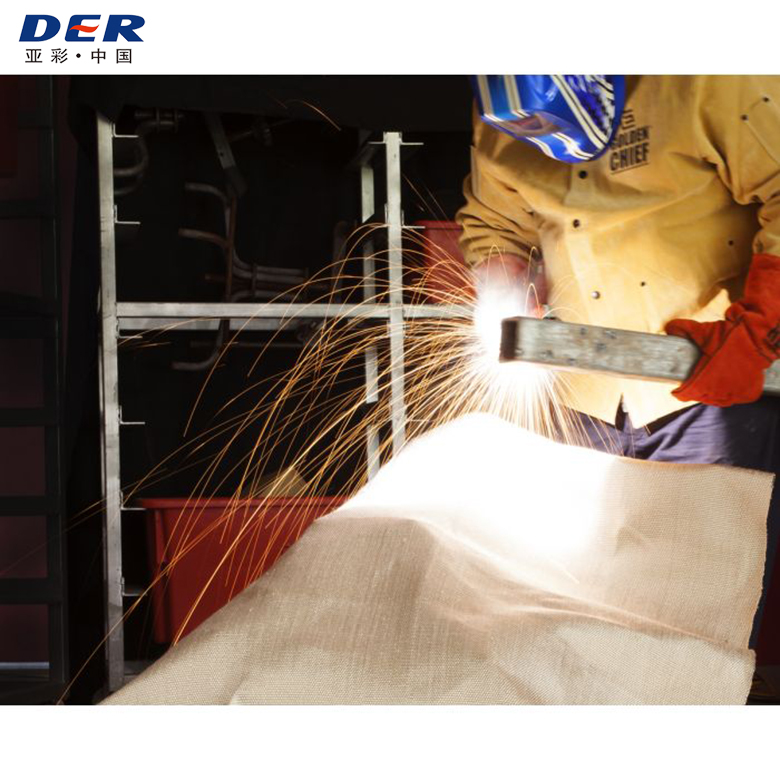
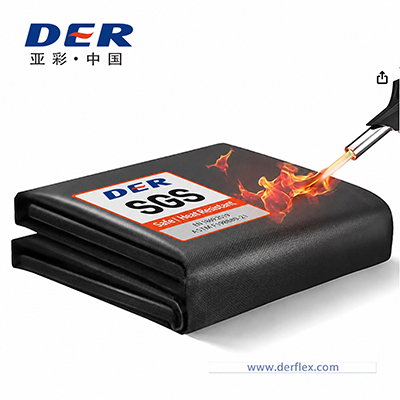
DERFLEX silicone coated fiberglass fabric for high-temperature flexible duct connector fabrication
DERFLEX material reference. Final coating, color, weight, thickness, width and usable temperature must be confirmed for the ordered connector-fabric grade and completed assembly.
1 / 2 Side Silicone Coating Direction
260–2000 g/m2 Published Silicone-Fabric Range
0.25–3.0 mm Published Thickness Direction
OEM Ready Roll Width · Color · Conversion
Answer First

What Fabric Is Used for High-Temperature Flexible Duct Connectors?

Silicone coated fiberglass is a common material direction for high-temperature flexible duct connector fabric because the fiberglass reinforcement provides dimensional stability and heat resistance while the silicone surface adds flexibility, moisture resistance, abrasion support and a converter-friendly coated finish.

The fabric alone does not determine the rating of a finished connector. Continuous and peak temperature, flame or radiant exposure, airflow pressure, chemical media, vibration cycle, seam design, steel-edge attachment and clamp geometry must be reviewed as one assembly.
Product Definition

Flexible Connector Fabric Is the Movement Layer Between Rigid Duct Components

Its job is not simply to “join two ducts.” A connector fabric creates a flexible break that can reduce vibration transfer, tolerate limited movement and misalignment, and maintain a continuous air path between rigid metal parts or equipment interfaces.

01

Vibration Isolation

Placed between a fan, air-handling unit, blower or rigid duct section to reduce direct transmission of mechanical vibration into the downstream duct system.

02

Heat-Resistant Flex Zone

High-temperature connector fabric is selected when ordinary PVC canvas or lower-temperature elastomer-coated fabric may not fit the real thermal profile.

03

Movement & Alignment Tolerance

The flexible strip can accommodate small installation offset and dynamic movement, but it should not be confused with a fully engineered large-movement fabric expansion joint.

04

Air & Fume Barrier

The coated fabric provides the flexible barrier layer; final leakage performance still depends on edge attachment, seams, punctures, clamp pressure and completed connector geometry.

05

Converter-Friendly Roll Goods

Roll or slit-width supply can support duct-accessory manufacturers that crimp, seam, clamp or assemble fabric with galvanized, aluminum or stainless-steel edge systems.

06

Project-Specific Surface

Coating side, total weight, thickness, color and finish can be discussed around temperature, handling, abrasion, moisture, oil contact and the intended fabrication route.

Selection Matrix

Choose Duct Connector Fabric by the Real Service Environment

“High temperature” is not a complete specification. Use the connector duty, thermal exposure, chemistry and mechanical movement to decide which coated-textile family should be evaluated first.

Service Condition Material Direction to Evaluate Why Buyers Consider It What Must Still Be Confirmed
Hot air + fan/AHU vibration + moisture or oil exposure Silicone coated fiberglass Balances heat-resistant fiberglass reinforcement with a flexible silicone surface suitable for repeated connector movement. Continuous/peak temperature, coating side, thickness, flex cycle, seam or crimp method and media compatibility.
High-temperature connector with project-specific flame-retardant requirement FR silicone coated fiberglass direction Useful where the connector-fabric specification also includes a defined flame or fire-test requirement. Exact test method, report scope, finished-assembly requirement and whether the selected grade is covered.
Hot chemical exhaust, condensate or low-surface-adhesion requirement PTFE coated fiberglass or engineered barrier direction PTFE is commonly considered when chemical resistance and low-friction surface behavior become more important. Exact chemical media, temperature at the fabric layer, seam route, flexing requirement and barrier performance.
Moderate temperature general HVAC connector Project-matched canvas / elastomer / polymer connector fabric Can be more economical when the thermal load does not require a silicone-fiberglass construction. Actual temperature, fire code, moisture, pressure, UV exposure and required life.
Temperature above the confirmed silicone-composite range Special engineering review Higher-temperature systems may need another textile, layered structure, insulation strategy or metal-based solution. Continuous vs peak heat, radiant exposure, flame/spark risk, chemistry, movement and complete connector design.

Selection framework only. DERFLEX’s current silicone-coated fiberglass information describes many selected grades around approximately 230–287°C continuous silicone-surface exposure; exact continuous and short-term limits must be confirmed for the selected grade. A finished connector may have a lower allowable temperature because seams, crimped edges, sealants, steel attachment and adjacent components can become the controlling elements.

Specification Framework

High-Temperature Duct Connector Fabric Specifications for RFQ Comparison

The table below is designed for technical purchasing. It separates published DERFLEX material directions from fields that must be confirmed for the actual connector program.

Product Name High-Temperature Flexible Duct Connector Fabric / Silicone Fiberglass Duct Connector Fabric / HVAC Flexible Connector Fabric
Base Reinforcement Woven fiberglass cloth; exact weave, yarn and construction are selected according to flexibility, dimensional stability and mechanical duty.
Coating Direction Silicone rubber on one side or both sides; FR silicone or other technical coating direction subject to the required project specification.
Published Weight Direction DERFLEX silicone coated fiberglass programs currently publish approximately 260–2000 g/m2 across the wider material family. Connector-grade target weight should be confirmed by the actual duty.
Published Thickness Direction Approximately 0.25–3.0 mm across the wider silicone coated fiberglass family. Do not select connector fabric by thickness alone.
Width Common DERFLEX silicone-fabric directions include 1000 / 1200 / 1500 mm. Slit widths or project-defined roll widths can be discussed according to the converter route.
Color Red, grey, black, white, yellow and project-defined color directions depending on coating formulation and order plan.
Temperature Selection Many selected silicone-coated constructions are discussed around approx. 230–287°C continuous silicone-surface exposure. Confirm the exact grade, exposure duration and finished-connector limit.
Supply Format Roll goods, cut pieces, slit widths or OEM converted direction depending on project requirements and confirmed DERFLEX supply scope.
Testing / Documentation Provide the exact project, customer, ASTM, EN, DIN, NFPA, local fire code or other required method before sampling. Do not request a generic “fireproof certificate.”
Fabrication Engineering

Four Connector Details That Can Become the Real Failure Point

A strong heat-resistant raw fabric can still become an unreliable duct connector if the converter treats attachment and flex geometry as afterthoughts.

1. Steel-Edge Attachment

Crimped or lock-seam attachment must hold the coated fabric without cutting or slipping under vibration and pressure cycling.

2. Free Fabric Width

Too little free flex area increases strain; too much can create billowing, folding or flow disturbance. Set geometry around movement and pressure.

3. Coating Direction

One-side versus two-side coating affects surface protection, handling and where uncoated fiberglass may be exposed at folds or edges.

4. Seam & Leak Path

If the connector uses a sewn or joined fabric loop, seam placement, thread, sealing and puncture control become part of air-tightness and durability.

Decision Guide

Flexible Duct Connector vs Flexible Duct vs Fabric Expansion Joint

These products are often mixed together in search results, but their movement, pressure and fabrication requirements are not interchangeable.

Product Main Function Typical Construction Logic Key Buying Variables
Flexible Duct Connector Short flexible break between rigid duct/equipment to reduce vibration transfer and absorb limited movement. Flexible coated fabric strip; may be supplied alone or assembled with metal edge strips depending on product design. Temperature, vibration, pressure, fabric width, thickness, coating, edge attachment and leakage requirement.
Flexible Duct / Hose Transports air, fumes or exhaust over a flexible route. Longer cylindrical hose, often with wire helix or ring reinforcement, cuffs and seam/bonded wall construction. Diameter, length, bend radius, positive/negative pressure, temperature, abrasion, media and end connections.
Fabric Expansion Joint Absorbs larger thermal growth, misalignment and multidirectional movement in industrial duct and gas systems. Single- or multi-layer belt with engineered gas seal, insulation, reinforcement and protective layers. Axial/lateral/angular movement, pressure, gas chemistry, condensate, temperature profile, clamping and fatigue cycle.
Application Mapping

Where High-Temperature Flexible Connector Fabric Is Commonly Evaluated

The same connector cloth should not be automatically applied to every duct. The service environment defines the required material balance.

Air Handling Units

Flexible break between AHU casing and rigid ductwork where vibration control, air containment and installation tolerance are important.

Industrial Fans & Blowers

Connector material between fan discharge or suction ports and metal duct sections, with particular attention to vibration amplitude and pressure direction.

Hot-Air Systems

Dryers, ovens, process heaters and hot-air circulation lines may require silicone fiberglass or another heat-resistant textile after the real temperature profile is confirmed.

Industrial Exhaust

Fume or exhaust connectors require temperature review together with oil mist, condensate, chemical media, particulate and cleaning conditions.

Power & Process Equipment

Equipment interfaces may combine heat, vibration and maintenance movement. More severe movement can shift the design toward a true fabric expansion joint.

OEM HVAC Accessories

Duct connector manufacturers, ventilation accessory factories and distributors can specify roll width, slit width, coating direction, color and packaging for repeat programs.

Product & Application Gallery

DERFLEX Image Pack for High-Temperature Connector Material Context

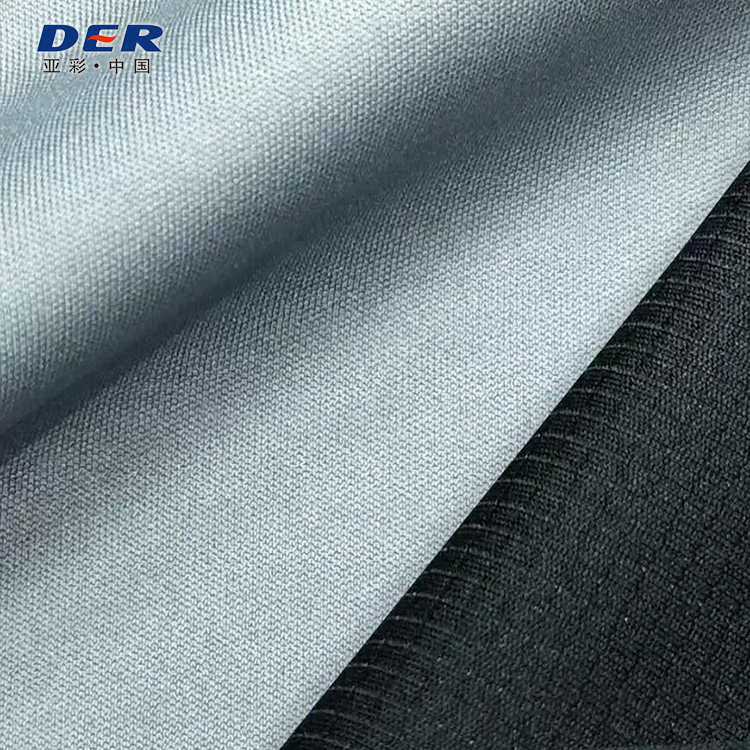
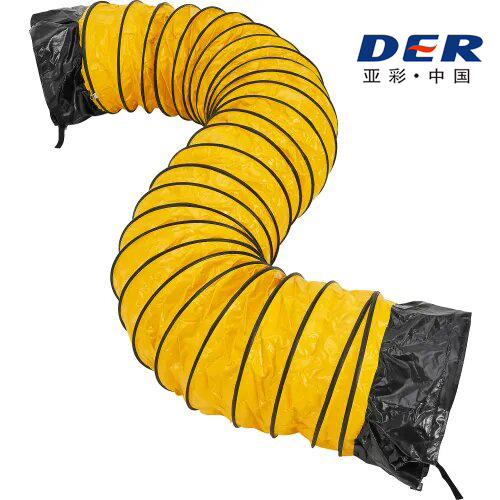
These are real DERFLEX-hosted images from adjacent high-temperature coated-fabric and ventilation pages. They show the material family, texture and application environment around a duct-connector fabric program.

Procurement Intelligence

A Better RFQ Separates Temperature, Vibration and Fabrication

Connector-fabric inquiries often fail because buyers send only width and a vague “high temperature” requirement. Use the checklist below to create comparable supplier quotations.

Send These Details to DERFLEX

  1. Finished product: flexible duct connector strip, connector roll, fan connector, AHU connector or other assembly.
  2. Continuous operating temperature, peak temperature and peak duration.
  3. Radiant heat, direct flame, spark or hot-particle exposure if any.
  4. Air, smoke, fumes, oil mist, chemicals, condensate and cleaning media.
  5. Positive or negative pressure and any pressure pulsation.
  6. Vibration amplitude/frequency and expected connector movement.
  7. Required weight, thickness, full roll width or slit width.
  8. Single-side or double-side coating preference and color.
  9. Fabrication route: crimped galvanized edge, lock seam, sewing, clamping or other method.
  10. Required test method, trial quantity, estimated bulk demand, packing and destination.

Common Procurement Mistakes

  1. Choosing the fabric only by a maximum-temperature number.
  2. Assuming fiberglass temperature capability equals the silicone coating or finished connector limit.
  3. Comparing only GSM or thickness while ignoring coating chemistry and weave.
  4. Ignoring vibration cycle, pressure direction and free-flex geometry.
  5. Using a raw-fabric flame test as proof of a finished duct connector’s code compliance.
  6. Approving fabric without trialing the actual crimp, seam, clamp or converter process.
Material Comparison

Silicone Fiberglass, PTFE Fiberglass or Standard Connector Canvas?

There is no universal “best duct connector fabric.” The correct material depends on the dominant thermal, chemical and mechanical requirement.

Silicone Coated Fiberglass

  • Strong starting direction for elevated-temperature flexible connectors.
  • Balances heat-resistant reinforcement with flexible coated surface behavior.
  • Useful when moisture, oil, abrasion and repeated handling are also present.
  • One- or two-side coating can be discussed by project.
  • Exact thermal and flame performance is grade and test-method dependent.

PTFE Coated Fiberglass

  • Considered when chemical resistance, low adhesion and low-friction behavior are stronger priorities.
  • Can be relevant for selected chemical exhaust or barrier-oriented connector systems.
  • Flex fatigue and seam/splice behavior must be evaluated for the connector geometry.
  • Do not substitute PTFE solely because its temperature number looks similar.

Standard Canvas / Polymer Connector Fabric

  • Suitable for many general HVAC and moderate-temperature applications.
  • Can provide an economical vibration-isolation solution where high heat is not the controlling factor.
  • PVC, neoprene, EPDM and other connector families have different heat and environmental limits.
  • Do not use standard PVC connector canvas as the default material close to strong heat sources.

Special High-Temperature System

  • For continuous duty above the confirmed silicone-composite range, a different textile or layered construction may be required.
  • Silica, ceramic textile, aramid/PTFE hybrids, insulated systems or metal connectors may enter the engineering discussion.
  • Final material choice should follow the complete heat, media, pressure and movement profile.
DERFLEX Supply Support

Material-First Support for HVAC Accessory Makers and Industrial Fabricators

DERFLEX already supplies silicone-coated fiberglass and flexible ventilation products. That makes it possible to discuss both the coated material and the real connector fabrication conditions instead of treating the inquiry as generic “canvas.”

Application Review

Heat, airflow, vibration, chemistry, movement and final connector design are reviewed before choosing a material direction.

Custom Material Direction

Base cloth, coating side, total weight, thickness, width, color and roll format can be discussed according to project requirements.

Sampling for Conversion

Use the actual crimping, sewing, clamping or connector assembly process during sample approval before bulk release.

Repeat B2B Supply

Approved product detai, ls, packaging and identification requirements can be retained for distributor, OEM and replacement programs.

Related Questions

High-Temperature Flexible Duct Connector Fabric FAQs

Direct answers for HVAC manufacturers, ventilation accessory suppliers, duct fabricators, engineers and industrial procurement teams.

What is flexible duct connector fabric?

Flexible duct connector fabric is the flexible textile layer installed between rigid duct sections or between ductwork and vibrating equipment such as fans, blowers and air-handling units. It helps reduce vibration transmission and accommodate limited movement while maintaining an air barrier. High-temperature versions use heat-resistant textile systems such as silicone coated fiberglass when ordinary connector canvas is not suitable.

What material is commonly used for high-temperature duct connector fabric?

Silicone coated fiberglass is a common material direction because fiberglass provides heat-resistant reinforcement and dimensional stability while silicone adds a flexible coated surface with useful resistance to moisture, oil, abrasion and repeated handling. Exact suitability depends on the selected grade and the completed connector design.

What temperature can silicone fiberglass duct connector fabric handle?

There is no single correct temperature for every grade. DERFLEX’s current silicone-coated fiberglass information describes many selected constructions around approximately 230–287°C for continuous silicone-surface exposure. Peak heat, radiant exposure, direct flame, media, seam system and metal-edge assembly can change the usable limit, so the exact ordered grade must be confirmed.

Is high-temperature connector fabric the same as a fabric expansion joint?

No. A flexible duct connector is usually a shorter vibration-isolation and alignment-break component. A fabric expansion joint is designed for larger thermal or multidirectional movement and may use several functional layers for gas sealing, insulation, reinforcement and protection. Material families can overlap, but the system design is different.

Is silicone coated fiberglass fireproof?

The word “fireproof” is too broad. Fiberglass is heat-resistant, and silicone-coated constructions can be developed for flame-resistant or fire-retardant applications, but performance depends on the exact coating, base cloth and test method. If a project requires a fire rating, request the applicable report for the selected material and verify the completed connector assembly.

Can standard PVC duct connector canvas be used at high temperature?

Standard PVC connector canvas should not be assumed suitable for elevated-temperature service. It can be appropriate for general HVAC or moderate-temperature applications when the confirmed PVC grade fits the real environment. For higher hot-air or exhaust temperatures, silicone coated fiberglass or another technical textile should be evaluated.

Should I choose single-side or double-side silicone coating?

Single-side coating can be useful when exposure is mainly directional and lower coating mass or greater flexibility is preferred. Double-side coating provides more balanced surface protection when both faces may contact moisture, oil, abrasion or repeated handling. The crimp/seam method and exposed cut edges should also be considered.

What information is needed for a duct connector fabric quotation?

Send the connector application, continuous and peak temperature, peak duration, radiant or flame exposure, airflow media, positive/negative pressure, vibration or movement duty, required weight/thickness/width, coating side, color, fabrication method, test requirement, quantity, packing and destination. A connector drawing or existing sample is especially useful.

Build the Connector Fabric Around the Real Duct Duty

Send DERFLEX the continuous and peak temperature, air or fume media, pressure direction, vibration condition, connector width, target weight/thickness, coating side, fabrication route, quantity, destination and required test method. The team can review a practical material direction for sampling and quotation.

Product ranges and temperature references on this page are selection directions based on currently published DERFLEX material information. Final performance, tolerances, test compliance and suitability must be confirmed for the ordered grade and completed connector assembly, particularly for fire-sensitive, high-temperature or regulated ventilation systems.

Consulting Services
+86-021-54361792 / 54361798
Email
sales@derflex.com