One-Side Silicone Coating
Can be considered when one face handles most moisture, oil, weather or abrasion exposure and the project prefers lower coating mass or greater drape. The uncoated face and its seam behavior still need to be reviewed.



DERFLEX manufactures and supplies silicone coated fiberglass fabric for removable insulation jackets, thermal blankets, valve and flange covers, pipe insulation covers and OEM heat-protection products. The material can be matched to the jacket layer position, service temperature, coating side, weight, thickness, width, color and sewing process.
For repeatable jacket production, select the fabric around the complete insulation system—not only a generic “high-temperature fiberglass” label. The silicone coating and woven glass substrate have different thermal, handling and surface roles, and the finished jacket also depends on seams, thread, fasteners, insulation core and hot-face design.
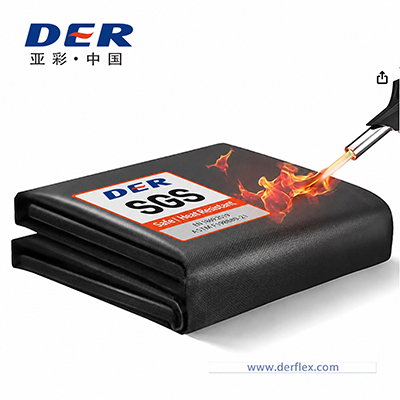
Silicone coated fiberglass fabric is commonly selected for the outer or cold face of removable insulation jackets because woven fiberglass provides dimensional stability while the silicone surface improves flexibility, handling durability, water/oil resistance and cleanability. For valves, flanges, steam lines, turbines and exhaust equipment, select the grade by the actual temperature reaching the fabric layer, coating side, repeated removal cycle, seam design and required test route—not by the temperature rating of bare fiberglass alone.
A removable insulation cover is a multi-layer assembly. Silicone-coated glass cloth is often used as the outside shell because it must survive maintenance handling, contamination and environmental exposure while remaining practical to cut and sew.
The inner or hot-face layer can have a different job. If the equipment surface or radiant load is higher than the selected silicone composite should see, the jacket designer may need a specialty hot-face textile or a different layer architecture. The insulation core, thread, closures and seam path also affect the finished product.
For the broader coating and material range, compare the dedicated silicone coated fiberglass fabric page before freezing a jacket specification.
The same “silicone fiberglass insulation fabric” description can cover very different constructions. Use the operating environment and finished-jacket geometry to decide what must be validated.
| Jacket Application | Starting Fabric Direction | Why Buyers Consider It | Confirm Before Ordering |
|---|---|---|---|
| Valve & flange covers | Flexible silicone-coated fiberglass; two-side coating is often evaluated for reusable handling. | Irregular shapes, frequent opening, pulling on closures and surface contamination require drape plus handling durability. | Surface temperature, removal frequency, oil/steam exposure, closure layout, seam radius and panel reinforcement. |
| Steam pipes & steam traps | Silicone-coated outer shell with weight and coating side selected around outdoor exposure and panel size. | Water, condensation, cleaning and repetitive maintenance can be as important as heat. | Fabric-layer temperature, condensation path, outdoor UV/rain, insulation thickness and drainage/seam design. |
| Turbine / exhaust equipment | Silicone outer face when the actual layer temperature fits the selected grade; dedicated hot-face layer may be required. | Large geometry, vibration, radiant heat and hot spots make a system-level review important. | Peak temperature, radiant load, vibration, direct contact, startup/shutdown cycle and hot-face material. |
| Chemical process equipment | Silicone-coated glass for general industrial exposure; compare PTFE-coated glass where chemical-facing behavior is a priority. | Coating chemistry changes cleanability, friction and chemical compatibility. | Exact chemical, concentration, splash/immersion, cleaning agents, temperature and seam construction. |
| Outdoor equipment jackets | Two-side silicone coating can be considered when both faces see moisture or repeated cleaning. | Weather exposure adds UV, rain, wind-driven water and contamination to the mechanical duty. | UV exposure, seam orientation, overlaps, drainage, wind movement, fastening and inspection interval. |
| Hot-work / defined fire route | Project-specific FR silicone-coated fiberglass direction. | Projects can require a defined flame test rather than a generic “fireproof” claim. | Exact ASTM / EN / DIN / NFPA / customer method, test scope, finished assembly and exposure type. |
Important: This is a procurement starting point, not a finished-jacket engineering approval. Final suitability depends on the selected grade, complete layer stack, seam design, thread, fasteners, insulation core and actual operating conditions.
These are DERFLEX purchasing directions already used for coated fiberglass programs. Final values should be confirmed on the approved material sample and technical data for the selected grade.
| Specification Item | DERFLEX Direction | Why It Matters for Jacket Converters |
|---|---|---|
| Base substrate | Woven fiberglass cloth; E-glass or project-matched fiberglass construction. | Controls drape, dimensional stability, thickness, textile strength and the thermal backbone of the composite. |
| Coating structure | Silicone rubber on one side or both sides; FR direction can be discussed when a defined test route is required. | Changes surface protection, cleanability, flexibility, coating mass and exposure from each face. |
| Total weight | Approx. 260–2000 g/m2 common project direction; other constructions can be reviewed. | Lighter structures can improve drape; heavier structures may suit larger covers or repeated handling. |
| Thickness | Approx. 0.25–3.0 mm depending on base cloth and silicone loading. | Affects stiffness, bend radius, seam bulk, folding, packing volume and surface durability. |
| Common widths | 1000 mm / 1200 mm / 1500 mm; other widths depend on grade, production route and order plan. | Width affects nesting, cutting yield, seam count, labor and material waste. |
| Color direction | Grey, red, black, white, yellow and project-defined color direction. | Useful for product coding, plant identification and OEM product ranges. |
| Temperature selection | Selected silicone-coated grades are commonly discussed around approximately 260°C continuous service; confirm exact grade and exposure. | The silicone surface can be the limiting layer even when the fiberglass substrate itself tolerates higher temperatures. |
| Supply form | Roll goods, cut pieces, slit widths or selected OEM conversion direction subject to project review. | Lets insulation jacket factories align material format with cutting, sewing, inventory and repeat production. |
Material selection is only useful when it survives the converter’s actual cutting, sewing, fastening and maintenance cycle.
Silicone coating can improve material-level water resistance, but sewing punctures, seams, closure zones and overlaps can still admit water. Outdoor jacket design should manage drainage and seam orientation.
The thread, stitch density and seam construction need their own temperature and mechanical review. A heat-resistant shell does not make ordinary thread suitable for the same exposure.
Heavier silicone loading can improve surface protection but may increase stiffness. Trial the material around small valves, tight flange corners and access flaps before locking a grade.
Straps, D-rings, buckles and access tabs create concentrated loads. The jacket pattern may require local reinforcement rather than simply increasing the weight of every panel.
A slightly different roll width can reduce seams and scrap on standardized jacket patterns. Share common cut dimensions so width can be evaluated together with material cost.
Record the approved base cloth, total weight, thickness, coating side, surface appearance, width, color, roll packing and any required test documentation before repeat production.
Coating side changes handling, surface protection, cost and the way the fabric behaves inside the finished jacket.
Can be considered when one face handles most moisture, oil, weather or abrasion exposure and the project prefers lower coating mass or greater drape. The uncoated face and its seam behavior still need to be reviewed.
Often evaluated for removable jackets that are folded, cleaned and reinstalled repeatedly, especially when either face may contact moisture or oil. More coating can also change stiffness, thickness and price.
For applications with a specified flame-retardant requirement, review a project-specific FR silicone coated fiberglass fabric grade and request the exact test method relevant to the final product.
No single coating is best for every jacket. Compare the role the fabric must perform, then validate the exact grade.
| Material Direction | Why Buyers Consider It | Typical Role in Insulation Products | Selection Caution |
|---|---|---|---|
| Silicone coated fiberglass | Flexible coated surface, handling durability, water/oil resistance direction and sewing compatibility. | Outer / cold face of removable jackets, blankets, valve covers and flange covers. | Confirm composite temperature, coating side, seam paths and repeated maintenance cycle. |
| FR silicone coated fiberglass | Same basic coated-glass logic with a project-specific flame-retardant direction. | Jackets or protective systems with a defined flame-test requirement. | “Fire resistant” is not one universal rating; match the exact method and finished assembly. |
| PTFE coated fiberglass | Low-friction release surface and strong resistance to many process chemicals. | Specialized outer layers or covers where chemical contact, clean release or low friction dominates. | Compare flexibility, sewing behavior and chemical/temperature combination. See PTFE coated fiberglass fabric. |
| Bare / specialty fiberglass | Heat-resistant textile reinforcement without a silicone surface. | Possible internal or hot-face direction depending on exact textile and exposure. | Fiber handling, abrasion, contamination, contact temperature and worker exposure need separate consideration. |
Converters and industrial insulation suppliers use coated fiberglass where maintenance access is required around hot or contamination-prone equipment.
Custom covers around irregular connection points where frequent inspection and service make permanent cladding inconvenient.
Reusable outer shells where heat-loss control, condensation management and maintenance access must be considered together.
Fabric systems around housings and service zones where vibration, larger panels and repeated removal influence material choice.
Removable thermal blankets for equipment that needs thermal control while preserving inspection, cleaning or repair access.
Flexible jackets where radiant heat, airflow and hot-face design can require different materials in different layers.
Bulk roll supply for converters producing branded thermal jackets, equipment covers and reusable insulation pad systems.
These are existing DERFLEX website images that can support product-image SEO, material explanation and buyer understanding. The hero image is loaded normally; below-fold gallery images use lazy loading.

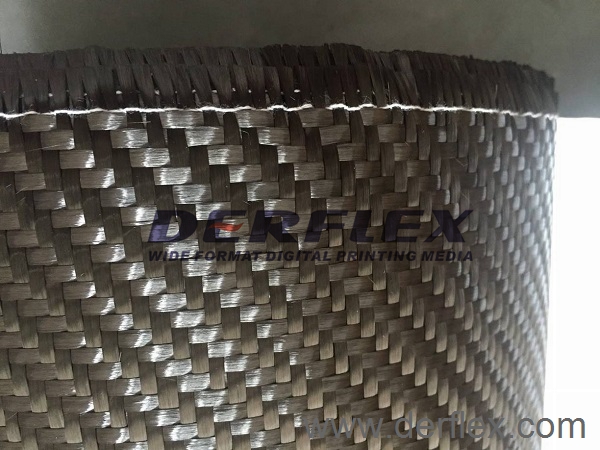
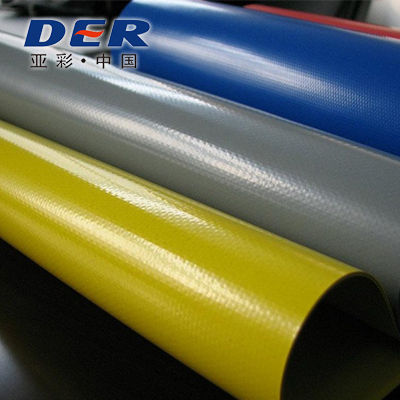
A technically useful RFQ separates the raw material name from the conditions the finished jacket must survive.
The silicone surface can have a lower continuous-use limit than the glass substrate. Specify the complete coated composite and actual exposure.
Coated fabric can resist water while seams, needle holes, closures and overlaps remain potential water paths.
Two fabrics with similar weight can differ in weave, coating amount, thickness, , drape, surface feel and sewing behavior.
Access flaps, sharp corners, straps and frequent removal can create local stress not represented by a simple tensile number.
Roll width affects panel yield, seam count and scrap. Share common cut sizes before freezing the commercial specification.
Flame, smoke and thermal test methods have different scopes. State the exact standard and acceptance criteria required by the project.
For insulation jacket factories, distributors and OEM thermal-protection brands, a successful sample is only the beginning. Bulk supply also needs the approved base cloth, coating side, weight/thickness direction, width, color, roll packing and conversion expectations to be recorded and checked consistently.
DERFLEX supports application review, project-based silicone coating direction, sample coordination, bulk roll supply and custom material programs. Buyers developing broader industrial textile products can also review DERFLEX technical coated fabric manufacturing capability.
Send: finished jacket/equipment type; outer-face or hot-face position; normal and peak temperature; direct-contact or radiant heat; indoor/outdoor exposure; oil, steam or chemical contact; target weight/thickness; coating side; width/roll length; color; sewing and fastener route; required test method; trial quantity; estimated bulk quantity; and destination.
Minimum production quantity, sample availability and lead time depend on the exact fiberglass construction, silicone formulation, width, color, coating side, documentation needs and current production plan. Confirm these items against the requested grade during quotation.
Short, direct answers are placed high in the page structure so buyers and search systems can identify the material-selection logic quickly.
Silicone coated fiberglass is a common outer/cold-face choice because it balances heat-resistant reinforcement, flexible fabrication, water/oil resistance direction and repeated handling. “Best” still depends on fabric-layer temperature, chemical exposure, jacket geometry and test requirements.
There is no universal number for every grade. Selected DERFLEX silicone-coated constructions are commonly discussed around approximately 260°C continuous service, while the fiberglass substrate itself can tolerate higher temperatures. Confirm the exact composite grade and exposure.
One-side coating can suit directional exposure or lighter, more flexible builds. Two-side coating is often evaluated for reusable jackets where both faces benefit from easier cleaning and better moisture/oil protection.
The fabric surface can be highly water resistant, but a sewn jacket has needle holes, seams, closures and overlaps. Finished-product water resistance must be evaluated as an assembly.
Not universally. PTFE is often considered when low friction, release or chemical resistance is more important; silicone is often preferred for flexible, grippy, sewable protective shells. Compare the actual service environment.
Send the equipment/jacket type, material layer position, temperature profile, environment, coating side, target weight/thickness, width, color, quantity, fabrication route, test requirement and delivery destination.
Procurement-focused answers for insulation cover manufacturers, industrial distributors and engineering buyers.
DERFLEX can discuss project-based customization for base fiberglass construction, silicone coating side, total weight, thickness, width, roll length, color, surface direction, packing and selected OEM conversion requirements. Feasibility depends on the final specification and order plan.
Not automatically. These jacket types can have different temperature profiles, bend radii, maintenance cycles, vibration, oil/steam exposure and hot-face requirements. A shared roll grade should only be used after the most demanding relevant condition is reviewed.
Yes, many silicone-coated fiberglass constructions are converted by cutting and sewing. The actual sewing method, needle, thread, stitch density, seam allowance and reinforcement zones should be trialed on the selected grade before bulk production.
DERFLEX has a separate FR silicone coated fiberglass material direction. For a project that requires a defined flame or fire test, provide the exact standard and acceptance criteria so the applicable grade and documentation can be reviewed.
Price can change with fiberglass base construction, silicone coating amount, one- or two-side coating, total weight/thickness, width, color, surface requirement, testing/documentation, quantity, packing and any additional conversion. Comparing only price per square meter can be misleading if the offered constructions are different.
MOQ and lead time vary by base cloth, coating structure, width, color, test requirements, sample route and current production plan. DERFLEX should confirm these for the exact requested construction rather than applying one fixed number to every jacket-fabric program.
Approve more than appearance. Record the base fabric, coating side, weight, thickness, width, color, surface, roll format, relevant test route and actual sewing/fabrication behavior. Use the approved reference and written specification to support repeat-order consistency.
Share your equipment or jacket type, fabric layer position, continuous and peak temperature, coating-side preference, weight or thickness, width, color, quantity, sewing method, required test route and destination. DERFLEX can review a practical silicone coated fiberglass fabric direction for sampling and quotation.