1
Continuous Service Temperature
The temperature a specific material grade is expected to tolerate over sustained operation under defined conditions. This is the most useful starting point for material comparison.



A coated fiberglass fabric does not have one universal temperature rating. The usable limit depends on the coating chemistry, fiberglass substrate, exposure time, heat direction, process media and the weakest part of the finished assembly. This guide helps industrial buyers compare silicone coated fiberglass temperature ratings, PTFE coated fiberglass working temperature and higher-heat material directions before sampling.
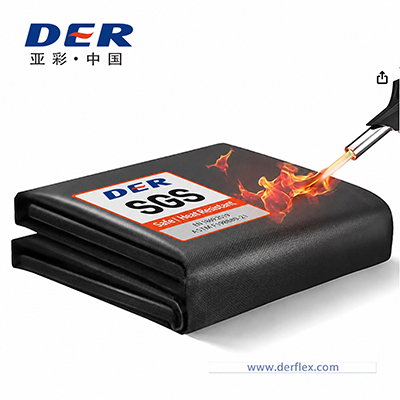
DERFLEX coated-fiberglass reference image. Final temperature, coating, weight, thickness, flame performance and application suitability must be confirmed for the ordered grade.
There is no single temperature rating for all coated fiberglass. Current DERFLEX material information discusses selected silicone-coated fiberglass constructions around approximately 230–287°C (446–549°F) continuous exposure at the silicone surface, while DERFLEX PTFE coated fiberglass is commonly selected for continuous heat exposure up to about 260°C / 500°F, depending on grade and process conditions. The fiberglass reinforcement may tolerate more heat than the polymer coating, so the coating, seams, thread, fasteners, adhesives and complete assembly can become the real limiting elements. Acrylic, vermiculite and high-silica directions should be confirmed by exact grade rather than assigned a generic DERFLEX number.
The coating often defines the practical continuous-use envelope even when the glass reinforcement itself remains structurally heat resistant.
Most specification errors begin when different temperature definitions are treated as interchangeable.
The temperature a specific material grade is expected to tolerate over sustained operation under defined conditions. This is the most useful starting point for material comparison.
A brief excursion may be acceptable for some grades, but peak value, exposure duration and cycle frequency must be stated. A peak number is not a continuous rating.
Hot gas, pipe wall or turbine casing temperature may be much higher than the coated fabric temperature when insulation, air gaps, liners or standoff distance are present.
Check the coated textile, uncoated fiberglass areas, thread, seams, edge binding, adhesive, grommets, buckles, clamps, liners, insulation and any other layer that can see heat. A raw-fabric data sheet is not automatically the rating of a finished insulation jacket, welding curtain, expansion joint, duct connector or equipment cover.
Values below distinguish current DERFLEX-published directions from material families that require exact-grade confirmation.
| Material Direction | Temperature Guidance | Why Buyers Choose It | Main Limitation to Check | Data Status |
|---|---|---|---|---|
| Silicone coated fiberglass | Selected DERFLEX constructions are commonly discussed around approx. 230–287°C / 446–549°F continuous silicone-surface exposure. | Flexible coated surface, handling durability, moisture/oil resistance, abrasion support, outdoor protective layers and repeated conversion. | Silicone chemistry can limit the composite before the fiberglass substrate. Confirm layer temperature, peak heat and exposure duration. | DERFLEX published direction |
| FR silicone coated fiberglass | Temperature is grade-specific. Flame-retardant formulation should not be interpreted as an automatic increase in continuous heat rating. | Protective curtains, jackets, covers and industrial components where a defined flame-performance test route is part of the specification. | Exact flame test, coating formula and temperature capability must all apply to the ordered grade. | Confirm exact grade |
| PTFE coated fiberglass | Commonly selected by DERFLEX for continuous heat exposure up to about 260°C / 500°F, depending on grade, contact pressure, cycle and process media. | Low friction, release, chemical-facing behavior, heat sealing, process belts, separator sheets, covers and fabricated seals. | Contact pressure, chemical media, dwell time, cleaning method, surface finish and any adhesive backing can alter practical limits. | DERFLEX published direction |
| Acrylic coated fiberglass | No single DERFLEX temperature number is assigned on this guide. Confirm by exact coating and application. | Project-specific curtain, spark/spatter barrier and coated fiberglass directions where manageable weight and surface protection are required. | Do not infer horizontal blanket or direct-flame suitability from a vertical curtain application. | Confirm exact grade |
| Vermiculite coated fiberglass | DERFLEX positions vermiculite as a higher-heat mineral-coated direction; exact temperature must be confirmed by the ordered construction and required evidence. | Selected hot-work curtains, thermal shields and protective layers where a mineral-coated surface is preferred over polymer coating. | Stiffness, fold behavior, abrasion, edge construction and actual heat-facing exposure. | Confirm exact grade |
| High-silica fabric (alternative, not a coating) | Considered when thermal demand is beyond the practical range of the selected standard fiberglass composite. Final rating is grade-specific. | Higher-temperature welding, heat shielding and specialty thermal protection. | Molten material, direct flame, mechanical duty, conversion method and finished-system validation. | Alternative material family |
A single number is useful only after these operating conditions are defined.
Direct contact, hot air, radiant heat, sparks, spatter and an insulated hot surface create different thermal loads even at similar measured temperatures.
Separate continuous operating temperature from startup peaks, shutdown events, intermittent flame and short contact with hot particles.
For one-side coated fabric, state the hot face. The coating and exposed fiberglass face may respond differently to heat, liquid and abrasion.
Oil, steam, acids, alkalis, solvents, condensate, cleaning agents, dust and ash can change the preferred coating even when temperature is acceptable.
Sewing thread, clamp zones, adhesives, closures and liners can become the lower-temperature component. Validate the complete converted product.
State the exact ASTM, EN, DIN, NFPA, customer or project test method. “Fireproof” is not a technical acceptance criterion.
This is an RFQ starting point for industrial buyers, fabricators and engineering companies—not a finished-system approval.
| Operating Situation | Starting Material Direction | Reason | Confirm Before Ordering |
|---|---|---|---|
| Flexible outer shell on removable insulation where actual outer-fabric temperature is within the approved silicone grade | Silicone coated fiberglass | Combines glass reinforcement with flexible coated handling, moisture/oil resistance and abrasion support. | Fabric-layer temperature, insulation design, removal frequency, sewing thread, closures, outdoor exposure and oil/steam contact. |
| Heat-sealing, release, low-friction or chemically exposed process surface | PTFE coated fiberglass | PTFE surface chemistry is useful for release, sliding, heat processing and chemical-facing applications. | Continuous heat, dwell time, pressure, chemicals, surface finish, anti-static need and adhesive backing. |
| Defined flame-performance requirement together with flexible silicone surface | FR silicone coated fiberglass | Allows the flame-retardant requirement to be discussed as part of the coating specification. | Exact test method, target value, report scope, temperature and whether the evidence covers the actual ordered construction. |
| Vertical spark/spatter curtain with moderate material weight and coated surface requirement | Acrylic-coated or other project-qualified coated fiberglass direction | Can suit selected curtain programs where handling and coating protection matter. | Orientation, hot-particle dwell time, curtain test requirement, edge reinforcement and hanging load. |
| Higher heat-facing duty beyond the approved polymer-coated fiberglass envelope | Vermiculite-coated fiberglass, high-silica or engineered multi-layer construction | Moves the heat-facing function toward a mineral or specialty high-temperature material family. | Exact grade, continuous/peak heat, direct flame, molten material, abrasion, layer architecture and finished-system validation. |
| Process-gas temperature is much higher than the desired outer coated fabric rating | Multi-layer thermal system | Insulation, air gaps or hot-face textiles can reduce the temperature reaching the coated outer shell. | Thermal profile at each layer—not only gas or equipment surface temperature. |
For converters, actual service performance is often controlled by fabricated details rather than the center of the roll.
The thread and stitch system must be selected for heat, load and cycling. A high-temperature fabric can still fail early if the thread softens or the seam sits directly in the hottest zone.
Fiberglass textiles can fray or expose fibers at cut edges. Trial hemming, binding or other edge treatment on the actual coated grade before approving bulk production.
An adhesive-backed PTFE or composite fabric may be limited by adhesive temperature before the PTFE or fiberglass is affected. Ask for the rating of the complete laminate.
Metal hardware may tolerate high heat, but concentrated loads around holes, straps and clamps can damage the fabric after heat aging. Reinforce stress zones where required.
Startup/shutdown cycles combine expansion, contraction and flexing. State cycle frequency instead of relying only on a steady-state temperature number.
Continuous operating temperature does not predict burn-through or molten-metal behavior. Use the exact finished-product test and orientation required for the hazard.
Use these currently published ranges as a starting point for the RFQ. Final tolerances and availability are confirmed against the exact grade.
| Silicone Coated Fiberglass | |
|---|---|
| Base substrate | Woven fiberglass; E-glass or project-matched construction |
| Coating | Silicone on one or both sides; FR direction can be reviewed |
| Published weight direction | Approx. 260–2000 g/m² across current DERFLEX programs |
| Published thickness direction | Approx. 0.25–3.0 mm depending on base cloth and silicone loading |
| Common width directions | 1000 / 1200 / 1500 mm; other widths depend on product route |
| Temperature direction | Selected grades commonly discussed around approx. 230–287°C continuous silicone-surface exposure; confirm exact grade |
| PTFE Coated Fiberglass | |
|---|---|
| Base substrate | Woven fiberglass; plain, satin or project-selected construction |
| Coating | PTFE impregnation / one-side / two-side / porous / high-release / anti-static directions |
| Published weight direction | Approx. 150–1300 g/m² depending on fabric and PTFE loading |
| Published thickness direction | Approx. 0.08–1.00 mm depending on grade |
| Supply formats | Rolls, sheets, slit rolls, adhesive-backed material, belt blanks or selected fabricated components |
| Temperature direction | Commonly selected for continuous heat exposure up to about 260°C / 500°F; confirm exact grade and process conditions |
All images below are hosted on DERFLEX.com. The hero image loads normally; below-fold images use lazy loading for page performance.
Useful for explaining why the coating can become the practical temperature-limiting layer in an otherwise heat-resistant fiberglass composite.

Shows how textile construction and surface treatment must be evaluated together.
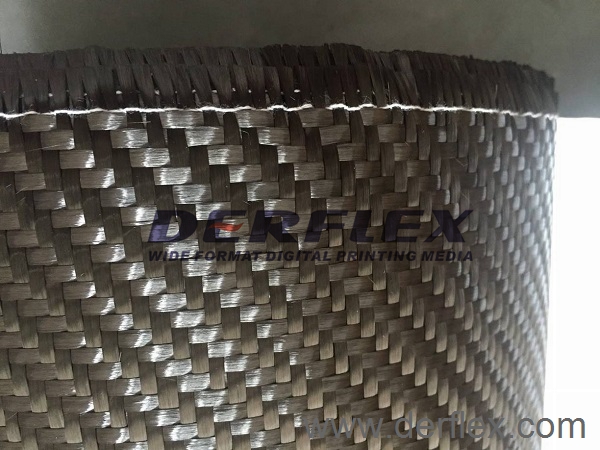
The glass textile provides the structural backbone, but the coating may have a lower continuous-use temperature.
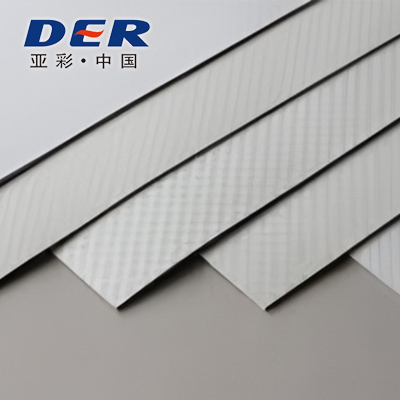
PTFE-coated glass is selected where release, low friction and chemical-facing behavior matter together with heat stability.
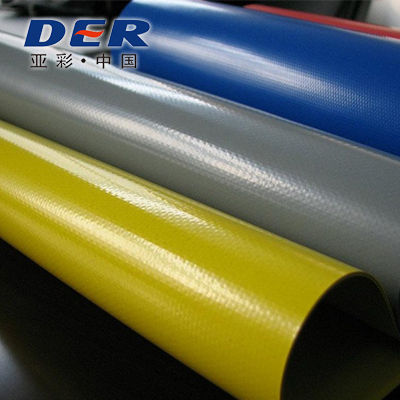
Coating chemistry changes the operating envelope even when the reinforcement family is similar.
The substrate can tolerate more heat than the silicone, PTFE, acrylic, adhesive or finish. Quote the complete composite, not only the glass fiber.
A short excursion does not prove long-term service capability. State peak duration and how often it occurs.
One-side coatings require clear hot-face orientation. The exposed face, seams and edges may see different thermal loads.
Flame-retardant performance and continuous service temperature answer different technical questions and can require different evidence.
Similar weight can hide different weave, coating loading, stiffness, flexing behavior and surface continuity.
The correct coating can change when heat combines with oil, solvent, acids, alkalis, steam or wet/dry cycling.
Cut, sew, fold, clamp, bind or laminate the sample using the actual converter route before mass production approval.
Send the equipment or process temperature anyway, but also explain the layer stack between the heat source and the coated fabric.
For an insulation jacket, provide the hot surface temperature, insulation type/thickness if known and whether the coated fiberglass is the outer shell. For an expansion joint, provide gas temperature plus liners and insulation. For a welding barrier, state orientation and working distance.
DERFLEX can review the material direction around the actual layer duty rather than treating one high number as the complete specification.
These six live DERFLEX pages separate material chemistry, flame direction, expansion-joint use, insulation conversion and broader coated-textile sourcing.
Direct answers for engineers, fabricators, industrial buyers and procurement teams.
There is no universal rating for every silicone fiberglass grade. Current DERFLEX information discusses selected constructions around approximately 230–287°C (446–549°F) continuous exposure at the silicone surface. The exact grade, peak temperature, exposure time, heat direction and finished assembly must be confirmed.
DERFLEX currently describes many PTFE coated fiberglass grades as commonly selected for continuous heat exposure up to about 260°C / 500°F. Actual suitability depends on grade, contact pressure, dwell time, process media, cleaning method and any adhesive or laminate added to the material.
It can be. In many coated fiberglass composites, the polymer coating becomes the practical limiting element before the glass reinforcement. That is why a base-cloth temperature number should not be used as the rating of the coated composite.
Not automatically. Two-side coating changes surface protecti, on, coating mass, handling, flexibility and protection from moisture or abrasion on both faces. It does not by itself change the silicone chemistry into a higher-temperature material.
FR and continuous temperature rating describe different properties. FR usually refers to flame-performance behavior under a defined test route. The continuous service temperature still needs to be confirmed for the exact FR silicone grade.
No. Use the temperature at the actual fabric layer whenever possible. Insulation, liners, air gaps, distance and radiant heat can make the coated fabric much cooler—or create local hot spots that are not obvious from the process temperature alone.
Do not simply use the fiberglass base rating. Review higher-heat mineral-coated fiberglass, high-silica textiles or a multi-layer assembly in which a hot-face layer and insulation keep downstream coated materials within their own approved envelope. Final grade and assembly testing are required.
“Fireproof” is too broad for an engineering specification. Heat resistance, flame spread, burn-through, molten spatter, smoke behavior and continuous service temperature are different properties. Define the required test method and acceptance criteria for the actual finished product.
Send DERFLEX your continuous and peak temperatures, heat source, layer position, chemical exposure, target coating, weight/thickness/width, converting method, required test route, quantity and destination. The team can review a practical silicone, PTFE or alternative high-temperature material direction for sampling.
Engineering boundary: This page is a material-selection and purchasing guide, not a finished-product engineering approval. Temperature capability, flame performance, chemical compatibility and system suitability must be validated for the exact ordered grade and completed assembly.