Seams & overlaps
Agree the welded-panel layout and check completed seams against the specified water-resistance and strength requirements. Orient field overlaps to shed water; avoid creating pockets that collect rain.
 News
News

Specify compost covers around the way your site actually works: pile stage, rainfall, access and repeated handling. DERFLEX supports custom PVC-coated polyester tarps for finished compost and suitable outdoor storage applications, with agreed panel sizes, welded seams and reinforced fixing details.
Start by separating rain protection from process aeration. An impermeable tarp needs a different operating plan from breathable compost fleece or an engineered membrane cover.
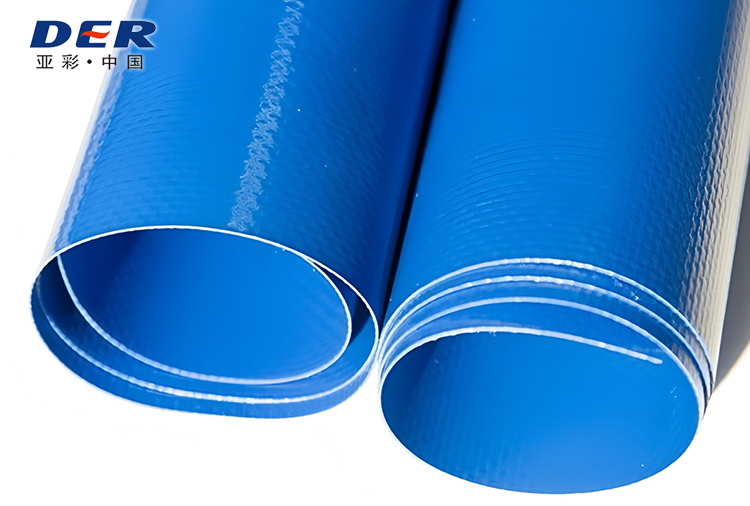
Compost tarp covers are removable sheets used to protect outdoor compost piles from weather and debris. Material choice depends on whether the pile is actively composting, curing or being stored as a finished product.
For finished compost, a well-fitted waterproof cover can limit incoming rain before screening, bagging or dispatch. For active piles, cover selection must follow the aeration method and monitoring plan. The same specification should not be carried automatically between these stages.
Define the process before the fabric. Standard PVC tarpaulin does not provide through-fabric ventilation. If the project requires a breathable windrow cover or a membrane integrated with forced aeration, specify that requirement at the start.
For wider farm-storage requirements, explore DERFLEX agricultural covering materials.
Choose by the pile's operating conditions. Water shedding and air permeability are separate properties.
| Pile / operating stage | Cover direction | Confirm before ordering |
|---|---|---|
| Finished compost storage | Custom waterproof PVC tarp where the priority is rain shedding and repeatable access. | Storage condition, moisture monitoring, drainage, fastening and loading access. |
| Cooling or curing pile | Review breathable fleece, a ventilated rain shelter or managed tarp use against actual pile conditions. | Residual biological activity, oxygen demand, moisture, contact temperature and inspection access. |
| Hot, active windrow | Evaluate a purpose-made breathable cover or a suitable roof arrangement if weather protection is needed. | Turning routine, heat release and air exchange. Do not assume tightly wrapped PVC is suitable. |
| Covered aerated static pile | Use the process supplier's specified membrane and aeration arrangement. | Airflow, pressure, vapor transfer, edge arrangement and system compatibility. PVC is not a like-for-like membrane replacement. |
Breathable compost fleece and semipermeable process membranes are also distinct products: their water-shedding behavior, air permeability and installation requirements differ. Ask for data for the exact material under consideration.
For an agreed waterproof storage application, PVC-coated polyester combines a reinforcing textile with a barrier coating. Select the complete construction and finished-cover details together; fabric weight alone does not describe the cover's field performance.
Specify tensile and tear requirements in both fabric directions and consider repeated folding and rough handling.
Confirm weather exposure, cleaning method, flexibility and the temperature at the cover surface. Pile-core temperature is not the same as fabric contact temperature.
Seams, edge build-up and fixing points must work with the chosen panel size and the site's handling plan.
See the underlying PVC tarpaulin material options before finalizing a finished-cover construction.
| Specification item | What the quotation should state |
|---|---|
| Supply format | Roll material for local fabrication or finished custom tarp panels. |
| Fabric construction | Base textile, coating, color and intended exposure conditions. |
| GSM / thickness | Agreed nominal values and tolerances for the selected construction; confirm with DERFLEX. |
| Finished dimensions | Developed cover size, panel count, overlap and measurement convention. |
| Seam layout | Weld arrangement, seam positions and agreed acceptance requirements. |
| Edge & attachments | Hem build-up, webbing or pockets, corner reinforcement and fixing locations. |
| Service conditions | Sun, ambient and contact temperatures, wind exposure, handling and cleaning agents. |
| Verification | Requested test reports for the quoted construction, sample approval and finished-panel inspection. |
| Commercial terms | Quantity, MOQ, sample scope, packing, delivery basis and lead time confirmed for the order. |
Measure the intended path of the cover up one side, over the crown and down the other. Record the maximum pile profile; ground width does not include the slopes.
Measure length along the pile, then define end drops, edge restraint and any required overlap. Agree whether the drawing shows finished tarp dimensions or cutting dimensions.
A single sheet reduces field overlaps but increases handling mass. Smaller sections can simplify access and replacement, while introducing more seams, overlaps and fixing decisions.
Use an approved drawing to coordinate custom panel sizes and attachment options.
Request details that match cover removal, inspection and the direction of restraint forces.
Agree the welded-panel layout and check completed seams against the specified water-resistance and strength requirements. Orient field overlaps to shed water; avoid creating pockets that collect rain.
Discuss reinforced hems, webbing, pockets and fixing-point positions. Spread restraint forces through the edge construction rather than concentrating them at a single eyelet. Wind exposure requires a site-specific restraint plan.
Plan the opening sequence, panel identification and clean storage area. Remove the cover before turning or loading unless the equipment and cover arrangement were specifically designed for that operation.
Review tarp fabrication and seam planning when converting a pile sketch into a production drawing.
A commercial compost yard, farm, landscape-material supplier or distributor can shorten specification discussions by answering these six questions. Cover price follows the material, developed area, fabrication and order scope.
Finished product, curing material or active feedstock; include the aeration method and any special process requirements.
Cross-pile measurements, length, end details, overlap zones, quantity and an annotated photo or drawing.
Climate, sun, wind, contact temperatures, organic residue and proposed cleaning products.
Removal frequency, available handling equipment, fixing positions and the site restraint arrangement.
Fabric sample, seam sample, size tolerances, strength requirements and any required documentation.
Rolls or finished covers, initial and repeat quantity, labeling, packing, destination and required schedule.
When comparing strength claims, use the tensile-versus-tear guide. For repeated handling, also review tear-resistant tarp selection.
Approve the whole system. A swatch helps assess fabric appearance and feel. Before a bulk release, also confirm a representative seam, edge detail and finished-panel drawing. Agree what evidence is needed for the selected construction.
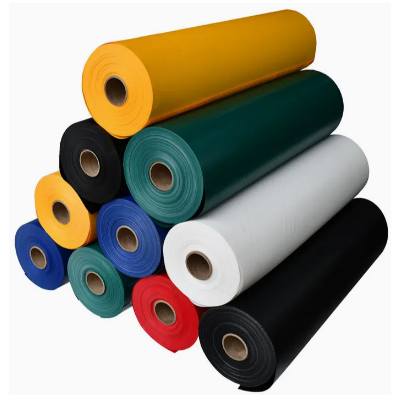
Discuss PVC-coated fabric rolls for your local converter or a finished tarp program with agreed dimensions, seams and edge construction.
Define colors, panel identification, reinforcement, attachment layout and OEM packing so repeat purchasing follows the approved specification.
Ask for the proposed construction, sample scope, MOQ, lead time and delivery basis. Compost-process membrane compatibility requires separate technical confirmation.
Clarify the material, operating stage and finished details before comparing quotations.
A waterproof tarp can shed rain from finished compost and selected curing or storage piles. Hot, actively composting material needs an appropriate oxygen and heat-management strategy; tightly enclosing it in impermeable PVC can interfere with that strategy. Confirm the composting stage and operating method before selecting the cover.
Breathable compost covers use permeable materials that allow specified air or moisture-vapor movement while shedding rainfall under their intended installation conditions. PVC-coated polyester is a waterproof barrier material and is not inherently breathable. Purpose-made compost fleece and process membranes must be specified by their own performance data.
Measure the developed distance over the pile from one intended cover edge to the other, then measure along the pile and across its ends. Add agreed allowances for edge fixing, access and panel overlaps. Ground footprint alone does not define the finished cover size; confirm all dimensions on an approved drawing.
There is no universal GSM for compost covers. Select the fabric using panel area, handling method, exposure, tear and tensile requirements, coating behavior and reinforcement design. A heavier sheet increases handling mass and does not, by itself, prove higher tear strength or longer service life.
A rain-shedding cover can reduce incoming precipitation, but it does not establish odor treatment or leachate containment performance. Odor control depends on the composting process and any dedicated treatment system; drainage, the working pad and liquid management require a separate site plan.
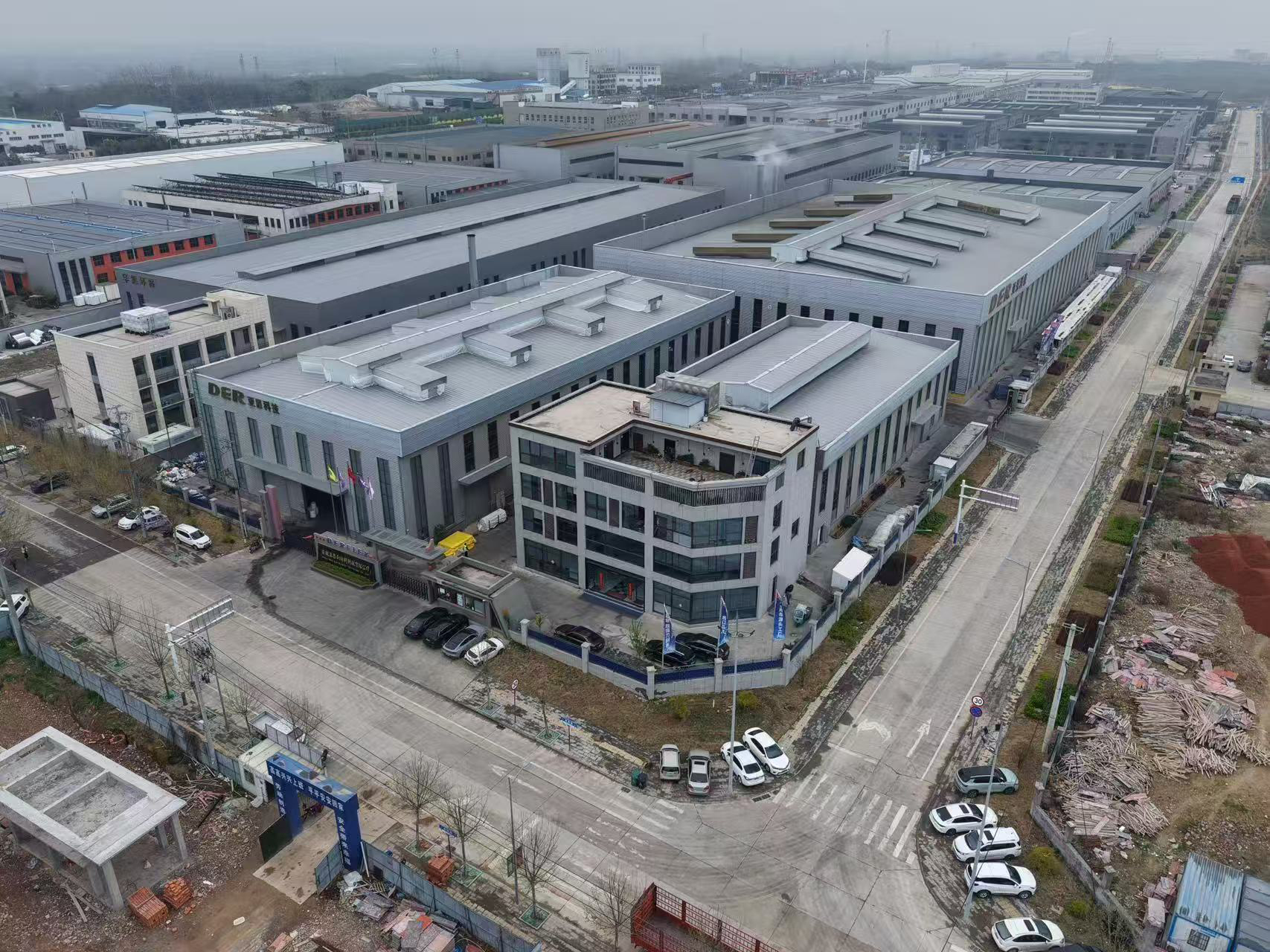
DERFLEX supports custom coated-fabric and finished-tarp programs with agreed sizes, welded panels, reinforced edges and attachment details. Price depends on material construction, developed area, panel count, seams, hardware, quantity and packing. Request confirmation of samples, MOQ and lead time for your exact specification and destination.
Technical background: Oregon State University Extension — Agricultural composting and water quality. See also Cornell Composting — Compost Physics for aeration and moisture fundamentals. These resources provide general guidance; they do not certify DERFLEX products.
Send the pile stage, developed dimensions, quantity, fixing plan and destination. Ask DERFLEX to confirm the material and fabrication scope for a custom compost tarp quotation.