 News
News

Custom Silicone Coated Fiberglass Fabric Manufacturer | DERFLEX
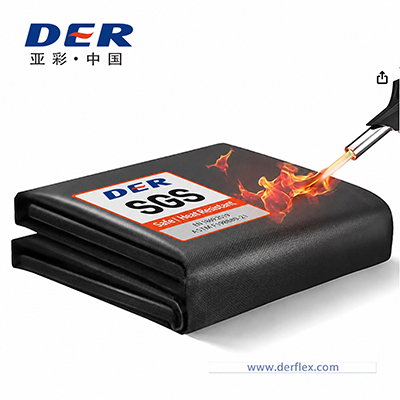
Custom Silicone Coated Fiberglass Fabric Manufacturer
Project-matched silicone rubber coated fiberglass fabric for converters, OEM brands, industrial distributors and engineering buyers that need more control over coating side, total weight, thickness, width, color, surface behavior and repeat-order consistency.
DERFLEX can review one-side or two-side silicone coating, fiberglass substrate, coating loading, FR direction, roll format and application-specific fabrication requirements for insulation jackets, fabric expansion joints, duct connectors, welding protection, thermal covers and other industrial textile programs.
What does “custom silicone coated fiberglass fabric” mean?
Custom silicone coated fiberglass fabric is not simply a standard glass cloth offered in a different color. For B2B production, customization can change the fiberglass base construction, silicone coating on one or both sides, coating loading, total weight, thickness, width, roll length, color, surface feel, flame-retardant direction, packing and converting format. The correct combination is selected around the finished product and the actual temperature, flexing, abrasion, moisture, oil, chemical exposure and fabrication method it will face.
Eight Variables a Manufacturer Can Change Before Bulk Production
The commercial value of a custom program is the ability to match the material to the converted product, then keep that approved structure stable for repeat orders.
Fiberglass Substrate
Woven fiberglass construction can be reviewed for drape, thickness, dimensional stability, textile strength and the mechanical duty of the finished part.
Coating Side
One-side coating can support directional exposure or lower coating mass; two-side coating protects both surfaces and can improve handling and cleanability.
Silicone Loading
Coating amount influences total weight, surface coverage, stiffness, abrasion behavior, thickness, bend performance and finished-material cost.
Weight & Thickness
Use GSM and thickness together with weave and coating amount. Two fabrics with similar weight can behave differently during folding, sewing or repeated flexing.
Roll Width
Width should be planned around panel nesting, seam count, cutting yield and converter equipment rather than chosen as an isolated catalog number.
Color & Surface
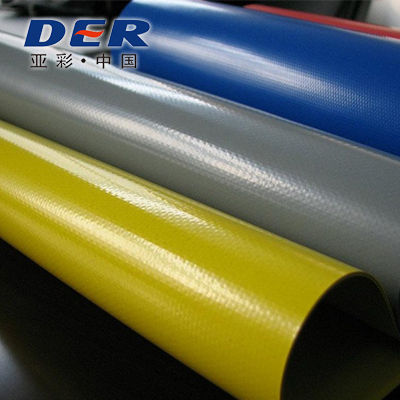
Red, grey, black, white, yellow and project-defined color directions can be discussed subject to coating formulation and production feasibility.
FR / Test Direction
When flame performance matters, define the exact required ASTM, EN, DIN, NFPA or customer method before sampling rather than asking for generic “fireproof fabric.”
Supply Format
Roll goods, slit widths, cut pieces and selected conversion directions can be reviewed so material supply fits the buyer's fabrication process.
DERFLEX Silicone Coated Fiberglass Fabric Purchasing Framework
These values are current DERFLEX published purchasing directions, not a guarantee that every combination is available. Final data should be frozen against the approved grade and technical documentation.
| Specification Item | Current DERFLEX Direction | What the Buyer Should Confirm |
|---|---|---|
| Product family | Silicone coated fiberglass fabric / silicone rubber coated fiberglass cloth / silicone coated glass fabric | Finished application and layer function. |
| Base substrate | Woven fiberglass; E-glass or project-matched fiberglass construction. | Drape, textile strength, dimensional stability, thickness and thermal role. |
| Coating structure | Silicone rubber on one side or both sides; FR direction can be reviewed for defined project requirements. | Which surface sees moisture, oil, abrasion, handling or required flame testing. |
| Total weight | Approx. 260–2000 g/m2 across current DERFLEX silicone-fabric programs. | Do not buy by GSM alone; compare weave, coating amount, stiffness and conversion behavior. |
| Thickness | Approx. 0.25–3.0 mm depending on fiberglass base and silicone loading. | Bend radius, sewing bulk, clamping, folding, drape and finished geometry. |
| Common widths | 1000 / 1200 / 1500 mm are common published directions; other widths depend on construction and route. | Cutting yield, seam reduction, converter machine width and roll handling. |
| Color direction | Red, grey, black, white, yellow and project-defined colors depending on formulation and order plan. | Color is not evidence of temperature or flame classification. |
| Temperature selection | Selected silicone-coated constructions are commonly discussed around approx. 230–287°C continuous silicone-surface exposure; exact grade must be confirmed. | Actual temperature at the coated fabric layer, peak duration, radiant heat and complete assembly. |
| Supply format | Roll goods, slit widths, cut pieces or selected OEM converted directions subject to review. | Sewing, cutting, splicing, clamping, grommeting, reinforcement or other fabrication route. |
From Custom Requirement to Repeatable Roll Specification
A useful manufacturer does more than quote a color and GSM. The production specification should connect application conditions with material construction and converter validation.
Which Silicone Fiberglass Construction Should You Evaluate First?
This matrix is an RFQ starting point for industrial buyers and converters. Final approval depends on the exact ordered grade, finished assembly and required validation.
| Operating Priority | Starting Direction | Why It May Fit | Confirm Before Ordering |
|---|---|---|---|
| Directional heat / moisture exposure with lower coating mass | One-side silicone coated fiberglass | Useful when one face takes most environmental or handling exposure and the reverse face can remain uncoated. | Uncoated-face behavior, orientation, seam path, edge exposure and actual layer temperature. |
| Repeated handling, folding, cleaning or exposure on both faces | Two-side silicone coated fiberglass | Balanced surface protection can suit reusable jackets, flexible components and fabricated parts handled from either side. | Stiffness, total coating mass, bend radius, sewing bulk and converter process. |
| Defined flame-retardant requirement | FR silicone coated fiberglass | Project-specific formulation direction where a specific flame test must be addressed. | Exact test method, report scope, finished-product requirement and direct-flame / spatter exposure. |
| High handling or abrasion duty | Higher-weight or higher-coating construction within an approved program | A more substantial construction can improve surface protection and handling durability. | Do not assume heavier is always better; verify flexing, drape, seam strength and clamp compression. |
| Chemical-facing, low-friction or release requirement | Compare PTFE coated fiberglass | PTFE may be more appropriate where chemical resistance, release and low friction dominate. | Media composition, condensate, surface requirement, coating grade and fabrication route. |
Custom Material Logic for the Main Industrial Conversion Routes
Removable Insulation Jackets
Silicone fiberglass is commonly evaluated for outer or cold-face shells where flexible handling, water/oil resistance, cleanability and repeated maintenance are important. Specify the actual temperature reaching the outer fabric—not only equipment surface temperature.
Fabric Expansion Joints
Movement, pressure, gas chemistry, condensate, particulate abrasion, seam/splice method and clamp geometry can be as important as temperature. Silicone fiberglass may be one functional layer in a multi-layer system.
High-Temperature Duct Connectors
For fans, blowers and rigid duct interfaces, specify hot-air temperature, pressure, vibration amplitude, movement frequency, connector geometry and edge attachment before freezing the roll material.
Welding Curtains & Blankets
Specify the welding process, orientation, working distance, spark/spatter severity and required test method. A silicone surface can improve handling, but it does not by itself define a welding safety class.
Power, Cement & Process Plants
Thermal cycling, dust, oil, steam, weather, chemical condensate and maintenance handling can shift the preferred coating side, fabric weight and layer architecture.
OEM Industrial Components
Technical textile brands and converters can build a repeatable custom program around width, color, roll length, surface, packing, documentation and conversion behavior after sample approval.
Is double-sided silicone coated fiberglass always better than single-sided fabric?
Single-Sided Silicone Coating
Short answer: choose one-side coating when the service exposure is directional or when lower coating mass, softer drape, flexibility or cost control is important.
- One protected working face
- Potentially lower total weight
- Can preserve more textile flexibility
- Useful when the reverse face has a different layer function
Double-Sided Silicone Coating
Short answer: choose two-side coating when both surfaces need coating protection, repeated handling, easier cleaning or balanced exposure resistance.
- Protected surfaces on both faces
- Useful for reusable fabricated products
- Can improve handling and contamination resistance
- May increase stiffness, thickness and cost
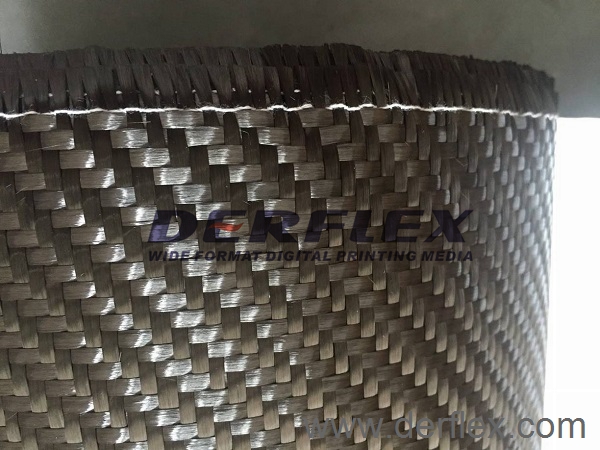
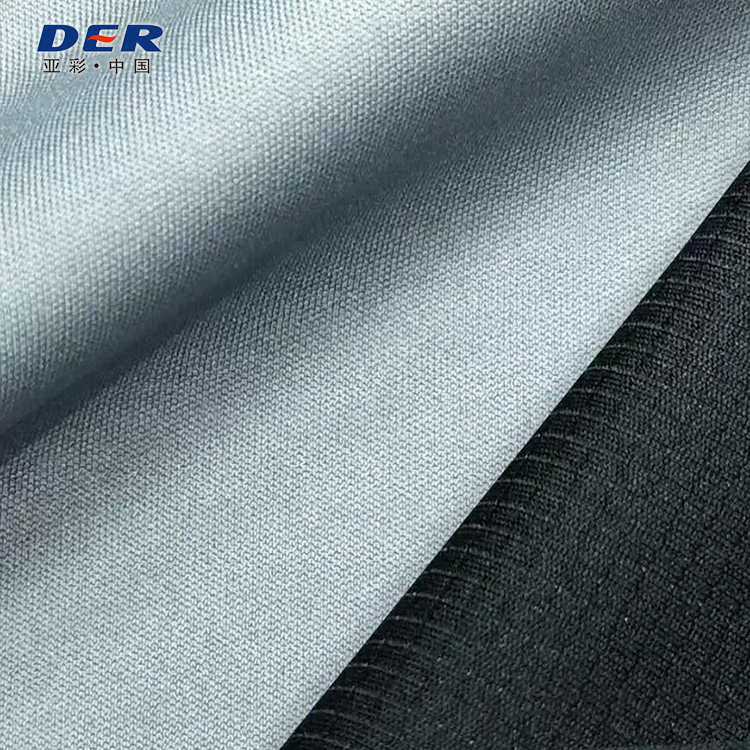
Real Coated-Fiberglass & Technical Textile Reference Images
All images below are hosted on DERFLEX.com. The hero image loads normally; below-fold images use lazy loading for page performance and Google Images context.

Five Details That Change the Real Performance of a Custom Grade
1. Fabric-Layer Temperature
Process gas, equipment surface and coated-fabric temperature are not always the same. Insulation, air gaps, liners, radiant heat and contact pressure can change the thermal load reaching the silicone surface.
2. Conversion Method
Cutting, sewing, splicing, clamping, grommeting and edge reinforcement create local stresses that a flat roll test does not represent. Trial the actual fabrication route before volume approval.
3. Width & Nesting
A technically suitable fabric can still create unnecessary cost if roll width produces excessive scrap or too many seams. Share common panel dimensions before freezing width.
4. Flexibility vs. Mass
More silicone and higher GSM can improve surface protection but may also increase stiffness and seam bulk. Flexible products must balance protection with bend and movement requirements.
5. Media & Cleaning
Oil, steam, chemicals, condensation and cleaning agents can change the preferred coating or layer architecture. Provide the actual contact media rather than assuming “chemical resistant” is universal.
Sample Approval Rule
Approve the exact base cloth, coating side, weight, thickness, width, color, surface, fabrication behavior and test scope as one specification. Do not approve by appearance alone.
Common Mistakes When Buying Custom Silicone Fiberglass Fabric
Buying Only by GSM
Weight does not reveal weave, coating loading, surface continuity, stiffness, thickness, bend behavior or seam performance.
Using Bare-Glass Temperature
The silicone layer can become the practical thermal limit even though the fiberglass substrate can withstand higher temperatures.
Calling Every Grade “Fireproof”
Flame, smoke, welding, molten-spatter and fire-system tests are different. State the exact method and acceptance criteria.
Ignoring the Finished Assembly
Seams, fasteners, insulation, clamps, overlaps, air gaps and adjacent layers can set the real service limit.
Choosing Width After Sampling
Late width changes can affect coating route, nesting, seams, lead time and cost. Include panel geometry in the first RFQ.
Skipping Converter Trials
A flat sample can look correct and still fail during sewing, repeated folding, clamping or production handling. Validate the intended process.
Why Use DERFLEX for a Custom Silicone Coated Fiberglass Program?
Current DERFLEX technical-fabric pages describe a manufacturing-led supply model focused on application review, project-specific roll specifications, sample coordination and repeat supply rather than stock-code selection alone.
20+ Years
Current DERFLEX technical pages describe more than 20 years of coated-fabric experience.
60,000 m2
Current product pages cite an integrated production area of approximately 60,000 square meters.
450+ / 25+
Current silicone-fabric pages cite 450+ full-time employees and 25+ senior engineers.
120+ Markets
Current coated-fabric pages describe supply to customers in more than 120 countries and regions.
Application-Based Review
Define heat, handling, movement, media, coating side, width and converter method before fixing the material direction.
Custom Roll Specification
Base cloth, silicone coating, total weight, thickness, width, color, roll length and packing can be discussed around the program.
Sample-to-Repeat Control
Approved material and conversion expectations can be recorded so repeat procurement does not depend on color or GSM alone.
What to Send a Silicone Coated Fiberglass Fabric Manufacturer Before Quotation
A complete first inquiry helps reduce sample cycles and lets the supplier recommend a construction that is closer to the real finished product.
- Finished product and industry
- Where the fabric sits in the assembly
- Normal continuous temperature at the fabric layer
- Short peak temperature, duration and radiant heat
- Moisture, oil, steam, chemicals or condensate
- Indoor / outdoor weather and UV exposure
- Movement, vibration or repeated folding cycle
- Target total weight or existing sample GSM
- Target thickness
- One-side or two-side silicone coating
- Required roll width and roll length
- Color and surface preference
- Cutting, sewing, splicing or clamping method
- Exact required test standard or customer specification
- Trial quantity and estimated bulk demand
- Packing, labels and destination
Continue the Coated-Fiberglass Selection
These six related DERFLEX pages support material comparison, application selection and temperature / fabrication decisions without creating duplicate keyword pages.
Custom Silicone Coated Fiberglass Fabric FAQ
Can DERFLEX customize silicone coated fiberglass fabric?
DERFLEX can discuss project-based customization for fiberglass substrate, one- or two-side silicone coating, coating amount, total weight, thickness, width, roll length, color, surface direction, packing and selected OEM conversion needs. Feasibility depends on the final construction, required testing and order plan.
What is the difference between single-sided and double-sided silicone coated fiberglass?
Single-sided fabric has silicone coating on one face and is useful when exposure is directional or lower coating mass is preferred. Double-sided fabric protects both faces and is often evaluated for reusable, folded, handled or contamination-prone products. Two-side coating can also increase total weight and stiffness.
What temperature can silicone coated fiberglass fabric handle?
There is no one temperature for every grade. Current DERFLEX information discusses selected silicone-coated constructions around approximately 230–287°C continuous exposure at the silicone surface, while the fiberglass substrate itself can tolerate higher heat. Confirm the exact grade, exposure duration, peak heat and finished assembly.
Can silicone coated fiberglass fabric be sewn?
Many silicone-coated fiberglass constructions can be cut and sewn, but thread, stitch pattern, needle spacing, overlap, local reinforcement and repeated flexing can control the strength of the finished seam. Trial the actual production method on the selected grade.
Is heavier silicone fiberglass always more durable?
No. Higher weight can add coating or textile mass and improve handling protection, but it can also increase stiffness, bend resistance and seam bulk. Durability depends on weave, coating amount, thickness, movement, abrasion, temperature and fabrication—not GSM alone.
How does silicone coated fiberglass compare with PTFE coated fiberglass?
Silicone fiberglass is commonly evaluated where flexible handling, grip, abrasion support, moisture/oil resistance and sewing-friendly protective surfaces are important. PTFE fiberglass is often evaluated where release, low friction and chemical-facing behavior dominate. The correct choice depends on the service environment and layer function.
What affects the price of custom silicone coated fiberglass fabric?
Price changes with fiberglass construction, silicone formulation and loading, coating side, total weight and thickness, width, color, surface specification, required testing, quantity, packing and any further processing. Comparing only price per square meter can be misleading when the underlying constructions differ.
What information should I provide for an accurate quotation?
Provide the finished application, fabric-layer temperature, peak heat, exposure media, movement or handling cycle, target weight/thickness, coating side, width, color, fabrication method, required test route, trial quantity, expected bulk demand and destination. A drawing, existing TDS or failed-sample photo can improve the review.
Build the Specification Around the Product You Need to Manufacture
Send DERFLEX the finished application, fabric-layer temperature, coating side, target weight or thickness, width, color, fabrication method, required test route, quantity and destination. The team can review a practical custom silicone coated fiberglass fabric direction for sampling and quotation.