 News
News

Tarp Samples, MOQ, Pricing, Lead Time & Inspection | DERFLEX
 Industrial Tarp Procurement Guide
Tarp Samples, MOQ, Pricing, Lead Time & Inspection
A tarp quotation becomes useful only when the sample standard, minimum order quantity, price basis, production clock and shipment inspection all refer to the same specification. This guide shows importers, distributors, OEM brands and industrial buyers how to connect those five decisions before placing a bulk order.
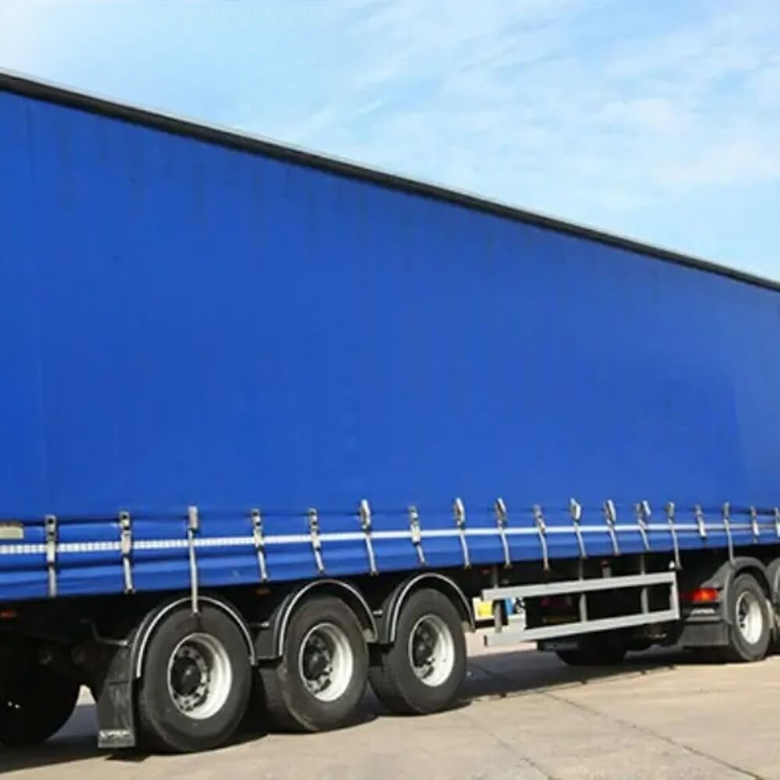
Samples
Choose the sample level that proves the decisions you actually need to make.
MOQ
Define the minimum by color, specification and production route—not by one generic number.
Pricing
Compare identical specifications, quantity breaks, packing and Incoterms.
Lead Time
Know what event starts the production clock and which stages sit outside it.
Inspection
Release the shipment against controlled documents, measurable limits and evidence.
Do not negotiate each commercial term in isolation.
Industrial tarps are often customized at several levels at once: base fabric, coating weight, GSM or thickness, color, surface finish, finished dimensions, welded seams, hems, reinforcement, grommets, webbing, printing and packing. Every added variable can affect sampling, minimum order quantity, unit cost and production planning.
That is why a low headline MOQ or a short headline lead time is not enough to qualify a supplier. A more useful buying process freezes the technical scope first, then makes the commercial terms traceable to that scope. The buyer can then compare quotations on equivalent terms and give the inspector a clear standard for shipment release.
DERFLEX supports PVC coated tarpaulin rolls, cut panels and finished custom tarp programs. The practical objective is not to promise one MOQ or one delivery time for every product; it is to make the conditions behind the quotation visible before the purchase order is confirmed.
One bulk tarp order, five control gates
Use each stage to remove a different uncertainty. The next step should begin only when the previous decision is documented well enough to support it.
Define & Sample
Align application, material, construction, dimensions, finish, performance and the sample level required for evaluation.
Output: approved referenceConfirm MOQ
State the minimum by color/specification and identify which custom inputs create the production minimum.
Output: orderable quantityNormalize Price
Compare the same specification at the same quantity breaks, packing method and Incoterm.
Output: comparable offerLock Schedule
Identify material preparation, production slot, inspection window, packing, booking and expected shipment date.
Output: dated timelineInspect & Release
Check the final lot against the PO, drawing, technical data, approved sample, packing files and agreed sampling plan.
Output: release evidenceAsk for the sample that answers the next purchasing question.
A small fabric swatch can confirm hand feel and surface finish, but it cannot prove finished dimensions, seam construction, reinforcement or packing. Sampling should become more production-representative as commercial risk increases.
Useful for: color direction, coating appearance, texture, flexibility and initial material screening.
Does not prove: finished-tarp workmanship, size tolerance, hardware layout or repeat-production setup.
Useful for: custom shade, gloss or matte level, printing direction and surface treatment review.
Control point: identify the color standard, viewing condition and approved revision.
Useful for: weld or seam style, hem build, webbing, grommet setting, corner patch and printed detail.
Control point: record material code and construction dimensions beside the physical sample.
Useful for: fit, finished size, geometry, component placement, folding, packing and customer presentation.
Control point: approve together with drawing, tolerances, BOM and workmanship criteria.
Useful for: repeat programs where the approved appearance and construction must remain traceable to future orders.
Control point: identify item code, revision, approval date and retained references held by buyer and factory.
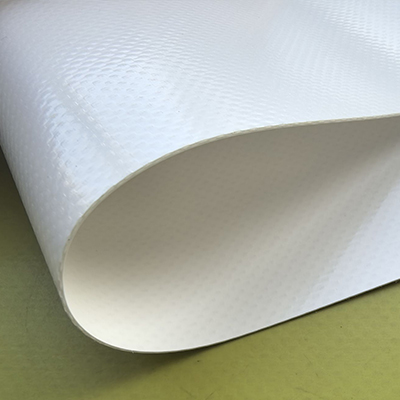
Sample approval is not a substitute for a specification.
Use the physical reference together with measurable material data, dimensions, tolerances, construction notes and an inspection plan. Normal manufacturing variation should be judged against agreed limits—not against memory.
What is the MOQ for a custom tarp order?
MOQ is a production-planning figure, not a universal property of “tarps.” It changes with material route, color, width, formula, finished construction, accessories and packing.
A common DERFLEX bulk reference
For PVC tarpaulin sourcing, about 1,000 square meters per color or specification can be used as a common commercial reference. Selected standard-material trial quantities may be discussed at lower volumes, while custom colors, widths, functional formulas or finished tarp programs can require a different minimum.
The quotation should state what the MOQ applies to: one color, one material code, one finished size, one print version, one packing format or the total combined order.
Useful baseline for a commercial MOQ discussion on one frozen specification.
Shows the effect of larger setup absorption and more efficient packing.
Useful for distributors, converters and repeat-use programs with forecast demand.
Helps evaluate container planning, production scheduling and program pricing.
Why two tarp prices cannot be compared until the scope is normalized
Roll material, cut panels and finished tarps are different commercial products. The lowest number on a quotation may simply exclude fabrication, accessories, packaging, inspection or destination costs that another quote includes.
Material construction
PVC coating or lamination route, polyester yarn, weave/density, GSM, thickness and roll width.
Color & surface
Standard or custom color, gloss/matte finish, embossing, lacquer and printing requirements.
Functional treatment
UV, flame-retardant, cold-flex, abrasion or other project-specific performance requirements.
Finished fabrication
Cutting, welded/sewn seams, hems, webbing, corner patches, grommets, D-rings, straps and accessories.
Quantity & yield
Order quantity, size mix, material utilization, seam overlap, process loss and short-roll/quantity tolerances.
Packing & delivery basis
Individual packaging, private label, cartons, pallets, export marks and EXW/FOB/CIF/DDP scope.
Compare the cost that reaches your receiving door—not only the factory unit price.
Use the same specification, quantity breaks, packing method and Incoterm for every supplier comparison. For finished covers, request a per-piece quote when fabrication and hardware make a simple square-meter calculation misleading.
Ask what starts the clock before asking how many days it takes.
A credible custom tarp schedule separates specification approval, material preparation, bulk production, inspection/packing and logistics. If the supplier gives only one number, ask what is included and excluded.
Specification freeze
Application, material code, color, dimensions, construction, artwork, packing and order quantity are approved.
Material preparation
Stock confirmation, custom color/formula, base cloth, coating route, accessories or special components are arranged.
Bulk production
Coated fabric production and/or cutting, welding, sewing, reinforcement, hardware and printing are completed.
Inspection & packing
Final lot is checked against the agreed controls, then packed, marked and prepared for shipment release.
Booking & transit
Export booking, port movement, ocean/air transit, customs and inland delivery should be planned separately from factory production.
Inspect the shipment against controlled evidence, not a vague promise of “good quality.”
For custom tarps, final inspection should confirm product identity, critical dimensions and construction, workmanship, packing and the evidence required for shipment release.
Order & lot identity
PO, SKU, size/color variants, quantity, production batch and material code.
Material & finish
Nominal GSM/thickness, surface, color, coating appearance and applicable reports.
Finished dimensions
Length, width, side drops, pockets, flaps, cut-outs and agreed tolerances.
Seams & reinforcement
Weld/seam route, overlap, hems, webbing, patches and local wear protection.
Hardware layout
Grommets, D-rings, straps, buckles, hooks and accessory quantity/position.
Branding & labels
Logo revision, print position, labels, barcodes, assortment and market information.
Packing readiness
Fold method, bags/cartons, marks, weights, palletization and shipping documents.
Inspection evidence
Sample selection, raw measurements, defect register, photos, tests and decision.
Pass, hold or rework should be a controlled decision.
A random inspection supports a lot decision under the agreed sampling plan; it does not mean every unit has been checked or that laboratory properties have been proven onsite.
Different buyers focus on different risks, but the control logic is the same.
Importers & wholesalers
Need clear quantity breaks, container planning, landed-cost comparison, repeatability and shipment documentation.
OEM & private-label brands
Need approved samples, artwork control, labeling, cartons, consistent appearance and traceable revisions.
Fleet & industrial users
Need fit, reinforcement, hardware, service conditions and reliable replenishment of the same construction.
Project procurement teams
Need drawings, technical requirements, inspection evidence, delivery windows and controlled deviations.
Send enough information to get a quote that can survive procurement review.
The fastest route to a useful tarp price is not a shorter email. It is a clearer specification.
Include these items in your tarp RFQ
- Application and operating environment
- Roll material, panel or finished tarp format
- Target material family and construction
- GSM / thickness / yarn or performance target
- Finished dimensions or controlled drawing
- Color and surface finish
- Welded/sewn seams and hem construction
- Webbing, patches and reinforcement zones
- Grommet / D-ring / strap / hardware layout
- Logo, print, label and barcode files
- Quantity ladder and annual forecast
- Individual pack / carton / pallet requirements
- Destination and preferred Incoterm
- Required sample level and approval target
- Inspection, testing and report requirements
- Target shipment or receiving window
What DERFLEX can return in a quotation-ready discussion
Depending on the project, the commercial review can connect material selection, sample route, MOQ basis, quantity-tier pricing, fabrication scope, packing, delivery term and quality-control requirements in one sourcing path.
- Clarification of what the MOQ applies to
- Alternate standard-material route where practical
- Roll versus finished-tarp quotation basis
- Sample cost/freight and approval route by project
- Production schedule after technical review
- Pre-shipment inspection requirements before release
Continue from commercial terms into sample, quality and document control.
These six internal resources deepen the exact decisions covered on this page without repeating the same procurement overview.
Tarp samples, MOQ, price, lead time and inspection questions
Can I get a tarp sample before placing a bulk order?
Sample options can be discussed according to the project, material availability and customization level. Depending on what needs to be verified, the route may use a material swatch, color or finish reference, fabrication detail panel, existing reference product or production-intent finished tarp. Sample cost, freight, lead time and required testing should be confirmed in the quotation.
What is DERFLEX's MOQ for PVC tarpaulin?
A common wholesale reference is about 1,000 m² per color or specification. Selected standard-material trials may be discussed at lower quantities, while custom colors, widths, functional formulas or finished tarp programs can require a different minimum. The final MOQ should be written beside the exact specification and packing scope.
How should I compare wholesale tarp pricing from different suppliers?
Freeze one technical specification and ask each supplier to quote the same quantity breaks, packing method and Incoterm. Confirm whether sample, tooling, printing setup, testing, pallets, inspection, freight and destination charges are included. For finished tarps, compare the total cost per conforming piece or the delivered cost for the same program rather than relying only on a material price per square meter.
What affects custom tarp lead time?
Lead time can change with stock versus custom material, color/formula development, width, order quantity, finished-tarp complexity, artwork approval, accessories, testing, inspection and current line loading. Ask the quotation to state what event starts the production clock and separate factory production from international transit.
When should pre-shipment inspection take place?
The final lot should be sufficiently complete and accessible to select representative samples and verify packing, while still leaving time for sorting, rework or re-inspection if needed. The exact readiness rule, lot definition and shipment cutoff should be agreed before the inspection date.
Does a passing random inspection mean every tarp is defect-free?
No. Random inspection evaluates a defined sample and supports a lot decision under the agreed sampling plan. It does not inspect every unit or replace laboratory verification for properties that cannot be confirmed onsite. Critical features can be assigned tighter checks or selected 100% verification when the purchase agreement requires it.
What should be approved before I pay a deposit for a custom tarp order?
At minimum, confirm the ordered product definition, material and construction, dimensions/tolerances, fabrication and hardware, color/artwork, quantity and MOQ basis, price and Incoterm, packing, sample status, production schedule trigger, inspection requirements, payment terms and the documents that control the order.
Turn your tarp requirement into a comparable commercial offer.
Send the application, material target, GSM or thickness, size/drawing, color, quantity breaks, finishing details, packing, destination and inspection needs. DERFLEX can review the production route and discuss sample, MOQ, pricing and schedule on one controlled basis.