
Is it the ordered product?
Match item code, material, color, finish, size, components, artwork revision and packaging configuration to the controlled order.



A finished tarp should not be released because it “looks close” to the sample. Verify the shipment against the purchase order, controlled drawing, material specification, approved construction, packing files and an agreed sampling plan—then keep the measurements, defects and photos that support the decision.
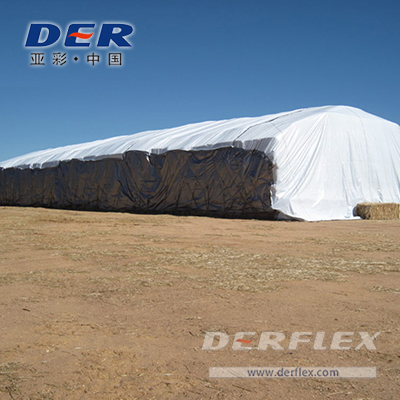
The job of final inspection
A generic product checklist can confirm cartons and appearance. A custom tarp inspection must also test whether the supplied cover matches the load-bearing details, measurements and material definition that made the approved sample acceptable.
Match item code, material, color, finish, size, components, artwork revision and packaging configuration to the controlled order.
Measure the agreed critical-to-quality points: finished size, feature position, seams, hems, reinforcement and hardware layout.
Define the inspection lot and select units across cartons, sizes, colors and production groupings instead of choosing convenient pieces.
Keep raw measurements, defect counts, photographs, packing verification and the authorized decision—not only a one-word result.
PSI is a control gate, not a retroactive specification. Finished goods cannot be judged objectively if the PO never defined the material, dimensions, tolerances, defect classes, sampling rule, test method or approved visual reference.
Before the inspector arrives
Send the same current documents to the factory, buyer and third-party inspector. Old drawings, unapproved color photos and vague phrases such as “export quality” create conflicting acceptance criteria.
The pack should identify the revision and explain which source controls when documents appear to conflict.
Many pre-shipment programs inspect when production is approximately 80–100% complete and final packing is sufficiently advanced. The practical rule is that the lot must be identifiable and accessible, while enough time remains for sorting, rework or re-inspection.
Printable buyer tool
Use the checkboxes as a planning aid and attach the order-specific limits. A checked box means the point was reviewed; it does not replace the recorded result, defect count or photograph.
Tarp-specific measurement matrix
Two inspectors can obtain different answers if one stretches the tarp, measures a cut edge instead of the finished hem, checks thickness at a reinforcement, or counts hardware from a different starting point. Define the condition before comparing values.
| Inspection point | What to compare | Practical measurement direction | Evidence to retain | Typical risk if omitted |
|---|---|---|---|---|
| Finished length & width | Approved drawing, finished-size definition and tolerance | Lay flat on a suitable surface; use the agreed tension, edge reference and temperature/conditioning rule. | Actual values by sample, method note and photo of tape placement | Cover does not fit, overlap or reach attachment points. |
| Material weight / thickness | Technical data sheet and production material code | Use the agreed specimen method or calibrated gauge; avoid seams, folds and reinforced zones unless they are the target. | Individual readings, average where required, device ID and material batch | Wrong grade, uneven coating or misleading single-point reading. |
| Seam or weld construction | Seam map, process route and overlap requirement | Measure overlap at defined locations; visually check continuity and perform only the agreed onsite strength/water check. | Close-up photos, measured overlap and test result/failure mode | Open seam, leakage or load transferred across a weak joint. |
| Hem & reinforcement | Cross-section detail, fold width, webbing and patch schedule | Check layer presence, width, position, termination and attachment on corners and other critical stress zones. | Inside/outside photos and readings at specified checkpoints | Edge opens or hardware pulls through under tension. |
| Grommet & hardware layout | Hardware bill, spacing schedule and datum drawing | Confirm count, center-to-center spacing, edge distance, diameter, orientation and reinforcement alignment. | Layout photo, sample readings and component identification | Tie-down mismatch, uneven loading, missing accessories or sharp fittings. |
| Color, print & label | Approved physical/digital reference and artwork revision | Compare under the agreed light or instrumental method; check correct face, orientation, size and location. | Reference ID, comparison photo, reading where specified and barcode scan record | Mixed branding, wrong variant or rejected retail/OEM packaging. |
| Packing configuration | Approved fold diagram, pack specification and shipping marks | Open sampled cartons, verify unit count and protection, then review sealed carton, pallet and assortment controls. | Open-pack and closed-pack photos, count, dimensions and weight | Transit damage, moisture, receiving errors or incorrect container planning. |
The measurement directions above are a planning framework. The order-specific method, equipment, tolerance and number of readings should be agreed before production.
Sampling without false certainty
ISO 2859-1:2026 defines acceptance sampling plans for inspection by attributes. AQL is an index used with the chosen plan; it is not a promise that the entire shipment contains no more than a stated percentage of defects.
The purchase documents should state which lot is being judged, how the sample is selected, how defects are classified and who can authorize release. For a small, high-risk or heavily customized order, the buyer may choose tighter sampling or selected 100% checks for critical features.
Defect classification starter
The examples below are not universal verdicts. Convert them into an order-specific defect list that reflects the tarp application, destination requirements, field load and customer promise.
A nonconformity that could create an unacceptable safety hazard, prohibited condition or serious regulatory/identity issue.
A nonconformity likely to prevent normal use, cause early failure, trigger customer rejection or make the unit materially different from the order.
A workmanship variation that does not materially reduce intended function, safety or commercial identity but is outside the approved appearance standard.
A functional-looking unit can still be nonconforming. Wrong carton marks, mixed sizes, an outdated label, missing traceability or an unapproved material substitution may create substantial commercial risk even when the tarp itself appears intact.
Inspection evidence pack
A report should let a buyer reconstruct what was available, which units were selected, how measurements were made and why the lot passed or failed. A gallery of attractive product photos is not a complete inspection record.
PO, item code, revision, quantity, production/packing status, lot identity, factory, date and inspector.
Lot size, inspection level, sample size, carton selection, variant distribution and acceptance/rejection plan.
Individual finished-size, hardware-position, material or pack readings with units, limits and equipment.
Unit identifier, defect class, location, quantity, description, photograph and reference to the acceptance rule.
Test instruction, sample, equipment, settings, observation, actual result and any destructive-test replacement status.
Unit pack, assortment, carton marks, labels, barcodes, dimensions, weights, palletization and loading readiness.
Required material or batch reports, declarations, packing list and other agreed shipping records.
Result, open issues, containment, rework, re-inspection requirement and named buyer release authority.
Close the release loop
The inspector reports findings against the instruction. The purchase contract should identify who can authorize shipment and how deviations, rework or re-inspection are handled.
The sampled lot meets the agreed acceptance plan and no unresolved shipment-blocking issue remains.
The result needs clarification, missing evidence, an approved deviation, additional checks or contained rework before release.
The sampled lot exceeds the rejection condition or contains a shipment-blocking nonconformity under the agreed plan.
DERFLEX custom tarp support
DERFLEX works with PVC coated fabric rolls, cut panels and finished custom tarp programs. For project and OEM supply, the useful starting point is a controlled brief that connects material selection to finished construction, hardware, branding, packing and agreed verification.
Continue the sourcing workflow
These six internal resources connect pre-shipment inspection to product selection, document control, measurement, sample approval and defect prevention.
Buyer FAQ
The inspection should occur after production is substantially complete and enough goods are packed to select representative samples from the final lot. Many programs use an 80–100% production-complete window, but the exact readiness rule and shipment cutoff should be written into the purchase order or inspection instruction.
No. A random inspection evaluates a defined sample and supports a lot decision under the agreed sampling plan. It does not inspect every unit or replace laboratory verification of properties that cannot be confirmed onsite.
There is no single AQL that is correct for every tarp order. The buyer and supplier should agree the lot definition, inspection level, AQL values, defect classes and acceptance or rejection numbers according to product risk, application, order history and contractual requirements.
Examples can include finished dimensions outside the agreed tolerance, incorrect material or color, an open weld, missing reinforcement, missing or wrongly positioned hardware, significant leakage where waterproof construction is required, or packaging that does not protect the product. The approved defect list should define the order-specific classification.
Provide the purchase order, approved drawing, technical data sheet, sample or color reference, bill of materials, size and hardware schedule, artwork, label and packing files, sampling plan, defect list, onsite test instructions and any required test reports.
The shipment should remain on hold while the buyer reviews the report. Depending on the findings, the parties may sort affected units, rework the lot, replace nonconforming goods, perform additional testing or arrange re-inspection. The buyer or authorized release party should approve shipment only after the agreed corrective action is verified.
Send DERFLEX the application, material target, finished drawing, reinforcement and hardware details, quantity, packing requirements and preferred inspection plan. The team can discuss a practical specification and quotation route for rolls, cut panels or finished covers.