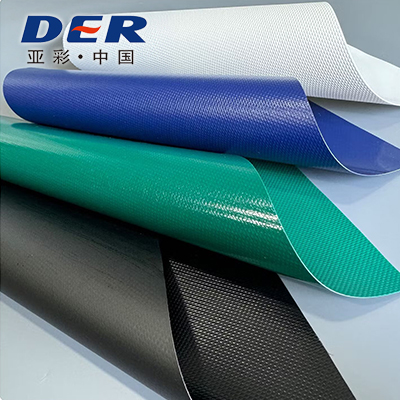
Material Swatch
Useful for checking color direction, surface texture, gloss or matte finish, opacity, flexibility and general hand feel. A swatch does not confirm finished size, seam construction, reinforcement or hardware placement.
Yes. A material swatch, construction sample or production-intent tarp can be reviewed before volume manufacturing, depending on the project. The stronger question is how the approved sample will be converted into measurable instructions for the full order.
DERFLEX connects sample approval with a controlled specification, first-off verification, process checks and pre-shipment inspection. The objective is repeatable conformity within agreed tolerances—not an unrealistic promise that every manufactured unit will be microscopically identical.
A sample alone cannot guarantee a consistent shipment. The reliable route is to approve a production-intent golden sample, identify it by item code and revision, attach it to a written technical specification, define acceptable variation, and use the same control pack during production and final inspection. This turns “same as sample” from a subjective request into a verifiable purchase requirement.
Before approving anything, confirm what the sample represents and whether it was made with the materials and processes intended for bulk production.
Useful for checking color direction, surface texture, gloss or matte finish, opacity, flexibility and general hand feel. A swatch does not confirm finished size, seam construction, reinforcement or hardware placement.
A smaller welded or sewn panel can show hem width, overlap, webbing, corner reinforcement, grommet installation, D-rings, straps and print execution without producing a full-size tarp.
The final approved reference should use the confirmed material, components, fabrication method, artwork and packing direction intended for normal production. It becomes the visual and construction benchmark used with the specification and inspection checklist.
A highly finished sample created by a specialist sample team may not represent normal line capability. For a critical custom tarp program, the approved reference should be manufacturable with the planned production materials, tooling, welding or sewing settings, hardware and packing method.
Custom tarp consistency begins before cutting and fabrication. PVC-coated polyester can be discussed as roll material, cut panels or finished covers, with the grade selected according to outdoor exposure, handling frequency, load points, welding route and target market.
The approved sample should be linked to a material identity—not only a color name or a general phrase such as “heavy duty.” For repeat orders, buyers may need the material code, nominal GSM or thickness, base fabric direction, coating or lamination route, finish, color reference and any required performance treatment.
The workflow below reduces interpretation gaps by carrying the same approved requirement from quotation through shipment release.
Confirm the use environment, dimensions, material direction, reinforcement, hardware, logo, packaging, quantity and inspection expectations before sample making. A sample made from an incomplete brief can only confirm an incomplete product.
Select the proposed tarp fabric, color, finish, webbing, grommets, D-rings, ropes, buckles, labels and packing materials. Record substitutes or unavailable components before approval rather than after production begins.
Produce the agreed swatch, detail panel or full tarp. The buyer checks it against a review list covering dimensions, appearance, fabrication, hardware, branding, packing and application-specific performance.
Once approved, identify the valid sample with item code, revision, date and approval record. Keep matched references or approved photographs on both sides and state which document controls if a visual reference conflicts with a measured requirement.
Connect the sample to a controlled drawing, material data, tolerances, workmanship criteria, test methods, artwork and packing instructions. Any later change to material, color, construction, components or process should be declared and reviewed before continuation.
Check the first production output before differences multiply across the order. During fabrication, verify critical dimensions, weld or seam formation, reinforcement position, hardware spacing, logo execution and lot identification at suitable process stages.
Inspect a defined sample from the finished lot against the current purchase order, drawing, specification and approved reference. Record measurements, defects, photographs, packing checks and the release, hold, rework or re-inspection decision.
A physical tarp reference is powerful for appearance and workmanship, but it cannot define every acceptable production variation by itself.
| Control area | What the sample can show | What the specification should state | Bulk-order verification |
|---|---|---|---|
| Material | Surface texture, opacity, flexibility, visible weave and general handling. | Material code, PVC-coated or laminated structure, base fabric, nominal GSM or thickness, width and agreed test method. | Confirm material lot identity and measure selected properties under the agreed sampling plan. |
| Color & finish | Approved hue, gloss, matte appearance, embossing and visible surface treatment. | Color reference, comparison conditions, acceptable shade variation, finish code and print requirements. | Compare roll or first-off output under controlled lighting and document approved deviations. |
| Finished size | Overall proportion, hem direction, seam construction and feature layout. | Finished size versus cut size, measurement condition, hem width, seam allowance and tolerance. | Measure first-off pieces and sampled finished tarps without applying inconsistent stretch. |
| Seams & hems | Weld appearance, overlap direction, sewing quality, edge finish and reinforcement style. | Welding or sewing method, overlap or seam width, stitch direction, reinforcement material and acceptance limits. | Inspect visual workmanship and perform agreed seam or weld checks where applicable. |
| Hardware | Grommet type, D-ring shape, webbing style, ropes, straps, buckles and placement concept. | Material, size, spacing, edge distance, row location, attachment method and load-critical positions. | Measure location and spacing; check installation condition, alignment and obvious pull-out risks. |
| Branding & packing | Logo appearance, label presentation, folding style and packed-product look. | Artwork revision, print size and position, barcode data, bag, carton, pallet and shipping-mark requirements. | Verify current artwork, label accuracy, pack count, carton marks, cleanliness and dryness before release. |
Color, coating, textile weight, finished size and fabrication all have normal manufacturing variation. The purchase documents should distinguish target values, minimum values and acceptable ranges, then define how and where each item will be measured.
A reliable repeat-order program uses physical, data, process and release controls together.
A signed, dated or otherwise identified reference for color, finish, construction, components and presentation.
Material data, dimensions, drawings, artwork, test methods and permitted variation that can be measured.
Early output checks, material lot identification and in-process verification at risk-sensitive fabrication stages.
Representative sampling, defect records, measurements, photographs, packing checks and an authorized shipment decision.
Final inspection is important, but it cannot economically correct every material or construction issue after an entire lot has been completed.
Confirm that production starts with the intended inputs and current documents.
Detect repeated errors while corrective action is still practical.
Support a lot-level release decision using representative evidence.
Professional procurement language should explain how conformity will be controlled and verified, rather than relying on broad claims.
DERFLEX works with PVC-coated polyester materials, tarpaulin rolls, cut panels and finished custom covers for B2B requirements. A project can be discussed around the application, material structure, size, fabrication details, branding, packing and required quality evidence.
Depending on project scope and material availability, the sample route may begin with an existing material swatch, a custom color or finish confirmation, a fabrication detail panel, or a finished production-intent tarp. Sample charges, freight, lead time, testing and any refund or credit arrangement should be confirmed in the quotation rather than assumed.
Send the previous item code, current sample or approved files, requested changes and latest packaging information. Re-approval should be considered when the material, color, coating, dimensions, seam design, reinforcement, hardware, artwork, packing or relevant test method changes.
Clear input helps the sample represent the intended bulk order and allows inspection points to be planned before production.
These six DERFLEX resources connect sample approval with technical data, measurement, factory control and shipment release.
Practical answers for importers, distributors, OEM brands, contractors and industrial procurement teams.
Sample options can be discussed according to the project, material availability and required level of customization. The route may include a material swatch, color or finish sample, fabrication detail panel, existing reference product or production-intent finished tarp. Sample cost, freight, lead time and testing requirements are confirmed for each quotation.
No responsible manufacturing process should be described as having zero variation. The approved sample should be used together with written specifications, tolerances, test methods, workmanship criteria and an inspection plan. The commercial objective is conformity within the agreed acceptance limits.
A golden sample is the mutually approved physical reference for the intended material appearance, construction, components, branding and packed presentation. It should be identified by item code, revision and approval record, and it should not replace the technical specification or controlled drawing.
Matched and clearly identified references help the buyer, factory and any independent inspector compare the same version. Where shipping a full tarp to every party is impractical, the project should define retained swatches, detail panels, sealed references or controlled photographs, together with the written specification.
Re-approval should be considered when there is a change to material structure, coating or lamination route, color, finish, base fabric, size, seam design, reinforcement, hardware, logo, label, packing, production method or a relevant test requirement. The purchase agreement should identify which changes require buyer authorization.
Inspection should take place when the final lot is sufficiently complete, identifiable and accessible for representative sampling, while time still remains for sorting, rework or re-inspection if needed. The exact production-complete percentage, sample size, defect limits and shipment cutoff should be agreed before the inspection date.
Yes, provided the inspector receives the correct current reference and the supporting documents. The inspection pack should include the purchase order, SKU list, drawing, material specification, tolerance table, artwork, packing instruction, defect classification, sampling plan and required test methods.
Send DERFLEX your application, dimensions, material target, construction details, quantity, branding, packing and inspection expectations. The team can discuss a suitable sample route and the controls needed for a repeatable custom tarp order.