Absorb or Block?
Untreated canvas can absorb drips. Coated and film-backed options are better when the priority is limiting liquid penetration.



 Surface Protection Material Programs
DERFLEX develops canvas, treated textile and coated drop cloth solutions for distributors, professional contractors, maintenance teams and private-label programs. Material, weight, dimensions, backing, edge finish and packaging can be matched to the actual protection task.
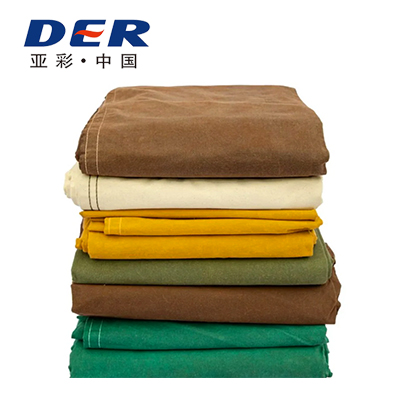
Drop cloths are temporary protective covers placed over floors, stairs, furniture, machinery or stored goods during painting, plastering, sanding, repair and maintenance. They help contain splashes, dust, drips and jobsite debris before these contaminants reach the protected surface.
The term covers several material families. Cotton canvas is selected when absorbency, softness and repeated use are important. Plastic film is chosen for lightweight, disposable liquid and dust barriers. Coated or backed fabrics are used where buyers need a stronger barrier, easier cleaning or a more controlled surface interface.
A lightweight decorating cloth and an industrial maintenance cover should not be purchased from the same specification. Canvas weight, weave, shrinkage allowance, coating, backing, seam construction and finished dimensions influence how the product performs during actual use.
The following four questions separate a practical surface-protection product from a generic cover that may be too light, too slippery or unnecessarily heavy.
Untreated canvas can absorb drips. Coated and film-backed options are better when the priority is limiting liquid penetration.
Washable textile formats suit repeat contractor use. Lightweight film is more suitable for short tasks and controlled disposal.
Surface texture, backing and fastening method should be reviewed when the cloth will be used on steps, polished floors or inclined areas.
Interior decorating favors softer handling. Maintenance and equipment work may require higher abrasion resistance and a cleanable coated face.
Select a material family to review its practical use, limitations and likely buyer profile.
A soft, breathable and absorbent textile option for painting, decorating and general renovation. Common programs use tightly woven cotton canvas with hemmed edges and project-specific weights.
This comparison helps buyers align material behavior with project risk and expected reuse.
| Material | Best suited to | Liquid behavior | Reuse direction | Important buying note |
|---|---|---|---|---|
| Cotton canvas | Painting, decorating, furniture and general floor protection | Absorbs small drips; not fully leakproof | Reusable | Specify fabric weight, weave, hem and expected shrinkage. |
| Poly-cotton or polyester canvas | Contractor programs needing more dimensional consistency | Can be treated for water repellency | Reusable | Confirm absorbency after treatment because repellency changes the surface behavior. |
| Plastic film | Short-duration dust barriers and economical splash protection | Forms a lightweight liquid barrier | Usually limited reuse | Thickness affects tear resistance and handling; film can move on smooth surfaces. |
| Backed or coated textile | Renovation, stairs, commercial maintenance and controlled leak protection | Improved penetration resistance | Reusable depending on coating | Backing texture, coating adhesion and cleanability should be approved by sample. |
| PVC coated protection sheet | Industrial maintenance, equipment work and high-soiling environments | Strong barrier when the fabric and seams are correctly constructed | Designed for repeated handling | Heavier than painter canvas; final barrier performance also depends on seams and edges. |
A single material can be converted into different protection formats when dimensions, edge construction and handling requirements are defined in advance.
Canvas painter drop cloths for floors, furniture and decorating work where absorbency, drape and repeated use matter.
Recommended direction: cotton or poly-cotton canvasSurface covers for sanding dust, plaster residue, tool movement and light liquid exposure during interior refurbishment.
Recommended direction: heavier canvas or backed textileNarrow runners and made-to-measure panels for access routes. Grip behavior and fixing method require special attention.
Recommended direction: backed cloth with approved surface testingCleanable protective sheets for machinery servicing, workshops and maintenance zones where heavier contamination may occur.
Recommended direction: coated textile or PVC protection sheetSoft-cover formats for temporary storage, moving, workshop operations and dust protection.
Recommended direction: breathable canvas or treated textileStandardized size assortments, labels, instruction sheets and cartons for distributor, hardware and contractor-supply channels.
Recommended direction: repeat-spec OEM programA precise enquiry reduces sample revisions and helps the manufacturer match cost, handling and protection performance more accurately.
Final specifications are confirmed by intended use and sample approval. The options below are planning references rather than universal performance claims.
Note: Slip resistance, flame behavior, liquid resistance and washability should be validated against the approved product structure and the buyer’s target market requirements.
DERFLEX can support product development from initial material selection through conversion, packaging and repeat-order specification control.
Application, protected surface, contamination type and service frequency.
Canvas, blend, backing or coated structure selected for the required behavior.
Weight, hand feel, color, backing, finishing and packaging reviewed before bulk.
Specification, tolerances and inspection points aligned for repeat consistency.
Folding, labels, cartons, pallet direction and shipping marks prepared for the order.
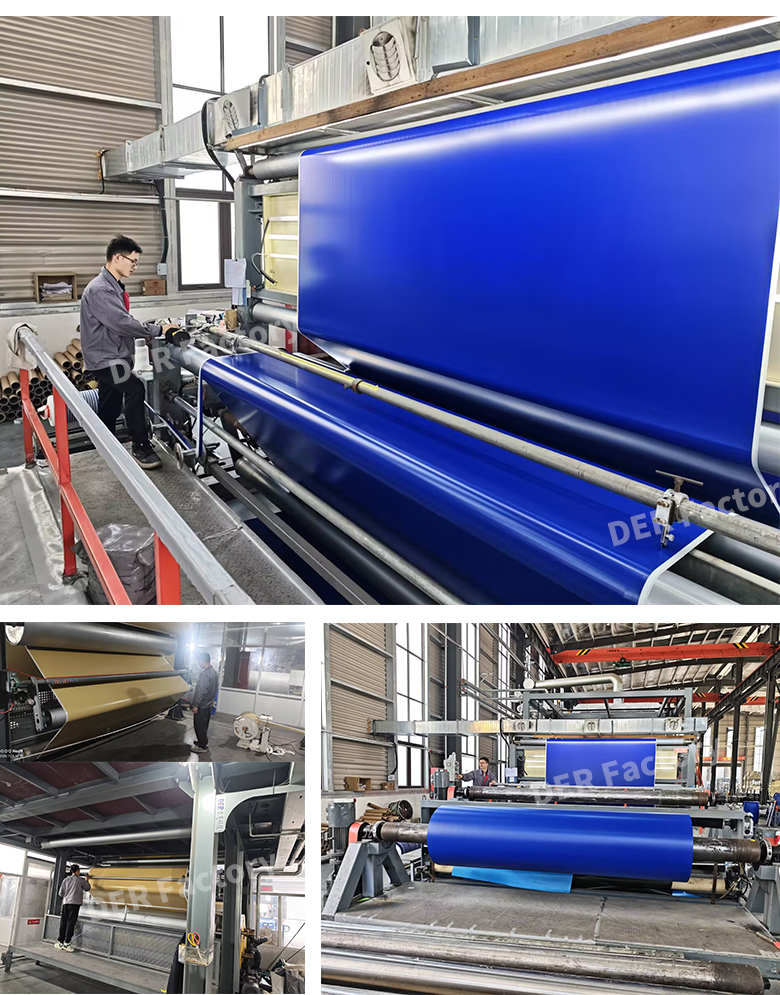
DERFLEX works with coated fabrics, canvas-based covers and custom tarpaulin structures. This allows buyers to discuss both traditional painter cloth programs and heavier industrial protection formats with one manufacturing-oriented supplier.
The commercial value is not based on unsupported superlatives. It comes from clarifying the protection task, documenting the specification and controlling the details that affect repeat orders.
These six related pages help buyers evaluate canvas, waterproof and made-to-measure protection systems before confirming a drop cloth program.
Review cotton, blended and coated canvas options for reusable covers.
Custom canvas systems Custom Waterproof CanvasCompare treated canvas with fully coated structures for project protection.
Liquid barrier protection Waterproof TarpsExplore waterproof tarp materials for industrial and outdoor applications.
Coated fabric material PVC TarpaulinUnderstand PVC coated polyester for cleanable, weldable protective sheets.
Made to specification Custom Tarp ManufacturerPlan dimensions, reinforcement, hardware, branding and packaging.
Product category hub Tarp ManufacturerBrowse DERFLEX tarp formats for commercial, industrial and OEM protection.
Clear answers for contractors, distributors and sourcing teams comparing reusable, disposable and coated protection materials.
Cotton canvas is a common choice for professional painting because it is soft, absorbent and reusable. A backed or coated cloth may be more suitable when stronger liquid penetration resistance is required. The best choice depends on floor type, spill risk, reuse frequency and cleaning method.
Standard untreated canvas is not fully waterproof. It can absorb small paint drips and may allow liquid to pass through under saturation or pressure. For a stronger barrier, buyers can specify a backed, coated or PVC-based structure.
Yes. Size assortments, runners, cut panels and made-to-measure cloths can be discussed together with fabric weight, hem type, backing, labels and packaging. Final availability depends on material structure, order quantity and approved specification.
Provide the application, protected surface, preferred material, finished size, weight or thickness direction, backing requirement, edge finish, quantity, logo or label needs and packing method. Photos or a reference sample are useful for replacement programs.
Washability depends on fiber, coating, stitching, contamination and care method. Untreated canvas may be washable, but shrinkage and finish changes should be considered. Coated products require care instructions matched to the coating system.
A textured or backed construction can be developed to improve surface interaction, but “slip resistant” should not be assumed from material name alone. The finished product should be tested on the intended floor type and used with appropriate jobsite controls.
Send your target material, dimensions, quantity, application and packaging requirements. The DERFLEX team can review a practical supply route for canvas, backed or coated surface-protection products.