News
Industry News

Silicone Coated Fiberglass vs PTFE Coated Fiberglass | DERFLEX

Update:2026/9/2 17:16:01 Views:
DERFLEX Technical Comparison Guide

Silicone Coated Fiberglass vs PTFE Coated Fiberglass

Both materials use woven fiberglass reinforcement, but the coating changes how the fabric behaves in real service. Silicone-coated fiberglass is commonly evaluated for flexibility, protective handling, moisture/oil exposure and repeated movement. PTFE-coated fiberglass is commonly evaluated for low friction, non-stick release, chemical resistance and heat-processing surfaces.

Direct answer: Choose silicone coated fiberglass when the main priorities are flexible handling, abrasion-supporting surface protection, outdoor/weather exposure or repeated folding. Choose PTFE coated fiberglass when the process needs non-stick release, low surface friction, resistance to many aggressive chemicals or a process-facing surface that must resist buildup. Neither material is automatically “better”; the correct choice depends on temperature at the fabric layer, chemicals, movement, surface function and fabrication method.
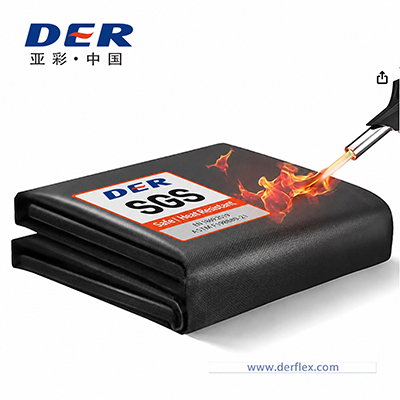
DERFLEX silicone coated fiberglass fabric for industrial heat protection
DERFLEX silicone-coated fiberglass reference image. Final coating formula, weight, thickness, width, test route and application suitability must be confirmed for the ordered grade.
AI Overview · Fast Comparison

What Is the Main Difference?

The fiberglass base provides reinforcement and dimensional stability; the surface coating determines the dominant process behavior.

Silicone Coated Fiberglass

Silicone rubber creates a more elastomeric, protective surface. It is often selected for industrial blankets, insulation-jacket shells, flexible connectors, expansion-joint layers and other parts that are folded, sewn, handled, exposed outdoors or contaminated by water and oil.

Flexible handling Moisture / oil exposure Repeated movement

PTFE Coated Fiberglass

PTFE creates a low-energy, low-friction surface that resists sticking and is useful around many process chemicals. It is often selected for release sheets, heat-sealing surfaces, conveyor materials, process liners, chemical-facing layers, gaskets and fabricated parts where clean release or low friction is central to the function.

Non-stick release Chemical resistance Low friction
Side-by-Side Table

Silicone vs PTFE Coated Fiberglass: Key Differences

Use the table as a screening tool. Exact properties vary with base cloth, coating loading, surface finish and grade.

Selection Factor Silicone Coated Fiberglass PTFE Coated Fiberglass
Core construction Woven fiberglass with silicone rubber on one or both sides. Woven fiberglass impregnated or coated with PTFE; one-side, two-side, porous, high-release and anti-static directions may be available.
Dominant advantage Flexible coated handling, protective surface behavior, weather exposure and repeated conversion. Non-stick release, low friction, chemical-facing performance and clean process surfaces.
Surface feel More rubber-like and comparatively grippy. Smoother and lower friction, depending on finish.
Repeated folding / handling Often a strong starting direction for removable, flexible or repeatedly handled components. Can be flexible in lighter constructions, but selection should focus on PTFE surface function, crease behavior and fabrication route.
Non-stick performance Not normally the primary reason to specify silicone. A central reason to specify PTFE for release sheets, sealing surfaces and process contact.
Chemical exposure Useful for many industrial environments, but compatibility must be checked against the actual chemical and temperature combination. Often preferred where broad chemical resistance or chemical-facing barrier behavior dominates.
Moisture / outdoor weather Frequently selected for protective outer layers exposed to weather, moisture and maintenance handling. Can resist moisture well, but outdoor use should be selected around UV exposure, flexing, seam design and the required surface function.
Typical temperature direction Selected DERFLEX constructions are commonly discussed around approx. 230–287°C continuous exposure at the silicone surface, subject to exact grade and conditions. Many DERFLEX PTFE fiberglass grades are commonly selected for continuous processing up to about 260°C / 500°F, subject to exact grade, contact pressure, media and cycle.
DERFLEX published weight direction Approx. 260–2000 g/m2 across current silicone-coated fiberglass programs. Approx. 150–1300 g/m2 depending on fiberglass style and PTFE loading.
DERFLEX published thickness direction Approx. 0.25–3.0 mm. Approx. 0.08–1.00 mm.
Typical applications Insulation-jacket shells, welding/hot-work textiles, flexible connectors, expansion-joint layers, protective covers. Release sheets, heat sealing, conveyor/drying belts, process liners, gaskets, sliding layers, chemical-facing covers and electrical insulation.
Buyer should validate Flex cycle, coating side, abrasion, actual fabric-layer temperature, seam/thread system, outdoor exposure and contamination. Release requirement, chemical media, surface finish, PTFE loading, static control, crease/flex behavior, process temperature and fabrication format.
Temperature values are material-selection directions, not finished-system ratings. A sewn jacket, expansion joint, conveyor belt, gasket or heat-sealing assembly can be limited by seams, adhesives, insulation, pressure, movement, chemical media or another component.
Selection Matrix

Which Coated Fiberglass Should You Choose?

Start with the dominant failure risk or process requirement, not the coating name.

Operating Requirement Starting Direction Why Confirm Before Ordering
Repeated folding, removable covers, frequent maintenance Silicone coated fiberglass Flexible protective surface is often easier to handle in reusable converted products. Fold radius, coating stiffness, sewing thread, seam path, cleaning cycle and actual shell temperature.
Heat-sealing bar, lamination release or anti-stick process contact PTFE coated fiberglass Low surface energy and release behavior are central to the function. Contact temperature, dwell time, pressure, surface smoothness, adhesive contamination and replacement cycle.
Outdoor flexible connector with moisture, oil and abrasion Silicone coated fiberglass Balances coated surface protection with flexibility and reinforced textile handling. UV/weather exposure, vibration, pressure, edge attachment, movement and seam design.
Acid, alkali, solvent or aggressive condensate exposure Compare PTFE first PTFE is commonly favored when chemical-facing behavior is more important than a rubber-like surface. Exact chemical concentration, temperature, wet/dry cycling, permeation/barrier requirement and seam compatibility.
Welding curtain or flexible hot-work barrier Silicone coated fiberglass may be evaluated Flexible coated handling and surface protection can suit reusable curtains and blankets. Orientation, spark/spatter severity, distance, contact time and exact required test method.
Conveyor, drying or process belt requiring low friction PTFE coated fiberglass Surface release and controlled friction are often more important than elastomeric handling. Mesh vs solid construction, belt tension, tracking, airflow, splice and antistatic requirements.
High-temperature expansion-joint system with chemistry + movement Layered design; compare both Silicone may serve flexible/protective functions while PTFE or another layer serves chemical/barrier functions. Gas chemistry, temperature profile, liner, insulation, pressure, movement, condensation and clamp geometry.
Engineering Notes

Five Variables That Matter More Than the Coating Name

A technically useful comparison separates material chemistry from the conditions of the completed component.

1. Fabric-Layer Temperature

Do not use process-gas or heater temperature as the fabric rating. State the actual temperature expected at the coated textile layer, including peak duration and thermal cycling.

2. Surface Function

Ask what the surface must do: resist sticking, slide, shed contamination, tolerate weather, grip, fold, wipe clean or face chemicals. This often decides PTFE vs silicone faster than temperature alone.

3. Chemical + Heat Combination

Compatibility can change with concentration and temperature. Supply the actual acid, alkali, solvent, oil, condensate or cleaning media rather than requesting generic “chemical resistance.”

4. Flexing & Fabrication

Roll material still has to be cut, sewn, spliced, clamped, bonded or converted. Compare crease behavior, stitch zones, edge reinforcement and bend radius using the real production grade.

5. Finished-System Weakest Link

The usable rating can be controlled by thread, adhesive, insulation, closures, clamp geometry, pressure or movement—not only the coated fiberglass itself.

6. Repeatability

For OEM and industrial programs, freeze base cloth, coating structure, total weight, thickness, width, surface finish and packing after sample approval so repeat orders remain comparable.

Application Guidance

Where Each Material Usually Fits Better

These are starting directions for specification discussions, not universal approvals.

Choose Silicone Coated Fiberglass When…

  • The component will be repeatedly folded, removed, handled or cleaned.
  • A flexible coated outer shell is needed for insulation jackets or equipment covers.
  • Weather, moisture, oil mist or general workshop contamination reaches the surface.
  • Flexible connectors or selected expansion-joint layers must balance heat, movement and handling.
  • Welding/hot-work products need a robust coated glass textile, subject to the exact hazard and test method.
  • One-side vs two-side coating is part of the conversion and handling decision.

Choose PTFE Coated Fiberglass When…

  • Non-stick release is a primary process requirement.
  • Low friction is needed for sliding, conveying or release surfaces.
  • The surface may face oils, solvents, acids, alkalis or aggressive process media.
  • Heat-sealing, lamination, molding or packaging equipment needs a clean process-contact layer.
  • Solid, porous, open-mesh, anti-static or adhesive-backed forms are part of the design.
  • A chemical-facing or barrier-oriented role is more important than rubber-like flexibility.
Common Procurement Mistakes

Why Similar-Looking Rolls Can Perform Very Differently

Nominal color, thickness or GSM does not fully describe coated fiberglass performance.

Buying by Temperature Alone

A temperature number does not describe chemical exposure, flex fatigue, pressure, abrasion, release requirements or seam performance.

Assuming PTFE Is Always “Higher Grade”

PTFE is not an automatic upgrade for every use. A silicone surface may be more practical for a flexible jacket, curtain or outer protective layer.

Assuming Silicone Is a Universal Fire Barrier

Heat resistance, flame retardancy, spark/spatter resistance and finished-product fire classification are different requirements. State the exact test method.

Comparing Only GSM

Two rolls at similar weight may use different base weaves, coating amounts, thicknesses, surface finishes and stiffness.

Ignoring the Seam or Splice

Cutting, sewing, welding, bonding or mechanical splicing can create a different weak point than the coated fabric itself.

Skipping Sample Trials

Release, flexing, cleanability, crease behavior, sewing and chemical contact should be trialed with the production grade before repeat bulk orders.

DERFLEX Image Pack

Coating, Surface and Fiberglass Reference Images

Real image assets hosted on DERFLEX.com for material explanation and image-search context.

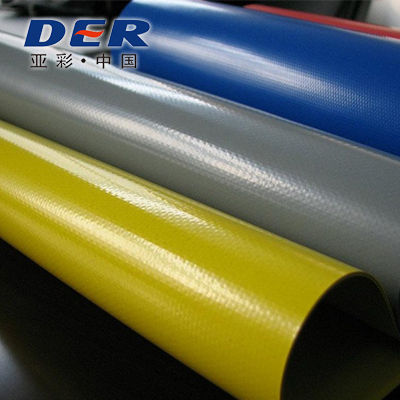
silicone coated fiberglass fabric roll for flexible industrial heat protection

Silicone-Coated Fiberglass

Reference for flexible coated surfaces, protective layers, covers and converted high-temperature textiles.

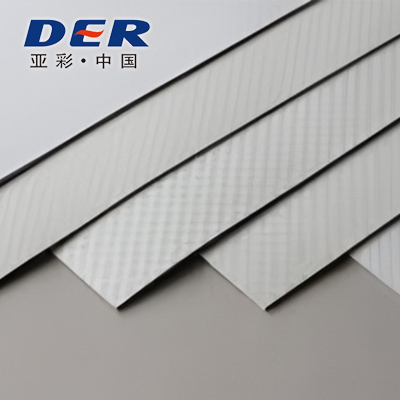
PTFE coated fiberglass fabric surface material reference

PTFE-Coated Fiberglass

Reference for PTFE-coated glass surfaces where release, low friction or chemical-facing behavior is important.

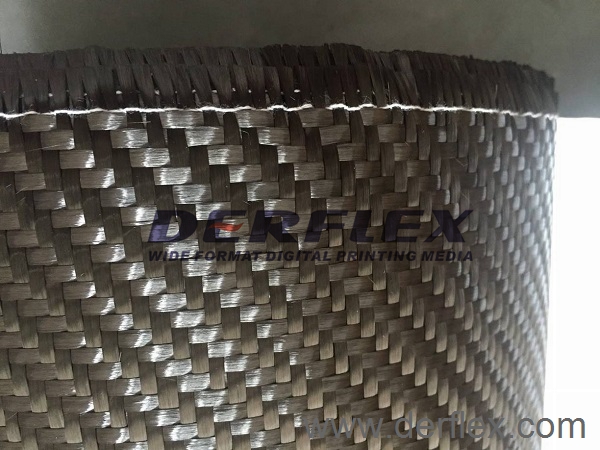
woven fiberglass reinforcement close-up used under functional coatings

Fiberglass Reinforcement

The woven glass substrate provides the textile backbone beneath either silicone or PTFE coating systems.

RFQ Checklist

What to Send Before Asking for a Silicone vs PTFE Recommendation

More complete operating data produces a more useful material comparison and sample direction.

  • Finished product or process name.
  • Normal operating temperature at the fabric layer.
  • Peak temperature, duration and thermal-cycle frequency.
  • Chemicals, oils, solvents, condensate or cleaning media.
  • Required surface behavior: non-stick, low friction, weather protection, grip or cleanability.
  • Movement, fold radius, vibration or flex-cycle requirement.
  • Target total weight, thickness and roll width.
  • One-side or two-side coating requirement.
  • Surface finish, color, porous/open mesh or anti-static direction if relevant.
  • Cutting, sewing, splicing, adhesive backing, belt fabrication or mechanical clamping method.
  • Exact ASTM / EN / DIN / NFPA / customer test requirement, if any.
  • Trial quantity, estimated repeat quantity, packing and destination.
People Also Ask

Related Questions Buyers Ask

Is silicone coated fiberglass better than PTFE coated fiberglass?

No material is universally better. Silicone is often a stronger starting direction for flexible handling, protective outer surfaces, weather and repeated folding. PTFE is often a stronger starting direction for non-stick release, low friction and chemical-facing process surfaces.

Which has better chemical resistance: silicone or PTFE coated fiberglass?

PTFE is generally the first material to evaluate when broad chemical resistance is the dominant requirement. Final compatibility still depends on the exact chemical, concentration, temperature, contact time, pressure and seam or splice system.

Which is better for insulation jackets?

Silicone coated fiberglass is frequently evaluated for removable-jacket outer shells because flexibility, handling durability and resistance to moisture or oil contamination can be important. PTFE may be useful for specialized surfaces where chemical contact, low adhesion or easy release dominates.

Which is better for heat sealing and conveyor belts?

PTFE coated fiberglass is commonly selected when the surface needs low adhesion, controlled friction and repeated heat contact. The exact solid, porous or open-mesh construction should be matched to the process.

Can silicone and PTFE coated fiberglass be used in the same expansion joint?

Yes, a multi-layer flexible joint can use different materials for different functions. One layer may provide heat protection, another chemical or gas-barrier behavior, another insulation, and another flexible outer protection. The complete system must be engineered around temperature, pressure, movement, gas chemistry and condensation.

What temperature can silicone coated fiberglass handle?

There is no single value for every construction. Current DERFLEX published directions discuss selected silicone-coated fiberglass grades around approximately 230–287°C continuous exposure at the silicone surface, subject to exact grade and service conditions.

What temperature can PTFE coated fiberglass handle?

Many DERFLEX PTFE-coated fiberglass grades are commonly selected for continuous working environments up to about 260°C / 500°F. Actual suitability depends on grade, process media, contact pressure, dwell time, cleaning method and the finished assembly.

What information should I send for a quotation?

Send the application, fabric-layer temperature, peak duration, chemical exposure, surface-function requirement, movement or flexing, thickness/weight/width target, coating side, fabrication method, test requirement, trial quantity, estimated bulk demand, packing and destination.

Send the Operating Conditions — Not Just the Material Name

Tell DERFLEX what the finished component does, the actual fabric-layer temperature, chemical media, required surface behavior, flexing, width, thickness, coating structure, fabrication method, quantity and destination. The material discussion can then compare silicone and PTFE on the requirements that matter to your project.

Consulting Services
+86-021-54361792 / 54361798
Email
sales@derflex.com