- tarp
- PVC coated fabrics
- Tarpaulin
- Sunscreen Fabric
- Flexible Ventilation Duct
- TPU coated fabric
- Frontlit banner
- PVC flex backlit
- Blockout banner
- PVC vinyl sticker
- PVC mesh banner
- PVC preformated vinyl
- Reflective vinyl
- Dye Sublimation fabric
- PVC Stretch Ceiling Film
- Super clear pvc film
- TPO coated fabric
- Automotive Protection Film
- Inkjet media
- Textile banner
- Mesh banners
- New Products
- customized PVC tarps products
- PVC Foam Board Sheet
- Profile download

- Services Hotline
+86-021-54361792 / 54361798 - Email
sales@derflex.com

|
|
PVC Architectural Membrane
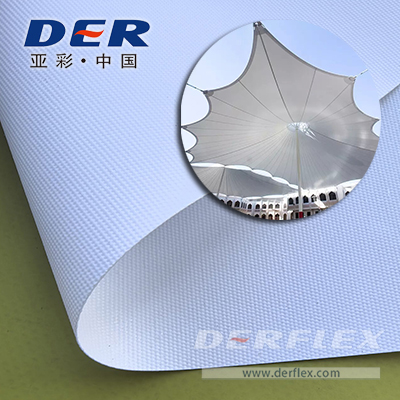
DERFLEX supplies PVC architectural membrane fabric for tensile roofs, canopies, stadium shade, carports, walkways and façade structures. Custom PVC/PVDF coated polyester membrane with UV, FR, weldable and weather-resistant options.
|
|
||||||||||||||||||||||||||||||||||||||||||

PVC/PVDF coated polyester membrane fabric for architectural roofs, tensile structures and global project supply.
PVC Architectural Membrane Manufacturer
PVC Architectural Membrane for Tensile Roofs, Canopies & Modern Building EnvelopesDERFLEX supplies high-performance PVC architectural membrane fabric made from reinforced polyester base fabric, durable PVC coating and optional PVDF or acrylic topcoat. It is developed for tensile membrane structures, stadium shade, commercial canopies, carports, walkways, fabric facades and lightweight architectural roofing systems. 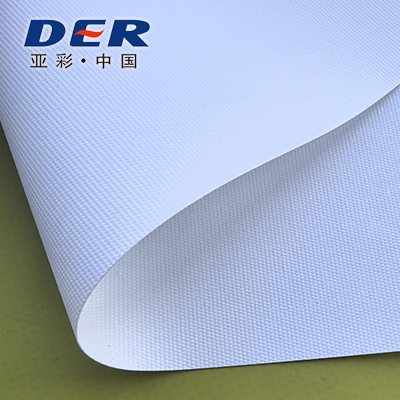
DERFLEX PVC/PVDF Architectural Membrane
Reinforced coated polyester fabric for tensioned roofs, shade structures, carports, canopies and fabric facade projects.
PVC/PVDFcoating system options
650–1350gsmtypical architectural range
FR OptionB1 / M2 / NFPA direction on request
Customcolor, width, surface and packing
Product Definition
What Is PVC Architectural Membrane?PVC architectural membrane is a technical coated fabric used as the visible and functional skin of lightweight architecture. Not a General Tarpaulin — It Is an Engineered Architectural TextileA PVC architectural membrane is normally made by coating high-tenacity polyester fabric with PVC, then applying an optional PVDF or acrylic surface layer depending on project requirements. The fabric works under tension with steel frames, cables, arches or support systems to form curved roofs, cones, saddle shapes, wave forms and large-span shade structures. For architects and contractors, the material must provide more than waterproof protection. It must support tensile loading, seam welding, edge reinforcement, controlled daylight, long-term outdoor exposure, flame-retardant direction and a clean architectural appearance. Typical PVC Architectural Membrane Layer SystemTopcoatPVDF or acrylic surface option for UV resistance, dirt resistance, cleanability and long-term appearance.
PVC LayerWaterproof, flexible and weldable coating layer for panel fabrication and weather protection.
Base FabricHigh-tenacity polyester reinforcement providing tensile strength, tear resistance and dimensional stability.
Project FitCustom GSM, color, translucency, finish, width, FR direction and roll packing for fabricators and contractors.
Key Performance
Why PVC/PVDF Membrane Fabric Works for Architectural ProjectsThe page is built around the real buying criteria architects, project owners, fabricators and distributors evaluate before approving a membrane fabric. 01
High Tensile StrengthPolyester reinforcement helps the membrane handle pre-tension, structural loads, panel fabrication and outdoor installation stress. 02
Waterproof & Weather ResistantPVC coating creates a durable waterproof barrier for roofs, canopies, parking shade, pedestrian walkways and building envelope applications. 03
PVDF / Acrylic TopcoatOptional surface systems improve UV stability, dirt resistance, anti-mildew direction, cleanability and long-term visual performance. 04
Weldable FabricationSuitable for hot-air welding or high-frequency welding to create larger panels, strong seams, edge details and reinforcement zones. 05
Lightweight Architectural FormsCompared with many rigid roof systems, membrane fabric reduces structural weight and allows more flexible curved architectural shapes. 06
Custom Project SupplyDERFLEX can support custom color, width, GSM, translucency, surface finish, FR direction, roll length and export-ready packing.
Technical Specifications
PVC Architectural Membrane Specification RangeFinal specifications should be confirmed according to span, wind load, snow load, climate exposure, fire code and fabrication method.
Applications
Where PVC Architectural Membrane Is UsedDERFLEX PVC/PVDF membrane fabrics are suitable for both permanent and semi-permanent lightweight architectural projects. 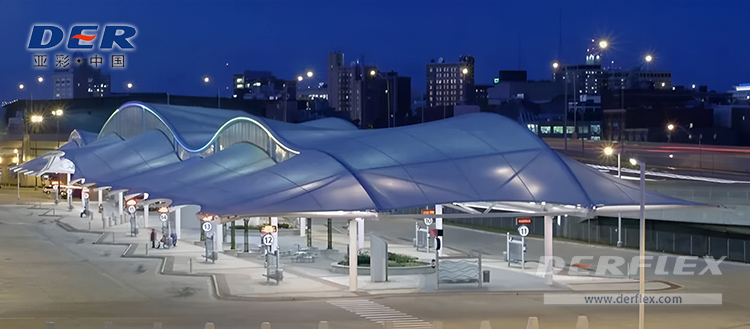
Tensile RoofsLarge-span lightweight roofing for sports, transportation, commercial and public buildings.
Commercial CanopiesEntrances, shopping centers, hotels, outdoor dining areas and pedestrian shade systems.
Carports & Parking ShadeUV-resistant architectural shade for parking lots, schools, offices and public facilities.
Walkways & PlazasWaterproof and shade-oriented membrane structures for public pedestrian spaces.
Fabric FacadesDecorative building skins, sun-shading layers and branded architectural envelope systems.
Event ArchitectureExhibition halls, temporary venues, pavilions and semi-permanent public event roofs.
Material Selection Guide
How to Choose PVC Architectural Membrane for a ProjectFor architectural membrane projects, material selection should be driven by structure, climate, surface life, fire code and fabrication plan. Structure TypeConfirm whether the project is a roof, canopy, facade, carport, walkway, stadium shade or temporary venue. Strength DirectionMatch tensile strength, tear resistance and dimensional stability to prestress, span, wind load and snow load. Surface TopcoatUse PVDF or acrylic topcoat when UV, dirt resistance, appearance retention and cleanability are important. Light & ColorChoose white or translucent membranes for daylight; choose colors for brand identity and design expression. Fire RequirementPublic projects may require B1, M2, NFPA 701 or local fire performance documentation. Welding MethodPanel layout, seam strength, overlap width and edge reinforcement should match hot-air or HF welding process. Climate ExposureUV, pollution, salt air, rain, snow, wind and temperature cycles influence formula and topcoat selection. DocumentationRequest samples, data sheets, color cards and test direction before final order confirmation.
Material Comparison
PVC Architectural Membrane vs PTFE, ETFE and PE MaterialsPVC/PVDF architectural membrane is often selected when buyers need a practical balance of cost, flexibility, weldability, color choice and outdoor performance.
DERFLEX Advantage
Why Choose DERFLEX as Your PVC Architectural Membrane Supplier?DERFLEX focuses on coated fabric manufacturing, project-oriented customization and export-ready support for architectural membrane buyers. A
Material Manufacturing FocusDERFLEX supplies PVC coated polyester fabrics and membrane materials for roofing, shade, facade and structural applications. B
Specification CustomizationWeight, width, tensile direction, color, surface finish, coating system, translucency and FR direction can be matched to project needs. C
Stable Roll QualityConsistent coating, thickness, surface finish, color and roll packing help improve cutting, welding and installation quality. D
Fabricator-Friendly SupplyRoll goods can be supplied for contractors, membrane fabricators, canopy manufacturers, OEM brands and material distributors. E
Project-Oriented SupportDERFLEX can assist with sample confirmation, data sheet direction, packing requirements and application-based material selection. F
International Export ExperienceCommunication, documentation, roll packing and shipment planning are handled with global B2B project buyers in mind.
Production Workflow
From Base Fabric to Finished Architectural Membrane RollA reliable process helps maintain fabric consistency from formulation to final packing. 1Base Fabric SelectionSelect polyester yarn, weave and reinforcement direction based on tensile and tear performance.
2PVC Formula MatchingMatch flexibility, weather resistance, FR direction, color and coating adhesion to project requirements.
3Coating / LaminationControl coating uniformity, surface smoothness, thickness and roll consistency for fabrication quality.
4Topcoat FinishingApply PVDF, acrylic, anti-mildew, anti-UV or dirt-resistant surface direction when required.
5Inspection & PackingCheck appearance, width, weight, color direction and packing before export shipment.
Case Scenario
Custom PVC/PVDF Membrane for a Commercial CanopyA membrane contractor needs a white PVC architectural membrane for a commercial outdoor canopy. The project requires waterproofing, good tensile strength, weldability, UV resistance, flame-retardant direction, clean appearance and suitable roll width for panel welding. DERFLEX recommends a reinforced polyester base fabric with PVC coating, PVDF or acrylic topcoat, customized GSM and width, color confirmation, FR direction and export-ready roll packing aligned with the contractor’s fabrication process.
Quote Checklist
Send These Details for Faster RecommendationApplication type, project size, steel structure design direction, target span, wind/snow load direction, color, translucency, GSM or thickness, roll width, topcoat requirement, fire standard direction, climate exposure, quantity and delivery schedule.
Related Products
Related DERFLEX Internal LinksThese six internal links strengthen topical relevance and help buyers continue exploring architectural membrane materials. PVC Membrane for ArchitecturePVC/PVDF membrane for roofing, canopies and architectural shade systems.
Tensile Membrane FabricHigh-strength membrane fabric for roofs, stadiums, carports and tension structures.
PVC Coated Polyester Architectural FabricReinforced PVC coated polyester fabric for tensile architecture and membrane projects.
Architectural Membrane MaterialsMaterial selection guide covering PVC, PVDF, PTFE and ETFE architectural systems.
Membrane Structure FabricCoated fabric for membrane roofs, canopy systems and large-span structural projects.
PVC Coated FabricGeneral DERFLEX PVC coated fabric product range for industrial and architectural use.
FAQ
Frequently Asked Questions About PVC Architectural MembraneClear answers help buyers evaluate whether PVC/PVDF coated polyester membrane is the right material for their project. What is a PVC architectural membrane?A PVC architectural membrane is a reinforced PVC coated fabric, usually made with high-tenacity polyester base cloth, used for tensile roofs, canopies, carports, shade structures, walkways and facade systems. Why is PVDF topcoat used on PVC architectural membrane?PVDF topcoat improves UV resistance, dirt resistance, surface clea, nability and long-term outdoor appearance. It is commonly selected for permanent or semi-permanent outdoor membrane architecture. Can DERFLEX customize PVC architectural membrane specifications?Yes. DERFLEX can support custom GSM, width, color, translucency, topcoat, surface finish, flame-retardant direction, roll packing and project-oriented material recommendations. Is PVC architectural membrane suitable for welding?Yes. PVC coated polyester architectural membrane can be fabricated by hot-air welding or high-frequency welding for membrane panels, seams, edge reinforcement and installation details. What applications use PVC architectural membrane?Common applications include tensile membrane roofs, stadium shade, commercial canopies, parking shelters, walkways, public plazas, fabric facades, exhibition structures and outdoor shade systems. What information should I provide for a quote?Please provide application type, project size, structural span, color, GSM or thickness, width, topcoat requirement, fire-retardant requirement, climate exposure, estimated quantity and target service life. Need PVC Architectural Membrane for Your Project?Send DERFLEX your application, target width, GSM, color, topcoat requirement, FR direction and quantity. Our team will recommend a suitable PVC/PVDF architectural membrane fabric for fabrication and project supply. |
||||||||||||||||||||||||||||||||||||||||||