


 Technical Flexible Material Solutions
TPU Material for Film, Coated Fabric & Laminated Textile Applications
DERFLEX supplies application-ready thermoplastic polyurethane material in TPU film, TPU coated fabric and TPU laminated fabric formats for manufacturers of waterproof bags, inflatables, medical air systems, marine equipment, flexible tanks, oil bladders and industrial protection products. Polyether and polyester TPU directions can be matched to water exposure, abrasion, oil contact, welding process and finished-product performance.
What is TPU material?
TPU material is thermoplastic polyurethane, an elastomeric thermoplastic valued for a combination of flexibility, elasticity, abrasion resistance, mechanical strength and thermoplastic processability. In DERFLEX technical textiles, TPU is supplied as film or bonded to nylon/polyester reinforcement to create waterproof, airtight and weldable roll goods. The best grade depends on the finished product—not on “TPU” alone.
TPU Is a Material Family, Not One Single Specification
For procurement teams, “TPU material” may mean resin pellets, film, sheet, coating, laminated textile or finished TPU-coated fabric. DERFLEX focuses on film and technical textile roll goods for converting and OEM manufacturing.
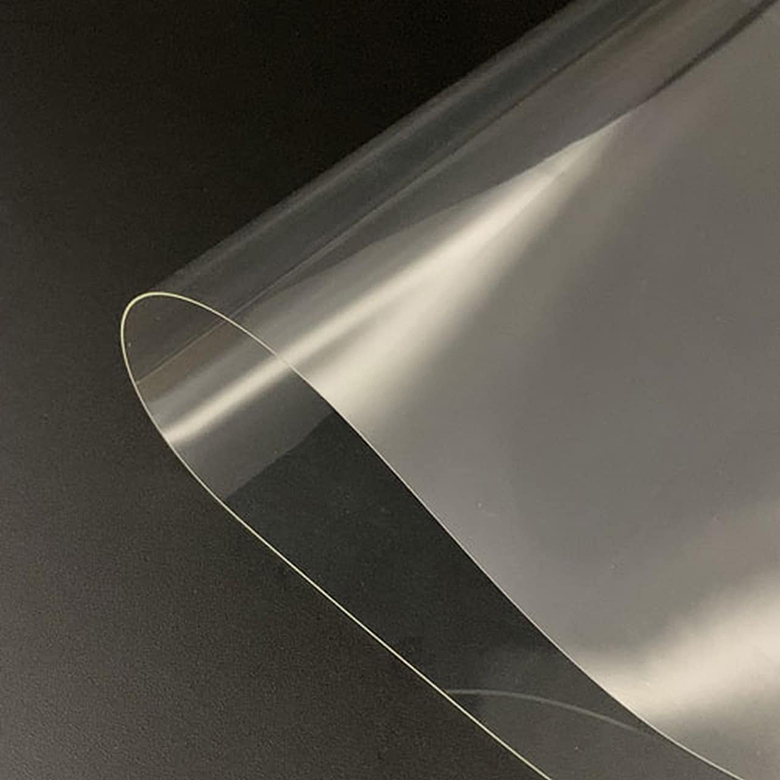
TPU Film
Continuous thermoplastic polyurethane film used for lamination, sealing layers, transparent windows, bladders, protective layers and flexible OEM components. Thickness, hardness, clarity and surface can be selected by project.
TPU Coated Fabric
TPU applied to a woven or knitted nylon/polyester substrate. The reinforcement carries tensile and tear loads while the TPU surface provides sealing, flexibility, abrasion protection and a thermoplastic welding surface.
TPU Laminated Fabric
TPU film bonded to textile to create a composite roll material. Lamination is useful when a defined film layer, surface feel, appearance or composite construction is preferred over a directly coated structure.
Why Engineers Choose TPU for Demanding Flexible Products
TPU is often evaluated when a product needs more than basic waterproofing: it may also need repeated folding, seam welding, air or liquid containment, abrasion resistance and low-temperature flexibility.
Waterproof & Airtight Potential
A continuous TPU layer can provide a barrier for bags, air chambers and flexible tanks. Finished-product performance still depends on seams, valves, fittings and geometry.
Weldable Processing
Selected TPU structures can support HF/RF welding, hot-air welding and heat sealing. A production trial should confirm the process window on the exact grade.
Abrasion Resistance
TPU is widely chosen for technical products exposed to rubbing, dragging, packing movement, repeated handling or contact wear.
Flexible & Elastic
TPU can combine rubber-like elasticity with thermoplastic conversion, making it useful for soft, foldable and repeatedly flexed products.
Cold-Flex Direction
Suitable grade selection can maintain useful flexibility in low-temperature environments, especially for outdoor, marine and inflatable applications.
Custom Material System
Base fabric, TPU chemistry, layer thickness, coating side, hardness, finish, width and functional additives can be matched to a real application.
Choose TPU Chemistry by the Dominant Failure Risk
Neither polyether TPU nor polyester TPU is universally “better.” Start with the exposure that is most likely to limit the finished product.
Polyether TPU
Common starting direction when moisture, long-term water contact, hydrolysis or low-temperature flexibility are primary concerns.
- Strong hydrolysis-resistance direction
- Good low-temperature flexibility
- Often considered for marine and water-contact products
- Common in medical air systems and outdoor inflatables
- Actual UV, microbial and compliance needs remain grade-specific
Polyester TPU
Common starting direction when mechanical wear, abrasion, oil exposure or industrial durability dominate the requirement.
- Excellent abrasion-resistance direction
- Strong mechanical-property direction
- Often considered for oil- and grease-contact development
- Useful for industrial covers and protective components
- Hydrolysis exposure should be reviewed for prolonged wet service
DERFLEX TPU Material Specification Direction
Use these ranges as an RFQ starting point. Final values, tolerances and test requirements should be frozen on an approved sample and written bulk specification.
| Specification Area | Available Direction | Procurement Meaning |
|---|---|---|
| TPU Chemistry | Polyether TPU / Polyester TPU | Changes hydrolysis, moisture, abrasion, oil and mechanical-performance direction. |
| Product Format | TPU film / TPU coated fabric / TPU laminated fabric | Choose based on reinforcement need, barrier structure, surface and conversion route. |
| Film / TPU Layer | Approx. 0.02–1.0 mm direction | Influences flexibility, stiffness, abrasion margin, clarity and welding behavior. |
| Hardness | Approx. 70A–95A direction for flexible film programs | Changes hand feel, elastic recovery, abrasion behavior and forming/welding response. |
| Base Fabric | Nylon / Polyester; 210D–1680D and custom structures | Controls tensile/tear performance, dimensional stability, stretch and finished weight. |
| Total TPU Textile Weight | Approx. 150–1500 gsm direction | Lightweight bags, balanced technical products and heavy industrial structures need different constructions. |
| Width | Film up to approx. 2.1 m; reinforced fabric approx. 1.0–3.2 m by construction | Wider rolls can reduce seams and cutting waste, but feasibility depends on grade and process. |
| Surface | Glossy / matte / smooth / embossed / textured / anti-blocking | Affects appearance, grip, blocking, cleanability and OEM brand feel. |
| Color | Transparent, black, white, grey, red, blue, army green and custom color direction | Confirm color reference and lot-to-lot tolerance before repeat supply. |
| Processing | HF/RF welding, hot-air welding, heat sealing, lamination, cutting | Validate the exact process on buyer equipment before bulk production. |
| Functional Direction | Hydrolysis, UV, antimicrobial, oil, FR, low-temperature and other project-specific options | Each claim should be linked to a real test method, exposure and market requirement. |
Where TPU Material Is Used
Application intent is one of the strongest ways to define the correct TPU material architecture for procurement and sample testing.
Dry Bags & Waterproof Packs
Roll-top dry bags, waterproof backpacks, bikepacking bags, soft coolers and protective pouches. Focus on foldability, seam appearance, abrasion and color consistency.
Inflatables & Air Chambers
Boats, packrafts, rescue equipment, air mattresses and pressure chambers. Focus on air retention, weld peel/burst, puncture and flex fatigue.
Medical Air Systems
Pressure cushions, inflatable supports and medical mattress air cells. Focus on soft handling, cleanability, air retention and application-specific compliance.
Flexible Water Tanks
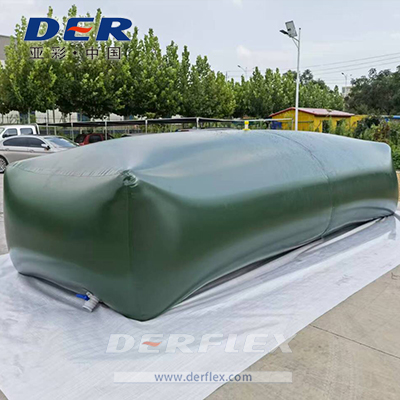
Collapsible water bladders, pillow tanks and liquid bags. Focus on hydrolysis, liquid-contact compatibility, seam strength and repeated folding.
Oil & Industrial Bladders
Fuel/oil storage bags, flexible containers and spill-control systems. Focus on media compatibility, abrasion, bond integrity and welding reliability.
Marine & Industrial Protection
Oil booms, rescue products, protective covers, sleeves and flexible barriers. Focus on weather exposure, handling, abrasion and repeat roll quality.
TPU vs PVC vs PU-Coated Fabric
Use the end-product requirement—not material popularity—to choose the right flexible material system.
| Buyer Factor | TPU Material | PVC Coated Fabric | PU Coated Fabric |
|---|---|---|---|
| Typical Positioning | Premium flexible, weldable, abrasion-resistant technical products | Cost-efficient heavy-duty covers, tarps, tents and industrial fabrication | Lightweight flexible coatings for apparel, bags and selected waterproof textiles |
| Elasticity / Soft Flex | Excellent direction, grade dependent | Moderate to good, formulation dependent | Good, coating system dependent |
| Airtight / Welded Products | Strong fit for selected structures | Strong fit for many industrial welded products | Must confirm specific coating and joining method |
| Abrasion | Excellent direction | Good to excellent in heavy constructions | Varies widely by chemistry and coating weight |
| Cold Flex | Strong direction with suitable grade | Formulation dependent | Grade dependent |
| Cost | Usually premium | Often lower for heavy-duty industrial roll goods | Varies by coating and textile |
| Best Decision Logic | When flex, welding, abrasion and premium performance matter together | When cost, durable heavy-duty coverage and broad fabrication matter | When lightweight textile performance is central |
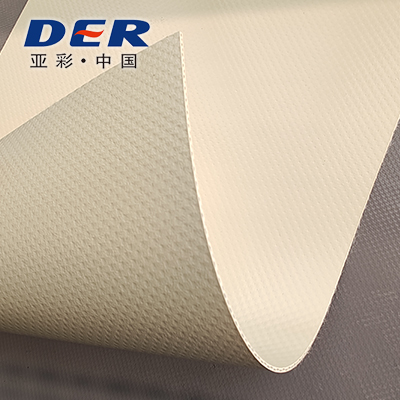
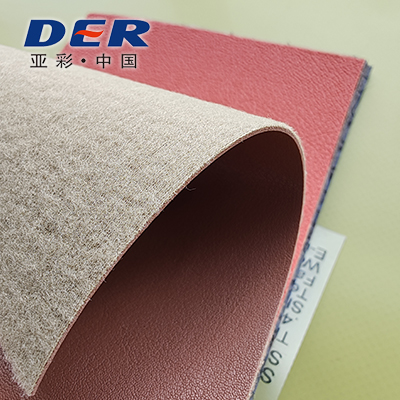
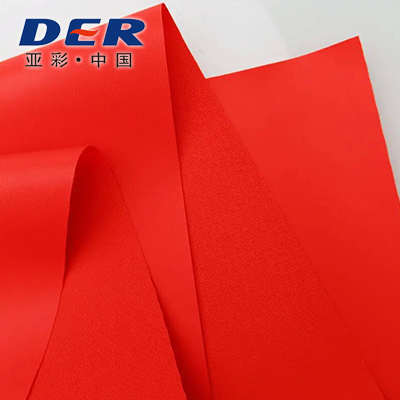
DERFLEX TPU Material Image Pack
Real DERFLEX-hosted product and application images with descriptive alt text and captions help buyers understand the material while strengthening image-search relevance.
How to Buy TPU Material Without Creating a Specification Gap
A useful RFQ converts the finished product, environment and fabrication method into a testable material standard.
Send These 10 RFQ Inputs
- Finished product or application
- Contained medium: air, water, oil, fuel, chemical or none
- Expected pressure/load and service temperature
- Polyether or polyester TPU preference, if known
- Film only or nylon/polyester reinforced textile
- Single-side, double-side, coated or laminated structure
- Target GSM / TPU thickness / width / color / finish
- Welding or lamination process: HF/RF, hot air, heat seal, bonding
- Required test or compliance standard
- Quantity, destination, roll length and packing requirement
Sample Before Bulk
Confirm hand feel, color, surface, peel/bond, welding, waterproof or air-retention behavior and finished-product compatibility on the real process.
Freeze the Bulk Standard
Link the approved sample to a written specification covering tolerances, roll format, labels, packaging and the QC checks required for repeat orders.
Test the Failure Mode
For inflatables, test seams and air retention. For tanks, test the actual liquid. For covers, test abrasion, folding and fastening stress—not only a generic waterproof number.
Compare Total Conversion Risk
A lower price per meter can be expensive if the material produces narrow weld windows, excessive scrap, unstable color or repeat-order variation.
Common TPU Material Buying Mistakes
These issues frequently create trial delays, seam failures or sample-to-bulk inconsistency.
Why OEM Buyers Work with DERFLEX on TPU Material Programs
TPU sourcing is most reliable when the supplier can connect material architecture, conversion method, sample validation and repeat bulk supply.
Application-Led Selection
DERFLEX reviews water/oil contact, pressure, abrasion, folding, welding route and target product feel before recommending a material direction.
Film + Fabric Portfolio
Buyers can compare TPU film, coated fabric and laminated structures instead of forcing one material format into every product.
Custom OEM Direction
Base fabric, TPU type, layer thickness, color, surface, width, roll length, functional direction and export packaging can be discussed by program.
Repeat Supply Control
Approved samples, written specifications and agreed QC points help reduce variation between development samples and repeat bulk orders.
6 Related DERFLEX TPU Material Pages
These internal links move buyers from a broad “TPU material” search into the exact product format or application they need.
Turn “TPU Material” into a Testable OEM Specification
Send DERFLEX your finished product, service environment, TPU format, target thickness/GSM, width, color, welding method, quantity and required tests. If some parameters are unknown, include a reference sample or product photo and the performance problem you want to solve.
TPU Material FAQ for Buyers & Engineers
Direct answers designed for search snippets, AI summaries and procurement teams.
What is TPU material made of?
TPU stands for thermoplastic polyurethane. It is a thermoplastic elastomer made from polyurethane chemistry. In DERFLEX roll goods, TPU is supplied as film or combined with nylon/polyester textile reinforcement by coating or lamination.
What is TPU material used for?
TPU material is used for waterproof bags, inflatable boats and air chambers, medical air cushions, marine safety products, flexible water tanks, oil bladders, spill containment, protective covers, lamination layers and other flexible products that need a combination of strength, flexibility, sealing and abrasion resistance.
Is TPU material waterproof?
TPU film can form a waterproof barrier, and TPU-coated or laminated fabric can be used in waterproof products. Finished-product waterproofness also depends on seams, welding parameters, valves, fittings and product geometry.
What is the difference between polyether TPU and polyester TPU?
Polyether TPU is commonly evaluated for moisture, hydrolysis, water contact and low-temperature flexibility. Polyester TPU is commonly evaluated for abrasion, mechanical strength and oil-related exposure. The final grade should be validated against actual service conditions.
Can TPU material be welded?
Many TPU film and textile grades can be processed with HF/RF welding, hot-air welding or heat sealing. Welding performance depends on TPU chemistry, layer thickness, surface, reinforcement, seam design and machine settings, so a production trial is recommended.
Is TPU better than PVC?
Not universally. TPU is often favored for premium flexible products where elasticity, abrasion resistance, low-temperature flexibility and PVC-free positioning matter. PVC coated fabric can be more economical for heavy-duty covers, tarps, tents and many welded industrial products. Choose by application, processing method, service environment and cost target.
Is TPU material recyclable?
TPU is thermoplastic and can be reprocessed in suitable material streams, but practical recyclability depends on the grade, additives, whether it is bonded to another textile, contamination and the local recycling system. Do not treat “recyclable” as a universal end-of-life guarantee.
What information is needed for a TPU material quotation?
Provide the application, contained medium if any, pressure/load, working temperature, film or reinforced fabric format, polyether/polyester preference, coating side, target thickness/GSM, width, color, finish, welding or lamination method, test requirements, quantity and destination.