High-Tenacity Polyester Base
500D, 840D, 1000D, 1100D or other yarn and density options provide the mechanical framework. Yarn selection, thread count and weave stability should be matched to wind load, tarp size and handling frequency.



 Custom Coated Fabric & Finished Cover Supply
Waterproof PVC coated polyester tarpaulin for field shelters, vehicle and equipment protection, mobile logistics, temporary storage and emergency support systems.
DERFLEX supplies roll material, welded panels and finished custom military tarpaulin for buyers who need defined strength, controlled color, reinforced fixing points and repeatable specifications rather than a generic ready-made cover.
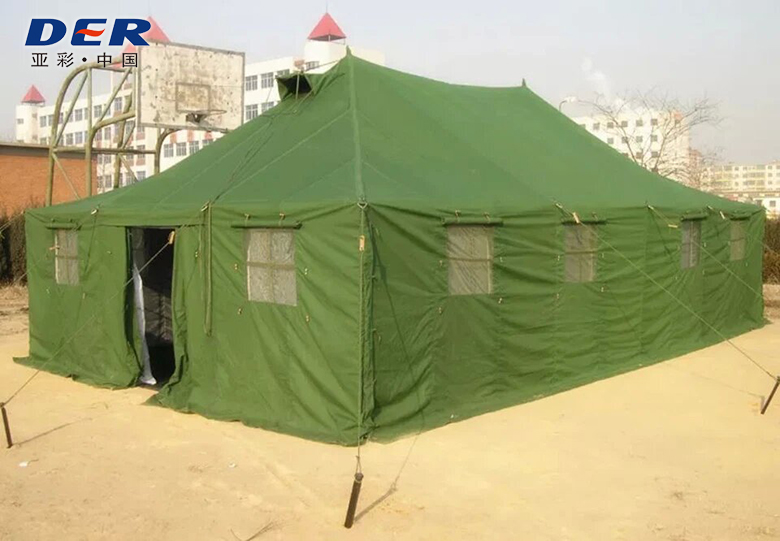
Military tarpaulin is a flexible protective sheet or fabricated cover used where weather exposure, repeated handling and fast deployment place greater demands on the material. Typical formats include olive or camouflage roll goods, vehicle covers, field shelter panels, equipment covers, ground sheets, temporary roofs and logistics protection tarps.
The practical performance comes from the complete construction: polyester yarn and weave, PVC coating weight, adhesion, surface finish, seam method, edge reinforcement and fastening layout. A heavy-looking sheet can still fail early when the fabric is weak, the coating separates, the eyelets are placed outside reinforced zones or the finished cover is tensioned incorrectly.
DERFLEX therefore develops a military tarpaulin around the end use. Importers, defense supply contractors, tent and cover manufacturers, emergency-response suppliers and industrial fabricators can source roll material or finished products with a controlled bill of specification for repeat orders.
Standard PVC military tarpaulin is a weather-protection and fabrication material. Ballistic protection, infrared signature management, electromagnetic shielding, chemical-agent protection or other specialized functions are not implied unless separately engineered, tested and documented for the project.
The correct layer combination balances strength, flexibility, waterproofing, fabrication efficiency and outdoor service conditions.
500D, 840D, 1000D, 1100D or other yarn and density options provide the mechanical framework. Yarn selection, thread count and weave stability should be matched to wind load, tarp size and handling frequency.
The PVC layer creates the waterproof surface, protects the textile core and provides weldability. Coating formulation can be adjusted for flexibility, UV exposure, low-temperature use, mildew resistance or project-specific fire behavior.
Matte, lacquered, embossed or anti-slip directions can be discussed. The final construction also includes welded seams, sewn-and-sealed areas, hems, webbing, eyelets and stress-point reinforcement.
PVC coated polyester combines a strong woven base with a continuous protective surface. Compared with untreated cotton canvas, it absorbs less water and is easier to clean. Compared with lightweight PE sheet, it normally provides a more robust route for welding, repeated folding, custom fabrication and long-term cover programs.
The final choice should still be made against the required service life, handling method, storage conditions, temperature range and procurement budget.
Each property should be connected to a real deployment risk and, where critical, to an agreed test method and acceptance value.
A continuous PVC surface protects covered equipment and supplies from rain. Finished-product waterproofing also depends on seam design, attachment penetrations and correct drainage.
Base fabric and coating adhesion are selected to resist pulling, wind flutter and local damage. Large covers require reinforced load paths rather than eyelets installed in unreinforced sheet.
Surface formulation, heavier construction and sacrificial patches can reduce wear where the tarp contacts frames, corners, vehicle bodies or rough ground.
UV-stabilized formulations and suitable pigments can support longer outdoor exposure. Expected life should be assessed against climate, tension, cleaning and storage—not stated as one universal number.
Low-temperature flexibility and anti-mildew treatments can be selected for cold, tropical or high-humidity projects. Actual test requirements should be included in the purchase specification.
Compatible PVC structures can be hot-air or high-frequency welded to create large panels and sealed seams. Production parameters are confirmed through sample trials before mass fabrication.
The values below are sourcing directions, not a single fixed SKU. Final parameters are confirmed in the approved technical data sheet and sample.
| Parameter | Common Direction | Selection Logic |
|---|---|---|
| Product format | Roll goods, cut panels, welded sheets or finished custom covers | Select according to the buyer’s converting capability and installation plan. |
| Base fabric | High-tenacity polyester; 500D, 840D, 1000D, 1100D, 1300D or custom weave | Higher yarn and density are considered for larger covers, higher tension and repeated handling. |
| Construction | PVC coated or PVC laminated polyester fabric | Coated routes are commonly discussed for controlled adhesion and demanding use; laminated routes may fit other cost and performance targets. |
| Total weight | 450–1100 gsm common development range; other structures by review | Weight alone does not determine quality; yarn, coating adhesion and reinforcement are equally important. |
| Thickness | Approximately 0.35–1.00 mm depending on construction | Confirm using the agreed method and tolerance in the technical data sheet. |
| Roll width | 1.5–3.2 m commonly supplied; wider formats up to 5.1 m can be discussed by process | Wider material may reduce seams, while narrower rolls can improve handling and production flexibility. |
| Color / print | Olive drab, forest green, tan, desert tones, grey, black or custom camouflage print | Color standard, gloss level and approved artwork should be supplied. Custom patterns remain subject to artwork and intellectual-property approval. |
| Surface finish | Matte, semi-gloss, lacquered, embossed or selected anti-slip direction | Choose based on cleaning, appearance, blocking resistance, folding and end-use contact. |
| Temperature direction | Typical outdoor formulation around -30°C to +70°C; special cold-resistant options by project | Test temperature, dwell time and pass criteria must be specified for critical climates. |
| Optional treatments | UV stabilization, anti-mildew, flame-retardant, cold-resistant, enhanced abrasion or oil-resistance directions | Options may affect color, hand feel, welding and cost; sample validation is recommended. |
| Finished edges | Folded hem, rope-in-hem, webbing reinforcement, double layer or replaceable wear patches | Reinforcement is mapped to expected load and abrasion zones. |
| Hardware | Galvanized, brass or stainless eyelets; D-rings, buckles, straps, hooks or custom attachments | Hardware grade, spacing and pull direction should be defined in the drawing. |
| Packaging | Roll, folded bundle, individual bag, carton, pallet, neutral or private-label packing | Lot identification, barcode, carton marks and spare-part grouping can be included. |
Finished-product reliability depends on translating the operating load into seam, edge, fixing and packaging details.
Rectangular sheets, shaped machinery covers, roof-and-wall panels, vehicle covers and multi-panel shelter systems can be developed from drawings, samples or measured dimensions.
Hot-air or high-frequency welding can form sealed PVC seams. Sewn zones can be added where needed, with seam-sealing evaluated according to the waterproof requirement.
Webbing, double-layer hems, rope-in-hem, corner patches and wear strips are positioned where wind, pulling, frame contact or repeated folding concentrates stress.
Custom color, approved camouflage artwork, identification marks, care labels, lot codes, private-label packaging and replacement-part grouping can be discussed.
Confirm use, climate, dimensions, loading and test requirements.
Match base fabric, coating, finish, color and optional treatments.
Review appearance, welding, reinforcement and test results where required.
Produce against the approved data sheet, drawing and packaging instruction.
Check defined dimensions and properties, then record lot information for repeat supply.
The same material family can support different products when the construction and fabrication are adjusted for each deployment profile.
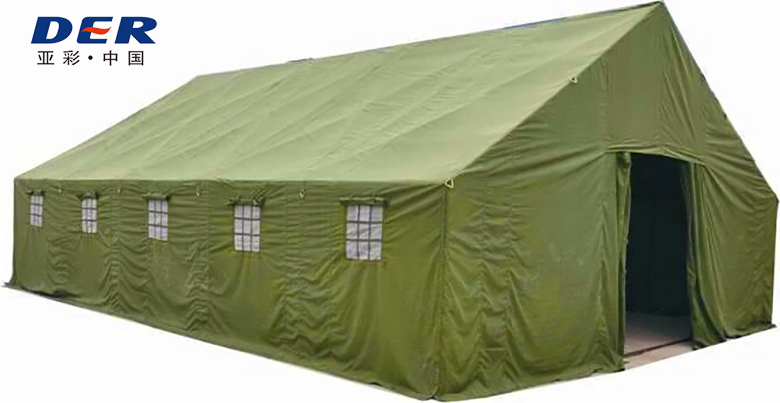
Weather protection for utility vehicles, transport trailers and cargo platforms, with abrasion patches and tiedown spacing defined around the vehicle body.
Custom covers for generators, communications cases, machinery, storage racks and field equipment where dust, rain and handling are the primary risks.
Reusable panels and covers for palletized supplies, maintenance zones, mobile warehouses and staged logistics inventory.
Rapid shelter, ground cover and temporary weather-protection systems for civil defense, disaster response and humanitarian logistics programs.
Shade, rain fly, privacy screen, ground sheet and field-work cover applications where compact handling and repeat use are important.
Military tarpaulin wholesale supply for importers, distributors, tent makers, fabricators and private-label cover brands with controlled repeat specifications.
DERFLEX can organize material and finished-cover inspection around the agreed technical data sheet. Relevant checks may include total weight, width, thickness, tensile strength, tear strength, coating adhesion, color, surface quality, welding appearance, dimensions, hardware placement and packaging.
Third-party or laboratory testing can be discussed for project requirements. Standards such as ISO 1421 for tensile strength, ISO 4674-1 for tear properties, ISO 2411 for coating adhesion or specified fire-test methods may be used where relevant. The applicable test, sample conditioning and pass criteria must be stated in the contract; certification is not assumed across all constructions.
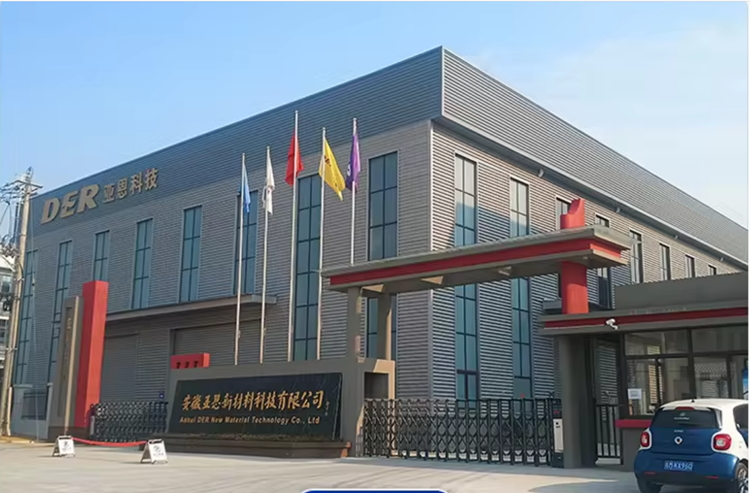
Compare the supplier’s ability to control the full specification—not only the sample color, unit price or nominal GSM.
Six related internal pages help buyers move from the broad cover requirement to a specific fabric, performance level or fabrication route.
Clear answers for material selection, customization, testing and wholesale procurement.
A common heavy duty military tarpaulin uses high-tenacity polyester base fabric with PVC coating or PVC lamination. The textile core provides tensile and tear strength, while the PVC layer provides waterproofing, surface durability and weldability. The exact yarn, density, weight and finish should be selected for the end use.
The coated fabric is designed to provide a waterproof barrier. For a finished cover, overall water protection also depends on welded or sealed seams, reinforcement penetrations, installation angle and drainage. The required test method can be included in the project specification.
Yes. DERFLEX can discuss olive, green, tan, grey, black, desert tones and custom printed patterns. Buyers should provide a color reference or approved artwork. Production remains subject to technical feasibility, minimum quantity and intellectual-property review.
There is no universal GSM. Lighter constructions may suit compact temporary covers, while 550–900 gsm is often evaluated for reusable covers, vehicle protection and shelter panels. Larger spans, high wind, severe abrasion or special reinforcement may justify a heavier or stronger construction. Yarn, weave, coating adhesion and fabrication design matter as much as total weight.
Yes. Supply formats can include rolls, cut sheets, welded panels and finished covers with hems, webbing, eyelets, D-rings, straps, buckles, wear patches, labels and custom packaging. A drawing or physical sample is recommended for shaped covers.
Optional formulations can be discussed. The required standard, classification, test method and climate condition must be stated before development. A claim applies only to the tested construction and should not be assumed for every color, weight or coating formula.
DERFLEX supports B2B roll supply, finished-cover wholesale, OEM specifications and private-label packaging for importers, distributors, tent manufacturers, cover fabricators and project suppliers. Minimum quantities depend on the material, print, size, hardware and packaging requirements.
Share the application, dimensions, color, target weight, reinforcement layout, required tests and estimated quantity. DERFLEX will review the material and fabrication direction for quotation.