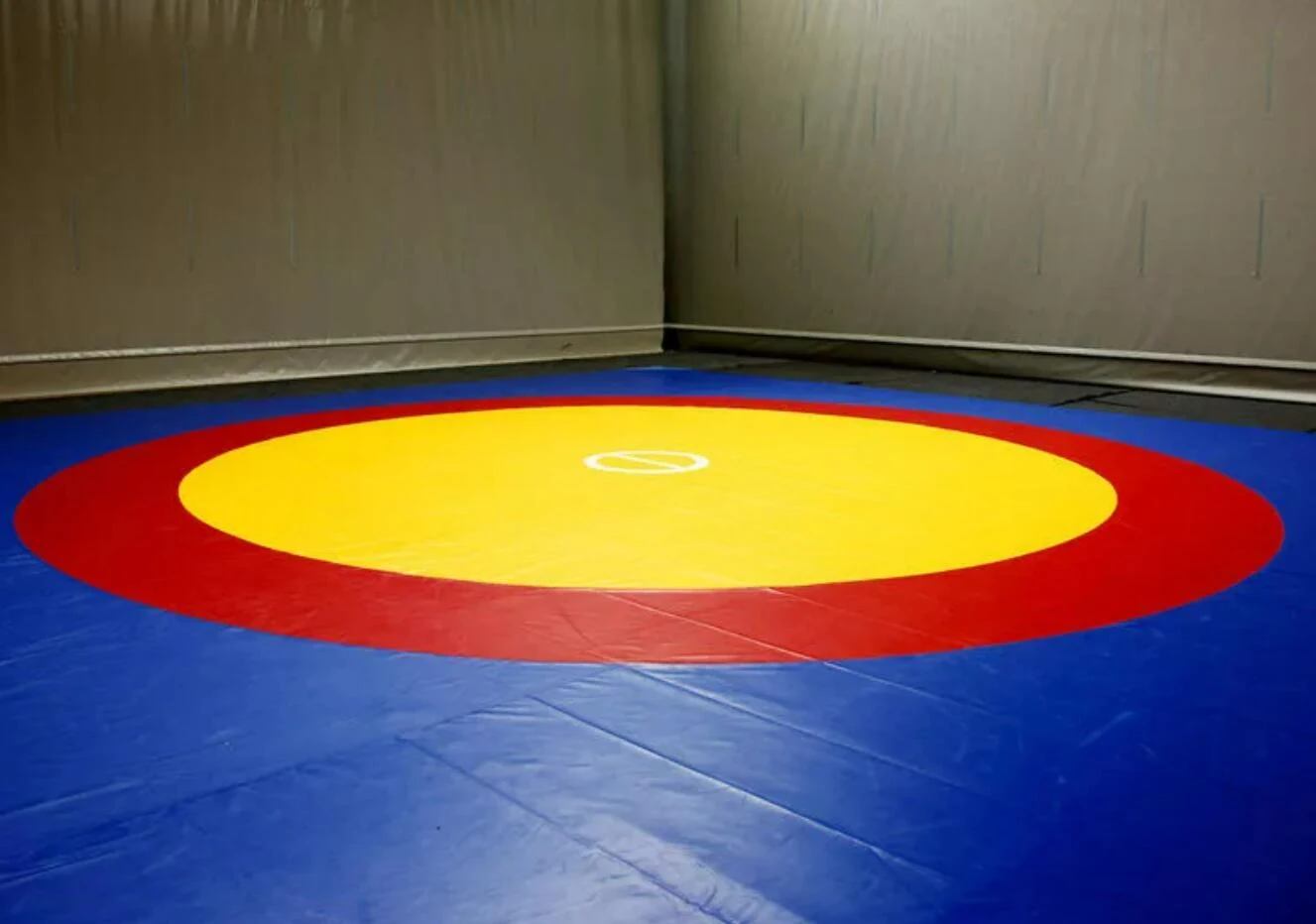
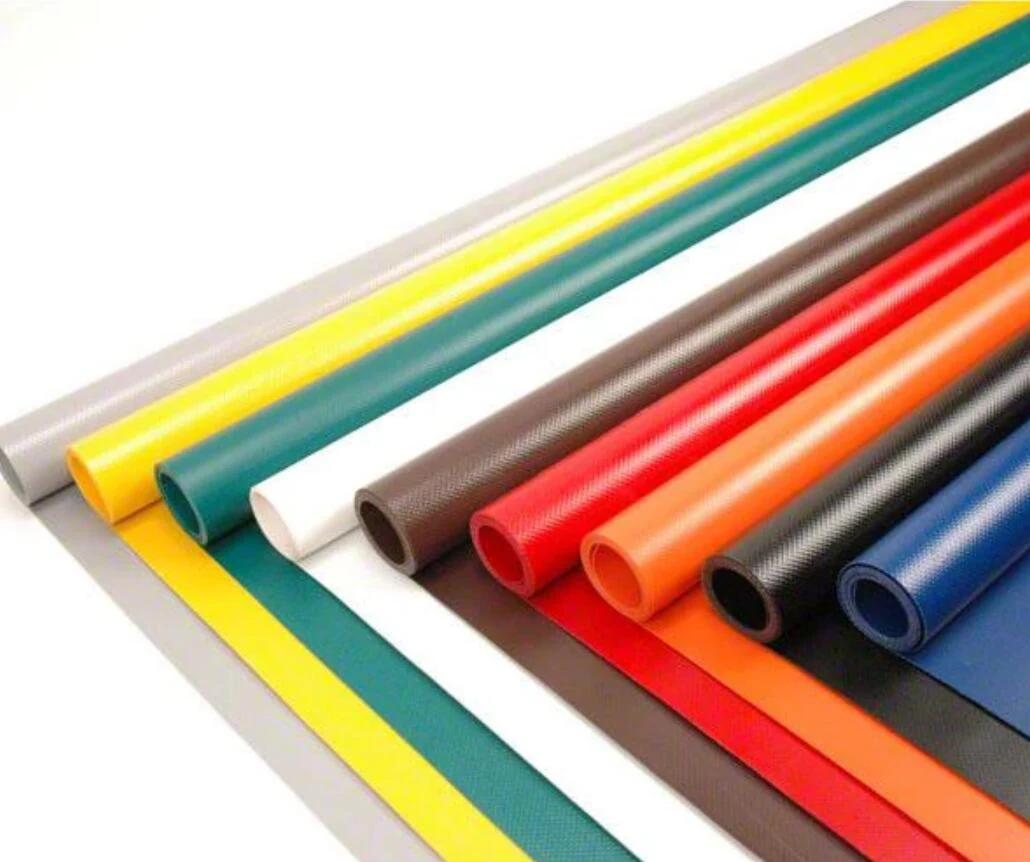
| Material construction | PVC-coated polyester fabric, proposed grade and intended training use. | Review the actual surface and backing. A general outdoor tarp grade should not be assumed suitable for athlete contact. |
|---|
| Surface & feel | Finish, preferred face orientation and the facility’s requirements for barefoot movement and ground work. | Assess a sample for grip and skin-contact feel in the intended use conditions, including the approved cleaning routine. |
|---|
| Weight & thickness | Material mass in g/m² or oz/yd²; thickness in mm if relevant, with tolerances. | Keep the two measurements separate. Fabric mass cannot be converted directly into thickness without further material data. |
|---|
| Size & geometry | Finished outline, reference dimensions, diagonals, perimeter allowance and any cut-outs. | Separate the padded footprint from the finished cover size. Confirm dimensions on the drawing used for production. |
|---|
| Panels & joins | Usable fabric width, number of panels, seam positions, weld direction and installation orientation. | Request a representative joint sample. Review raised edges, continuity and the join’s behavior when fitted. |
|---|
| Perimeter fixing | Plain edge, batten interface or another agreed fixing detail; any hook-and-loop or eyelet requirement. | Confirm the specific construction is available. Locate hard or abrasive components away from athlete contact and protect the transition. |
|---|
| Color & graphics | Approved physical color reference; logo size, location and artwork where printing is requested. | Check printed and unprinted areas for consistent surface behavior, cleaning compatibility and appearance. |
|---|
| Documentation | Required material data, restricted-substance declarations or venue-specific test evidence. | Match evidence to the offered grade and use. Do not treat a fabric report as certification of the complete mat system. |
|---|