- tarp
- PVC coated fabrics
- Tarpaulin
- Sunscreen Fabric
- Flexible Ventilation Duct
- TPU coated fabric
- Frontlit banner
- PVC flex backlit
- Blockout banner
- PVC vinyl sticker
- PVC mesh banner
- PVC preformated vinyl
- Reflective vinyl
- Dye Sublimation fabric
- PVC Stretch Ceiling Film
- Super clear pvc film
- TPO coated fabric
- Automotive Protection Film
- Inkjet media
- Textile banner
- Mesh banners
- New Products
- customized PVC tarps products
- PVC Foam Board Sheet
- Profile download

- Services Hotline
+86-021-54361792 / 54361798 - Email
sales@derflex.com

|
|
Trailer Tarp
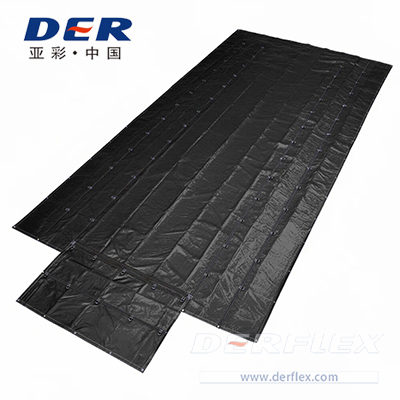
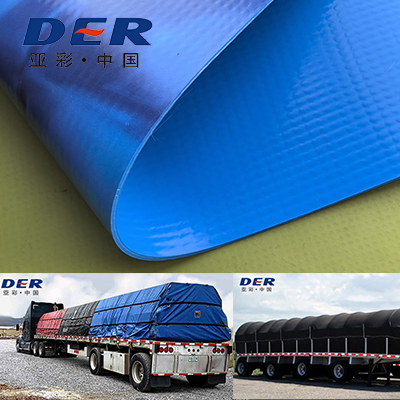
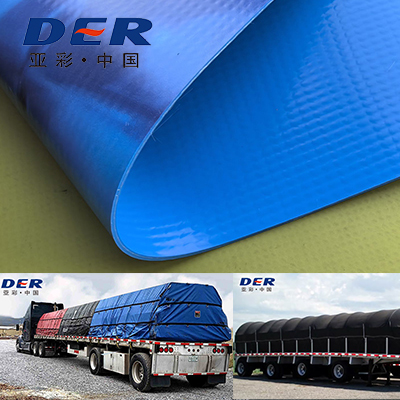
DERFLEX trailer tarp solutions for cargo protection, trailer covers, side systems, fleet replacement, and OEM projects. Custom size, reinforced finishing, durable PVC coated fabric, stable lead time, and factory-direct support.
|
|
||||||||||||||||||||||||||||||||||||||||||||||||||
Factory Direct Trailer Tarp Solutions
Trailer Tarp Manufacturer for OEM, Fleet, Cargo Protection, and Custom Trailer Cover ProjectsDERFLEX builds trailer tarp solutions for buyers who need more than a generic cover sheet. From PVC trailer tarpaulin rolls to finished heavy duty trailer tarp systems, we help distributors, trailer body builders, fleets, logistics buyers, and OEM programs source the right material structure for repeated outdoor use, secure load coverage, stable product quality, and practical long-term procurement. What serious trailer tarp buyers usually care aboutTrailer tarp purchasing is rarely about “finding a cover.” It is about matching the tarp to the trailer structure, cargo condition, fastening method, route environment, handling frequency, replacement target, and price band that makes sense for the business model. A buyer sourcing for resale, fleet service, or trailer assembly needs dependable performance, not just an attractive quotation line. That is why this page is built around actual B2B purchase logic: material structure, waterproof performance, tear resistance, custom dimensions, reinforced hems, edge details, accessories, production consistency, export readiness, and repeat-order stability. Custom Size Heavy Duty PVC Factory Supply Application-Fit Design
OEM ReadySupport for custom size, GSM, color, finishing, reinforcement, and packaging.
Application DrivenSuitable for trailer covers, logistics transport, side systems, and replacement demand.
Quality FocusedBuilt around repeatable material selection, process control, and shipment consistency.
Commercial SupportDesigned for importers, distributors, fleets, contractors, and trailer manufacturers. What Is a Trailer Tarp?A trailer tarp is a heavy duty protective cover or tarp material system designed for trailers, cargo bodies, hauling platforms, curtain-style structures, and transport-related weather protection. In serious commercial use, the trailer tarp is not just a sheet placed over goods. It becomes part of a working transport system that protects cargo value, supports cleaner transit, reduces weather exposure, and helps operators maintain more predictable handling across repeated trips. At the most basic level, a trailer tarp is meant to cover and protect. In practice, that simple description is not enough. A tarp used on a commercial trailer may need to tolerate wind pressure during highway transport, repeated tension at anchor points, friction against trailer frames, occasional contact with load edges, UV exposure during long parking periods, rainfall, dust, mud, temperature swings, and fast daily opening and closing cycles. A tarp that performs well in that environment must be engineered as a functional transport component rather than treated as a disposable accessory. Professional buyers therefore use the term trailer tarp in several related ways. Sometimes they mean a finished trailer cover with hems, eyelets, ropes, buckles, webbing, sleeves, pockets, or welded joints. Sometimes they mean PVC trailer tarpaulin material supplied in rolls for later fabrication. In other cases, they are looking for a custom trailer tarp manufacturer who can convert exact trailer dimensions and cargo use conditions into a practical finished solution for resale or direct fleet deployment. The search term stays simple, but the sourcing task is usually technical and commercial at the same time. For transport businesses, the right trailer tarp helps preserve cargo value. That matters whether the trailer is carrying palletized industrial products, building materials, farm output, bagged goods, consumer-packaged freight, machinery components, or route-based general cargo. Moisture can damage packaging, dust can contaminate surfaces, sunlight can age exposed products, and poor cover fit can create flapping, stress, and accelerated tarp failure. Every one of those issues has a cost. The tarp therefore affects not only product protection but also claims management, service reliability, replacement frequency, and total fleet operating efficiency. Trailer tarps are also common in aftermarket and replacement demand. Many buyers are not ordering complete new trailer systems. They are replacing worn covers, upgrading low-grade materials, standardizing fleet specifications, or building a better private-label product line for a distribution market. In those cases, the most useful supplier is usually the one that understands how dimensions, GSM, coating quality, reinforcement, and accessory configuration work together in real field use. A trailer tarp that is technically overbuilt may raise cost without improving results, while one that is underbuilt can fail too quickly and damage trust with end users. From a materials perspective, one of the most common professional choices is PVC coated polyester. That structure combines a strong woven polyester base fabric with protective PVC coating layers. The result can deliver a useful balance of tensile strength, tear resistance, waterproof performance, flexibility, weldability, and printability. It also supports customization. Buyers can adjust thickness, roll width, color, lacquer, flame-related options, edge finishing, and other details according to market demand and operating environment. For this reason, many transport buyers prefer PVC trailer tarp systems over commodity-grade alternatives that are cheaper up front but less reliable in repeated commercial use. When buyers search for phrases such as trailer tarp manufacturer, trailer tarp supplier, custom trailer tarp, PVC trailer tarpaulin, waterproof trailer cover, or heavy duty trailer tarp, they are usually not comparing only one variable. They are balancing performance, durability, handling convenience, repeat-order stability, and commercial fit. One buyer may prioritize value engineering for a wholesale market, another may focus on service life for a fleet account, and another may need branding, custom colors, and packaging for retail distribution. A good trailer tarp page should address all of these realities because that is how real procurement decisions are made. DERFLEX approaches trailer tarp supply from that practical B2B viewpoint. Instead of reducing the discussion to “weight plus price,” we focus on how the tarp will be used, how often it will be handled, what kind of trailer it must fit, what the cargo environment looks like, and what supply expectations the buyer must meet in their own market. That is the difference between selling a tarp and supporting a workable trailer tarp program. Buying insight: the best trailer tarp is not always the heaviest one. The best option is the structure that matches route conditions, handling frequency, fastening method, cargo type, and replacement target while still fitting the buyer’s cost model. Need a trailer tarp that fits real transport use?Tell us the trailer type, required dimensions, material preference, finishing details, quantity, and target market. We can recommend a more practical trailer tarp construction for your project. Key Features Buyers Expect from a Competitive Trailer Tarp SupplierA trailer tarp used in serious hauling, logistics, and trailer manufacturing must solve more than one problem at the same time. It should be durable enough for repeated handling, flexible enough for installation and daily operation, and consistent enough for multi-batch or repeat-order purchasing. 1. Waterproof Performance That Matters in TransitWaterproofing is one of the first reasons businesses buy a trailer tarp, but not all waterproof claims mean the same thing. For a professional buyer, waterproof performance needs to work during moving transport, not just in a static showroom test. Rain can be driven sideways by wind, pooled around folds, or forced through weak seams and edge areas if the tarp is poorly made. A reliable trailer tarp should therefore combine stable coating integrity with sound finishing logic so water protection holds up under actual route conditions. A better waterproof trailer tarp protects product quality, reduces damaged packaging, supports cleaner unloading, and lowers the chance of customer complaints tied to moisture exposure. This matters whether the trailer is carrying general freight, agricultural materials, industrial components, replacement parts, or packaged consumer goods. In practical buying terms, good waterproof performance is not a luxury specification. It is one of the foundations of transport reliability. 2. Tear Resistance for Repeated Wind and Tension ExposureTear resistance becomes important whenever a trailer tarp experiences flapping, frame contact, cargo-edge stress, or repeated pull force around grommets and anchor zones. Many tarp failures begin as small surface or edge damage and then grow quickly when the trailer returns to highway use. Serious buyers know that a tarp may look acceptable on day one and still fail too early if the base fabric and reinforcement logic are too weak for real service conditions. That is why heavy duty trailer tarp development should pay attention to yarn strength, weave stability, coating adhesion, and finishing detail. The goal is not merely to survive a single delivery but to maintain usable performance through repeated installation, opening, closing, and transport cycles. When the tarp lasts longer and fails less often, the buyer gains more predictable operating cost and better end-user satisfaction. 3. UV Stability for Outdoor Parking and Long-Distance UseMany trailers spend substantial time outdoors between loading, unloading, staging, and route turnover. Continuous sun exposure can weaken low-grade tarp materials, especially when the cover is under stress or folded in the same areas repeatedly. UV stability matters because exposure damage often develops gradually. The tarp may start with fading or stiffness, then lose flexibility, and finally become more vulnerable to cracking, tearing, and shortened service life. For buyers serving warm regions, export markets, open-yard logistics environments, or fleets with long parking periods, UV resistance can be a decisive differentiator. A trailer tarp with better outdoor stability usually protects both cargo and brand reputation more effectively over time. It also reduces the frustration that comes when a cover fails earlier than expected even though the dimensions and fit seemed correct. 4. Reinforced Finishing That Addresses Real Failure PointsIn many commercial tarps, the most critical problems do not begin at the center of the sheet. They begin at hems, corners, eyelets, sleeves, buckle zones, or high-stress edge positions where force concentrates during tying and movement. Buyers who have dealt with early failure understand this immediately. They do not want a tarp that performs well only in the middle while the attachment points fail under daily use. A strong trailer tarp program should therefore look at reinforcement as part of system design. That may include welded hems, folded edges, webbing integration, corner patching, rope reinforcement, buckle position planning, eyelet spacing, or higher-strength finishing around repeated tension zones. When finishing is treated seriously, the tarp becomes easier to use and more dependable in service. 5. Flexible Customization for Different Trailer StructuresTrailer tarp demand is highly variable. Buyers may need flat covers, drop-side formats, side-curtain compatible structures, pocket-based attachment designs, reinforced roll-up sections, or finished covers for specific trailer lengths and widths. Standard stock sheets only solve a small part of that market. OEM buyers, distributors, and trailer body builders often need a custom trailer tarp supplier who can work from dimensions, drawings, photos, or sample references rather than from a narrow pre-set catalog. Customization is also commercial. A buyer may need different colors for brand identity, different GSM levels for different product tiers, or different packaging for bulk resale and project use. The more clearly a supplier can align production with actual market needs, the more valuable that supplier becomes. Custom does not mean complicated for its own sake; it means suitable. 6. Balanced Strength and Handling ConvenienceA trailer tarp should be strong, but it must also remain usable. Overly stiff materials can be harder to fold, position, secure, and handle in day-to-day work. Materials that are too light may be easier to move but can fail under load stress or route exposure. The right balance depends on trailer size, cargo exposure, user habits, and the level of durability the buyer needs to deliver to the end market. This is one reason why serious buyers do not choose only by thickness. They evaluate how the tarp behaves in installation, how easily it can be tensioned, whether it stays manageable in different temperatures, and whether it supports efficient daily operations. A well-balanced trailer tarp improves user experience while still delivering the mechanical performance expected from a heavy duty transport product. 7. Stable Lead Time and Repeat-Order ConsistencyPerformance matters, but supply reliability matters too. A distributor, fleet service company, or trailer manufacturer can lose time and credibility if repeat orders arrive with inconsistent color, variable coating feel, different accessory quality, or uncertain scheduling. Many B2B buyers therefore prefer factory-oriented partners who can communicate clearly about production planning, specification control, and batch continuity. Stable lead time is especially important for buyers managing inventory cycles, scheduled installations, or project shipments. A dependable trailer tarp manufacturer helps reduce sourcing friction by making the commercial process more predictable. That predictability is often worth as much as small unit-cost savings because it protects planning accuracy and customer commitments. 8. Quality-Oriented Documentation and Requirement MatchingProfessional trailer tarp procurement often involves more than a visual sample. Buyers may need clear specification confirmation, performance discussions, finishing details, packaging requirements, application notes, and documentation related to project standards or market expectations. A quality-oriented manufacturer should be able to align production with those requirements instead of treating them as afterthoughts. This does not mean every order needs a complicated approval structure. It means the supplier should understand how to confirm what matters: material type, GSM, width, roll length, color tolerance, edge method, accessory options, packaging logic, and any project-specific compliance expectations. Clear confirmation before production usually leads to fewer misunderstandings after shipment. Technical Specifications and Build Variables for Trailer Tarp ProjectsThere is no single universal specification for every trailer tarp. The right build depends on how the tarp is used, how often it is handled, what the fastening system looks like, and what service-life expectations the buyer needs to meet.
One of the most common buying mistakes in trailer tarp sourcing is selecting specifications by habit rather than by use condition. A buyer may think a heavier tarp is always better, but in some markets a slightly lighter, better-balanced structure can improve handling without sacrificing required performance. Another buyer may assume a standard width is acceptable, only to discover later that extra seams or field adjustments create more labor, more wear points, and less attractive finished results. The purpose of technical specification review is to prevent those unnecessary compromises before they appear in production or end use. GSM is important, but it should not be read in isolation. Two tarps with similar nominal weight may behave differently depending on the quality of the base fabric, the coating process, and the finishing method. The buyer should therefore consider the full construction logic. A trailer tarp used on a replacement market may need a different balance than one designed for new-trailer assembly. A fleet buyer who opens and closes covers daily may prioritize durability at stress zones, while a resale buyer may focus more on marketable strength and price positioning. The right supplier should help map those differences clearly instead of forcing one standard option into every inquiry. Base fabric deserves more attention than it often receives. The woven polyester scrim under the coating provides much of the tarp’s structural behavior. A stronger, more stable scrim can improve dimensional integrity and reduce the chance that the tarp deforms too quickly under tension. This matters when the cover must fit a specific trailer body, maintain cleaner edge lines, or hold up to highway wind. If the base fabric is weak or inconsistent, the finished cover may look acceptable at first yet lose practical performance sooner than expected. Finishing details should also be discussed early. Many buyers wait until late-stage quoting to decide where the hems go, how the eyelets are spaced, whether rope reinforcement is needed, or what kind of corner strengthening is appropriate. That approach can lead to avoidable revision cycles. For a better result, the supplier and buyer should confirm how the tarp will actually be used: tied down manually, tensioned with hardware, rolled repeatedly, slid across surfaces, or mounted to a specific trailer body design. The more realistic that discussion is, the more suitable the finished trailer tarp becomes. Color and surface finish are not merely cosmetic. In some markets, appearance affects resale potential, fleet branding, dirt visibility, and replacement matching. In others, the surface finish can influence how easily the tarp is cleaned and how it performs after repeated exposure to weather and dust. A glossy finish may look attractive in one channel, while a matte or lacquer-oriented surface may be more practical in another. Good trailer tarp sourcing looks at appearance as part of operational and commercial fit, not as a separate decorative choice. Finally, the specification sheet should serve the order process, not complicate it. A strong trailer tarp manufacturer helps organize the technical variables into a usable structure so the buyer can approve material logic, finishing requirements, and packaging expectations with confidence. That reduces risk, protects communication, and supports smoother production planning. OEM trailer tarp project in planning?We support custom dimensions, specific trailer formats, private-label supply, finished tarp assembly logic, and export-oriented bulk production planning. OEM, Custom, and Private-Label Trailer Tarp ManufacturingFor many B2B customers, the real value of a trailer tarp supplier is customization capability. Stock products help in some situations, but large parts of the commercial market depend on made-to-measure production, application-specific reinforcement, and stable factory execution across repeated orders. OEM trailer tarp demand usually comes from one of several business models. The first is distribution, where a buyer wants to build or expand a product line under their own brand or for a target dealer network. The second is trailer manufacturing or body building, where the tarp must integrate with a known vehicle format and support a consistent finished product. The third is fleet maintenance or service replacement, where accuracy, durability, and delivery reliability matter because the tarp is part of an ongoing operation. The fourth is project supply, where one or more custom features are necessary to fit a specific transport or protection scenario. Each of these models benefits from a supplier that can turn usage requirements into a practical production plan. Custom trailer tarp manufacturing often begins with dimensions, but it should not end there. Size matters, of course, because a tarp that does not fit the trailer body correctly can cause handling problems, excessive wind movement, or poor cargo coverage. Yet a tarp can match the dimensions on paper and still be commercially wrong if the GSM is not suitable, the accessory configuration is incomplete, or the reinforcement is not positioned where daily stress occurs. A capable manufacturer therefore looks beyond size to material behavior, edge engineering, fastening details, and expected duty cycle. Private-label buyers usually need additional control points. They may require specific color consistency for brand identity, custom carton markings, branded labels, SKU references, or packaging structures that fit retail, wholesale, or dealer-channel logic. In these cases, the factory must do more than produce the tarp itself. It must also help the buyer create a cleaner commercial presentation that supports their downstream sales process. That is why OEM success depends on communication quality as much as on manufacturing capacity. Custom development can also reduce unnecessary cost. This may sound counterintuitive because people often assume customization automatically makes a product more expensive. In reality, a made-to-measure trailer tarp can lower total cost when it reduces material waste, minimizes field modifications, improves durability, or decreases replacement frequency. If the tarp is built more appropriately for the way it will be used, the buyer may gain better long-term value even if the initial unit price is not the absolute lowest available in the market. Lead time planning is another essential part of OEM supply. Buyers serving seasonal demand, scheduled installation windows, or regular replacement cycles cannot rely on vague production timing. They need a supplier who can discuss order sequencing, batch arrangements, and repeat-order expectations in a practical way. Stable scheduling is especially valuable for distributors and fleets because it supports inventory planning and customer commitments. A late tarp shipment is not only a shipping issue; it can interrupt downstream service or sales momentum. Quality discussion in OEM projects should be specific. Rather than using only broad words such as “good quality” or “premium quality,” the order process should confirm the items that affect real outcomes: material structure, weight range, color reference, finish type, seam logic, reinforcement method, accessory placement, packaging, and any market-specific requirement that matters to the buyer. The clearer those items are before production, the better the probability of a successful shipment and smoother repeat orders. Custom trailer tarp manufacturing also benefits from clear sample logic. In some cases a buyer can provide measurements and photos. In others, an existing sample, a drawing, or a hardware reference helps define the structure more accurately. The more precisely the intended application is described, the easier it becomes to recommend the right tarp system. This is especially important for replacement covers because users often discover that an old tarp contains informal modifications added over time. A structured review helps convert those field realities into cleaner production rules. In the end, OEM and custom supply are about control. The buyer wants more control over fit, performance, service life, product presentation, and supply continuity than stock buying usually allows. A reliable trailer tarp manufacturer makes that control easier to achieve by combining material understanding, practical manufacturing decisions, and commercially realistic communication. Custom variables commonly requestedInformation that helps speed up quotationApplications: Where Trailer Tarp Performance Really MattersTrailer tarp demand spans many hauling and protection scenarios. The same material family may serve different industries, but the details of finishing, strength balance, and daily use expectations can vary significantly by application. General Cargo Trailers and Route-Based FreightGeneral freight trailers often carry mixed cargo in changing environments. One day the trailer may move palletized industrial goods, and another day it may carry boxed materials, hardware, consumer products, or route-based deliveries. In this setting, a trailer tarp needs to provide broad reliability rather than solving only one narrow condition. It should cover efficiently, resist wind movement, hold up to repeated opening and closing, and protect cargo from rain, dust, and incidental dirt exposure. For logistics and freight buyers, the tarp also affects turnaround efficiency. If the material is too awkward to handle or the fit is poor, daily use becomes slower and more frustrating. A practical trailer tarp for general cargo balances strength and manageable handling so that the protection benefit does not create unnecessary labor burden. Buyers serving route-based freight often appreciate covers that remain durable while still being straightforward to secure and remove. Agricultural Product TransportAgricultural transport exposes trailer tarps to mud, dust, sun, moisture, and seasonal handling patterns. Cargo may include feed, gra, in, produce-related materials, farm supplies, or equipment moving between sites. These operations often combine outdoor staging with rough manual handling, which means the tarp must survive both environmental exposure and everyday practicality. In agriculture-related markets, buyers usually need a trailer tarp that is easy to clean, resistant to weather, and strong enough for repeated tie-down use. They may also want a cost structure that fits broader fleet use across multiple units. Custom sizing and reinforcement are valuable here because farm and regional transport operations often rely on trailers with specific body dimensions or local usage habits. Construction Material TrailersConstruction transport frequently involves abrasive loads, temporary site parking, dusty conditions, and a work rhythm that is not gentle on protective equipment. A trailer tarp used in this environment may cover bagged materials, tools, site supplies, panels, insulation, hardware, or other jobsite-related products. Even when the tarp is not in direct contact with rough cargo, it may still experience dragging, folding on dirty surfaces, rapid fastening, and repeated movement. For construction-oriented buyers, durability and edge reliability often carry more importance than appearance. The tarp needs to deliver straightforward protection and remain serviceable despite harsh daily handling. Reinforced hems, strong eyelet zones, and a sensible material weight are often more useful than decorative features. If the buyer is a distributor serving contractors, consistent supply and product clarity matter because the tarp must perform for end users who may not handle it carefully. Trailer Manufacturing and Body Builder ProgramsWhen trailer tarp demand comes from a trailer manufacturer or body builder, the product often becomes part of a broader equipment package. In that case, consistency and repeatability are essential. The supplier must support ongoing production with reliable size control, material continuity, and finishing that matches the trailer design and assembly process. A tarp that varies noticeably from batch to batch can disrupt downstream fit, appearance, and installation efficiency. This kind of program often benefits from formalizing the tarp structure early. Material grade, dimensions, attachment details, and packaging can be standardized so that future reorders move more smoothly. For OEM buyers, the right trailer tarp supplier is therefore a manufacturing partner that understands how the tarp fits into a product system, not just a seller of cut pieces. Aftermarket Replacement CoversReplacement demand is one of the most practical segments of the trailer tarp market. Operators replace old covers because of wear, edge failure, UV damage, changed handling requirements, or the need to upgrade from a low-grade original product. In these cases, the buyer may already know what did not work. They might need stronger edge zones, more suitable GSM, different accessories, or a cleaner fit for the trailer in daily use. A good replacement program turns past problems into better product logic. Instead of copying an old tarp exactly, the supplier can review where damage occurred and how the tarp was actually used. That creates an opportunity to improve service life, reduce future complaints, and build a better replacement standard for the customer’s market or fleet. Side-Curtain and Curtain-Compatible SystemsSome trailer tarp projects connect closely to side-curtain and flexible trailer-body systems. These applications usually require a more controlled discussion of material behavior because the cover is part of a moving side structure rather than a simple top cover. Strength, flexibility, welding performance, printability, and accessory compatibility may all matter more in this segment. Buyers sourcing for curtain-compatible systems often need PVC coated trailer tarp material that offers stable long-term behavior under repeated sliding, tension, and weather exposure. The commercial value of the right supplier lies in understanding how a transport fabric differs from a generic cover sheet. Material selection has to support performance as well as fabrication workflow. Distributors, Importers, and Wholesale ProgramsWholesale buyers often operate across multiple end-use markets. They may sell trailer tarp products to local transport operators, dealers, repair businesses, equipment suppliers, or regional distributors. Their success depends not only on the tarp itself but also on how well the product line is positioned. They may need several quality levels, different color ranges, custom labeling, or specific packaging that fits their sales model. For these buyers, the best trailer tarp manufacturer is usually the one that helps them simplify complexity. Clear specifications, stable repeatability, OEM support, and realistic lead-time communication make it easier to build margin and protect customer trust. Wholesale success comes from consistency as much as from competitive pricing. Project-Based Transport ProtectionSome trailer tarp inquiries do not fit a standard catalog at all. The trailer may have unusual dimensions, the cargo may create special fastening or exposure issues, or the buyer may be working on a project that requires a tailored cover design. These situations are common in industrial transport, equipment relocation, specialized logistics, and regional adaptation projects. In project-based work, application understanding is critical. The supplier needs to ask how the tarp will be used, where the stress points are, how the cover is secured, what the route conditions look like, and what the buyer defines as success. When that information is translated well, a custom trailer tarp can solve a high-friction protection problem much more effectively than a generic stock product. Have a trailer drawing, old sample, or target specification?Send the size, photos, or reference details. We can review the tarp logic and suggest a more suitable material and finishing structure for your order. Comparison: Trailer Tarp vs. Lower-Grade or Less Suitable Cover OptionsTrailer tarp procurement often involves comparison across materials. The right answer depends on the use case, but for repeated outdoor transport and commercial durability, PVC-based heavy duty trailer tarp systems are often preferred because they balance protection, strength, and fabrication flexibility.
The commercial reason many buyers prefer PVC trailer tarp systems is that the material does not solve only one issue. It can provide waterproofing, weather resistance, strength, welding compatibility, finishing flexibility, and custom fit support within one product family. That makes it highly practical for transport-related demand where tarp performance depends on both the sheet itself and the finished construction around it. A very low-cost cover may seem attractive at first, especially when the buyer is comparing quotations quickly. But in professional use, the real cost of a tarp includes more than the invoice price. It includes how long the tarp lasts, how often it must be replaced, whether it creates cargo complaints, how it behaves in daily handling, and how reliably it supports the buyer’s own product promise. That is why many distributors and fleets move away from purely commodity-grade options when they begin to measure total value more carefully. Comparison should also consider fabrication needs. If the buyer needs custom hems, welded seams, reinforcement, eyelets, pockets, or side-system compatibility, the material’s ability to support those processes becomes important. A material that is cheap but awkward to fabricate may create downstream inefficiency or inconsistent finished quality. PVC coated trailer tarp solutions often hold a strong position because they work well across both material and finished-cover logic. That said, not every inquiry requires the highest available specification. The right supplier should be able to help the buyer identify where the application truly needs strength, where flexibility matters more, and where cost can be controlled without causing premature failure. Good trailer tarp sourcing is therefore not about pushing one material blindly. It is about matching the structure to the actual commercial job. Why Choose DERFLEX for Trailer Tarp Supply?A trailer tarp supplier becomes valuable when it can combine material understanding, production flexibility, and commercially usable communication. Buyers want a partner that can help reduce sourcing friction while improving fit, durability, and repeat-order confidence. Material-Focused Manufacturing PerspectiveDERFLEX works from the logic of coated fabric and industrial tarp performance. That matters because a trailer tarp is not defined only by its appearance. The way the base fabric, coating layer, surface treatment, and finishing method work together influences how the tarp behaves in transport. A more material-focused supplier can better explain the tradeoffs between strength, flexibility, weight, handling, and application fit, which helps the buyer make smarter procurement decisions. The advantage for the customer is clarity. Instead of relying on vague “heavy duty” language, the project discussion can focus on what the tarp really needs to do. This creates a better path to long-term purchasing success, especially in OEM, distributor, and replacement-market programs. Custom and OEM FlexibilityMany trailer tarp opportunities involve customization. Buyers may need custom width, length, reinforcement layout, color, printing, edge construction, or private-label packaging. DERFLEX supports this style of project-oriented manufacturing because it reflects how real B2B trailer tarp demand behaves. Not every buyer wants a standard sheet; many want a solution that fits the trailer and the market more precisely. Custom flexibility is especially useful when the customer is building their own brand, replacing an older product with a better structure, or serving more than one trailer type. The ability to adapt specifications without turning the order process into confusion is a practical commercial advantage. Quality-Control MindsetTrailer tarp quality should be understood as process discipline, not just final inspection. Stable material selection, production review, finishing consistency, packaging accuracy, and clear order confirmation all contribute to better shipment outcomes. Buyers dealing with repeated orders often care deeply about this because even small variations can create issues in fit, feel, color, or end-user acceptance. A quality-control mindset helps protect repeatability. That in turn supports better resale trust, smoother installation, and fewer post-shipment disputes. For B2B buyers, consistency is often one of the most valuable forms of quality because it keeps future orders predictable. Lead Time and Commercial CommunicationStrong suppliers do not only make products; they help buyers plan. Whether the order is for a new trailer model, a dealer restock, a fleet replacement run, or a project shipment, timing matters. DERFLEX approaches trailer tarp supply with an emphasis on usable communication so the customer can align purchasing with production windows, delivery targets, and inventory strategy. Reliable lead-time discussion is part of value creation because it reduces uncertainty. Buyers are then better able to manage commitments to their own customers, which supports margin, credibility, and operational flow. Export-Oriented B2B SupportMany trailer tarp orders are international. Buyers may be importers, traders, distributors, regional brands, repair-supply channels, or OEM programs shipping into different markets. A supplier serving this environment needs to understand how specification clarity, packing logic, and shipment communication influence the overall buying experience. Export-oriented support is not only about shipping goods abroad. It is about helping the order move through the commercial process with less friction. That means the tarp must be described clearly, packed appropriately, and produced with the kind of consistency that supports cross-border repeat business. Application-Based Recommendation Instead of Catalog-Only SellingOne reason buyers move toward a more capable trailer tarp manufacturer is that catalog-only selling often fails when the application becomes more specific. A supplier that asks how the tarp is used, how it is secured, how often it is opened, and what kind of load environment it faces can recommend a structure that performs more appropriately. This application-based method usually creates better value than guessing. It reduces the chance of choosing a tarp that looks good on paper but does not work well in service, and it gives the buyer a stronger technical and commercial foundation for long-term sourcing. How Trailer Tarp Performance Is Built: Material, Coating, Finishing, and Use LogicTrailer tarp results come from the interaction of multiple technical decisions. Understanding those decisions helps buyers compare offers more intelligently and avoid costly mismatches between quotation language and real-world performance. The structural foundation of many professional trailer tarp products is polyester base fabric. This woven scrim plays a major role in tensile behavior, dimensional stability, and resistance to tearing under repeated force. When a trailer tarp is pulled tight over cargo or anchored along a trailer edge, the base fabric carries much of that load. If it is too weak or inconsistent, the tarp may stretch, distort, or fail sooner than expected. That is why base-fabric quality should be considered a primary value driver rather than a hidden detail. Over that fabric structure sits the coating system. In PVC coated trailer tarp construction, the coating contributes waterproofing, surface protection, abrasion resistance, and overall environmental durability. It also affects hand feel and fabrication performance. A coating that looks thick but adheres poorly may not deliver useful long-term value. By contrast, a well-balanced coating contributes to a more reliable trailer tarp that stays practical under folding, weather exposure, and day-to-day handling. Surface treatment can further shape the product’s real behavior. Some buyers need a simple standard finish, while others may benefit from easy-clean surfaces, enhanced weatherability, or treatment combinations better suited to outdoor storage and route dust. The point is not to add features for marketing language alone. The point is to align the surface with the use environment. A tarp serving a dealer market may require a different balance than one used by a fleet in a dusty construction corridor or by a regional transporter operating in strong sunlight. Finishing is where theory meets field use. A tarp may begin as a roll material, but once it becomes a finished cover, the way the edges are constructed becomes critical. Hems, eyelets, sleeves, ropes, buckles, reinforcement strips, corner patches, and weld seams each influence how the tarp handles force. Professional buyers know that the failure point often appears where the tarp is pulled, fixed, folded, or rubbed repeatedly. In other words, the best-looking center panel means little if the fastening zones fail too soon. That is why trailer tarp sourcing should treat finishing as engineering, not decoration. Eyelet spacing should consider how users actually secure the cover. Edge folds should reflect likely stress levels. Reinforcement should be placed where movement or tension is concentrated. If the tarp is rolled often, the design should account for repeated bend behavior. If it fits a known trailer structure, the finishing should support that format directly rather than forcing users to improvise in the field. Fabrication method matters as well. When a trailer tarp requires joined panels, seam quality influences both waterproof reliability and long-term durability. The chosen joining method needs to support clean production and dependable use, particularly in areas that may experience movement or pooling exposure. A buyer comparing finished tarp offers should therefore ask not only about material weight but also about how the tarp is assembled and where the major stress zones are located. Color stability and product presentation can also matter more than some suppliers admit. In private-label and distributor channels, inconsistent shade or surface appearance between batches can create avoidable customer dissatisfaction even if the basic tarp still functions. A quality-minded manufacturer should therefore view color and appearance as part of repeat-order control, especially when the buyer is building a branded range or servicing replacements that need to match previous supply more closely. Another overlooked issue is packaging logic. Trailer tarp products are often bulky, and improper packing can create handling difficulty, surface contamination, or confusion at receiving points. For some buyers, especially distributors and multi-SKU channels, packaging clarity is part of commercial efficiency. Labels, carton marks, pallet logic, and shipment organization may not appear glamorous, but they influence how smoothly the tarp reaches the final user or reseller. Material recommendation should also account for climate and route conditions. A trailer tarp for a relatively mild operating zone may not need the same emphasis as one used in hot, high-UV, dusty, or highly variable weather environments. Similarly, a tarp opened frequently in cold mornings and warm afternoons may behave differently from one used mostly for static coverage. The more the supplier understands those realities, the more accurate the specification guidance becomes. Finally, trailer tarp engineering should always be tied back to commercial purpose. The buyer is not sourcing fabric as an abstract technical object. They are trying to protect cargo, reduce complaints, improve fleet reliability, serve a distribution market, or build an OEM product line. The technical decisions are valuable because they support that business goal. When tarp structure and business purpose are aligned, the product becomes easier to sell, easier to use, and easier to reorder with confidence. Practical rule: evaluate a trailer tarp as a complete system — material, coating, seams, reinforcement, accessories, and how the user actually secures it on the trailer. Looking at one variable alone often leads to a poor buying decision. Case Study: Upgrading a Regional Trailer Cover Program from Price-Led Buying to Better Service LifeThe following case reflects a common B2B trailer tarp sourcing scenario and shows how material logic, reinforcement planning, and clearer specification control can improve outcomes. A regional transport-equipment distributor was sourcing replacement trailer tarps for dealers serving short- and mid-haul freight operators. Their previous product sold reasonably well on price, but the downstream complaints were consistent. Customers reported early wear near edge zones, weak confidence in repeated weather exposure, and too much variation between batches in both feel and finish. The distributor did not simply need a cheaper tarp. They needed a more credible replacement standard that would reduce complaints without making the product impossible to sell. The review began with use conditions rather than with price negotiation. The distributor clarified the most common trailer sizes, fastening methods, user handling habits, and the climate pattern in their main sales region. It became clear that the previous tarp specification had been chosen almost entirely from nominal weight and a visually acceptable sample. Very little attention had been paid to reinforcement, edge durability, or how the cover behaved after weeks of repeated opening, tying, and route use. A revised trailer tarp proposal focused on a more suitable PVC coated fabric structure, more practical finishing logic, and clearer repeat-order controls. Reinforcement was improved in the zones experiencing the highest daily tension. Packaging details were also standardized so the distributor could receive and sort inventory more efficiently. The goal was not to make the tarp unnecessarily premium. It was to make it more commercially dependable. After the distributor shifted to the revised structure, the product line became easier to position. Dealers could present the tarp as a more reliable heavy duty replacement rather than as another generic cover. The buyer gained more confidence in repeat ordering because the product logic was clearer and the commercial conversation moved away from reactive complaint handling. This is the kind of result many trailer tarp buyers are really seeking: a solution that supports better business performance, not only a lower opening quotation. Ready to improve your trailer tarp specification?Whether you need finished trailer covers, PVC trailer tarp rolls, or a private-label supply program, DERFLEX can review your requirement and recommend a more practical production direction. Related Solutions and Product PagesThe following internal links are closely related to trailer tarp buyers, transport-cover procurement, and PVC tarpaulin sourcing. They are useful for distributors, fleets, trailer builders, and OEM buyers comparing adjacent product categories. Frequently Asked Questions About Trailer Tarp SupplyThese questions reflect what serious buyers often ask before ordering custom trailer tarps, replacement covers, or PVC trailer tarpaulin material for fabrication. What is the best material for a trailer tarp?The best trailer tarp material for many commercial applications is often a PVC coated polyester structure because it offers a practical combination of waterproof protection, tear resistance, flexibility, weldability, and customization support. That said, the best option still depends on the trailer type, handling frequency, cargo condition, and target service life. Buyers should evaluate the full application instead of choosing by generic labels alone. Can DERFLEX make custom trailer tarps by size?Yes. Custom size support is one of the most important parts of trailer tarp manufacturing. Buyers can provide finished dimensions, simple drawings, trailer photos, or sample references so the production plan can better match the actual trailer body and fastening requirement. Custom size work is especially useful for OEM, replacement, private-label, and distributor programs. Do you supply finished trailer covers or only tarp material rolls?Project needs can vary. Some buyers need PVC trailer tarp rolls for downstream fabrication, while others need finished trailer tarp products with hems, eyelets, reinforcement, and other construction details. The best approach is to confirm early whether the order is for material, finished tarps, or a combination based on the buyer’s business model. How do I choose the right weight or GSM for a trailer tarp?GSM should be selected according to use condition rather than by habit. The right weight depends on trailer type, route exposure, how often the cover is handled, expected service life, and the product tier the buyer wants to offer. A tarp that is too light may fail too quickly, while one that is unnecessarily heavy may add cost and handling difficulty without improving the real result. Can a trailer tarp be branded or supplied under private label?Yes. Trailer tarp supply can often support private-label or OEM requirements such as custom color, label arrangement, carton marks, packaging structure, and other presentation-related details. This is especially useful for distributors, dealers, and importers building a product line under their own commercial identity. What information helps speed up quotation and sampling?The most useful information usually includes trailer type, basic dimensions, photos or sketches, whether the need is for finished tarps or roll material, expected quantity, target market, and any preferred accessories or finishing details. The more clearly the application is described, the more accurately the trailer tarp structure can be recommended. How important is reinforcement in a trailer tarp?Reinforcement is extremely important because many tarp failures begin at edges, corners, eyelet zones, and other high-stress positions rather than in the middle of the sheet. Reinforced hems, edge planning, patching, and accessory placement can significantly influence how long the tarp remains useful under repeated transport and tie-down stress. Why do professional buyers prefer a manufacturer over stock-only sourcing for trailer tarps?Professional buyers often need more than a ready-made commodity cover. They may want better fit, stronger performance, custom details, stable repeatability, or a product range tailored to their market. A manufacturer-oriented sourcing model offers more control over specification, quality consistency, lead time planning, and long-term commercial results. Start your trailer tarp inquiry with practical detailsShare dimensions, trailer type, quantity, and the finishing details you need. We will review the application and recommend a trailer tarp structure built for commercial use. |
||||||||||||||||||||||||||||||||||||||||||||||||||