- tarp
- PVC coated fabrics
- Tarpaulin
- Sunscreen Fabric
- Flexible Ventilation Duct
- TPU coated fabric
- Frontlit banner
- PVC flex backlit
- Blockout banner
- PVC vinyl sticker
- PVC mesh banner
- PVC preformated vinyl
- Reflective vinyl
- Dye Sublimation fabric
- PVC Stretch Ceiling Film
- Super clear pvc film
- TPO coated fabric
- Automotive Protection Film
- Inkjet media
- Textile banner
- Mesh banners
- New Products
- customized PVC tarps products
- PVC Foam Board Sheet
- Profile download

- Services Hotline
+86-021-54361792 / 54361798 - Email
sales@derflex.com

|
|
Geomembrane
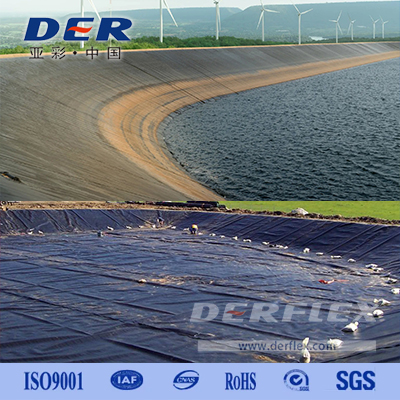
DERFLEX supplies custom geomembrane liners and containment membrane solutions for ponds, lagoons, landfills, wastewater treatment, mining, aquaculture, biogas, agriculture and industrial secondary containment projects. Request HDPE, LLDPE, PVC and reinforced membrane options.
|
|
|||||||||||||||||||||||||||||||||||||||||||||
 Geomembrane Liner Manufacturer & Containment Membrane Supplier
Geomembrane Liners for Ponds, Lagoons, Landfills, Mining and Industrial ContainmentDERFLEX supplies custom geomembrane liners and flexible containment membrane solutions for water storage, wastewater treatment, agriculture, aquaculture, mining, landfill, biogas lagoon and industrial secondary containment projects. Choose HDPE, LLDPE, PVC or reinforced membrane options according to your project environment. Built for Containment, Protection and Long-Term Project ReliabilityA geomembrane is not just a plastic sheet. It is an engineered barrier layer that must resist seepage, puncture, UV exposure, chemical attack, installation stress, seam loading and long-term environmental conditions.
HDPE
high chemical resistance direction
LLDPE
flexibility and deformation tolerance
PVC
custom fabrication and flexibility
OEM
project-based custom supply
What Is a Geomembrane?A geomembrane is a synthetic, low-permeability liner or barrier used to control the movement of liquids, vapors or gases in environmental, civil engineering and industrial containment systems. Barrier Layer for Fluids and ContaminantsGeomembranes are commonly used to line ponds, lagoons, reservoirs, landfills, wastewater basins, mining leach pads, canals, tanks and secondary containment areas. Their purpose is to reduce seepage, protect soil and groundwater, and improve containment control. Material Selection Must Match the ProjectThe best geomembrane depends on chemical exposure, liquid temperature, UV intensity, slope condition, puncture risk, subgrade preparation, welding method, installation environment and expected service life. DERFLEX helps buyers select material based on real application conditions.
DERFLEX position: DERFLEX focuses on project-oriented geomembrane and flexible containment membrane supply, including HDPE, LLDPE, PVC and reinforced coated membrane options for distributors, contractors, fabricators and industrial project buyers.
Geomembrane Material OptionsEach geomembrane material has a different balance of flexibility, chemical resistance, weldability, handling, durability and cost. HDPE GeomembraneHDPE geomembrane is widely used for landfills, mining, wastewater and industrial containment because of its chemical resistance, high durability and strong environmental barrier performance. LLDPE GeomembraneLLDPE geomembrane provides improved flexibility and elongation compared with HDPE, making it suitable for projects where ground movement, settlement or complex geometry is expected. PVC GeomembranePVC geomembrane is flexible, easy to handle and suitable for custom fabrication, pond liners, decorative water features, containment covers and projects requiring good conformability. Reinforced PVC MembraneReinforced PVC coated membrane uses a textile base layer for higher dimensional stability, tear strength and fabrication support in custom containment or cover applications. Textured GeomembraneTextured surfaces can improve interface friction on slopes, landfill caps, dams, mining pads and containment areas where sliding resistance is important. Custom Flexible MembraneDERFLEX can discuss project-specific membranes for lagoons, biogas covers, wastewater tanks, floating covers and industrial containment systems. Technical Specifications for Geomembrane LinersFinal specifications should be selected according to application, chemical exposure, project design, installation method and service-life expectation.
Quotation checklist: application type, pond or basin size, liquid / chemical type, required thickness, material preference, slope condition, UV exposure, welding method, quantity, packaging requirement and destination.
Applications of DERFLEX GeomembraneDERFLEX geomembrane liners can be developed for environmental protection, water management, agriculture, mining and industrial containment projects. Pond LinersGeomembrane liners for landscape ponds, irrigation ponds, water storage reservoirs, farm ponds and artificial lakes. Lagoon LinersLining materials for wastewater lagoons, manure lagoons, anaerobic lagoons, sludge ponds and evaporation ponds. Landfill Liners and CapsGeomembrane barrier systems for landfill base liners, leachate containment, landfill caps and environmental protection layers. Mining ContainmentLiners for heap leach pads, tailings ponds, process water ponds, evaporation ponds and chemical containment areas. AquaculturePond liners for fish farms, shrimp ponds, hatchery tanks, aquaculture raceways and water-quality management projects. Secondary ContainmentIndustrial containment liners for fuel tanks, chemical storage, wastewater plants, factories and emergency spill control. Biogas and Manure StorageGeomembrane and reinforced membrane directions for biogas lagoons, digestate storage and agricultural waste containment. Canals and Water ConveyanceLining materials for irrigation canals, drainage channels, water transfer systems and seepage control structures. Industrial WastewaterCustom liners for treatment basins, storage ponds, process water containment and industrial effluent control. HDPE vs LLDPE vs PVC Geomembrane: How to ChooseThe best geomembrane is not always the thickest or lowest-priced option. It must fit the project’s chemistry, geometry, installation and service-life target.
How to Select the Right Geomembrane LinerThis decision guide helps buyers, contractors and project engineers avoid common specification mistakes. Choose by Contained LiquidChoose by Site ConditionFor ContractorsProvide drawings, basin size, slope data and installation plan to receive a more accurate material recommendation. For DistributorsBuild a repeatable product line with standard thicknesses, roll widths, packaging and application categories. For Industrial BuyersMatch the membrane to actual chemicals, storage duration, containment risk and maintenance requirements. Installation and Quality Control ConsiderationsA good geomembrane material still requires correct subgrade preparation, handling, welding, protection and inspection. Prepare SubgradeRemove sharp stones, roots, debris and uneven points. Use geotextile protection where puncture risk is high. Plan Seam LayoutReduce unnecessary seams, avoid high-stress locations and keep welding access practical for field installers. Use Correct WeldingSelect hot wedge, extrusion, hot-air or HF welding according to material and installation requirements. Inspect and ProtectCheck seams, test critical areas, protect exposed liner and avoid heavy equipment damage during construction.
Professional recommendation: Critical containment projects should be designed and installed by qualified engineers and contractors according to local standards, site conditions and project specifications.
Need a Custom Geomembrane Liner?Send your application, pond size, liquid type, required thickness, material preference, quantity and project location. DERFLEX will help recommend a suitable geomembrane direction. Case Study: Wastewater Lagoon Liner SpecificationExample scenario for buyers comparing geomembrane liner suppliers for wastewater containment projects. Buyer ChallengeA wastewater project buyer needed a liner for a treatment lagoon with chemical exposure, UV exposure, large basin geometry and long-term seepage control requirements. The buyer also needed a clear material direction before comparing suppliers. DERFLEX Solution DirectionDERFLEX helped organize the inquiry around basin dimensions, liquid type, thickness target, welding method, subgrade condition and protection layer requirement. This allowed the buyer to compare HDPE, LLDPE and flexible membrane options more accurately. Engineering ValueBetter material selection based on project chemistry and basin design. Procurement ValueClear quotation data and fewer specification gaps between supplier and buyer. Long-Term ValueMore reliable containment direction for repeat projects and distributor programs. Why Choose DERFLEX Geomembrane Solutions?DERFLEX combines coated fabric manufacturing experience, flexible membrane development and project-oriented OEM support. Manufacturing-Based SupplyDERFLEX supports industrial membrane and coated material programs with factory-direct communication, custom specifications and repeat supply capability. Application-Oriented SelectionInstead of offering one generic liner, DERFLEX helps buyers choose material direction by application, chemistry, installation and service environment. OEM and Project SupportDERFLEX can support custom thickness, width, color, packaging, branding and project supply for contractors, distributors and industrial buyers. Related DERFLEX PagesThese internal links help build topical authority around geomembranes, lagoon covers, wastewater containment, biogas membranes and industrial coated fabric. Geomembrane FAQBuyer-focused answers for Google search, AI search and real procurement decision-making. What is a geomembrane?A geomembrane is a low-permeability synthetic membrane liner used to control fluid or gas migration. It is commonly used for ponds, lagoons, landfills, mining, wastewater treatment, aquaculture and industrial containment. What is the difference between a geomembrane and a geotextile?A geomembrane is a waterproof or low-permeability barrier layer. A geotextile is a permeable fabric used for protection, filtration, drainage, separation or reinforcement. Many projects use both together. Which geomembrane material should I choose?HDPE is often selected for high durability and chemical resistance. LLDPE is useful when flexibility is important. PVC is suitable for flexible and custom-fabricated liners. Reinforced membranes are useful for covers and special containment structures. Can DERFLEX provide custom geomembrane thickness?Yes. DERFLEX can support custom thickness, width, roll length, color, surface structure, reinforcement and packaging according to project requirements. Can geomembranes be welded?Yes. Many geomembranes can be welded using hot wedge welding, extrusion welding, hot-air welding or high-frequency welding depending on the material type and project requirements. What causes geomembrane failure?Common risks include poor subgrade preparation, puncture damage, incorrect welding, chemical incompatibility, UV degradation, poor anchoring, sharp objects, excessive stress and inadequate protection layers. What information should I send for a quote?Please provide application, basin size, drawing if available, liquid or chemical type, required thickness, material preference, slope condition, UV exposure, welding method, quantity and destination. , Does DERFLEX support OEM geomembrane supply?Yes. DERFLEX supports OEM and project-based supply for contractors, distributors, fabricators, environmental projects and industrial containment buyers. Build a Better Geomembrane Specification with DERFLEXFrom pond liners and lagoon liners to landfill, mining, wastewater and industrial secondary containment projects, DERFLEX can support your custom geomembrane material development and OEM supply needs. |
|||||||||||||||||||||||||||||||||||||||||||||