Define the main use
Choose between shallow splash play, family cooling, seated lounging, adult soaking, active games or a larger temporary pool. One design rarely performs equally well for every purpose.



Choose the pool around the people, site and use case first—then verify its structure, usable space, material, seams, drainage and care requirements. For brands and importers, add one more layer: confirm that the design can be produced, tested and repeated consistently.
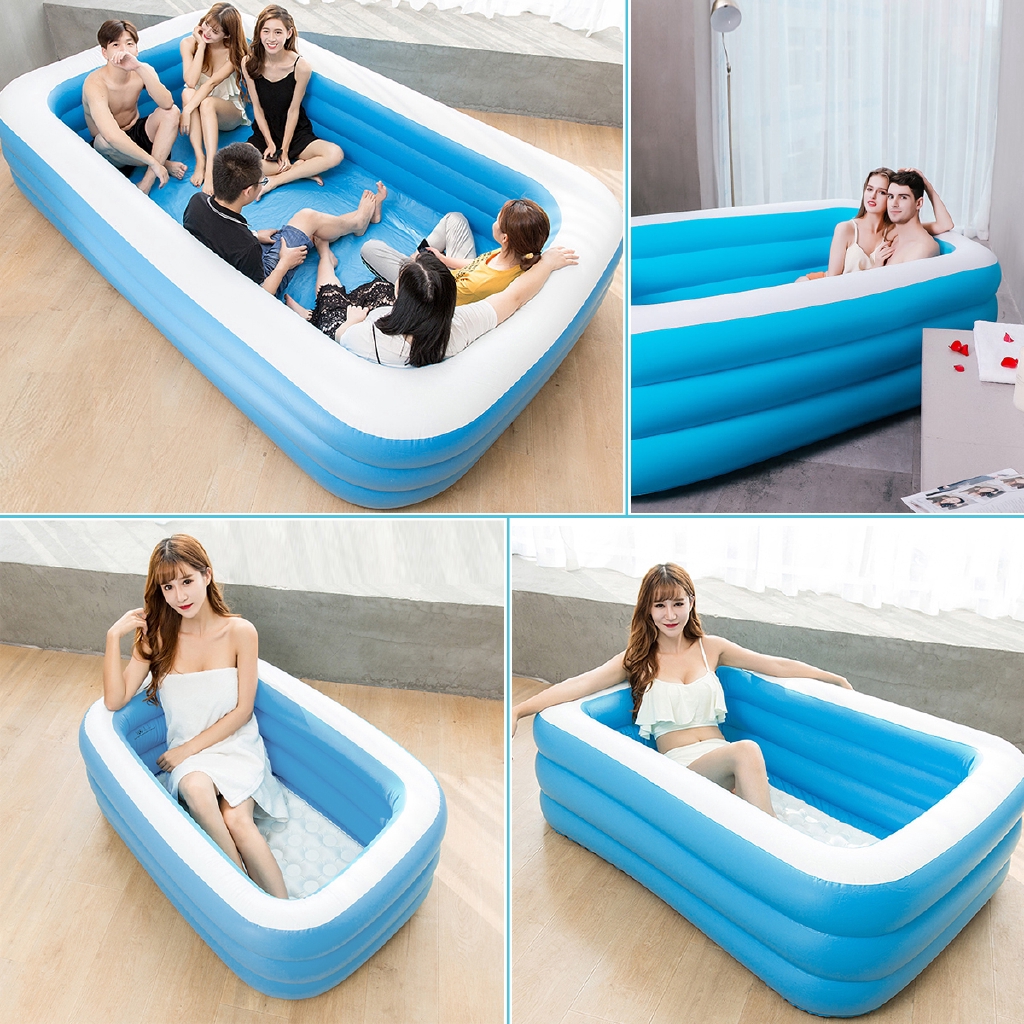
A good inflatable pool choice balances usable space, water depth, comfort, stability and the work required after every use. A large outer footprint may still provide limited interior room when the walls are wide. A deep pool may create extra access, filtration and supervision requirements. A feature-rich pool can be convenient, but each added seat, canopy, sprayer or play element also changes the chamber design and care routine.
For households, this means choosing a pool that matches the regular users rather than a one-time party. For retailers, distributors and private-label brands, it means defining a product brief that the factory can translate into repeatable dimensions, material specifications, seam details, warning artwork, packaging and inspection points.
Use this sequence to narrow the category before comparing colors, graphics or promotional features.
Choose between shallow splash play, family cooling, seated lounging, adult soaking, active games or a larger temporary pool. One design rarely performs equally well for every purpose.
Record level ground dimensions, door or gate access, hose reach, drainage route, nearby sharp objects and clear walking space around the pool. Plan the filled location because a pool should not be moved with water inside.
Fully inflatable ring walls offer softness and compact storage. Top-ring soft-sided pools use water pressure to form the body. Reinforced or framed directions can provide more usable interior space for larger formats.
Ask for inside floor dimensions, wall width and recommended fill height. Seats, headrests and internal play features reduce open water area, which may be desirable for comfort but not for active play.
Follow the manufacturer’s age, fill-line and use instructions. A shallow pool is not risk-free, and deeper formats require more careful access control, water management and continuous responsible supervision.
Look beyond generic “heavy duty” wording. Compare material structure, reinforcement, surface finish, seam width, chamber layout, valve quality, repair method and how the floor is protected from abrasion.
Check whether the package includes a suitable pump, drain plug or hose adapter, ground sheet, cover, repair patches and—where appropriate—a filtration connection. Confirm that replacement consumables are obtainable.
Choose a design you can drain, clean and dry completely. Damp folding, sharp creases, excessive inflation and storage near heat or frost can shorten service life regardless of the purchase price.
OEM buyers should inspect a finished sample for dimensions, air retention, water load, seam appearance, valve and drain operation, printing, warning labels, carton strength and the agreed destination-market checks.
These are selection directions, not fixed safety ratings. Always use the finished product according to its instructions and applicable local requirements.
Useful when the priority is a small footprint, simple drainage and short play sessions. Focus on a padded or comfortable floor, reachable drain, simple cleaning and clear instructions.
Compare inner floor area, wall support, separate chambers and drainage speed. Rectangular pools often use patio space efficiently, while round formats distribute users more evenly.
Prioritize ergonomic wall height, seat inflation, back support and beverage-holder placement. Remember that built-in comfort features reduce the central water area.
Review ground preparation, wall architecture, reinforcement, access, filtration, drainage and storage volume. For commercial concepts, request a project-specific engineering and test review.
Use the table as a briefing tool. Final dimensions, water capacity and user guidance should come from the individual product specification.
| Pool direction | Typical priority | What to measure | Material / structure focus | Useful features | Buyer caution |
|---|---|---|---|---|---|
| Kids splash or paddling | Simple play, easy cleaning and compact storage | Inside floor area, fill line and drain access | Soft touch, smooth seams, floor comfort and repairability | Sunshade, sprinkler, padded floor, simple drain | Shallow water still requires active adult supervision |
| Family backyard pool | Shared space and balanced setup time | Inner length/width, wall width, regular user count | Multiple chambers, wall stability and puncture resistance | Ground sheet, cover, repair kit, drain hose adapter | Marketing capacity may not equal comfortable capacity |
| Adult lounge pool | Seated comfort, soaking and relaxation | Seat width, backrest height and legroom | Seat chamber support, hand feel and seam placement | Bench, headrest, cup holders, canopy | Confirm load distribution and usable water area |
| Large soft-sided pool | Greater capacity and longer seasonal use | Level footprint, access path, fill/drain time | Reinforced wall or top-ring architecture and base abrasion | Filter connections, cover, ladder where specified | Water weight, local rules and maintenance increase with size |
| Custom OEM pool | Channel fit, branding and repeatable production | Target size, carton limits, market and annual forecast | PVC/TPU direction, welding route, print and chamber design | Custom valves, drains, accessories, graphics and packaging | Approve a finished sample and inspection criteria before bulk production |
Thickness matters, but the same thickness can behave differently when the base fabric, coating, chamber shape, weld geometry or surface treatment changes.
Inspect the complete construction rather than one material number. A useful product specification should explain the wall and floor structure, air chambers, valves, drainage, repair method and intended use.
Translate consumer expectations into measurable production requirements. DERFLEX can discuss weldable PVC and selected TPU coated-fabric directions, custom weight or thickness, surface, color, printing and roll supply according to the proposed pool architecture.
A lower pool price can become less practical if essential equipment must be sourced separately or cannot match the connection sizes.
Check pump type, nozzle compatibility, inflation time, pressure guidance and whether a ground sheet is supplied. A level, debris-free surface matters more than decorative extras.
Review drain position, hose connection and where the water will go. Larger pools may need compatible filtration and water-care equipment according to the manufacturer’s instructions.
A correctly sized cover can reduce debris. Confirm patch compatibility, valve availability and whether replacement filter cartridges or accessories are available in the sales market.
These features can improve lounging but add chambers, seams and setup steps. Check whether they remain stable under normal use and whether the canopy can be removed or adjusted.
Choose surfaces and a drain layout that are practical to clean. The pool should be fully dry before folding to reduce odor, mildew risk and material blocking during storage.
Compare packed dimensions and product weight, not only installed size. Large pools need more drying area, storage volume and careful folding than small paddling pools.
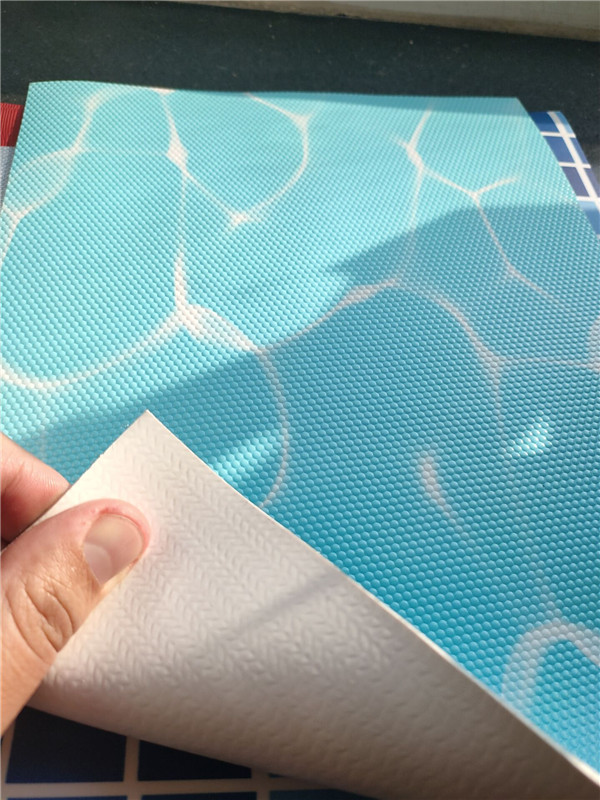
DERFLEX’s established capability is PVC and TPU coated-material manufacturing for waterproof and inflatable applications. For a custom inflatable pool project, support can begin with the product architecture: intended users, chamber layout, wall height, floor contact, welding process, surface appearance and target market.
Depending on the quotation scope, discussions can cover material supply, specification matching, sample development and finished-product coordination. The practical goal is to reduce the gap between a visual concept and a pool that can be sampled, inspected, packed and reordered under a controlled specification.
A precise request helps the supplier recommend a structure and quote the same scope you are evaluating.
| RFQ section | Information to provide | Why it matters |
|---|---|---|
| Product positioning | Kids, family, adult lounge, large backyard, event or selected commercial use | Directs the pool architecture, usable space and feature set |
| Dimensions | Outer size, intended inner area, wall height, fill line and target water capacity | Defines water load, carton volume and chamber proportions |
| Structure | Number of chambers, ring layout, floor type, seats, canopy, sprayer or backrest | Changes material allocation, valves, seams and production steps |
| Material direction | Flexible vinyl or reinforced fabric, target thickness/GSM, finish, color and print | Supports cost, weldability, feel, appearance and durability review |
| Accessories | Pump, drain adapter, cover, ground sheet, repair kit, filter compatibility and carton contents | Prevents quotation gaps and retail package mismatches |
| Market requirements | Destination country, buyer manual, warning language, testing and documentation expectations | Allows the design and material discussion to begin with the correct market context |
| Commercial plan | Sample deadline, launch season, target order quantity, annual forecast and packaging limits | Helps plan sampling, production route and repeat-order control |
These six internal resources cover finished pool categories and the material direction behind OEM production.
Measure the level installation area, reserve clear access around it, and compare the pool’s internal floor dimensions—not only its outside dimensions. Base the choice on regular users and intended activity. Seats and thick walls can reduce the usable interior space.
Rectangular pools can use narrow patios efficiently and may provide more straight interior length. Round pools can suit social play and distribute users around the center. The better choice depends on the site, wall structure and intended experience.
Look for a clear material and construction specification, consistent seams, appropriate reinforcement, reliable valves, floor protection and a workable repair method. “Heavy duty” alone is not a measurable specification.
It depends on water volume, duration of use and the manufacturer’s instructions. Larger pools commonly require more structured filtration and water-care planning. Confirm connection sizes, included equipment and applicable operating guidance before purchase.
DERFLEX can discuss custom inflatable pool programs for brands, distributors and importers, including material direction, size, color, printing, valves, drains, selected accessories and packaging. The exact scope and feasibility are confirmed after reviewing the project brief and order plan.
A finished sample should be reviewed for dimensions, chamber layout, air retention, water load, seams, valves, drainage, surface appearance, printing, warning information, carton contents and any agreed target-market checks. Test methods and acceptance criteria should be written into the order documents.
Send DERFLEX the intended users, pool size, structure, material preference, features, destination market, quantity and sample schedule. The team can review the material and manufacturing direction before a formal quotation is prepared.