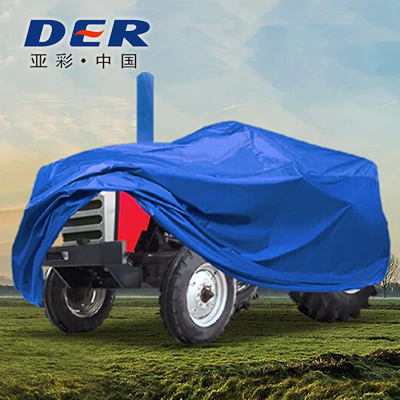
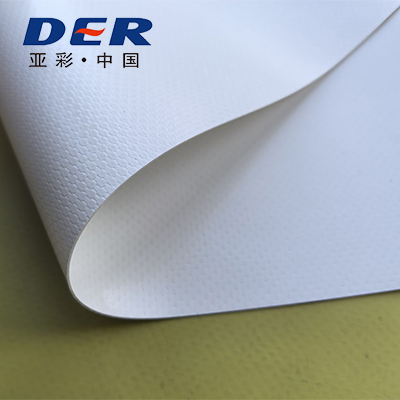
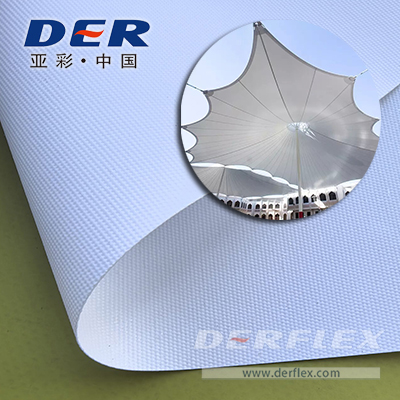
- tarp
- PVC coated fabrics
- Tarpaulin
- Sunscreen Fabric
- Flexible Ventilation Duct
- TPU coated fabric
- Frontlit banner
- PVC flex backlit
- Blockout banner
- PVC vinyl sticker
- PVC mesh banner
- PVC preformated vinyl
- Reflective vinyl
- Dye Sublimation fabric
- PVC Stretch Ceiling Film
- Super clear pvc film
- TPO coated fabric
- Automotive Protection Film
- Inkjet media
- Textile banner
- Mesh banners
- New Products
- customized PVC tarps products
- PVC Foam Board Sheet
- Profile download

- Services Hotline
+86-021-54361792 / 54361798 - Email
sales@derflex.com

|
|
Technical Textiles Manufacturer
DERFLEX is a technical textiles manufacturer and industrial technical textile supplier providing custom OEM coated and engineered textile solutions for transportation, construction, architecture, agriculture, industrial protection, tents, inflatables, and performance fabric applications.
|
|
||||||||||||||||||||||
Industrial Performance Materials
Technical Textiles Manufacturer for Industrial, OEM, and Custom Performance Fabric ApplicationsDERFLEX supplies technical textiles for buyers who need more than a standard fabric roll. We support distributors, converters, OEM brands, engineering contractors, project procurement teams, and industrial product developers looking for functional textile materials built around performance, durability, fabrication compatibility, and commercially reliable supply. Whether the requirement involves transportation protection, architectural membranes, industrial curtains, tents, inflatables, agricultural covers, engineered fabric systems, or custom technical textile development, the real buying decision is rarely about fabric appearance alone. Professional buyers usually compare strength, coating structure, weather resistance, weldability, service life, compliance direction, repeat-order stability, lead time, and whether the supplier can support an actual production program instead of only offering a catalog item.
OEM / Custom
Application-based technical textile development support
Quality Focus
Built for industrial consistency and repeat-order control
Lead Time Awareness
Commercially practical production and delivery planning
Certification Direction
Performance and compliance-oriented material support
Technical Textile Product DirectionsThis section makes the page feel more like a finished DERFLEX product page by showing buyers the major technical textile directions they can click into next. 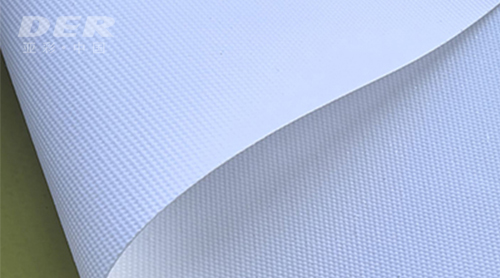
PVC Coated Technical TextilesSuitable for truck covers, industrial protection systems, tarpaulins, outdoor covers, and performance-oriented fabric programs where waterproofing, durability, and fabrication compatibility matter. 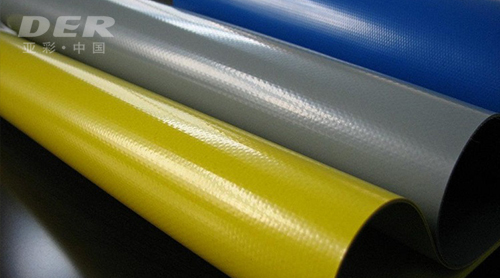
Technical Coated FabricsDesigned for buyers who need stronger functional control over coating route, surface finish, welding behavior, and downstream manufacturing suitability. 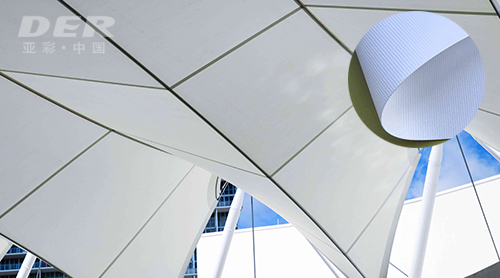
Architectural Membrane FabricsUsed for tensile structures, canopies, shelters, and lightweight architectural systems where material performance and visual cleanliness need to work together. 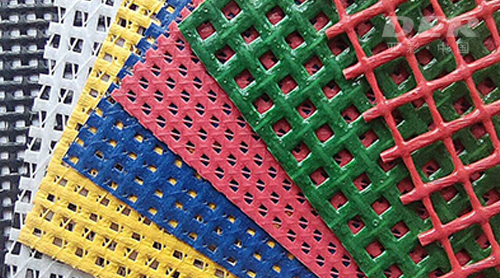
Tent & Shelter Technical TextilesBuilt for tents, event structures, temporary shelters, warehouse tents, and outdoor enclosure systems that require waterproofing, UV stability, and reliable fabrication. 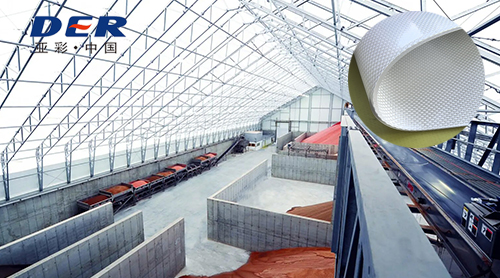
Inflatable Technical FabricsSuitable for inflatable structures, air-supported systems, airtight barriers, and engineered fabric products where coating integrity and weld performance are important. 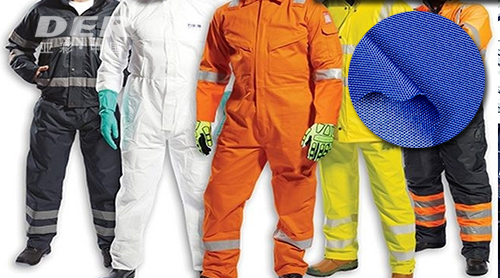
Industrial Protection TextilesApplied in industrial curtains, partitions, workshop separation, warehouse zoning, protective barriers, and other environments where flexibility and durability must work together. Need Technical Textiles for OEM Development, Industrial Use, or Project Supply?Send your application, structure target, functional requirement, quantity, destination market, and delivery plan. DERFLEX can recommend a more suitable technical textile direction for wholesale supply, custom development, and project-oriented procurement. What Are Technical Textiles?Technical textiles are textile materials developed primarily for performance rather than decoration. In commercial and industrial buying language, this means the textile is selected because it can do a job: resist weather, carry load, block water, handle UV exposure, improve safety, support structure, protect goods, separate work areas, hold pressure, or survive demanding outdoor and industrial use. That is why the keyword technical textiles covers a much wider sourcing category than ordinary fabric terms. A buyer searching for technical textile materials may be looking for coated polyester for truck curtains, membrane fabric for tensile structures, engineered fabric for industrial protection, waterproof textile for tents, reinforced material for agriculture, or custom technical textiles for a downstream OEM product line. The shared logic is not fashion. It is function. In practical procurement, technical textiles are evaluated through performance pathways such as tensile strength, tear behavior, dimensional stability, coating type, flexibility, surface finish, weather resistance, chemical tolerance, flame-retardant option, fabrication compatibility, and expected service life. A capable technical textiles manufacturer should therefore help buyers match material structure to end use instead of reducing the conversation to price per roll only. For DERFLEX, this page is designed as a broad industrial and commercial entry page for buyers comparing technical textiles manufacturer, technical textiles supplier, industrial technical textiles, custom technical textile solutions, and performance textile materials across multiple application sectors. Why Buyers Search for Technical Textile Suppliers Instead of Generic Fabric SellersKey Features of Competitive Technical TextilesA broad technical textiles page should still help buyers understand what separates performance-oriented industrial textiles from ordinary material sourcing. 1. Functional Performance FirstTechnical textiles are chosen because they solve application problems. Depending on use, that may mean waterproofing, UV resistance, gas tightness, chemical protection, tear strength, flame-retardant behavior, anti-mildew performance, or dimensional control. 2. Strong Mechanical PropertiesIndustrial and engineered textile materials often need to handle tension, flexing, folding, anchoring, reinforcement, and repeated use. That makes base fabric strength, coating adhesion, and tear performance especially important. 3. Weather and Outdoor StabilityMany technical textile applications are exposed to rain, sunlight, wind, dirt, and changing temperatures. Buyers therefore compare materials by service stability rather than by first impression alone. 4. Fabrication CompatibilityA technical textile may need to weld, sew, cut, reinforce, print, tension, or integrate with accessories and hardware. Materials that look similar on a datasheet can behave very differently in downstream fabrication. 5. Customization PotentialSerious B2B buyers often require custom weight, width, coating route, color, surface finish, backing, embossing, fire pathway, packaging, and brand support. 6. Commercial Supply ReliabilityTechnical textile programs are rarely one-off orders. Buyers usually need sample continuity, stable repeat production, quote clarity, delivery planning, export readiness, and quality communication. Technical SpecificationsBecause technical textiles cover multiple material systems, the most useful specification view is a commercial framework rather than one narrow single-product table.
A high-conversion technical textiles page should remain broad enough to capture wide search intent, while still technical enough to help real buyers move toward quotation and specification alignment. Applications of Technical TextilesThe hotter and broader the keyword, the more important it is to show real commercial application range. Buyers searching technical textiles often begin broadly and then narrow toward a specific material family. 
Transportation & LogisticsTechnical textiles are widely used for truck covers, side curtains, trailer systems, rail covers, container protection, and logistics barriers because they combine weather resistance, tensile strength, and flexibility. 
Construction & Temporary ProtectionSuitable for site protection, scaffolding covers, temporary shelters, weather barriers, equipment shielding, and project partitions where lightweight performance materials offer a practical advantage. 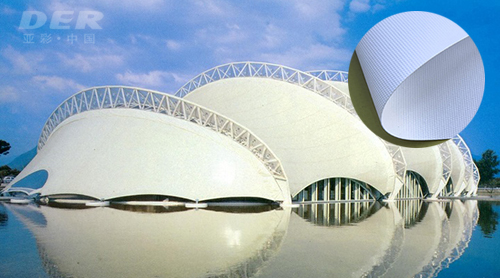
Architecture & Membrane StructuresUsed in tensile structures, canopies, walkway shading, façade systems, and membrane roofing applications where performance and visual quality must work together. 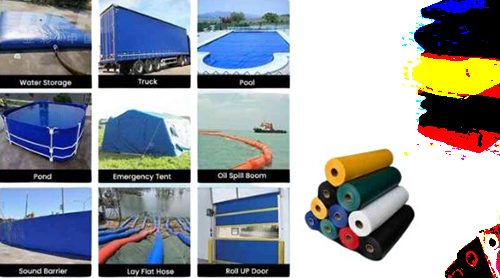
Industrial Protection & SeparationUsed for workshop separation, warehouse zoning, machine protection, dust control, and industrial curtain systems where flexibility and durability are both essential. 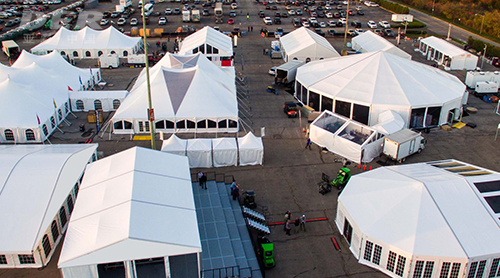
Tents, Shelters & Event SystemsIdeal for tents, warehouse shelters, temporary structures, and outdoor enclosures that require waterproofing, UV stability, clean finishing, and efficient fabrication. 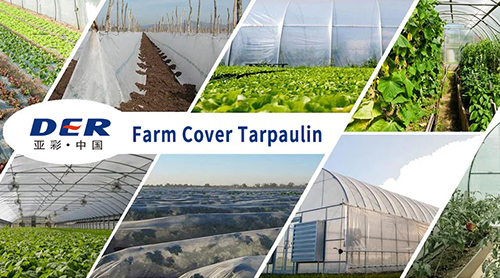
Agriculture & Environmental UseAppropriate for agricultural covers, greenhouse-related materials, water containment, protection systems, and other outdoor applications exposed to moisture and seasonal stress. Looking for a Specific Technical Textile Structure?Whether your project involves coated textile supply, membrane material, industrial protection fabric, architectural fabric, tent fabric, inflatable material, or broader engineered fabric development, DERFLEX can help narrow the right direction before sampling or ordering. Why Choose DERFLEX as Your Technical Textiles SupplierBuyers comparing technical textiles manufacturers are usually evaluating more than product names. They are comparing technical understanding, manufacturing discipline, communication efficiency, OEM support, and whether the supplier can reduce sourcing risk over time. Application-Based RecommendationTechnical textiles cover many performance categories. DERFLEX positions material recommendation around application logic so buyers can compare textile direction by actual use case rather than by incomplete specification alone. OEM and Custom DevelopmentMany industrial buyers need more than standard roll supply. DERFLEX technical textile programs can be discussed around custom width, weight, finish, coating system, color, packaging, and downstream fabrication needs. Commercially Practical Lead TimeStrong product performance is not enough if production scheduling and delivery planning do not match the buyer’s sales or project cycle. That is why lead-time clarity is part of the value equation. Quality and Repeat-Order StabilityDistributors, converters, and project buyers all care about whether later orders behave like samples and approved batches. Material consistency is one of the most important issues in industrial textile procurement. Certification and Compliance AwarenessDifferent markets and applications may require different quality, testing, and certification pathways. DERFLEX is positioned to support technically informed discussions around performance targets and compliance-related requirements. Broader Industrial Textile CoverageBuyers often benefit from working with a supplier that understands multiple technical textile families because project requirements can evolve. A broader materials perspective reduces the chance of choosing an overly narrow route. Technical Textiles vs Conventional MaterialsBroad category pages perform better when they help buyers separate technical textile logic from general textile or basic cover material sourcing.
Performance driven
Technical Textiles
General use
Conventional Textiles
Cost-first route
Basic Cover Materials
Project-specific
Rigid AlternativesRepresentative Case StudyThis example is designed to show how buyers normally evaluate technical textile programs across performance, fabrication, and commercial supply requirements. Custom Technical Textile Supply Program for Transportation, Shelter, and Industrial Protection ProductsA regional buyer needed a technical textiles manufacturer that could support multiple downstream product categories under one more stable supply framework. The requirement involved transport protection materials, tent and shelter fabric, and industrial partition-related products for customers who expected practical durability, cleaner finishing, and more dependable repeat supply. The key problem was not simply whether a fabric was waterproof. The buyer needed a supplier capable of discussing base fabric choice, coating route, surface finish, fabrication compatibility, packaging coordination, quality expectations, and how the material should be positioned for different end-use markets without causing internal product overlap or inconsistent field performance.
1
Requirement MappingApplications, climate, target product tier, fabrication process, and commercial expectations were clarified before any material recommendation was finalized.
2
Structure SelectionDifferent technical textile directions were compared based on performance pathway, handling behavior, and downstream production practicality.
3
OEM AlignmentColor, finish, branding, packaging, and repeat-order planning were coordinated so the buyer could build a cleaner product and quotation strategy.
4
Commercial OutcomeThe result was a more consistent sourcing route with clearer specification control, better application matching, and improved confidence for long-term business growth. Frequently Asked QuestionsThese questions help buyers comparing technical textile suppliers, industrial fabric manufacturers, and custom performance textile partners. What are technical textiles?Technical textiles are textile materials chosen mainly for performance and function rather than decoration. They are used in industrial, transport, agricultural, architectural, shelter, protection, and other demanding applications where the material must do a specific job reliably. What industries commonly use technical textiles?Technical textiles are commonly used in transportation, logistics, construction, architecture, agriculture, industrial protection, tents, inflatables, marine systems, and many other engineered or outdoor product categor, ies. What is the difference between technical textiles and ordinary fabrics?Ordinary fabrics are often selected for appearance, comfort, or general use. Technical textiles are selected because they deliver functional performance such as waterproofing, strength, weather resistance, FR options, dimensional stability, or other application-driven properties. Can DERFLEX provide custom technical textiles?Yes. DERFLEX positions technical textile supply around OEM and custom requirements including structure direction, width, finish, color, packaging, and application-based recommendation for industrial and commercial buyers. How do I choose the right technical textiles supplier?Buyers should compare application understanding, product range depth, OEM capability, fabrication awareness, quality consistency, communication efficiency, lead-time planning, and whether the supplier can support long-term repeat business rather than one-off roll sales only. What information should I send when requesting a technical textile quote?A stronger quotation usually starts with the end application, performance requirements, target weight or structure, width, surface preference, fabrication method, quantity, destination market, and delivery expectation. Are technical textiles suitable for long-term outdoor use?Many technical textiles are designed for demanding outdoor use, but suitability depends on the base fabric, coating system, environmental conditions, and installation method. The best route is to match the textile to the real application. Talk to DERFLEX About Your Technical Textiles ProjectFrom broad industrial textile sourcing to custom OEM development and application-specific recommendation, DERFLEX supports buyers who need a more dependable and commercially practical technical textile supply path. |
||||||||||||||||||||||