


 TPU Film · Textile Lamination · OEM Roll Supply
TPU Hot Melt Adhesive Film for Textile Bonding and Seamless Lamination
DERFLEX supplies TPU hot melt adhesive film for factories that need clean, flexible and repeatable bonding in textiles, seamless garments, shoe materials, bags, sports goods and engineered fabric lamination. The film is designed as a thermoplastic adhesive layer that can be activated by heat and pressure, helping converters replace liquid glue or stitching in selected structures after sample validation.
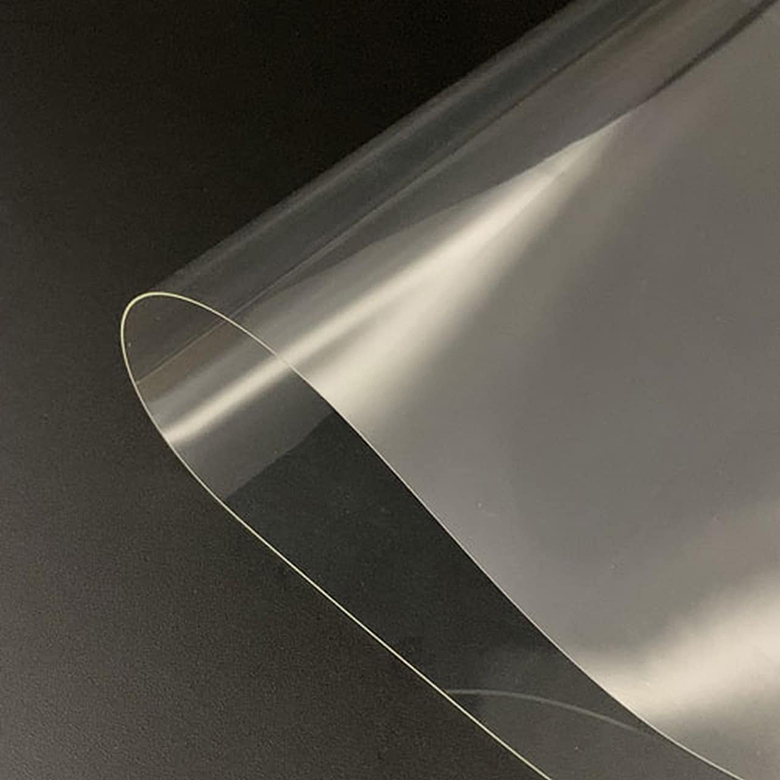
What Is TPU Hot Melt Adhesive Film?
TPU hot melt adhesive film is a thin thermoplastic polyurethane adhesive layer supplied in roll form. At room temperature it is a solid film. During lamination, heat and pressure soften the film and help it bond textile, leather, foam, TPU film, PVC, nylon, polyester or composite layers depending on the selected grade and process conditions.
- Flexible adhesive film for soft goods and technical textiles
- Useful for seamless garment bonding and fabric lamination
- Can be supplied with release paper or as unsupported film by project
- Supports clean processing without solvent-based liquid glue
Built for Factories That Need Bonding Strength Without Stiff Hand Feel
In garment and footwear production, bonding material cannot be selected only by adhesive strength. A laminated seam or shoe upper must still bend, stretch, wash, cut, press and move with the finished product. TPU hot melt adhesive film is often chosen because it brings a balanced combination of elasticity, softness, bonding performance and processing convenience.
DERFLEX develops TPU film and TPU composite directions for B2B buyers who need practical support before bulk orders. Instead of offering only one standard roll, we help customers confirm thickness, activation window, release liner, substrate compatibility, roll width, surface appearance and final testing targets according to the finished product.
This page is written for shoe material factories, garment laminators, bag manufacturers, sports goods producers and textile composite workshops looking for a stable TPU adhesive film for repeat production.
What Serious Buyers Compare Before Ordering
Search results around TPU adhesive film usually focus on four points: substrate bonding, processing temperature, release paper format and performance after flexing or washing. DERFLEX turns those points into a practical specification workflow.
Substrate Match
Different textile, leather, foam, mesh and TPU layers need different film chemistry and activation behavior. Sample bonding is important before mass production.
Processing Window
Temperature, pressure, dwell time, line speed and cooling affect peel strength, hand feel, bubbles and edge stability after lamination.
Film Format
Release paper, unsupported film, roll width, slit tape width and roll tension should match cutting, heat press, flat lamination or seamless bonding equipment.
Finished Product Test
Wash resistance, flex fatigue, hydrolysis direction, color transfer, yellowing and peeling should be tested on the final composite structure.
Where DERFLEX TPU Adhesive Film Is Used
The same TPU hot melt film can behave differently in different structures. DERFLEX recommends choosing the grade according to the final product and processing method.
Seamless Garments
For activewear, underwear, yoga wear, swimwear, cycling apparel and lightweight fashion structures where the buyer wants smooth seams and flexible movement.
- Seam bonding
- Hem reinforcement
- Decorative patches
- Elastic fabric joining
Shoe Materials
For sports shoes, casual shoes, safety shoe components and laminated uppers where bonding stability, flexibility and clean edge appearance matter.
- Upper lamination
- Mesh / leather / foam bonding
- No-sew shoe panels
- Reinforcement layers
Textile Lamination
For textile composite mills bonding nylon, polyester, PU, PVC, TPU film, nonwoven or technical fabrics into multilayer material systems.
- Fabric-to-film bonding
- Water-resistant laminates
- Outdoor fabric structures
- Technical composite rolls
Bags & Luggage
For backpacks, soft cases, waterproof bags and luggage components requiring flexible layers, reinforced panels or bonded decorative elements.
- Patch bonding
- Panel reinforcement
- Decorative logo backing
- Flexible composite materials
Sports Goods
For gloves, pads, protective accessories, inflatable components and soft equipment where the bonded layer must withstand bending and handling.
- Protective pad bonding
- Stretch material joining
- Functional film attachment
- OEM sports product parts
Labels & Hotmelt Emblems
For heat-applied emblems, labels and printed decoration systems where the adhesive layer needs clean activation and stable adhesion after application.
- Heat transfer backing
- Logo bonding
- Printed label structures
- Custom cut film forms
TPU Hot Melt Adhesive Film Specification Guide
Final specification should be confirmed by your substrate, machine, bonding area and performance target. The table below is a practical RFQ framework for sample discussion.
| Product Name | TPU hot melt adhesive film / TPU adhesive film / TPU hotmelt film / thermoplastic polyurethane bonding film |
|---|---|
| Material Direction | Polyester TPU or polyether TPU direction, selected by bonding target, hydrolysis resistance, softness, washing and aging requirements. |
| Appearance | Transparent, translucent, milky white or customized appearance depending on formulation and thickness. |
| Thickness Direction | Common project range can be discussed from ultra-thin film to thicker bonding layer; exact thickness is selected after bonding trials. |
| Width Direction | Roll width, jumbo roll width or slit tape width according to laminating machine, heat press, cutting table and finished part design. |
| Release Format | With release paper / film liner, or unsupported film direction according to downstream handling and equipment. |
| Processing Direction | Heat press, flat lamination, roll-to-roll lamination, seamless bonding, hot cutting or converting after process confirmation. |
| Key Tests | Peel strength, washing, hydrolysis aging, flexing, temperature resistance, hand feel, edge stability, bubbling and delamination check. |
Reference Processing Points
The actual temperature and dwell time depend on film grade, substrate thickness, equipment type and production speed. For initial sample trials, buyers usually need to check:
- Activation temperature and softening behavior
- Pressure balance across wide fabric or small parts
- Dwell time and cooling time before peel testing
- Compatibility with nylon, polyester, leather, foam, TPU, PU or PVC layers
- Bonding strength before and after washing, flexing or aging
- Whether a liner is needed for cutting, positioning or storage
Note: All values should be confirmed by DERFLEX sample testing and the buyer's finished product validation. Regulated applications require full product-level compliance review by the finished product manufacturer.
From Sample Trial to Repeat Roll Supply
For adhesive film projects, a controlled sampling process reduces the risk of bubbles, weak bonding, hard hand feel and inconsistent bulk production.
Define Product
Share finished product use, substrate layers, bonding area and target performance.
Select Film
Choose TPU chemistry, thickness, release liner, width and activation direction.
Trial Lamination
Test temperature, pressure, time, line speed, cooling and handling conditions.
Validate Performance
Check peel strength, washing, flexing, aging, appearance and hand feel.
Bulk Supply
Confirm roll packaging, label, width tolerance, sample retention and repeat order plan.
Why Choose TPU Adhesive Film Instead of Traditional Joining Methods?
Each bonding method has its place. TPU hot melt adhesive film is valuable when clean processing, flexibility and repeatable lamination are important.
Stitching
- Reliable for many textile products
- May create needle holes in waterproof structures
- Can add seam bulk or affect smooth appearance
- Not ideal for every stretch or seamless design
Liquid Glue
- Can work for selected bonding systems
- May require drying time and ventilation control
- Application thickness can vary by operator
- Solvent direction may not fit cleaner production goals
TPU Hot Melt Film
- Clean film layer with controllable thickness
- Useful for seamless and flexible textile bonding
- Can support roll-to-roll or heat press production
- Suitable for customized substrate matching after testing
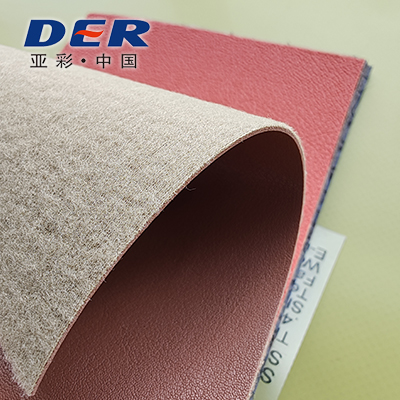
More Than an Adhesive Film Roll
DERFLEX works across TPU film, TPU coated fabric and TPU laminated fabric material systems. This matters because adhesive film performance is not isolated. The final result depends on the film layer, substrate, lamination process, end-use environment and product structure.
For buyers developing footwear, apparel, bags or sports goods, DERFLEX can support custom directions such as film thickness, hardness, color, surface finish, release liner, roll width, packaging, and application-specific performance discussion.
Typical RFQ Information
- Substrate materials: nylon, polyester, leather, mesh, foam, TPU, PVC, PU or nonwoven
- Processing method: heat press, roll lamination, seamless machine or cutting and bonding
- Target film thickness, roll width, slit width and release paper preference
- Final product test requirements such as washing, bending, hydrolysis or peel strength
- Packaging, roll length, label and export documentation requirements
Need TPU Adhesive Film for Your Textile, Shoe or Bag Project?
Send your substrate, bonding process, target thickness and test requirements. DERFLEX will help you define a practical TPU hot melt adhesive film direction for sampling and quotation.
Internal Material Links for Better Selection
These related DERFLEX pages help buyers compare TPU film, lamination and waterproof textile material directions.
TPU Hot Melt Adhesive Film FAQ
Practical answers for buyers comparing textile bonding film, seamless garment film and shoe lamination film.
What is TPU hot melt adhesive film used for?
It is used as a heat-activated adhesive layer for textile bonding, seamless garment lamination, shoe upper bonding, bag material reinforcement, sports goods, labels, emblems and technical fabric composites.
Can TPU adhesive film bond nylon, polyester, leather and foam?
Selected grades can be evaluated for nylon, polyester, leather, foam, PU, PVC, TPU and mesh materials. Bonding should be confirmed with your real substrates and processing conditions before bulk order.
Is TPU hot melt adhesive film solvent-free?
TPU hot melt adhesive film is a solid thermoplastic film and can support solvent-free bonding processes. The final production process should still be reviewed together with liner, substrate, temperature and workplace requirements.
Should I choose film with release paper or without release paper?
Release paper helps with cutting, positioning, storage and handling. Unsupported film may suit certain roll-to-roll or conversion processes. The right choice depends on your equipment and product design.
What information is needed for quotation?
Please provide substrate materials, film thickness target, roll width or slit width, release liner requirement, bonding equipment, temperature range, final application, test requirements and estimated order quantity.
Can DERFLEX customize TPU hot melt adhesive film?
Yes. DERFLEX can discuss custom thickness, width, surface, color direction, release format, packaging and application-focused material direction after reviewing your project requirements.