News
Company News

TPU Waterproof Fabric Manufacturer | Weldable Nylon & Polyester TPU Fabric | DERFLEX

Update:2026/8/12 16:12:13 Views:
DERFLEX logo Technical Coated Textile · OEM Roll Supply
Waterproof TPU Material Platform

TPU Waterproof Fabric for Welded, Flexible & Airtight Products

DERFLEX supplies TPU waterproof fabric for manufacturers of dry bags, inflatable products, marine safety equipment, medical air systems, flexible tanks, protective products and technical OEM goods. Nylon or polyester base fabrics can be matched with single-side or double-side TPU structures according to the required waterproof barrier, seam process, flexibility, weight and service environment.

Instead of treating “waterproof” as a single specification, we help buyers define the full material system: base textile, TPU chemistry, coating or lamination structure, thickness, roll width, surface finish, welding compatibility and the tests that should be checked before bulk production.

TPU Coated Nylon TPU Coated Polyester Single / Double Side HF / Hot-Air / Heat Seal Custom Roll Goods
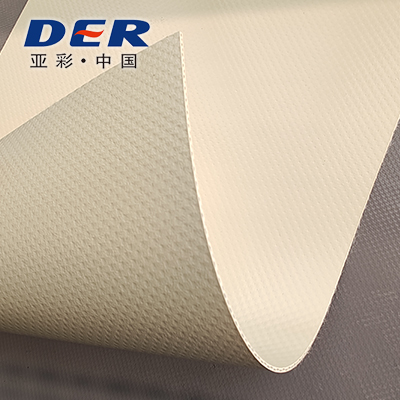
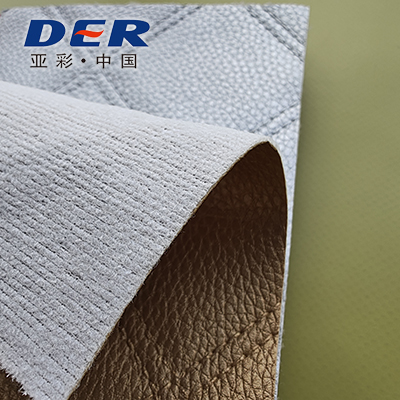
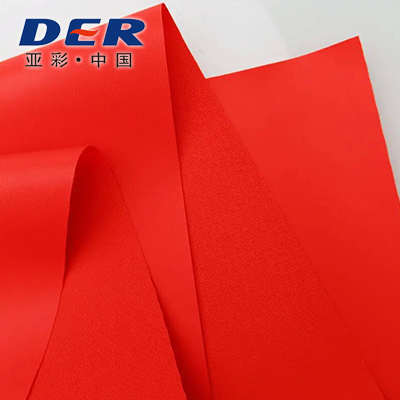
DERFLEX TPU waterproof fabric roll material
TPU Waterproof Fabric Roll Goods Custom nylon or polyester base · coated / laminated structure · waterproof and weldable direction
Buyer reminder Waterproof fabric is only one part of a waterproof finished product. Seam design and welding parameters must also be validated.
Waterproof BarrierContinuous TPU surface for water-blocking structures.
Weldable ConstructionGrades can be matched to RF/HF, hot-air or heat-seal processing.
Flexible HandlingSuitable for products that fold, roll, inflate or pack repeatedly.
OEM CustomizationBase fabric, weight, width, color, finish and packing by project.

A TPU waterproof fabric is typically produced by coating or laminating thermoplastic polyurethane onto a woven nylon or polyester substrate. The TPU layer reduces water penetration through the textile, while the base fabric carries mechanical load. Depending on the end product, TPU can be applied to one side or both sides, and the fabric can be engineered for soft folding, higher abrasion resistance, air retention, cleanability or welded fabrication.

For purchasing teams, the useful question is not simply “Is TPU waterproof?” It is: what level of water exposure, pressure, seam construction and repeated use must the finished product survive? A roll-top dry bag, an inflatable chamber, a medical pressure cushion and an industrial liquid bladder all require a waterproof TPU surface, but they do not require the same base denier, coating weight, seam method or quality tests.

That is why DERFLEX positions this page around application matching. Buyers can compare coating side, base textile, TPU type, thickness, welding process and testing direction before moving to sampling and bulk production.

Procurement principle: specify waterproof performance as a measurable finished-product requirement whenever possible. Material waterproofness, coating adhesion, weld strength and seam geometry should be evaluated together rather than relying only on a generic “waterproof” claim.

Waterproof Structure Selection

Choose the TPU Construction by How the Product Will Be Used

Different waterproof products place different stresses on the coating, textile reinforcement and welded seam. Start with the final product rather than choosing only by GSM or thickness.

Single-Side TPU

Lower weight · textile feel on one side

Useful when one functional TPU barrier is sufficient and lower material weight or a textile-facing side is preferred.

  • Waterproof bags and covers
  • Protective sleeves and soft goods
  • Lightweight outdoor equipment
  • Products with controlled seam design

Double-Side TPU

Sealable surfaces · stronger barrier logic

Often selected for products where both surfaces need cleanability, sealability, air retention or protection from repeated contact.

  • Inflatables and pressure chambers
  • Medical air products
  • Flexible tanks and bladders
  • Heavy-duty welded OEM products

TPU Laminated Fabric

Film-to-textile architecture · controlled appearance

A laminated structure can be considered when buyers need a particular film layer, appearance, softness, barrier construction or multi-layer combination.

  • Premium waterproof soft goods
  • Specialty medical or outdoor products
  • Multi-layer textile systems
  • Projects requiring film-specific selection
Application-Backwards Selection

Six Questions That Define the Right TPU Waterproof Fabric

This decision framework is designed for purchasing managers, product engineers, converters and OEM factories comparing TPU waterproof fabric suppliers.

1

What must it keep out—or keep in?

Rain exposure, immersion, water pressure, air pressure, oils or another liquid all change the material and seam requirements.

2

Will the product be folded repeatedly?

Dry bags, packrafts, rescue products and collapsible bladders need a structure that tolerates packing, bending and repeated flexing.

3

Which welding method is used?

HF/RF, hot-air, heat press and ultrasonic processes create different process windows. Confirm with the actual equipment used for production.

4

Nylon or polyester base?

Nylon is commonly considered for flexibility and tear performance; polyester is often considered for dimensional stability and repeatable industrial handling.

5

What environment will it face?

Humidity, water contact, low temperature, abrasion, disinfectants, oils, UV exposure and storage conditions should be reviewed before material confirmation.

6

What must stay consistent in bulk?

Define weight, width, coating thickness, color, surface, roll length, weld behavior and packing standards for repeat orders.

Specification Guide

TPU Waterproof Fabric Technical Options

The ranges below are practical project directions for DERFLEX TPU coated and laminated textile programs. Final availability and performance should be confirmed by the exact construction and sample testing.

SpecificationAvailable DirectionWhy It Matters for Waterproof ProductsBuyer Notes
Base TextileNylon / PolyesterControls tear behavior, dimensional stability, folding feel and reinforcement.Select by final product load, packing behavior and fabrication method.
Base DenierApprox. 70D–1680D and custom structuresInfluences strength, weight, puncture resistance and product stiffness.Higher denier is not automatically better; optimize for the finished design.
TPU StructureSingle-side / Double-side / Laminated film structureDefines barrier surfaces, weld access, cleanability and air/liquid holding direction.Double-side is commonly discussed for demanding sealed products.
Total WeightApprox. 90–1500 gsm depending on constructionAffects portability, abrasion durability, handling and end-product positioning.Lightweight bag material and industrial bladder fabric require different balances.
ThicknessApprox. 0.05–1.2 mm or project-specificCan influence sealing window, barrier robustness, hand feel and cost.Confirm thickness together with base fabric and coating adhesion.
WidthCommon project range approx. 1.4–3.2 mWider material can reduce seam count on larger welded products.Actual width depends on material construction and production arrangement.
SurfaceMatte / Glossy / Smooth / Embossed / TexturedChanges appearance, handling, cleanability and brand presentation.Ask for a physical swatch when surface feel is commercially important.
ColorStandard colors / custom color matchingImportant for outdoor brands, rescue visibility, medical programs and private-label products.Color tolerance should be agreed before bulk production.
FabricationHF/RF welding, hot-air welding, heat sealing, ultrasonic welding*The chosen process determines seam construction and production speed.*Compatibility varies by grade and should be tested on actual equipment.
Functional DirectionHydrolysis-resistant, abrasion-focused, oil/contact-resistant, low-temperature, antimicrobial or other project optionsHelps match material chemistry to the service environment.Functional claims should be tied to the required test method and end-use condition.

Important: values are general selection ranges rather than guaranteed specifications for every grade. Final datasheets should be issued for the exact material selected for your project.

Applications

Where TPU Waterproof Fabric Delivers the Most Value

TPU is often considered when a product needs more than basic rain protection—especially when flexibility, welded seams, air retention, repeated folding or premium material positioning are part of the design.

TPU waterproof fabric for dry bags and outdoor gear

Dry Bags & Outdoor Gear

Roll-top dry bags, waterproof backpacks, bikepacking bags, soft coolers, river bags and protective soft goods.

TPU waterproof and airtight inflatable fabric

Inflatables & Marine Safety

Packrafts, inflatable boats, rescue equipment, buoyancy products, air chambers and welded inflatable structures.

Heavy duty TPU waterproof fabric for flexible tanks and bladders

Bladders & Flexible Tanks

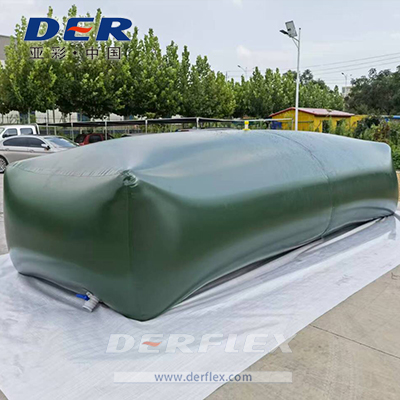
Collapsible liquid containers, oil bladders, flexible storage systems and industrial welded containment products.

Medical Air Systems

Pressure-relief cushions, inflatable mattress components, air cells, patient support systems and cleanable welded technical products.

  • Soft flexible structures
  • Air retention focus
  • Seam repeatability
  • Project-specific compliance review

Protective & Industrial Products

Protective covers, sealed pouches, equipment bags, flexible machine protection and industrial fabrications exposed to water, abrasion or repeated handling.

  • Dimensional stability options
  • Abrasion-focused TPU
  • Custom roll widths
  • OEM packing support

Specialty OEM Development

For products that do not fit a standard catalogue grade, DERFLEX can discuss a project specification around the final design and production method.

  • Base denier matching
  • TPU side / thickness selection
  • Color & surface finish
  • Welding trial before bulk
From Inquiry to Bulk Roll Supply

A Practical Development Process for Custom TPU Waterproof Fabric

For OEM and wholesale TPU waterproof fabric programs, the fastest path to a reliable bulk order is to remove ambiguity before production.

Define Use

Share the product, exposure, pressure or containment requirement, service temperature and expected lifespan direction.

Match Structure

Select nylon or polyester, denier, TPU chemistry, coating side, thickness, finish and width.

Trial Material

Evaluate a sample or trial roll for hand feel, appearance, cutting, welding and end-product construction.

Validate Seams

Run waterproof, air-retention or liquid-holding checks using the same seam geometry and equipment planned for production.

Lock Bulk Spec

Confirm tolerance, roll length, color, packaging, labels and quality checkpoints for repeat-order consistency.

Quality Control

Tests Buyers Should Discuss Before Ordering Waterproof TPU Fabric

A high-quality product page should help buyers define acceptance criteria, not only describe features. The exact test methods and limits should be agreed for the selected grade and final application.

Material-Level Checks

These checks help confirm that the roll goods match the approved specification before fabrication.

Water resistance / hydrostatic pressure
Coating or lamination adhesion
Tensile and tear performance
Abrasion / puncture direction
Low-temperature folding where relevant
Width, weight and thickness consistency
Surface defects and color consistency
Roll length and packing verification

Finished-Product Validation

A waterproof roll alone does not guarantee a waterproof product. Validate the conversion process before mass production.

Actual welding equipment trial
Seam peel / weld strength
Leak or pressure-holding test
Repeated folding / inflation cycles
Valve, fitting and reinforcement zones
Exposure to actual liquids if applicable
Cleaning chemical compatibility
Prototype aging or field-use review
For OEMs, Factories & Distributors

What Makes a Useful TPU Waterproof Fabric Supplier?

A supplier should be able to discuss the product you are making, not only quote a fabric code. DERFLEX supports application review, material matching, sampling, roll-goods customization and export-oriented bulk supply.

For custom TPU waterproof fabric, buyers can discuss base fabric, coating structure, width, color, finish, welding process, roll packaging and project-specific performance requirements before the bulk specification is finalized.

Send Your Requirement

Include These Details in Your RFQ

The more complete the application data, the faster a TPU waterproof fabric manufacturer can narrow the correct structure.

Finished product / application
Nylon or polyester preference
Target GSM or thickness
Single or double TPU side
Required roll width
Color / surface finish
Welding equipment and method
Water / air / liquid exposure
Special test requirements
Estimated order quantity
FAQ

TPU Waterproof Fabric FAQ

Answers for product developers, waterproof bag factories, inflatable manufacturers, medical textile converters and industrial buyers.

Is TPU waterproof fabric completely waterproof?

A continuous TPU coating or laminated TPU layer can provide a waterproof barrier, but the waterproofness of the finished product also depends on seams, valves, stitching holes, reinforcement zones and fabrication quality. For welded products, validate the material and seam system together.

What is the difference between TPU coated nylon and TPU coated polyester?

TPU coated nylon is often considered when flexibility, foldability and tear performance are priorities. TPU coated polyester is often considered when dimensional stability, industrial handling and consistent roll behavior are important. The best choice depends on product geometry, service environment and welding method.

Can TPU waterproof fabric be HF or hot-air welded?

Many TPU coated or laminated fabrics can be processed by RF/HF welding, hot-air welding, heat sealing or ultrasonic welding. Compatibility depends on TPU chemistry, coating thickness, substrate and equipment settings, so an actual production trial is recommended before mass fabrication.

Should I choose single-side or double-side TPU fabric?

Single-side TPU can suit lighter waterproof soft goods when one barrier surface is sufficient. Double-side TPU is commonly evaluated for inflatables, air-holding products, medical air systems, bladders and products where both surfaces need sealing or cleanability.

Can DERFLEX make custom TPU waterproof fabric for OEM production?

DERFLEX can discuss custom base fabric, denier, TPU structure, thickness, total weight, width, color, surface finish, roll length, packaging and selected functional directions. Final options depend on the target construction and order program.

What should I send to get an accurate TPU waterproof fabric quote?

Send the finished application, target weight or thickness, base fabric preference, coating side, width, color, surface finish, welding method, exposure conditions, required tests and estimated quantity. If you already have a sample or existing datasheet, include it for faster material matching.

Start With the Finished Product

Need a Custom TPU Waterproof Fabric for Your Production Line?

Tell DERFLEX what you are manufacturing, how the seam will be made, the water or air exposure, target weight, width, color and expected quantity. We can use those details to narrow the TPU structure for sample evaluation and bulk roll supply.

Consulting Services
+86-021-54361792 / 54361798
Email
sales@derflex.com